
Europeans, Take Note: Greece’s Border Strategy Shows Security Is a Political Choice
We compile, generate and translate using Artificial Intelligence from the below given source. Macro Micro News is responsible for its editorial publication.
Warsaw, Poland, MMN Correspondent: In the middle of Europe's migration debate, one question keeps returning. Does border security demand impossible sacrifices, or does it simply demand a decision? Greece has made its decision. And the message from Warsaw is that other countries, including Poland, are paying close attention.
Bartłomiej Pejo, a member of the Polish Sejm and a leader within the Confederation party, points to Greece as an example of what happens when political will takes center stage. He argues that protecting national borders is not an impossible task. It is a reflection of priorities. That perspective is gaining traction in capitals throughout Central and Eastern Europe.
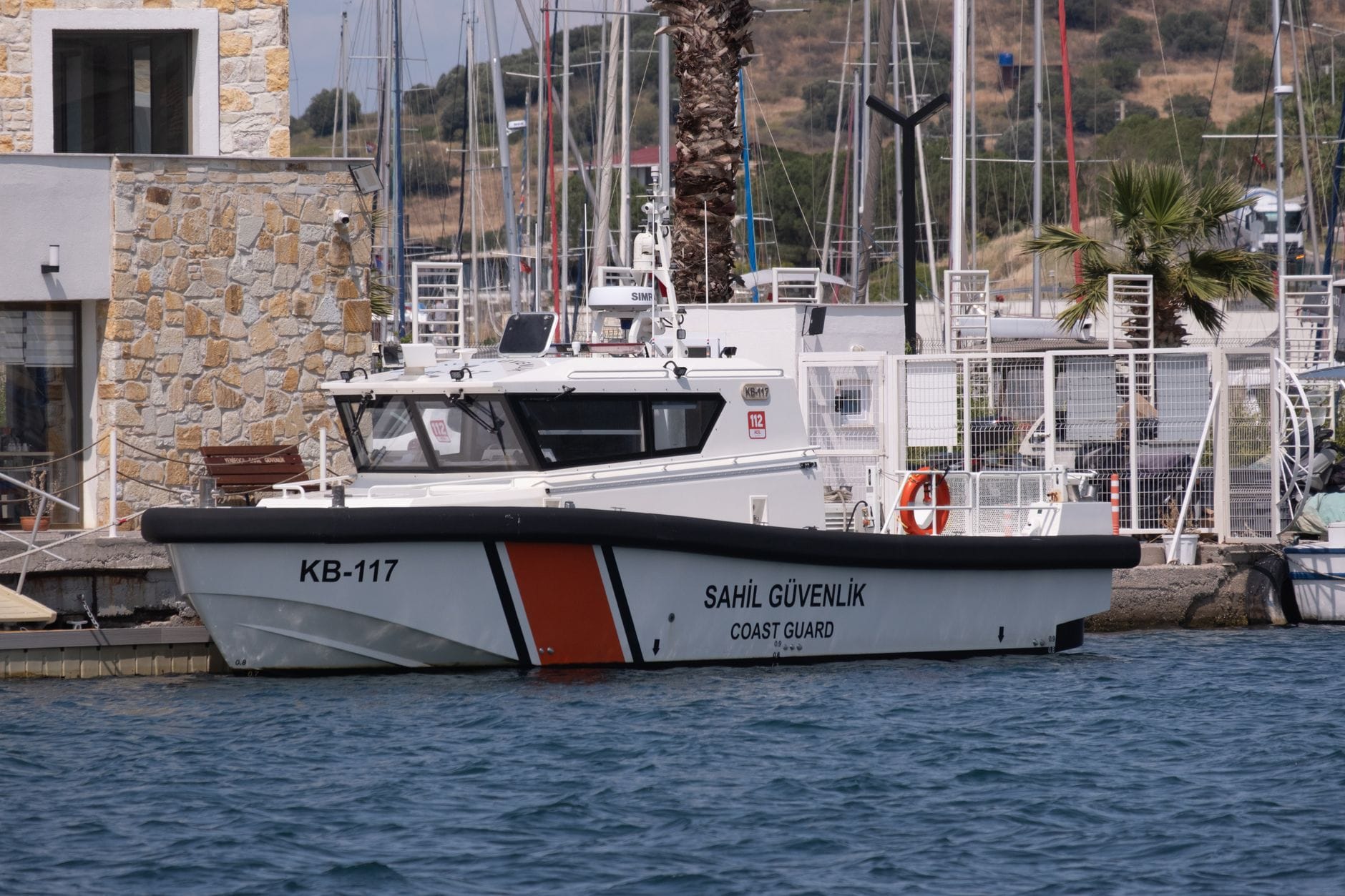
Greece has been a frontline state in every sense. Its coast guard recently intercepted a vessel carrying undocumented migrants and redirected it toward Turkish waters. The operation sparked strong reactions in Brussels and within human rights organizations. At the same time, the Greek parliament adopted legislation that created a deportation process for migrants who had entered the country without authorization from Africa. Together, these measures signal a commitment to territorial integrity and the safety of citizens.
The legal picture is complex. International agreements like the principle of non-refoulement are part of the framework that guides asylum law. That principle prevents states from sending people back to places where they could face persecution. The European Court of Human Rights has issued rulings that raise serious questions about pushback operations. For political leaders who support the Greek model, those concerns are secondary to the immediate challenge of maintaining order at the border. The debate between legal obligations and national security is not new. It is central to the future of European migration policy.
What does Greece actually do differently? It treats border management as a sovereign function with clear rules. That distinction matters. Every border policy is a mirror of public trust. When a state clearly defines who enters, how they enter, and what happens if they enter without permission, it creates predictability. Predictability gives citizens confidence that their government is in control.
Poland understands this challenge better than most. The country has seen a large number of arrivals since the war in Ukraine, and Polish society responded with remarkable hospitality. At the same time, events on the border with Belarus have shown how migration can be turned into a tool of hybrid pressure. Families and groups from the Middle East and Africa were flown into Minsk and then sent toward the Polish border. Poland answered with a physical barrier and a strict entry policy. This is not a theoretical debate. This is everyday reality for border guards and local communities.
Krzysztof Bosak, deputy marshal of the Sejm, has spoken openly about the legal complications left behind by previous policies. He points out that the former government's decision to automatically legalize the status of Ukrainian passport holders created a de facto multinational state, and it did so without the public conversation that such a change deserves. His criticism is not aimed at Ukrainian refugees. It is aimed at a system that made deportation nearly impossible and left migration policy without clear direction. The result, he says, is a legal framework that limits the state's ability to manage long-term demographic change.
Across Europe, the migration question is reshaping politics. In Germany, governments are working through the economic consequences of the energy transition and the social pressures of integration. In France, migration feeds into a lively national debate. The European Union's southern members feel the weight of arrivals from Africa and the Middle East. States farther north often advocate for broader humanitarian frameworks. The gap between those experiences makes a single EU migration policy difficult to imagine.
The economic side of migration is equally important. People who move across borders bring energy, skills, and new ideas. They also need housing, healthcare, and education. In Poland, the arrival of Ukrainian refugees filled labor shortages in construction, logistics, and healthcare. It also strained local services. No honest discussion about migration can ignore this double edge. The goal is not to choose between economy and security. It is to create systems that are ready for both.
There is also a geopolitical dimension. Belarus deliberately directed thousands of people toward the Polish border as a way to challenge the region's stability. This tactic drew attention and caught many observers by surprise. Poland constructed a wall and reinforced its border patrols. Those actions were questioned by some observers and defended by others as essential for national security. The episode made one thing clear: border management is not just about migration policy. It is a component of defense strategy.
The statement from Bartłomiej Pejo fits into a larger European shift. Leaders are no longer treating border security as an administrative issue. They are speaking about it as a political choice. Greece has demonstrated that a country can take control of its borders when it decides that control matters more than foreign approval. Poland is now examining how to build a migration system that is transparent, effective, and sustainable. The choices made in the coming years will define the future of European societies. For citizens watching this debate unfold, the message is straightforward: borders are not abstract lines. They are the foundation of trust between a state and its people. What happens next depends on whether more leaders make the same choice.
Related in Politics
Politics
Europe's New Aid Strategy: How Team Europe Is Protecting Workers and Fixing Supply Chains in 240 Million Crisis Zones
European Commissioner Lahbib Zouarhi recently took the stage at the Foreign Affairs Council to unveil a bold new vision for humanitarian aid. The message was clear. Europe must step up as "Team Europe" to tackle the growing number of global crises. With nearly 240 million people…
Read More...
Politics
Germany's Growth Mirage: Weidel Exposes the Debt Trap Behind Official Projections
The German federal government recently unveiled its autumn economic projections for October 2026, highlighting a projected growth rate of 1.3 percent for the current year. This optimistic forecast suggests a notable upswing in national economic activity. However, Alice Weidel, c…
Read More...
Politics
EU-Mexico Trade Alliance 2026: How This Partnership Is Reshaping Global Supply Chains
The European Union and Mexico have always been strong partners in multilateral cooperation. By September 2026 their relationship has become a key test for global economic resilience. Trade tensions are rising in many parts of the world. The EU-Mexico partnership offers stability…
Read More...
Politics
Ireland's EU Presidency: How Humanitarian Aid and Preparedness Build a Safer Future
As Ireland takes the helm of the Council of the European Union, Commissioner Lahbib highlights a pivotal moment for global engagement. Europe now faces a dual mandate that requires both moral leadership through humanitarian aid and strengthened internal resilience against a comp…
Read More...
Politics
Saxony-Anhalt Breaks Tradition: AfD's Tobias Rausch Takes Landtag Presidency
German politics witnessed a defining moment on October 6, 2026, when the newly constituted state parliament of Saxony-Anhalt elected Tobias Rausch as its Landtag President. This event marks the first time in the history of the Federal Republic that a member of the Alternative fo…
Read More...
Politics
Von der Leyen's Balkan Strategy: Why EU Expansion is a Mutual Transformation
Ursula von der Leyen has made it clear that the European Union’s path forward involves more than just opening borders. Her recent visits to the Western Balkans highlight a strategic shift where enlargement is treated as a mutual transformation rather than a one-sided gift from B…
Read More...
Politics
EU-Mexico Trade Shift 2026: What Nearshoring and Green Tech Mean for Your Business
The relationship between the European Union and Mexico is undergoing a significant transformation as we navigate through 2026. This partnership has evolved from traditional trade agreements into a robust framework focused on sustainable development digital innovation and diploma…
Read More...
Politics
Germany's 52% State Share: What This Record Means for Your Wallet and Economy
In early October 2026, Germany reached a notable economic milestone. The federal government projected a state share of 52 percent for the current year. This figure marks a new all-time high. It signals a substantial shift in how public expenditure relates to national economic ou…
Read More...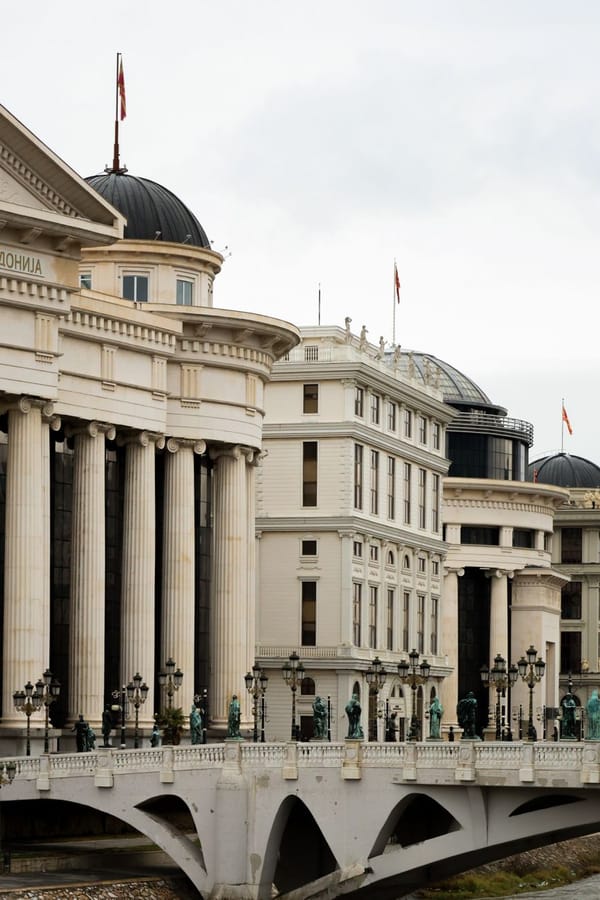
Politics
North Macedonia's EU Path: Security, Economy, and Institutional Readiness
In a significant diplomatic engagement held in Skopje, European leadership reaffirmed its commitment to North Macedonia’s accession to the European Union, highlighting the nation’s pivotal role in regional security and economic stability. The dialogue underscored North Macedonia…
Read More...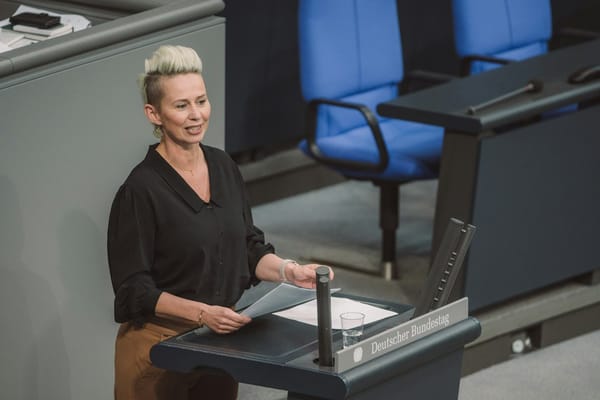
Politics
Germany's Subsidy Crisis: Why Taxpayers Are Demanding Fiscal Reform Now
In October 2026, the Bund der Steuerzahler released its annual "Black Book," a detailed report exposing state-funded waste and inefficient subsidy programs across Germany. This publication has sparked a significant conversation about fiscal responsibility, revealing how public f…
Read More...