
Europe's 2030 Transport Revolution: How €50B Investment Will Cut Travel Times and Boost GDP by 2.4%
We compile, generate and translate using Artificial Intelligence from the below given source. Macro Micro News is responsible for its editorial publication.
Brussels, Belgium, Source:
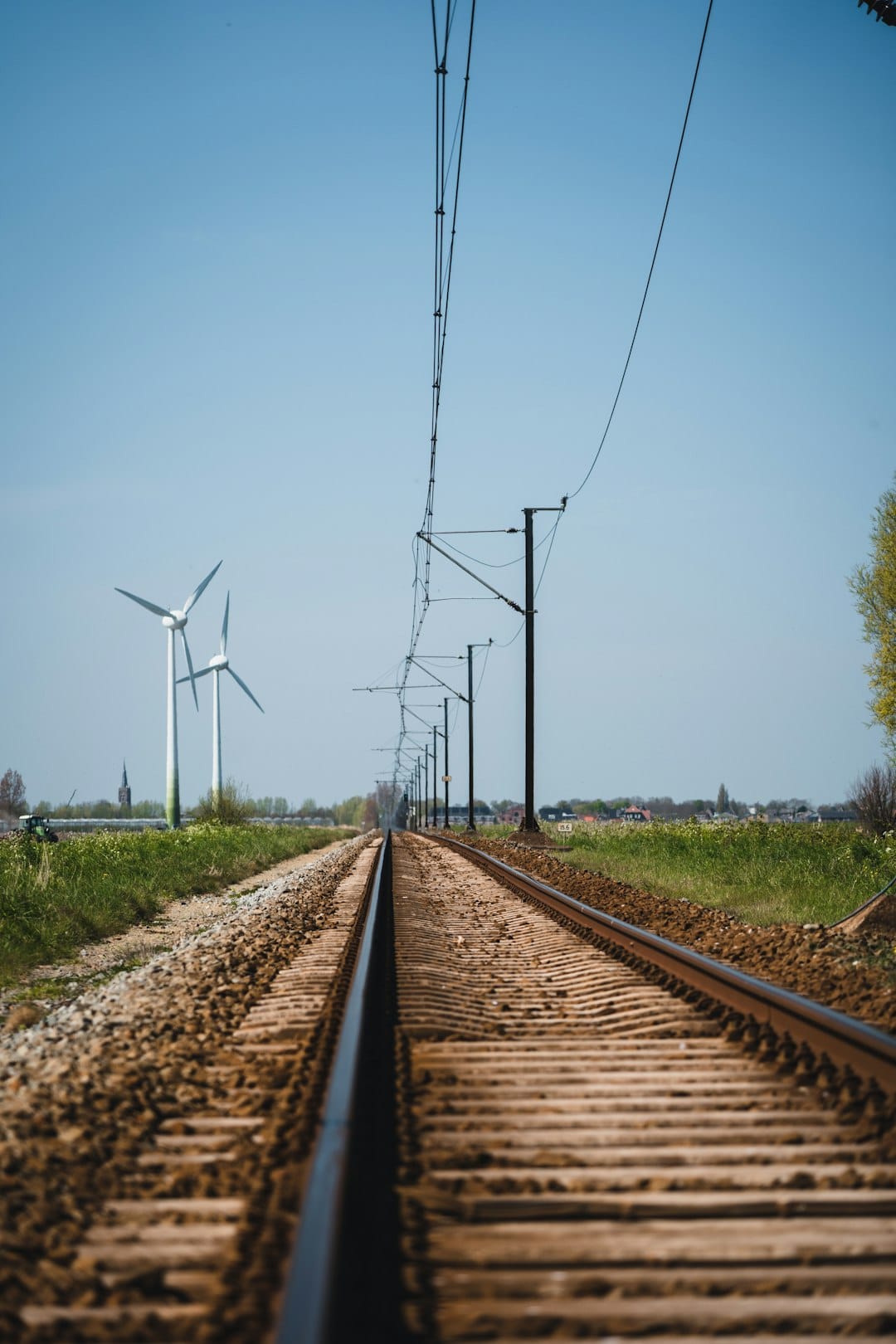
The Connecting Europe Days 2026 are not just another conference; they represent a critical juncture in the story of European unity. For seventy years, transport infrastructure has served as the physical backbone of political integration. Consider the post-World War II reconstruction of the railway bridge across the Rhine between France and Germany or the modern electrification of the rail link between Vienna and Bratislava. These projects did more than move goods and people. They transformed abstract promises of a united Europe into tangible daily experiences for citizens. Cross-border commutes became seamless, and businesses gained expanded market access. The question remains: how will the next wave of infrastructure reshape our daily lives?
A central pillar of this vision is the completion of the Trans-European Transport Network (TEN-T). The goal is to dismantle bottlenecks between Member States, effectively merging twenty-seven national systems into a single, cohesive European network. A prime example of this initiative is the high-speed rail connection between Lisbon and Madrid. Currently linked primarily by air due to the lack of direct rail services, these capitals will soon be connected by a new high-speed line. By 2030, the journey time is projected to drop to five hours, with further improvements aiming for three hours by 2034. This shift offers a sustainable alternative to flying, significantly enhancing mobility between Portugal and Spain while integrating them into the broader European high-speed rail grid.
Economic models suggest that fully completing the TEN-T could boost Europe’s GDP by 2.4% by 2050, equating to approximately €467 billion. To realize this ambitious infrastructure plan, substantial financial commitment is required. Proposals for the next long-term budget include over €50 billion in transport funding under the Connecting Europe facility, doubling current levels. This investment is crucial for maintaining a functional Single Market and supporting the rapid evolution of transport technologies. Europe already holds a dominant position in global transport innovation, accounting for nearly half of the worldwide market for rail equipment and managing 70% of global airspace through European technology.
However, the transition toward electrification and automation demands coordinated action. For instance, the number of zero-emission trucks on European roads is expected to surge from 26,000 to 400,000 by 2030. To support this, the EU is developing cross-border charging corridors and unified permitting frameworks for autonomous vehicle testing, ensuring that innovation remains rooted in Europe. Resilience against climate change is another critical focus. Increasingly volatile weather patterns, including heatwaves disrupting railways and floods closing tunnels, necessitate infrastructure designed for future conditions. New initiatives, such as the upcoming European framework for climate resilience, aim to protect assets like ports and airports from rising sea levels and extreme weather.
Furthermore, the expansion of the Union to include Ukraine, Moldova, and the Western Balkans underscores the strategic importance of transport links. By upgrading connections between Moldova and Romania, the EU is physically bridging the gap between its current members and future enlargements. Ultimately, the mission is to build a Transport Union that not only connects the present but also prepares Europe for a larger, more integrated, and resilient future. What does this mean for your commute? The answer lies in the tracks and roads being built today.
Related in Politics
Politics
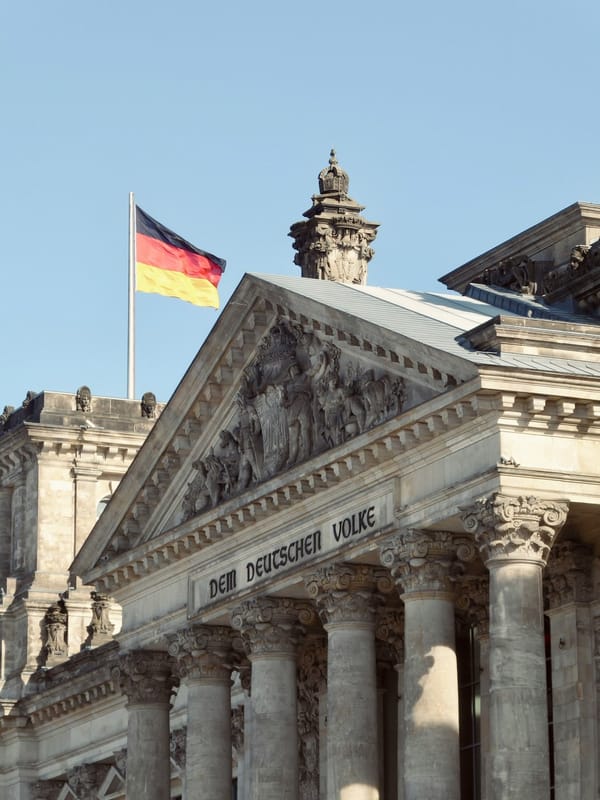
Germany's Growth Mirage: Weidel Exposes the Debt Trap Behind Official Projections
The German federal government recently unveiled its autumn economic projections for October 2026, highlighting a projected growth rate of 1.3 percent for the current year. This optimistic forecast suggests a notable upswing in national economic activity. However, Alice Weidel, c…
Read More...
Politics
EU-Mexico Trade Alliance 2026: How This Partnership Is Reshaping Global Supply Chains
The European Union and Mexico have always been strong partners in multilateral cooperation. By September 2026 their relationship has become a key test for global economic resilience. Trade tensions are rising in many parts of the world. The EU-Mexico partnership offers stability…
Read More...
Politics
Ireland's EU Presidency: How Humanitarian Aid and Preparedness Build a Safer Future
As Ireland takes the helm of the Council of the European Union, Commissioner Lahbib highlights a pivotal moment for global engagement. Europe now faces a dual mandate that requires both moral leadership through humanitarian aid and strengthened internal resilience against a comp…
Read More...
Politics
Saxony-Anhalt Breaks Tradition: AfD's Tobias Rausch Takes Landtag Presidency
German politics witnessed a defining moment on October 6, 2026, when the newly constituted state parliament of Saxony-Anhalt elected Tobias Rausch as its Landtag President. This event marks the first time in the history of the Federal Republic that a member of the Alternative fo…
Read More...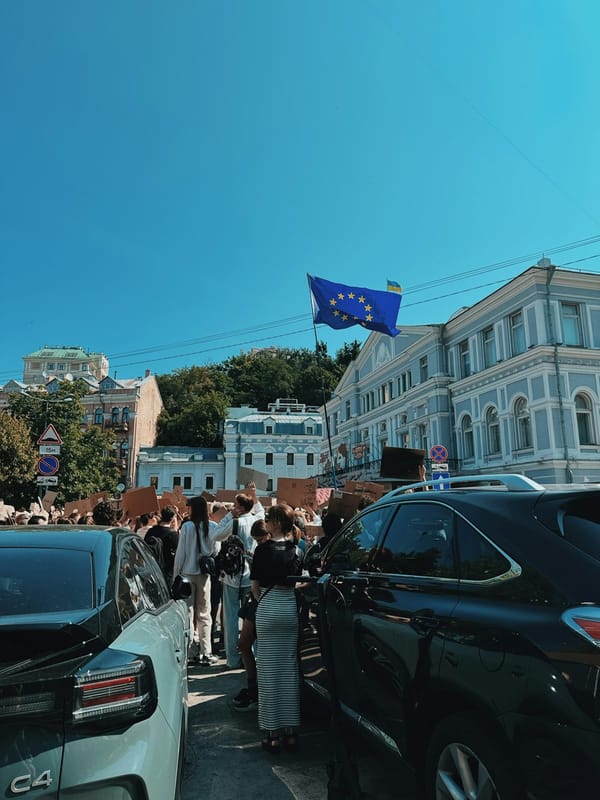
Politics
Von der Leyen's Balkan Strategy: Why EU Expansion is a Mutual Transformation
Ursula von der Leyen has made it clear that the European Union’s path forward involves more than just opening borders. Her recent visits to the Western Balkans highlight a strategic shift where enlargement is treated as a mutual transformation rather than a one-sided gift from B…
Read More...
Politics
EU-Mexico Trade Shift 2026: What Nearshoring and Green Tech Mean for Your Business
The relationship between the European Union and Mexico is undergoing a significant transformation as we navigate through 2026. This partnership has evolved from traditional trade agreements into a robust framework focused on sustainable development digital innovation and diploma…
Read More...
Politics
Germany's 52% State Share: What This Record Means for Your Wallet and Economy
In early October 2026, Germany reached a notable economic milestone. The federal government projected a state share of 52 percent for the current year. This figure marks a new all-time high. It signals a substantial shift in how public expenditure relates to national economic ou…
Read More...
Politics
North Macedonia's EU Path: Security, Economy, and Institutional Readiness
In a significant diplomatic engagement held in Skopje, European leadership reaffirmed its commitment to North Macedonia’s accession to the European Union, highlighting the nation’s pivotal role in regional security and economic stability. The dialogue underscored North Macedonia…
Read More...
Politics
Germany's Subsidy Crisis: Why Taxpayers Are Demanding Fiscal Reform Now
In October 2026, the Bund der Steuerzahler released its annual "Black Book," a detailed report exposing state-funded waste and inefficient subsidy programs across Germany. This publication has sparked a significant conversation about fiscal responsibility, revealing how public f…
Read More...
Politics
Brussels Confirms €45 Billion Ukraine Aid Package for 2027: What This Means for Your Future
The European Commission and Ukraine have just released a joint statement that signals a major shift in how financial support is structured. Announced on October 1, 2026, this move reinforces transatlantic solidarity while addressing Kyiv's urgent financial needs. The question no…
Read More...