
Europe's €600 Billion Shift: How New Procurement Rules Boost Local Industry and Innovation
We compile, generate and translate using Artificial Intelligence from the below given source. Macro Micro News is responsible for its editorial publication.
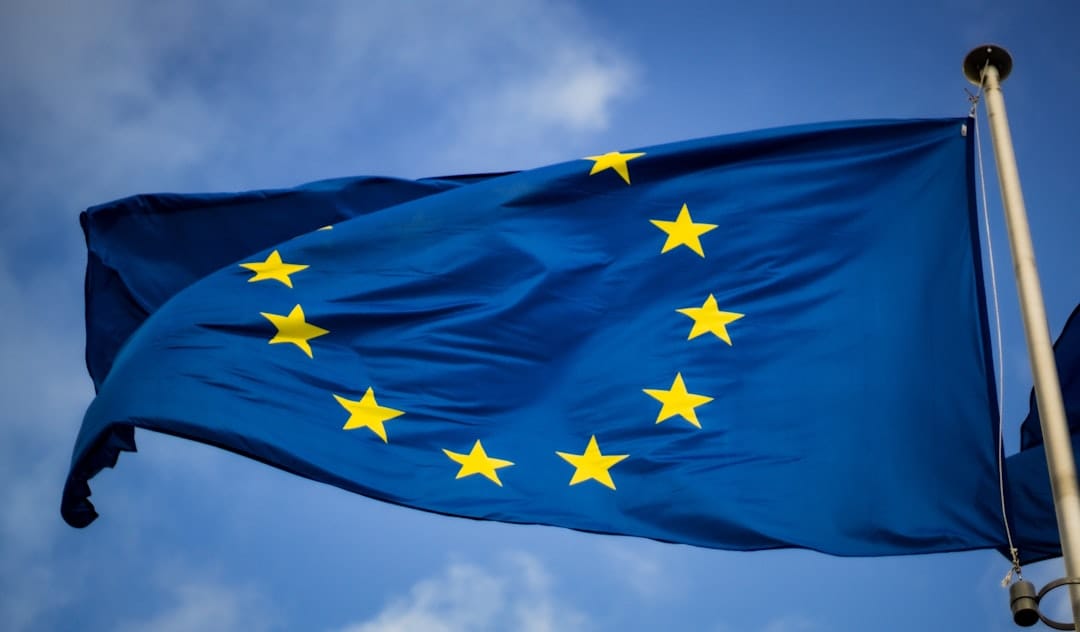
Brussels, Belgium, Source:
The European Commission has introduced a significant update to its public procurement framework. This move aims to leverage the continent's substantial spending power to drive economic growth. Vice-President Valérie Hayer Séjourné and Commissioner Isabella Adinolfi Zaharieva presented a strategy that simplifies bureaucratic processes while directing funds toward European industries and sustainability targets.
Public procurement is a major economic driver, representing about 15% of the EU’s GDP. This amounts to over €2,000 billion annually. Of this total, roughly €600 billion falls under the legislation currently under review. This figure is three times the size of the current EU budget and comparable to an annual NextGenerationEU recovery plan. The proposed reforms replace a complex system of three directives and five procedures with a single regulation featuring three core procedures: open, dynamic, and innovation-focused. This change seeks to reduce administrative burdens for public authorities and small and medium-sized enterprises (SMEs).
A key element of the new framework is the introduction of a mandatory minimum 30% weighting for quality criteria in contract evaluations. This approach moves away from relying solely on the lowest price. Quality metrics now include social standards, environmental decarbonization, circularity, cybersecurity, and innovation. This shift enables public buyers to prioritize long-term value and strategic objectives such as the green and digital transitions. The reforms also introduce a "Made-in-Europe" preference mechanism. While voluntary in most sectors, it becomes mandatory in strategic areas like clean technology, nuclear energy, automotive, cloud computing, AI, and critical medicines. Buyers can exclude operators from countries without reciprocal market access agreements or award bonus points to European offers. This ensures that public money primarily supports local industries and SMEs.
Complementing these procurement changes is the European Innovation Act, which focuses on the commercialization of research and development. Currently, only 0.6% of the €2.8 trillion spent annually on public procurement is allocated to R&D. The Act proposes a single rulebook for R&D procurement, requiring at least 50% weight for quality and 15% for innovation in award criteria. It also introduces pre-commercial procurement models where public entities define problems and invite startups to develop prototypes. Danish hospitals have already demonstrated this by sourcing bacterial-eliminating robots from local innovators. To further support startups, the Act mandates faster tender awards within 60 days. It also establishes a Competence Centre within the European Union Intellectual Property Office to help firms finance innovation through IP valuation. Additionally, a unified European public procurement platform will be launched. This platform will offer multilingual access, automatic translations, and cross-referencing with judicial data to combat corruption and enhance transparency.
These measures signal a shift toward a more sovereign, innovative, and efficient Europe. By reducing bureaucracy and aligning purchasing power with strategic industrial policies, the EU aims to fill the order books of its companies. This approach fosters global competitiveness and delivers tangible benefits to citizens through better infrastructure and services.
Related in Politics
Politics
Europe's New Aid Strategy: How Team Europe Is Protecting Workers and Fixing Supply Chains in 240 Million Crisis Zones
European Commissioner Lahbib Zouarhi recently took the stage at the Foreign Affairs Council to unveil a bold new vision for humanitarian aid. The message was clear. Europe must step up as "Team Europe" to tackle the growing number of global crises. With nearly 240 million people…
Read More...
Politics
Germany's Growth Mirage: Weidel Exposes the Debt Trap Behind Official Projections
The German federal government recently unveiled its autumn economic projections for October 2026, highlighting a projected growth rate of 1.3 percent for the current year. This optimistic forecast suggests a notable upswing in national economic activity. However, Alice Weidel, c…
Read More...
Politics
EU-Mexico Trade Alliance 2026: How This Partnership Is Reshaping Global Supply Chains
The European Union and Mexico have always been strong partners in multilateral cooperation. By September 2026 their relationship has become a key test for global economic resilience. Trade tensions are rising in many parts of the world. The EU-Mexico partnership offers stability…
Read More...
Politics
Ireland's EU Presidency: How Humanitarian Aid and Preparedness Build a Safer Future
As Ireland takes the helm of the Council of the European Union, Commissioner Lahbib highlights a pivotal moment for global engagement. Europe now faces a dual mandate that requires both moral leadership through humanitarian aid and strengthened internal resilience against a comp…
Read More...
Politics
Saxony-Anhalt Breaks Tradition: AfD's Tobias Rausch Takes Landtag Presidency
German politics witnessed a defining moment on October 6, 2026, when the newly constituted state parliament of Saxony-Anhalt elected Tobias Rausch as its Landtag President. This event marks the first time in the history of the Federal Republic that a member of the Alternative fo…
Read More...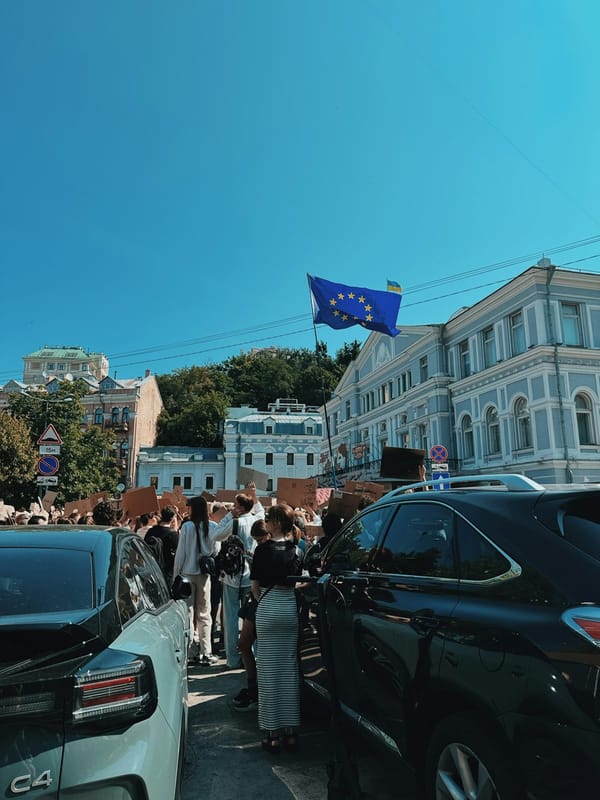
Politics
Von der Leyen's Balkan Strategy: Why EU Expansion is a Mutual Transformation
Ursula von der Leyen has made it clear that the European Union’s path forward involves more than just opening borders. Her recent visits to the Western Balkans highlight a strategic shift where enlargement is treated as a mutual transformation rather than a one-sided gift from B…
Read More...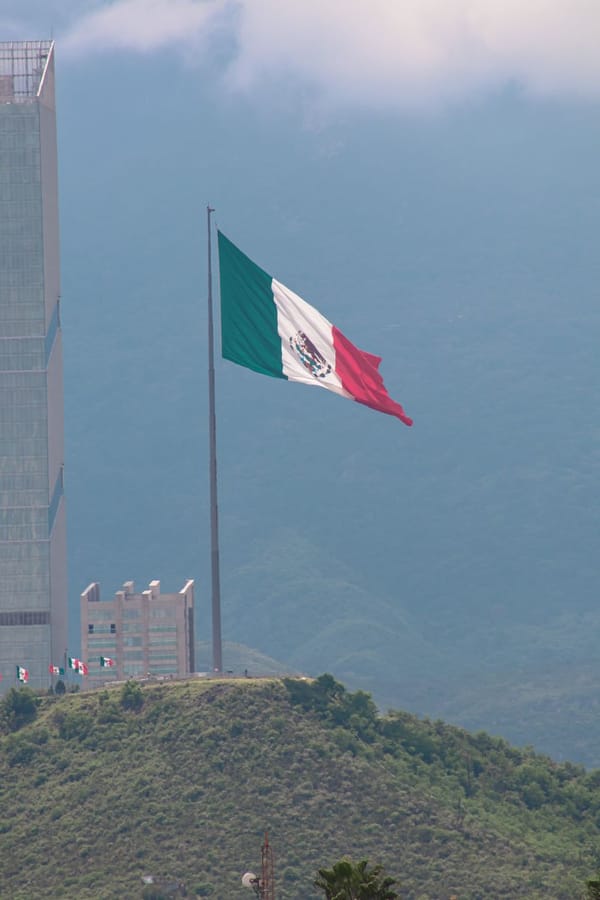
Politics
EU-Mexico Trade Shift 2026: What Nearshoring and Green Tech Mean for Your Business
The relationship between the European Union and Mexico is undergoing a significant transformation as we navigate through 2026. This partnership has evolved from traditional trade agreements into a robust framework focused on sustainable development digital innovation and diploma…
Read More...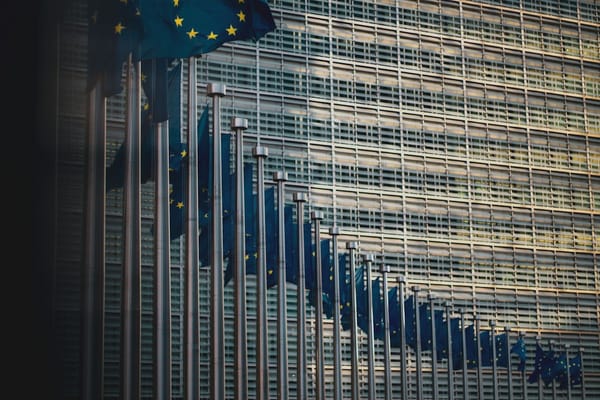
Politics
Germany's 52% State Share: What This Record Means for Your Wallet and Economy
In early October 2026, Germany reached a notable economic milestone. The federal government projected a state share of 52 percent for the current year. This figure marks a new all-time high. It signals a substantial shift in how public expenditure relates to national economic ou…
Read More...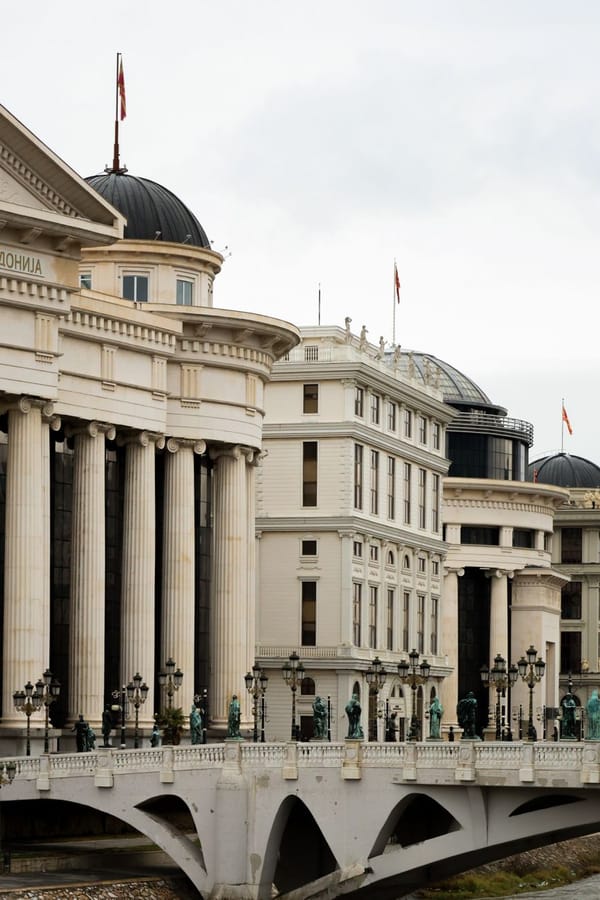
Politics
North Macedonia's EU Path: Security, Economy, and Institutional Readiness
In a significant diplomatic engagement held in Skopje, European leadership reaffirmed its commitment to North Macedonia’s accession to the European Union, highlighting the nation’s pivotal role in regional security and economic stability. The dialogue underscored North Macedonia…
Read More...
Politics
Germany's Subsidy Crisis: Why Taxpayers Are Demanding Fiscal Reform Now
In October 2026, the Bund der Steuerzahler released its annual "Black Book," a detailed report exposing state-funded waste and inefficient subsidy programs across Germany. This publication has sparked a significant conversation about fiscal responsibility, revealing how public f…
Read More...