
Fed Ends SNB Bancshares Enforcement: What This Means for Regional Banks
We compile, generate and translate using Artificial Intelligence from the below given source. Macro Micro News is responsible for its editorial publication.
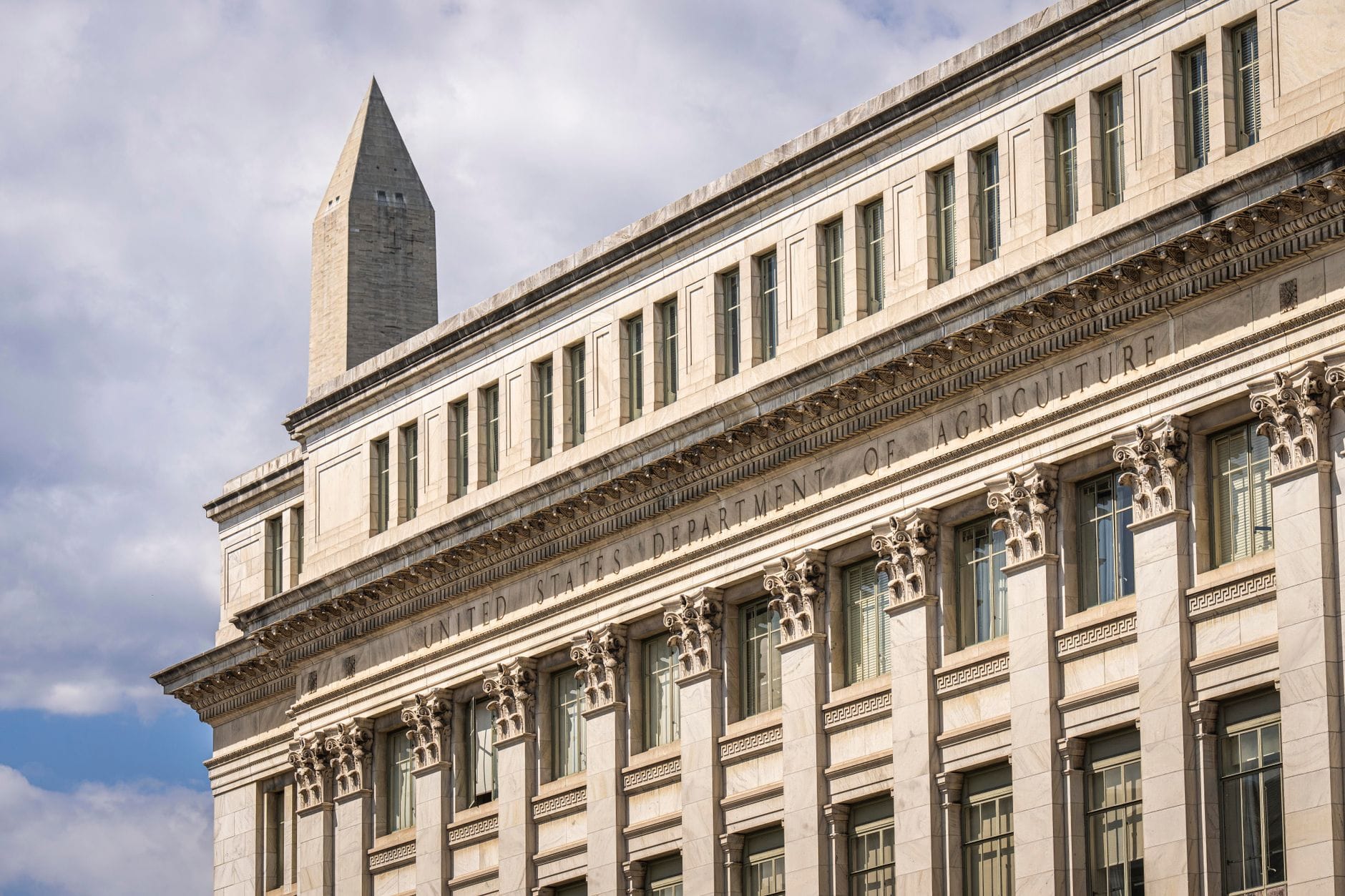
Eufaula, United States, Source: Eufaula, Source
The Federal Reserve Board has officially announced the termination of its enforcement action against SNB Bancshares, Inc., and its subsidiary, Bank of Eufaula, located in Eufaula, Oklahoma. This regulatory development, confirmed on September 18, 2026, marks a significant milestone for the regional financial institution, signaling that it has successfully addressed the compliance issues that previously triggered federal scrutiny.
Enforcement actions by the Federal Reserve are serious regulatory measures designed to ensure that banks operate within safe and sound parameters while adhering to strict legal and supervisory standards. When such an action is initiated, it typically indicates that regulators have identified deficiencies in areas such as capital adequacy, risk management practices, internal controls, or adherence to banking laws. The process involves a structured period during which the bank must implement corrective measures under close supervision to rectify these shortcomings.
The termination of this specific enforcement action, effective as of September 3, 2026, suggests that SNB Bancshares and Bank of Eufaula have met the required benchmarks set forth by the Board of Governors of the Federal Reserve System. While the original details of the violations were not explicitly detailed in the public release, the conclusion of such proceedings generally implies that the institution has demonstrated sustained improvement in its operational integrity and regulatory compliance. For community banks like Bank of Eufaula, maintaining robust governance structures is critical, as they often serve as the financial backbone for their local economies.
This resolution is particularly relevant in the broader context of the current banking landscape. In recent years, the Federal Reserve has intensified its focus on supervising smaller and mid-sized banks, ensuring that they maintain resilience against economic fluctuations and operational risks. The successful closure of enforcement cases reflects positively on the ability of regional institutions to self-correct and align with federal expectations without resorting to more severe penalties, such as consent orders that might restrict business operations or impose heavy fines.
For stakeholders, including depositors, investors, and local communities, the termination of this action provides reassurance regarding the stability and reliability of Bank of Eufaula. It underscores the effectiveness of the collaborative regulatory framework, where continuous monitoring and mandatory remediation lead to improved institutional health. As the banking sector continues to navigate complex economic conditions, such regulatory closures highlight the importance of proactive compliance and transparent governance in maintaining public trust and financial system integrity.
The Federal Reserve’s decision to conclude this matter allows SNB Bancshares to move forward without the shadow of ongoing federal oversight, potentially enabling greater strategic flexibility in serving its customers. This outcome serves as a case study in regulatory rehabilitation, demonstrating how targeted interventions can restore confidence in regional banking entities.
Related in Finance
Finance
Fed Hits 4%: What This Rate Hike Means for Your Wallet and the Economy
The Federal Open Market Committee has made a decisive move to anchor long-term inflation expectations. On September 16, 2026, the FOMC announced a 25 basis point increase in the federal funds rate. The new target range is now 3.75% to 4.00%. This unanimous 12-0 vote highlights t…
Read More...
Finance
New Federal Third-Party Risk Framework: What Banks and Credit Unions Must Know Now
The landscape of financial oversight is shifting once again. On September 11, 2026, four major federal agencies including the FDIC, the Federal Reserve Board, the NCUA, and the OCC announced a joint request for public comment on proposed guidance regarding third-party risk manag…
Read More...
Finance
Community Banks: New 18-Month Exam Cycle and $6B Asset Limit Explained
The landscape for community banking is shifting in a way that promises to reduce the heavy lift of compliance. Three major federal agencies have joined forces to issue an interim final rule that expands the eligibility for an extended examination cycle. This move targets smaller…
Read More...
Finance
Fed Ends Enforcement: What United Texas and Quontic Bank's Clearance Means for Your Money
Global, Source The Federal Reserve Board has officially announced the termination of enforcement actions against three financial entities: United Texas Bank, Quontic Bank Acquisition Corp., and Quontic Bank Holdings Corp. This regulatory development, released on September 4, 202…
Read More...
Finance
Federal Reserve Bars Former Banco Popular Employee Over Misappropriation of Customer Funds: What It Means for You
On August 27, 2026, the Federal Reserve Board issued a consent prohibition order against Gadiel Rosario-Alvarado, a former employee of Banco Popular de Puerto Rico in San Juan. What does that mean for someone who works in banking? In short, it can end their career across the ent…
Read More...
Finance
Inside the July 2026 Federal Reserve Discount Rate Minutes: What They Reveal for Banks and Markets
. What do the Federal Reserve's discount rate meetings reveal about the health of the banking system? The July 2026 minutes, released on August 25, offer a rare window into that process. At the meetings on July 20 and July 29, the Board of Governors reviewed and set rates for pr…
Read More...
Finance
Global Bankers, Take Note: NatWest Secures Federal Reserve Approval for Stamford, Connecticut Office in 2026
At 4:00 p.m. EDT on August 20, 2026, the Federal Reserve Board approved National Westminster Bank Plc's application to establish a representative office in Stamford, Connecticut. For the London-based bank, the decision marks a significant milestone. The regulatory check is compl…
Read More...
Finance
Chinese Tech Stocks Now Command 30x Earnings Above US Rivals: What Every Investor Should Know About the AI Premium
There is a new mood in Asian markets. The numbers are striking: the Hang Seng Tech Index, which tracks Hong Kong's 30 biggest technology companies, is trading at more than 30 times expected earnings. That is noticeably above the Nasdaq 100's forward multiple of around 25 times.…
Read More...
Finance
Karoline Leavitt Departs: Trump Loses His Favorite Press Secretary, and What You Need to Know for 2024
The political world took notice when the Financial Times reported that Karoline Leavitt, one of Donald Trump's most trusted voices, has left her role as press secretary. The news landed on August 13, 2026, and it has already set off a wave of questions about the former president…
Read More...
Finance
Wisconsin Voters: This Democratic Socialist Primary Could Reshape Your Party's Future
What happens when a Democratic socialist with grassroots energy challenges a longtime incumbent in a swing state? Wisconsin is about to provide an answer. This primary has become one of the most closely watched races in the country, and its result may influence how the Democrati…
Read More...