
Chinese Tech Stocks Now Command 30x Earnings Above US Rivals: What Every Investor Should Know About the AI Premium
We compile, generate and translate using Artificial Intelligence from the below given source. Macro Micro News is responsible for its editorial publication.
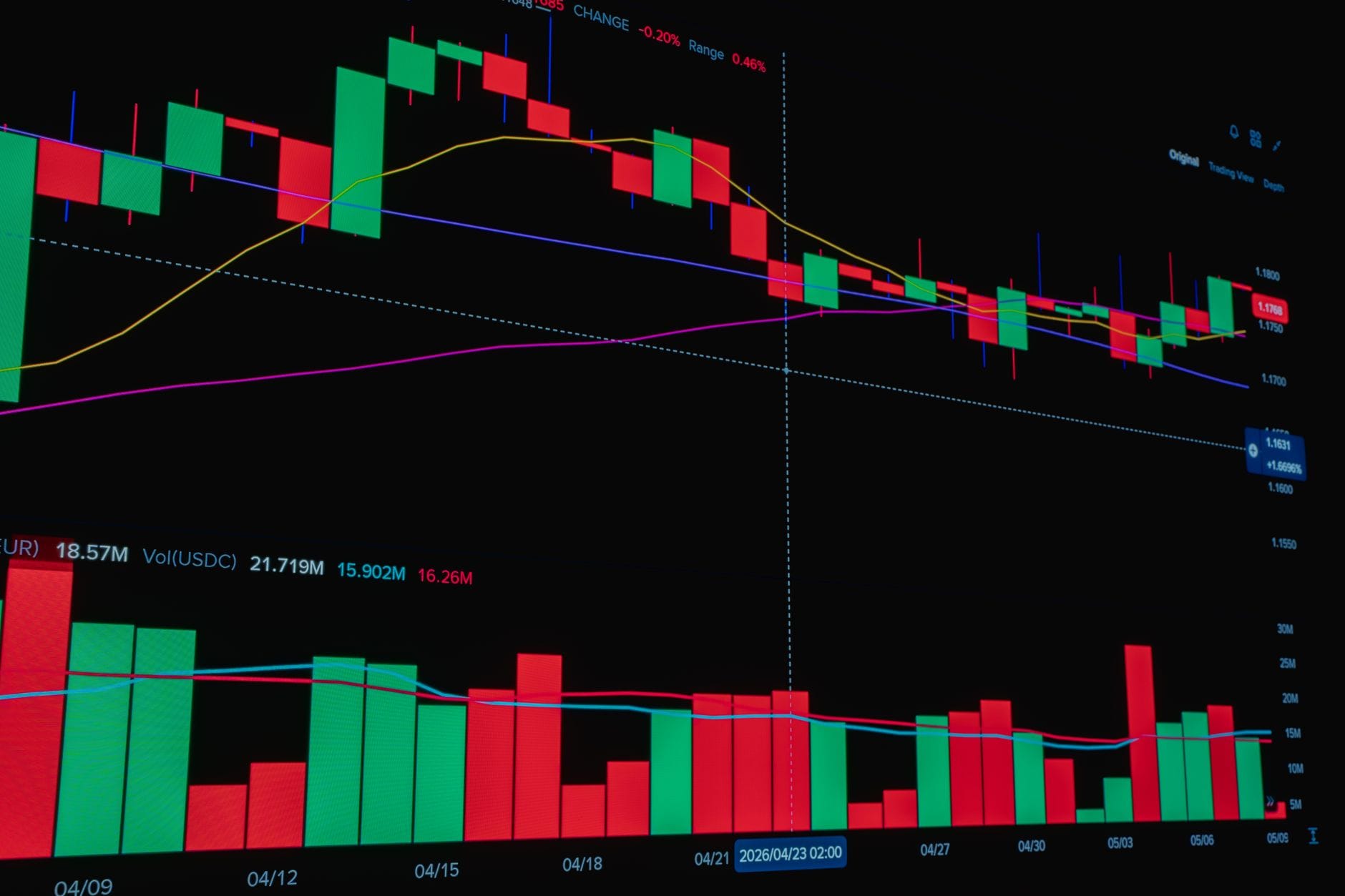
Hong Kong, MMN Correspondent: There is a new mood in Asian markets. The numbers are striking: the Hang Seng Tech Index, which tracks Hong Kong's 30 biggest technology companies, is trading at more than 30 times expected earnings. That is noticeably above the Nasdaq 100's forward multiple of around 25 times. For years, US tech stocks commanded the richer valuations. Now the premium has shifted east.
What changed? In one word, artificial intelligence. The speed at which Chinese companies are turning AI into revenue is the real story. Alibaba, Tencent, Baidu and a wave of AI-focused startups have woven generative AI into everything from cloud computing and e-commerce to autonomous driving and healthcare. Government support, including the AI Plus initiative and state-backed efforts in semiconductor self-sufficiency, has added fuel. The result is a market that is pricing in faster earnings growth with conviction.
The enthusiasm has spread across the board. Shares of SenseTime and iFlytek, two of China's most prominent AI companies, have more than doubled over the past year. Alibaba's cloud division, now a full-fledged AI services platform, has seen its valuation multiple expand by nearly 50% year-on-year. Tencent's forward P/E has climbed from the low 20s to the high 30s, supported by AI-driven gaming and advertising. These are not just headline numbers; they reflect a fundamental shift in how investors view Chinese technology.
Every market has its own rhythm. The US investor base often asks for clearer evidence of profit before rewarding AI bets. In parts of Asia, the willingness to back the story early is stronger. This creates a powerful feedback loop: rising prices attract attention, attention brings inflows, and inflows push prices higher. For global investors, that momentum is hard to ignore.
There is also a scarcity premium at work. The US offers a wide variety of AI stocks, from chipmakers to software firms. China's listed tech universe is more concentrated, so any company with a credible AI narrative can attract outsized interest. The combination of concentrated supply and rising demand naturally pushes valuations upward.
The regulatory mood has brightened as well. The policy environment has evolved from strict oversight to active support, with AI now treated as a strategic priority. National research programs and more permissive data policies have given companies room to train large models and experiment at scale. This policy tailwind has reduced the risk of sudden reversals, and investors have taken notice.
The earnings evidence is beginning to arrive. Alibaba reported a 20% increase in cloud revenue, with AI-related services making a significant contribution. Baidu's AI cloud business has grown by more than 30% year-on-year. Tencent's advertising revenue, enhanced by AI-targeted campaigns, has posted double-digit growth. These figures suggest that AI is not just a story; it is becoming a measurable driver of performance.
Of course, no market moves in a straight line. The current multiples leave less room for any stumble. Potential considerations include geopolitical dynamics, export controls, and the pace of economic recovery. These are factors to watch, not reasons to panic. The key is whether companies can keep delivering on their AI promises. Early signs point to yes.
Global asset managers are adding to their Chinese tech positions, viewing them as a complement to US exposure. The MSCI China Index has outperformed the S&P 500 by a wide margin over the past 12 months, with technology leading the way. This has created a virtuous cycle of capital inflows, further supporting valuations.
Looking ahead, the valuation gap could narrow if US companies accelerate their AI monetization. Nvidia's earnings have already exploded, and Microsoft's AI-powered Copilot is reaching more users every day. If US firms start delivering AI-driven earnings surprises, capital may rotate. For now, the momentum in Chinese tech is real, and the numbers back it up.
The AI premium on Chinese tech stocks is a reflection of both genuine progress and high expectations. For investors, the opportunity lies in distinguishing companies that can execute from those that simply talk about AI. The race is on, and every quarter will bring new evidence.
Related in Finance

Finance
American Household Debt Crisis: Why Rising Incomes Hide a Growing Financial Trap
The Federal Reserve Board dropped a major economic report on October 9, 2026. This document comes from the 2025 Survey of Consumer Finances. It offers a detailed look at how American families are managing their money. The survey happens every three years. It tracks ownership bor…
Read More...
Finance
Fed Fines American Express: What This AML Enforcement Means for Your Financial Security
The Federal Reserve Board has taken decisive action against American Express Company, citing serious deficiencies in the financial giant's ability to detect and report suspicious activities linked to money laundering. This regulatory move underscores the increasing scrutiny plac…
Read More...
Finance
Fed Minutes Sept 2026: What the FOMC Revealed About Your Money
The Federal Open Market Committee shared its September 15–16, 2026 meeting minutes on October 7, 2026. These documents offer a detailed look at the economic conditions that shaped policy decisions. They provide critical insights into the monetary trajectory for the United States…
Read More...
Finance
Isabella Bank Acquires Grand River Commerce: What This Michigan Deal Means for Local Banking
The Federal Reserve Board has officially cleared the path for Isabella Bank Corporation to acquire Grand River Commerce, Inc. and its subsidiary, Grand River Bank. Announced on October 5, 2026, this approval marks a significant consolidation event within Michigan's financial sec…
Read More...
Finance
Fleur Capital Acquires Simmesport State Bank: What This Means for Louisiana Banking
The Federal Reserve Board has officially cleared the path for Fleur Capital Corporation to take over Simmesport State Bank. Both institutions call Simmesport, Louisiana home, making this a significant consolidation within the state's regional banking sector. The announcement cam…
Read More...
Finance
Fed Stress Test Rules: How New Transparency Cuts Capital Volatility by 50%
The Federal Reserve Board has officially finalized significant changes to its supervisory stress testing framework. This move marks a pivotal shift toward greater transparency and public accountability while reducing volatility in capital requirements for large banks. Announced…
Read More...
Finance
15 Major Banks Pass Critical Stress Test: What This Means for Financial Stability
The Federal Deposit Insurance Corporation and the Federal Reserve Board have released their latest feedback letters on September 29, 2026. These documents address resolution plans from 15 major banking organizations. The review focused on entities holding more than $250 billion…
Read More...
Finance
Peoples Bancorp and Citizens National Merge: A Strategic Expansion Across State Lines
The Federal Reserve Board has officially announced its approval of a significant banking consolidation, marking a pivotal moment for regional financial institutions in the Ohio and Kentucky regions. On September 25, 2026, the Board granted permission for Peoples Bancorp Inc., he…
Read More...
Finance
Fed's New Stablecoin Rules: What the GENIUS Act Means for Your Digital Wallet
The Federal Reserve has just taken a major step forward in bringing digital assets into the mainstream financial system. By releasing two new proposals under the GENIUS Act framework, they are asking for public feedback on how to regulate payment stablecoins. This move signals t…
Read More...
Finance
BancFirst and Spirit BankCorp: What This Federal Reserve Approval Means for Oklahoma Banking
The Federal Reserve Board has officially announced its approval of a significant banking consolidation within the state of Oklahoma, marking a pivotal moment for regional financial services. On Tuesday, September 22, 2026, the Board confirmed its acceptance of the application su…
Read More...