
Isabella Bank Acquires Grand River Commerce: What This Michigan Deal Means for Local Banking
We compile, generate and translate using Artificial Intelligence from the below given source. Macro Micro News is responsible for its editorial publication.
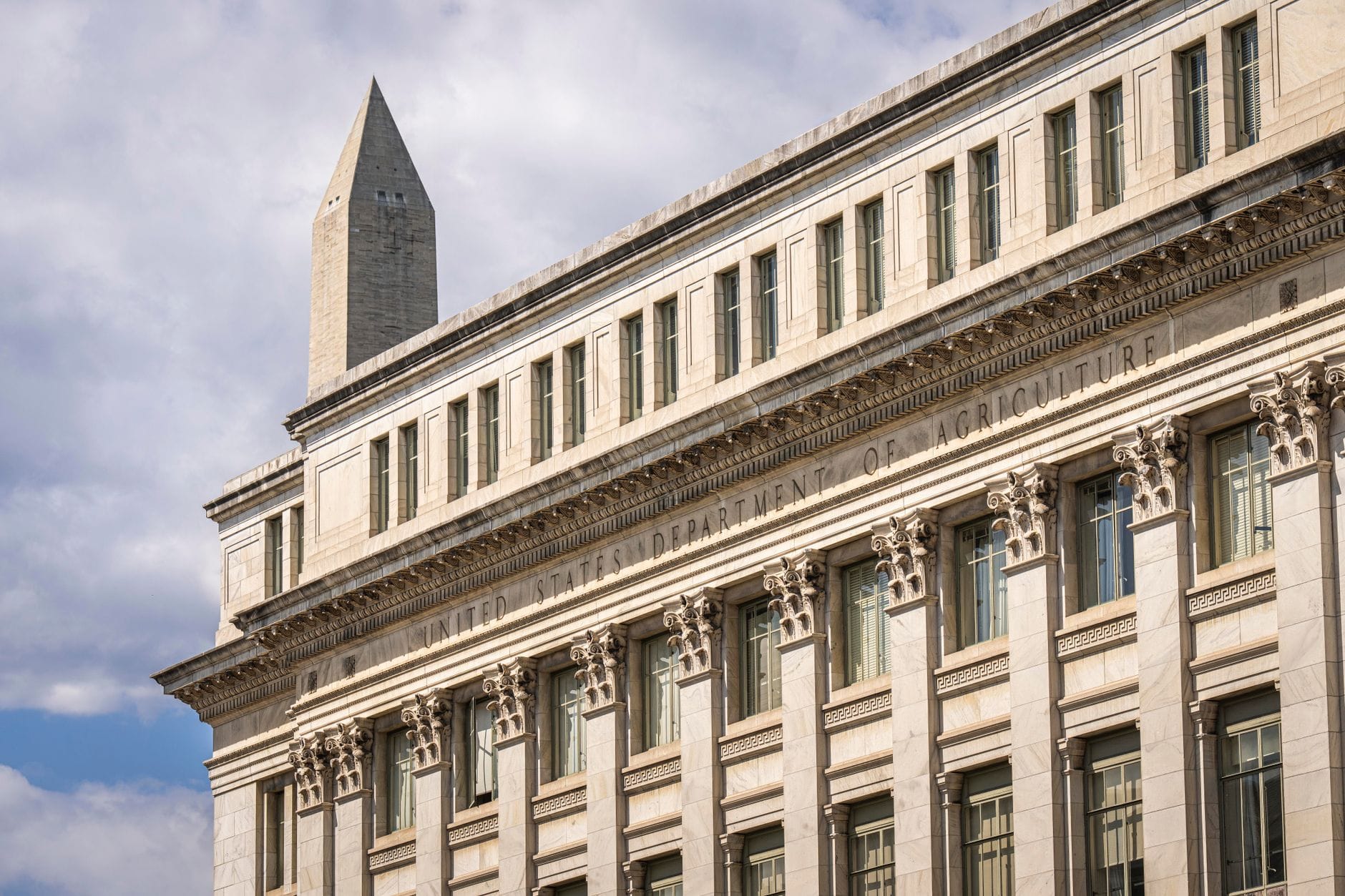
Grandville, United States, Source:
The Federal Reserve Board has officially cleared the path for Isabella Bank Corporation to acquire Grand River Commerce, Inc. and its subsidiary, Grand River Bank. Announced on October 5, 2026, this approval marks a significant consolidation event within Michigan's financial sector. The decision allows Isabella Bank to merge with Grand River Bank and operate branches at all existing locations previously held by the acquired entity.
This move reflects a broader trend where community banks pursue strategic mergers to enhance competitive positioning and operational efficiency. By integrating Grand River Bank into its network, Isabella Bank expands its geographic footprint from Mount Pleasant into the Grand Rapids metropolitan area via Grandville. Such expansions help regional banks diversify revenue streams and mitigate risk through broader market exposure.
The Federal Reserve’s decision follows a rigorous review process designed to ensure that the merger serves the convenience and needs of the communities involved while maintaining the safety and soundness of the banking system. The Board’s approval indicates that the application met all necessary regulatory standards, including capital adequacy, management capability, and potential impact on competition.
For Isabella Bank Corporation, this move signals a commitment to growth and modernization. It allows the bank to leverage combined resources to offer enhanced services to both retail and commercial clients across two distinct Michigan markets. Grand River Commerce, Inc., as the holding company for Grand River Bank, brings established local relationships and infrastructure to the table.
The integration will allow Isabella Bank to operate branches seamlessly at Grand River Bank’s current sites, ensuring continuity of service for existing customers while introducing them to the broader product offerings available under the Isabella Bank umbrella. This type of structural change is common in an era where digital banking capabilities require substantial investment, making partnerships and acquisitions essential for smaller institutions to remain viable and innovative.
As the banking landscape continues to evolve, regulatory approvals like this one highlight the careful balance between fostering healthy competition and encouraging stability through consolidation. Stakeholders, including employees, customers, and investors, are now looking toward the implementation phase, where logistical details of branch operations, IT systems integration, and cultural alignment will determine the long-term success of this union.
The Federal Reserve’s endorsement provides a clear pathway forward, setting the stage for a new chapter in Michigan’s regional banking history. The focus now shifts to execution, as the merged entity works to realize the anticipated benefits of scale and expanded reach.
Related in Finance
Finance
Fed Fines American Express: What This AML Enforcement Means for Your Financial Security
The Federal Reserve Board has taken decisive action against American Express Company, citing serious deficiencies in the financial giant's ability to detect and report suspicious activities linked to money laundering. This regulatory move underscores the increasing scrutiny plac…
Read More...
Finance
Fed Minutes Sept 2026: What the FOMC Revealed About Your Money
The Federal Open Market Committee shared its September 15–16, 2026 meeting minutes on October 7, 2026. These documents offer a detailed look at the economic conditions that shaped policy decisions. They provide critical insights into the monetary trajectory for the United States…
Read More...
Finance
Fleur Capital Acquires Simmesport State Bank: What This Means for Louisiana Banking
The Federal Reserve Board has officially cleared the path for Fleur Capital Corporation to take over Simmesport State Bank. Both institutions call Simmesport, Louisiana home, making this a significant consolidation within the state's regional banking sector. The announcement cam…
Read More...
Finance
Fed Stress Test Rules: How New Transparency Cuts Capital Volatility by 50%
The Federal Reserve Board has officially finalized significant changes to its supervisory stress testing framework. This move marks a pivotal shift toward greater transparency and public accountability while reducing volatility in capital requirements for large banks. Announced…
Read More...
Finance
15 Major Banks Pass Critical Stress Test: What This Means for Financial Stability
The Federal Deposit Insurance Corporation and the Federal Reserve Board have released their latest feedback letters on September 29, 2026. These documents address resolution plans from 15 major banking organizations. The review focused on entities holding more than $250 billion…
Read More...
Finance
Peoples Bancorp and Citizens National Merge: A Strategic Expansion Across State Lines
The Federal Reserve Board has officially announced its approval of a significant banking consolidation, marking a pivotal moment for regional financial institutions in the Ohio and Kentucky regions. On September 25, 2026, the Board granted permission for Peoples Bancorp Inc., he…
Read More...
Finance
Fed's New Stablecoin Rules: What the GENIUS Act Means for Your Digital Wallet
The Federal Reserve has just taken a major step forward in bringing digital assets into the mainstream financial system. By releasing two new proposals under the GENIUS Act framework, they are asking for public feedback on how to regulate payment stablecoins. This move signals t…
Read More...
Finance
BancFirst and Spirit BankCorp: What This Federal Reserve Approval Means for Oklahoma Banking
The Federal Reserve Board has officially announced its approval of a significant banking consolidation within the state of Oklahoma, marking a pivotal moment for regional financial services. On Tuesday, September 22, 2026, the Board confirmed its acceptance of the application su…
Read More...
Finance
Fed Ends SNB Bancshares Enforcement: What This Means for Regional Banks
Eufaula, Source The Federal Reserve Board has officially announced the termination of its enforcement action against SNB Bancshares, Inc., and its subsidiary, Bank of Eufaula, located in Eufaula, Oklahoma. This regulatory development, confirmed on September 18, 2026, marks a sig…
Read More...
Finance
Fed Hits 4%: What This Rate Hike Means for Your Wallet and the Economy
The Federal Open Market Committee has made a decisive move to anchor long-term inflation expectations. On September 16, 2026, the FOMC announced a 25 basis point increase in the federal funds rate. The new target range is now 3.75% to 4.00%. This unanimous 12-0 vote highlights t…
Read More...