
Fed Stress Test Rules: How New Transparency Cuts Capital Volatility by 50%
We compile, generate and translate using Artificial Intelligence from the below given source. Macro Micro News is responsible for its editorial publication.
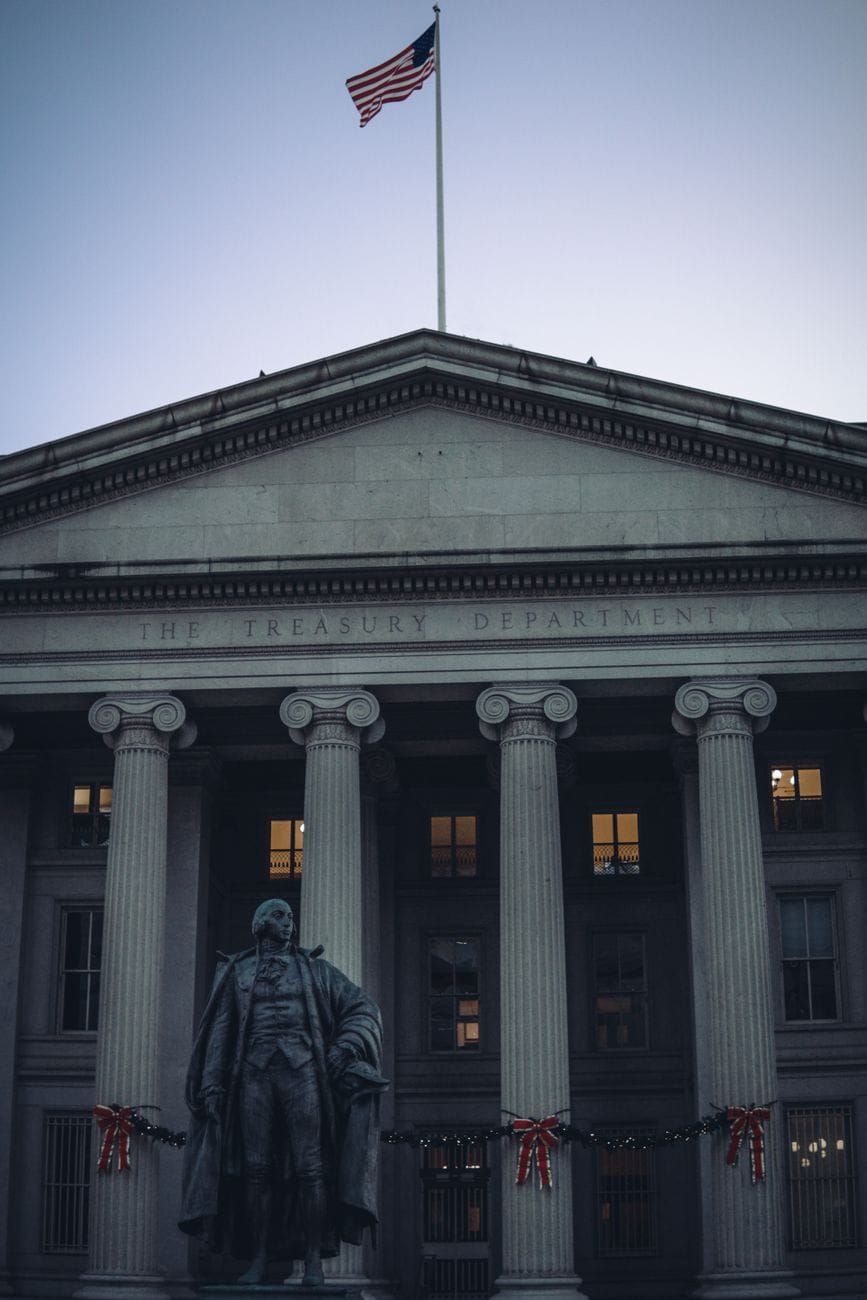
Washington, United States, Source:
The Federal Reserve Board has officially finalized significant changes to its supervisory stress testing framework. This move marks a pivotal shift toward greater transparency and public accountability while reducing volatility in capital requirements for large banks. Announced on September 30, 2026, these final rules largely mirror the proposals introduced in 2025. The goal is to fortify the resilience of the U.S. banking system while ensuring that risk assessments are both granular and sensitive to real-world market conditions.
Stress tests serve as a critical component of the regulatory capital framework. They are designed to ensure that large financial institutions maintain sufficient capital buffers to continue lending to households and businesses even during severe economic recessions. In December 2024, the Board initially announced its intent to modify the test to improve institutional resilience. Vice Chair for Supervision Michelle W. Bowman emphasized the importance of this evolution. She stated that the stress test is an essential component of the regulatory capital framework. Today's changes preserve its resilience by ensuring that it is transparent, granular, and risk-sensitive. The public will now have greater assurance that the risks banks take will be reflected appropriately in their stress test losses and their capital requirements.
The first of two final rules introduces a new requirement for annual public input on stress test scenarios and material model changes. This move enhances public accountability by allowing stakeholders to provide feedback on the hypothetical scenarios used to gauge bank health. Additionally, the rule updates the framework guiding scenario design and adopts the models that will be utilized for the 2027 stress test cycle. A notable adjustment involves the stress test calendar and the global market shock component. Banks with large trading books will now face two global market shock components annually. The Board uses the scenario that produces the largest losses for each firm to calculate results. This ensures a more conservative and realistic assessment of potential market downturns.
The second final rule focuses on reducing year-over-year volatility in capital requirements. It mandates that the Board average the results from the two most recent annual supervisory stress tests for firms subject to the test in both years. This averaging mechanism will begin in 2028. It ensures that only models incorporating public input are used in the calculation. Together, these changes are projected to reduce volatility in capital requirements by approximately 50 percent without materially affecting aggregate capital levels. This stability is crucial for banks planning long-term investments and dividend policies.
Furthermore, the Board has requested public comment on a proposal to revise the noninterest income model. This revision aims to better capture differences in banks' business models, particularly regarding fee income generation. If adopted, these adjustments would replace the current model that projects fee income under stress. This offers a more nuanced view of diverse banking operations. Comments on this proposal are due 60 days after publication in the Federal Register. These comprehensive updates reflect the Fed's ongoing commitment to a robust, transparent, and fair regulatory environment that supports financial stability while adapting to the evolving landscape of global finance.
Related in Finance
Finance
Fed Fines American Express: What This AML Enforcement Means for Your Financial Security
The Federal Reserve Board has taken decisive action against American Express Company, citing serious deficiencies in the financial giant's ability to detect and report suspicious activities linked to money laundering. This regulatory move underscores the increasing scrutiny plac…
Read More...
Finance
Fed Minutes Sept 2026: What the FOMC Revealed About Your Money
The Federal Open Market Committee shared its September 15–16, 2026 meeting minutes on October 7, 2026. These documents offer a detailed look at the economic conditions that shaped policy decisions. They provide critical insights into the monetary trajectory for the United States…
Read More...
Finance
Isabella Bank Acquires Grand River Commerce: What This Michigan Deal Means for Local Banking
The Federal Reserve Board has officially cleared the path for Isabella Bank Corporation to acquire Grand River Commerce, Inc. and its subsidiary, Grand River Bank. Announced on October 5, 2026, this approval marks a significant consolidation event within Michigan's financial sec…
Read More...
Finance
Fleur Capital Acquires Simmesport State Bank: What This Means for Louisiana Banking
The Federal Reserve Board has officially cleared the path for Fleur Capital Corporation to take over Simmesport State Bank. Both institutions call Simmesport, Louisiana home, making this a significant consolidation within the state's regional banking sector. The announcement cam…
Read More...
Finance
15 Major Banks Pass Critical Stress Test: What This Means for Financial Stability
The Federal Deposit Insurance Corporation and the Federal Reserve Board have released their latest feedback letters on September 29, 2026. These documents address resolution plans from 15 major banking organizations. The review focused on entities holding more than $250 billion…
Read More...
Finance
Peoples Bancorp and Citizens National Merge: A Strategic Expansion Across State Lines
The Federal Reserve Board has officially announced its approval of a significant banking consolidation, marking a pivotal moment for regional financial institutions in the Ohio and Kentucky regions. On September 25, 2026, the Board granted permission for Peoples Bancorp Inc., he…
Read More...
Finance
Fed's New Stablecoin Rules: What the GENIUS Act Means for Your Digital Wallet
The Federal Reserve has just taken a major step forward in bringing digital assets into the mainstream financial system. By releasing two new proposals under the GENIUS Act framework, they are asking for public feedback on how to regulate payment stablecoins. This move signals t…
Read More...
Finance
BancFirst and Spirit BankCorp: What This Federal Reserve Approval Means for Oklahoma Banking
The Federal Reserve Board has officially announced its approval of a significant banking consolidation within the state of Oklahoma, marking a pivotal moment for regional financial services. On Tuesday, September 22, 2026, the Board confirmed its acceptance of the application su…
Read More...
Finance
Fed Ends SNB Bancshares Enforcement: What This Means for Regional Banks
Eufaula, Source The Federal Reserve Board has officially announced the termination of its enforcement action against SNB Bancshares, Inc., and its subsidiary, Bank of Eufaula, located in Eufaula, Oklahoma. This regulatory development, confirmed on September 18, 2026, marks a sig…
Read More...
Finance
Fed Hits 4%: What This Rate Hike Means for Your Wallet and the Economy
The Federal Open Market Committee has made a decisive move to anchor long-term inflation expectations. On September 16, 2026, the FOMC announced a 25 basis point increase in the federal funds rate. The new target range is now 3.75% to 4.00%. This unanimous 12-0 vote highlights t…
Read More...