
Fed's New Stablecoin Rules: What the GENIUS Act Means for Your Digital Wallet
We compile, generate and translate using Artificial Intelligence from the below given source. Macro Micro News is responsible for its editorial publication.
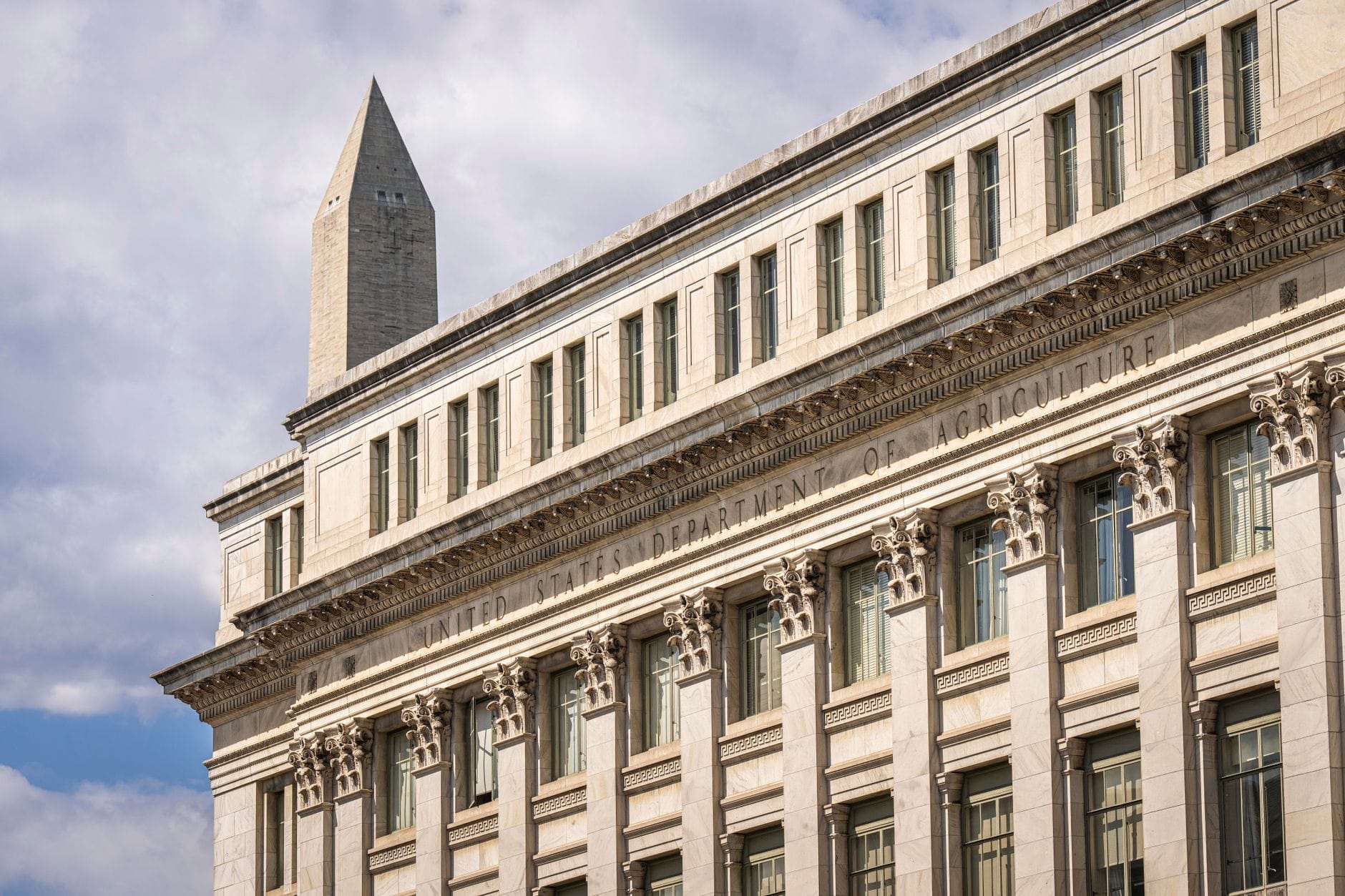
Washington, United States, Source:
The Federal Reserve has just taken a major step forward in bringing digital assets into the mainstream financial system. By releasing two new proposals under the GENIUS Act framework, they are asking for public feedback on how to regulate payment stablecoins. This move signals that cryptocurrency is no longer an outsider but a core part of the banking infrastructure that requires careful oversight.
Imagine if every digital dollar you held was backed by the most secure assets available. That is exactly what the first proposal aims to achieve. It requires issuers to hold reserves consisting of short-term U.S. Treasury bills and other highly liquid assets. This ensures that the value of these tokens remains steady and closely tied to fiat currency. Beyond just backing, the plan introduces strict capital requirements to handle credit and operational risks. It also sets clear rules for who holds these assets, providing legal clarity for banks that want to offer stablecoin services.
The second proposal creates a specific pathway for banks to issue these digital currencies. Instead of a one-size-fits-all approach, applicants must submit detailed business plans and financial data to prove they are ready for this responsibility. The process includes structured mechanisms for appeals and hearings, which adds a layer of transparency and fairness. This tailored approach allows the Fed to encourage innovation while keeping the financial system stable and secure.
Why does this matter right now? As digital payments become more common globally, regulators are trying to find the balance between protecting consumers and allowing technology to grow. The GENIUS Act provides the necessary legislative support to ensure safety and soundness. With a comment period closing 60 days after publication, industry leaders and everyday citizens have a chance to shape these rules. This collaborative effort highlights the Fed's commitment to creating adaptable regulations for the fast-moving world of digital finance.
The United States is positioning itself as a leader in defining the future of money. The outcomes of these proposals could set a global precedent, influencing how stablecoins are managed worldwide. As we move toward a more integrated digital economy, understanding these regulatory shifts will be crucial for anyone involved in the financial sector. The question is not just whether stablecoins will succeed, but how they will integrate seamlessly into our daily lives under these new standards.
Related in Finance
Finance
Fed Fines American Express: What This AML Enforcement Means for Your Financial Security
The Federal Reserve Board has taken decisive action against American Express Company, citing serious deficiencies in the financial giant's ability to detect and report suspicious activities linked to money laundering. This regulatory move underscores the increasing scrutiny plac…
Read More...
Finance
Fed Minutes Sept 2026: What the FOMC Revealed About Your Money
The Federal Open Market Committee shared its September 15–16, 2026 meeting minutes on October 7, 2026. These documents offer a detailed look at the economic conditions that shaped policy decisions. They provide critical insights into the monetary trajectory for the United States…
Read More...
Finance
Isabella Bank Acquires Grand River Commerce: What This Michigan Deal Means for Local Banking
The Federal Reserve Board has officially cleared the path for Isabella Bank Corporation to acquire Grand River Commerce, Inc. and its subsidiary, Grand River Bank. Announced on October 5, 2026, this approval marks a significant consolidation event within Michigan's financial sec…
Read More...
Finance
Fleur Capital Acquires Simmesport State Bank: What This Means for Louisiana Banking
The Federal Reserve Board has officially cleared the path for Fleur Capital Corporation to take over Simmesport State Bank. Both institutions call Simmesport, Louisiana home, making this a significant consolidation within the state's regional banking sector. The announcement cam…
Read More...
Finance
Fed Stress Test Rules: How New Transparency Cuts Capital Volatility by 50%
The Federal Reserve Board has officially finalized significant changes to its supervisory stress testing framework. This move marks a pivotal shift toward greater transparency and public accountability while reducing volatility in capital requirements for large banks. Announced…
Read More...
Finance
15 Major Banks Pass Critical Stress Test: What This Means for Financial Stability
The Federal Deposit Insurance Corporation and the Federal Reserve Board have released their latest feedback letters on September 29, 2026. These documents address resolution plans from 15 major banking organizations. The review focused on entities holding more than $250 billion…
Read More...
Finance
Peoples Bancorp and Citizens National Merge: A Strategic Expansion Across State Lines
The Federal Reserve Board has officially announced its approval of a significant banking consolidation, marking a pivotal moment for regional financial institutions in the Ohio and Kentucky regions. On September 25, 2026, the Board granted permission for Peoples Bancorp Inc., he…
Read More...
Finance
BancFirst and Spirit BankCorp: What This Federal Reserve Approval Means for Oklahoma Banking
The Federal Reserve Board has officially announced its approval of a significant banking consolidation within the state of Oklahoma, marking a pivotal moment for regional financial services. On Tuesday, September 22, 2026, the Board confirmed its acceptance of the application su…
Read More...
Finance
Fed Ends SNB Bancshares Enforcement: What This Means for Regional Banks
Eufaula, Source The Federal Reserve Board has officially announced the termination of its enforcement action against SNB Bancshares, Inc., and its subsidiary, Bank of Eufaula, located in Eufaula, Oklahoma. This regulatory development, confirmed on September 18, 2026, marks a sig…
Read More...
Finance
Fed Hits 4%: What This Rate Hike Means for Your Wallet and the Economy
The Federal Open Market Committee has made a decisive move to anchor long-term inflation expectations. On September 16, 2026, the FOMC announced a 25 basis point increase in the federal funds rate. The new target range is now 3.75% to 4.00%. This unanimous 12-0 vote highlights t…
Read More...