
Global Bankers, Take Note: NatWest Secures Federal Reserve Approval for Stamford, Connecticut Office in 2026
We compile, generate and translate using Artificial Intelligence from the below given source. Macro Micro News is responsible for its editorial publication.
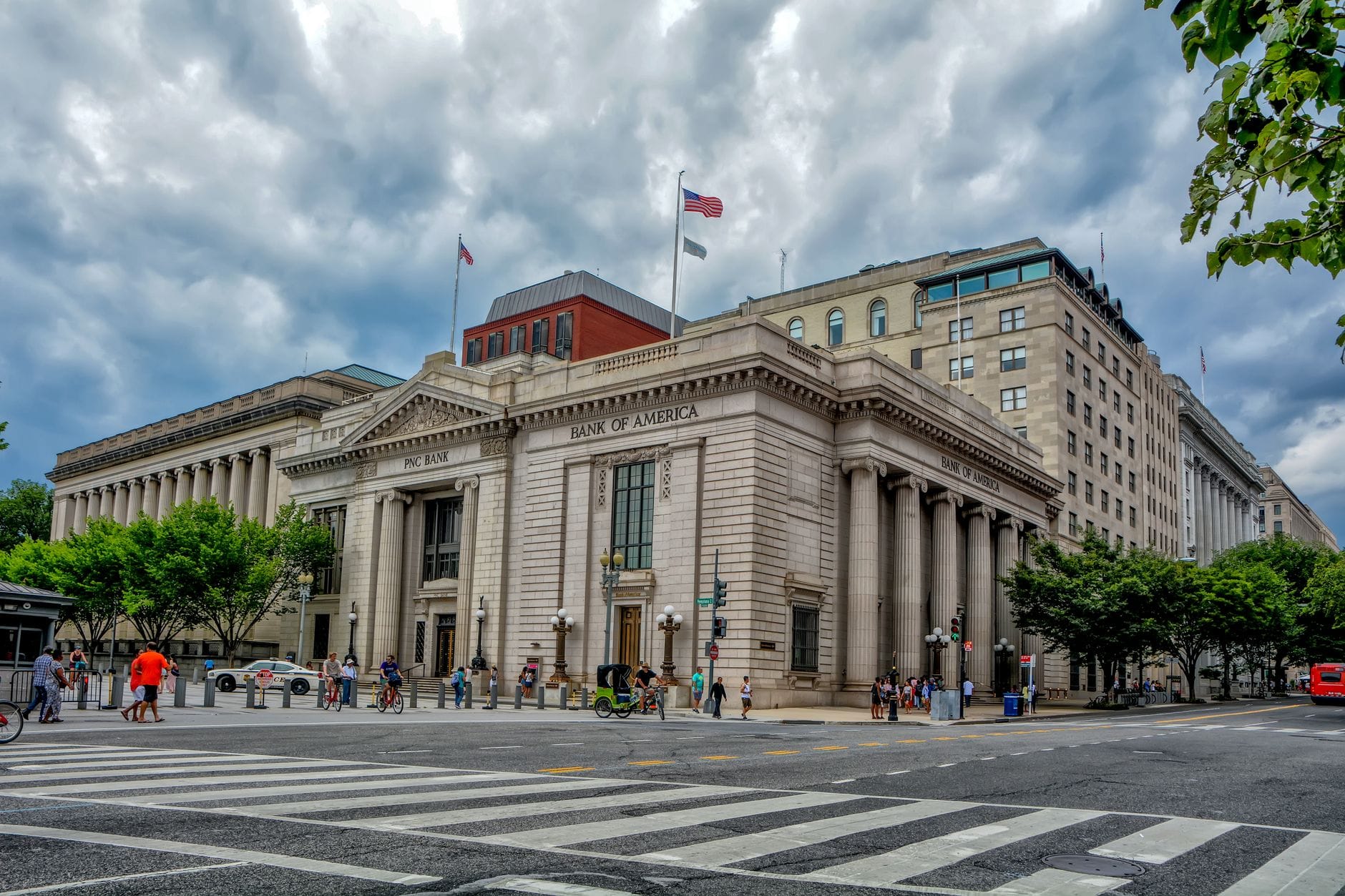
Stamford, Connecticut, Source : At 4:00 p.m. EDT on August 20, 2026, the Federal Reserve Board approved National Westminster Bank Plc's application to establish a representative office in Stamford, Connecticut. For the London-based bank, the decision marks a significant milestone. The regulatory check is complete. The next phase of its U.S. strategy can now begin.
What does this type of office actually do? How does Stamford fit into the plan? The answers reveal a lot about how international banks approach the U.S. market.
National Westminster Bank Plc operates as part of NatWest Group plc, one of the largest banking groups in the United Kingdom. Its history is tied to decades of British financial consolidation, and today it serves retail, commercial, and institutional clients mainly in the UK and Europe. The Federal Reserve application is part of a broader effort by international banks to create a regulated physical presence in U.S. financial centers.
Under Federal Reserve Regulation K, a representative office has a focused scope. It can handle liaison work, develop business relationships, support clients, and communicate the bank's services. It can also coordinate with U.S.-based customers and correspondents. Deposit taking and loan approvals sit outside its mandate. This focused design is common for foreign banks that want to build relationships before expanding further.
Stamford itself is a logical location. The city has become a recognized financial services hub in Fairfield County, with a dense group of asset managers, hedge funds, corporate treasuries, and professional service firms. It sits close to the New York metropolitan area, offers convenient rail access, and has an office market that suits financial institutions. For NatWest, a Stamford office can serve as a localized client-facing hub.
The Federal Reserve's review of foreign banking applications covers statutory factors such as financial strength, the quality of home-country supervision, and the potential impact on U.S. financial stability and competition. NatWest passed that review. The approval also highlights the value of cross-border supervisory cooperation, especially between UK authorities and U.S. regulators.
This decision fits a wider pattern. Many international lenders see representative offices as a measured way to enter or expand in the United States, particularly for banks that serve corporate and institutional clients. A representative office provides a physical link to the market and keeps the risk profile limited. For NatWest, it is a practical step that aligns with its broader client-facing strategy.
The Federal Reserve's press release focused on the approval itself. Specific details, including an opening date, staffing numbers, and a street address, will come in later announcements. For now, the important point is that NatWest has cleared the formal regulatory requirement and can move forward with operational planning.
For anyone following international banking and financial regulation, this approval is a clear example of how foreign banks are building their U.S. presence. Cross-border banking and capital flows continue to grow, and transatlantic financial integration is taking shape at the office level. One representative office in Connecticut may seem small. It can also point to a bank's long-term direction.
Related in Finance

Finance
American Household Debt Crisis: Why Rising Incomes Hide a Growing Financial Trap
The Federal Reserve Board dropped a major economic report on October 9, 2026. This document comes from the 2025 Survey of Consumer Finances. It offers a detailed look at how American families are managing their money. The survey happens every three years. It tracks ownership bor…
Read More...
Finance
Fed Fines American Express: What This AML Enforcement Means for Your Financial Security
The Federal Reserve Board has taken decisive action against American Express Company, citing serious deficiencies in the financial giant's ability to detect and report suspicious activities linked to money laundering. This regulatory move underscores the increasing scrutiny plac…
Read More...
Finance
Fed Minutes Sept 2026: What the FOMC Revealed About Your Money
The Federal Open Market Committee shared its September 15–16, 2026 meeting minutes on October 7, 2026. These documents offer a detailed look at the economic conditions that shaped policy decisions. They provide critical insights into the monetary trajectory for the United States…
Read More...
Finance
Isabella Bank Acquires Grand River Commerce: What This Michigan Deal Means for Local Banking
The Federal Reserve Board has officially cleared the path for Isabella Bank Corporation to acquire Grand River Commerce, Inc. and its subsidiary, Grand River Bank. Announced on October 5, 2026, this approval marks a significant consolidation event within Michigan's financial sec…
Read More...
Finance
Fleur Capital Acquires Simmesport State Bank: What This Means for Louisiana Banking
The Federal Reserve Board has officially cleared the path for Fleur Capital Corporation to take over Simmesport State Bank. Both institutions call Simmesport, Louisiana home, making this a significant consolidation within the state's regional banking sector. The announcement cam…
Read More...
Finance
Fed Stress Test Rules: How New Transparency Cuts Capital Volatility by 50%
The Federal Reserve Board has officially finalized significant changes to its supervisory stress testing framework. This move marks a pivotal shift toward greater transparency and public accountability while reducing volatility in capital requirements for large banks. Announced…
Read More...
Finance
15 Major Banks Pass Critical Stress Test: What This Means for Financial Stability
The Federal Deposit Insurance Corporation and the Federal Reserve Board have released their latest feedback letters on September 29, 2026. These documents address resolution plans from 15 major banking organizations. The review focused on entities holding more than $250 billion…
Read More...
Finance
Peoples Bancorp and Citizens National Merge: A Strategic Expansion Across State Lines
The Federal Reserve Board has officially announced its approval of a significant banking consolidation, marking a pivotal moment for regional financial institutions in the Ohio and Kentucky regions. On September 25, 2026, the Board granted permission for Peoples Bancorp Inc., he…
Read More...
Finance
Fed's New Stablecoin Rules: What the GENIUS Act Means for Your Digital Wallet
The Federal Reserve has just taken a major step forward in bringing digital assets into the mainstream financial system. By releasing two new proposals under the GENIUS Act framework, they are asking for public feedback on how to regulate payment stablecoins. This move signals t…
Read More...
Finance
BancFirst and Spirit BankCorp: What This Federal Reserve Approval Means for Oklahoma Banking
The Federal Reserve Board has officially announced its approval of a significant banking consolidation within the state of Oklahoma, marking a pivotal moment for regional financial services. On Tuesday, September 22, 2026, the Board confirmed its acceptance of the application su…
Read More...