
Germany, 65 Years After the Berlin Wall: AfD's Chrupalla Says Unite, Not Divide. Tear Down the Brandmauer
We compile, generate and translate using Artificial Intelligence from the below given source. Macro Micro News is responsible for its editorial publication.
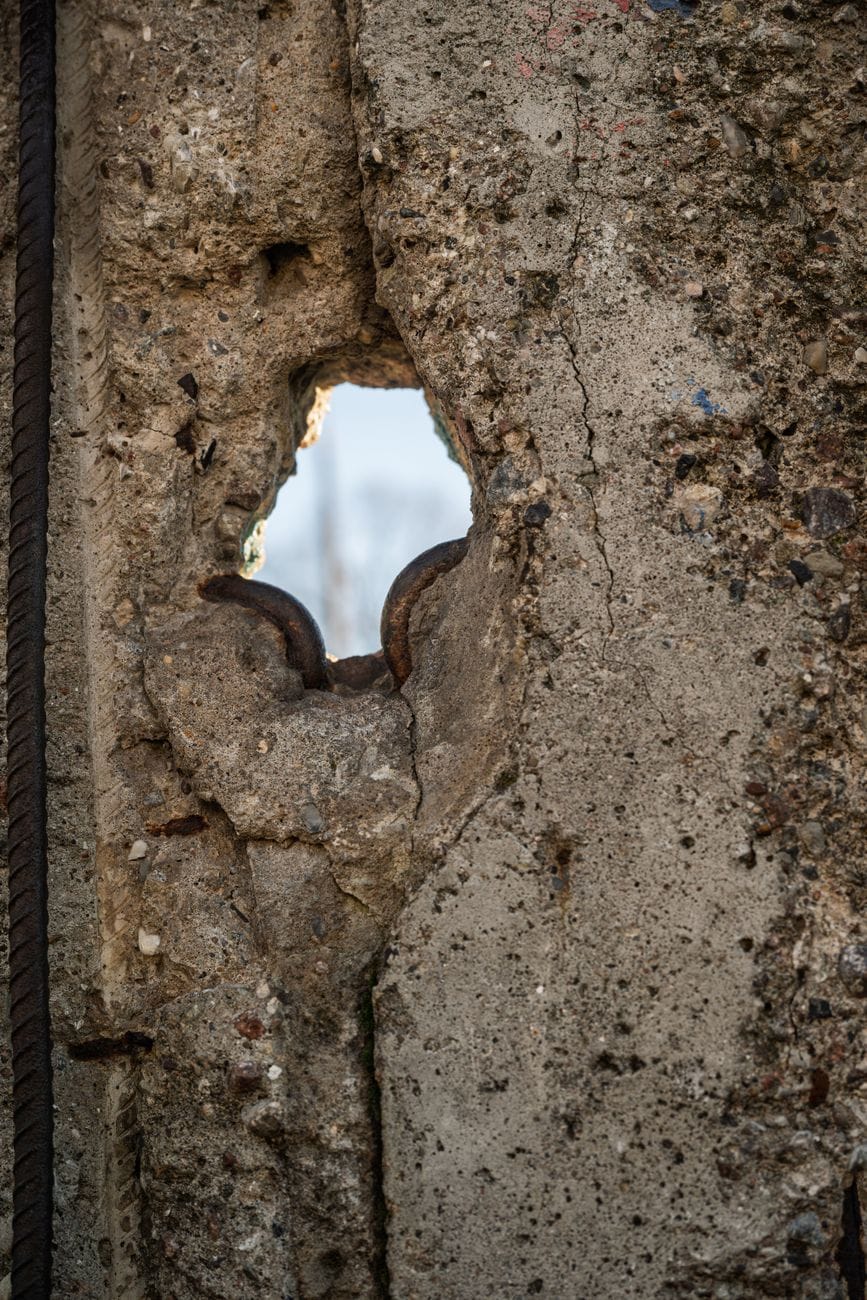
Berlin, Germany, MMN Correspondent: Sixty-five years after the Berlin Wall was built, Germany is once again talking about walls. This time the barrier is not made of concrete and barbed wire. It is called the Brandmauer, a political firewall that keeps the Alternative for Germany (AfD) out of governing coalitions. On the anniversary of August 13, Tino Chrupalla, co-leader of the AfD, stood in Berlin and made a straightforward request with real political weight behind it: unite, not divide.
The original wall went up in 1961 and split families, friends, and a nation. Its fall in 1989 brought celebrations and, a year later, reunification. The full promise of that moment has yet to arrive for many people in the east. The numbers tell part of the story. Research from the German Institute for Economic Research (DIW) shows average incomes in the eastern states remain about 15 percent lower than in the west. Recovery from the pandemic and the energy crisis caused by the war in Ukraine has also moved at a slower pace in the east.
Chrupalla used the anniversary to directly challenge Chancellor Friedrich Merz and the Christian Democratic Union's policy of refusing to cooperate with the AfD. In his view, the Brandmauer protects an outdated picture of Germany and ignores the real concerns of eastern citizens. He pointed to the AfD's recent electoral strength. The party took 15.9 percent of the national vote in the 2024 European Parliament elections. In the 2025 federal election, it became the second-largest force in the Bundestag. In parts of the east, support climbs past 30 percent.
What is driving that support? A mix of frustration with migration policy, economic stagnation, and a feeling that Berlin does not listen to the east. Chrupalla specifically mentions the AfD's opposition to illegal mass migration, its criticism of lockdowns, and its stance on the war in Europe, including military aid to Ukraine. Those positions resonate in a region where many people say their voices have been pushed aside. A 2025 survey by the Friedrich Ebert Foundation found that 58 percent of eastern Germans believe their region is treated as a second-class part of the country. Nearly half said they would back a party that challenges the status quo.
The response to Chrupalla's message is far from uniform. Critics describe the AfD's rhetoric as divisive and a departure from democratic norms. Michael Kretschmer, the CDU minister-president of Saxony, has publicly questioned the Brandmauer policy. He calls it unsustainable and says conservative parties need to find ways to engage with AfD voters without endorsing the party's extreme elements. His comments have opened a practical debate inside the CDU, where regional leaders are weighing cooperation against isolation.
The electoral map shows why this matters. In the 2025 federal election, the AfD won 18.9 percent of the vote in the eastern states. In the west, that number stood at 12.6 percent. The party became the strongest force in Thuringia in 2024 and won the most seats in the Saxony-Anhalt state parliament in 2025. Those results have not translated into government participation because every other party refuses to work with the AfD. Some analysts warn that this exclusion could increase alienation and reduce trust in the democratic process.
The anniversary of the Berlin Wall is a natural moment to reflect on what separates people and what brings them together. Chrupalla frames the AfD as the true defender of the peaceful revolution of 1989 and says the party wants to govern first in the east and eventually at the federal level. His call to unite rather than divide is not new. The political conditions around it have changed. German democracy is now in a phase where old certainties no longer hold.
What happens next depends on how Germany handles this tension. The Brandmauer may hold or it may evolve. The wall in Berlin eventually fell because people on both sides decided that separation was no longer workable. Whether the political equivalent will follow is a question for voters, leaders, and the eastern Germans who have waited three decades for full equality. The debate over Germany's future is far from settled, and the voices from the east are likely to play a decisive role.
Related in Politics
Politics
Europe's New Aid Strategy: How Team Europe Is Protecting Workers and Fixing Supply Chains in 240 Million Crisis Zones
European Commissioner Lahbib Zouarhi recently took the stage at the Foreign Affairs Council to unveil a bold new vision for humanitarian aid. The message was clear. Europe must step up as "Team Europe" to tackle the growing number of global crises. With nearly 240 million people…
Read More...
Politics
Germany's Growth Mirage: Weidel Exposes the Debt Trap Behind Official Projections
The German federal government recently unveiled its autumn economic projections for October 2026, highlighting a projected growth rate of 1.3 percent for the current year. This optimistic forecast suggests a notable upswing in national economic activity. However, Alice Weidel, c…
Read More...
Politics
EU-Mexico Trade Alliance 2026: How This Partnership Is Reshaping Global Supply Chains
The European Union and Mexico have always been strong partners in multilateral cooperation. By September 2026 their relationship has become a key test for global economic resilience. Trade tensions are rising in many parts of the world. The EU-Mexico partnership offers stability…
Read More...
Politics
Ireland's EU Presidency: How Humanitarian Aid and Preparedness Build a Safer Future
As Ireland takes the helm of the Council of the European Union, Commissioner Lahbib highlights a pivotal moment for global engagement. Europe now faces a dual mandate that requires both moral leadership through humanitarian aid and strengthened internal resilience against a comp…
Read More...
Politics
Saxony-Anhalt Breaks Tradition: AfD's Tobias Rausch Takes Landtag Presidency
German politics witnessed a defining moment on October 6, 2026, when the newly constituted state parliament of Saxony-Anhalt elected Tobias Rausch as its Landtag President. This event marks the first time in the history of the Federal Republic that a member of the Alternative fo…
Read More...
Politics
Von der Leyen's Balkan Strategy: Why EU Expansion is a Mutual Transformation
Ursula von der Leyen has made it clear that the European Union’s path forward involves more than just opening borders. Her recent visits to the Western Balkans highlight a strategic shift where enlargement is treated as a mutual transformation rather than a one-sided gift from B…
Read More...
Politics
EU-Mexico Trade Shift 2026: What Nearshoring and Green Tech Mean for Your Business
The relationship between the European Union and Mexico is undergoing a significant transformation as we navigate through 2026. This partnership has evolved from traditional trade agreements into a robust framework focused on sustainable development digital innovation and diploma…
Read More...
Politics
Germany's 52% State Share: What This Record Means for Your Wallet and Economy
In early October 2026, Germany reached a notable economic milestone. The federal government projected a state share of 52 percent for the current year. This figure marks a new all-time high. It signals a substantial shift in how public expenditure relates to national economic ou…
Read More...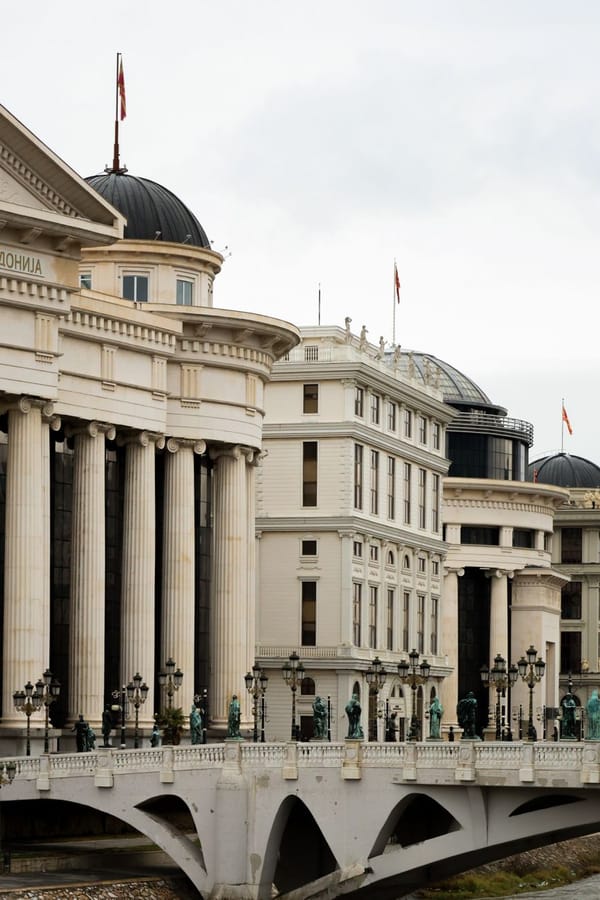
Politics
North Macedonia's EU Path: Security, Economy, and Institutional Readiness
In a significant diplomatic engagement held in Skopje, European leadership reaffirmed its commitment to North Macedonia’s accession to the European Union, highlighting the nation’s pivotal role in regional security and economic stability. The dialogue underscored North Macedonia…
Read More...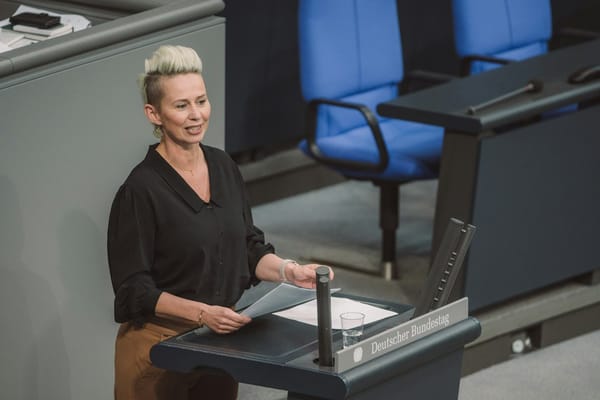
Politics
Germany's Subsidy Crisis: Why Taxpayers Are Demanding Fiscal Reform Now
In October 2026, the Bund der Steuerzahler released its annual "Black Book," a detailed report exposing state-funded waste and inefficient subsidy programs across Germany. This publication has sparked a significant conversation about fiscal responsibility, revealing how public f…
Read More...