
Germany's Political Crossroads: AfD Challenges Merz on Federal Power and Party Bans
We compile, generate and translate using Artificial Intelligence from the below given source. Macro Micro News is responsible for its editorial publication.
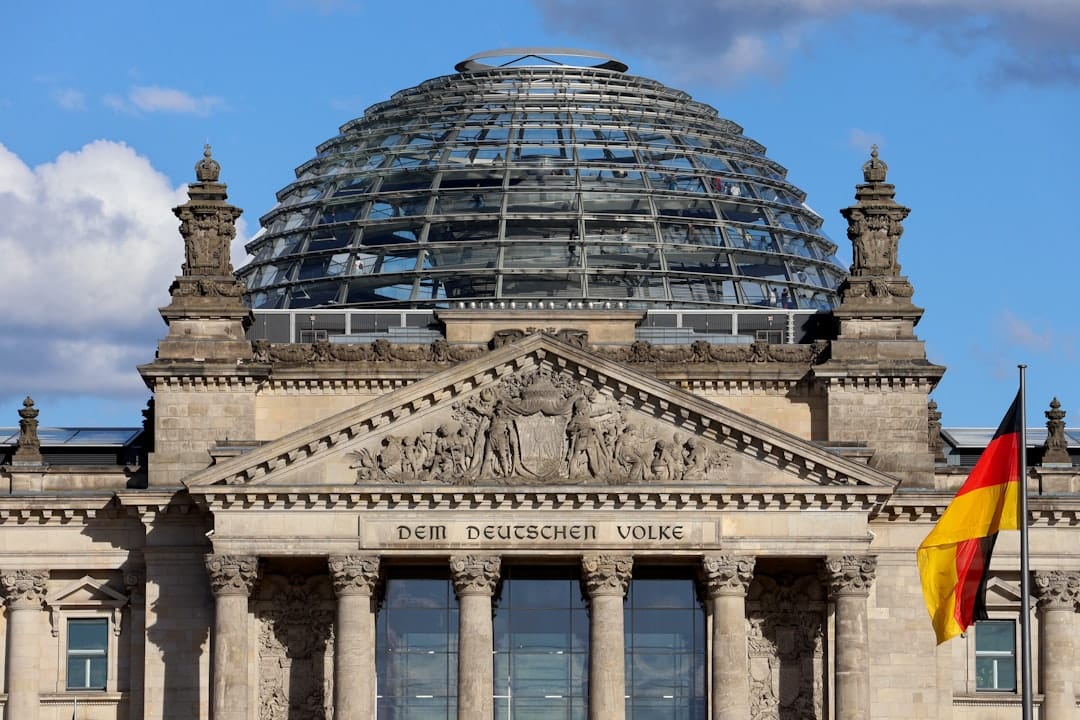
Berlin, Germany, Source:
A significant shift in the political landscape of Germany has unfolded following recent state elections. Stefan Möller, serving as the Deputy Federal Spokesperson for the Alternative for Germany (AfD), has responded to statements made by Chancellor Friedrich Merz. The discussion centers on the aftermath of the Saxony-Anhalt elections, where the AfD achieved a notable victory. In response, Chancellor Merz reportedly discussed the potential use of 'Bundeszwang'. This constitutional tool allows the federal government to intervene in a state that fails to meet its duties. Additionally, comparisons were drawn regarding migration policies.
Möller released his statement on September 9, 2026. He described the reactions from the federal government as an attempt to consolidate power. His argument suggests that threatening federal coercion against a democratically elected state government overlooks the will of the voters. He also addressed the rhetoric used by critics who compare deportation measures to historical atrocities. Möller posits that such comparisons may serve to delegitimize political opposition rather than foster constructive debate.
The core of this discourse revolves around democratic legitimacy. Möller asserts that when political opponents define the boundaries of acceptable discourse, they risk undermining representative governance. By labeling lawful policy proposals as morally equivalent to extreme acts, critics may create an environment where dissent is suppressed under the guise of protecting democratic values. This perspective highlights the tension between maintaining order and preserving political pluralism.
The concept of Bundeszwang is rarely invoked in modern German politics. It is typically reserved for cases of severe administrative failure. Its mention in the context of a political disagreement marks a departure from standard practice. Meanwhile, debates over banning political parties raise fundamental questions about free speech and institutional resilience. As the federal government navigates these complexities, the dialogue between Berlin and the states continues to evolve. These developments set the stage for ongoing legal and political discussions in the months ahead.
Related in Politics
Politics
Europe's New Aid Strategy: How Team Europe Is Protecting Workers and Fixing Supply Chains in 240 Million Crisis Zones
European Commissioner Lahbib Zouarhi recently took the stage at the Foreign Affairs Council to unveil a bold new vision for humanitarian aid. The message was clear. Europe must step up as "Team Europe" to tackle the growing number of global crises. With nearly 240 million people…
Read More...
Politics
Germany's Growth Mirage: Weidel Exposes the Debt Trap Behind Official Projections
The German federal government recently unveiled its autumn economic projections for October 2026, highlighting a projected growth rate of 1.3 percent for the current year. This optimistic forecast suggests a notable upswing in national economic activity. However, Alice Weidel, c…
Read More...
Politics
EU-Mexico Trade Alliance 2026: How This Partnership Is Reshaping Global Supply Chains
The European Union and Mexico have always been strong partners in multilateral cooperation. By September 2026 their relationship has become a key test for global economic resilience. Trade tensions are rising in many parts of the world. The EU-Mexico partnership offers stability…
Read More...
Politics
Ireland's EU Presidency: How Humanitarian Aid and Preparedness Build a Safer Future
As Ireland takes the helm of the Council of the European Union, Commissioner Lahbib highlights a pivotal moment for global engagement. Europe now faces a dual mandate that requires both moral leadership through humanitarian aid and strengthened internal resilience against a comp…
Read More...
Politics
Saxony-Anhalt Breaks Tradition: AfD's Tobias Rausch Takes Landtag Presidency
German politics witnessed a defining moment on October 6, 2026, when the newly constituted state parliament of Saxony-Anhalt elected Tobias Rausch as its Landtag President. This event marks the first time in the history of the Federal Republic that a member of the Alternative fo…
Read More...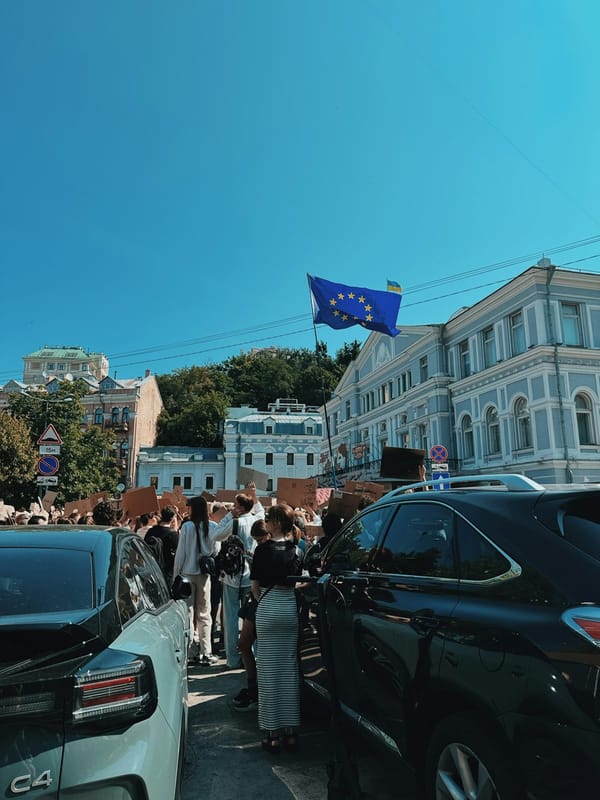
Politics
Von der Leyen's Balkan Strategy: Why EU Expansion is a Mutual Transformation
Ursula von der Leyen has made it clear that the European Union’s path forward involves more than just opening borders. Her recent visits to the Western Balkans highlight a strategic shift where enlargement is treated as a mutual transformation rather than a one-sided gift from B…
Read More...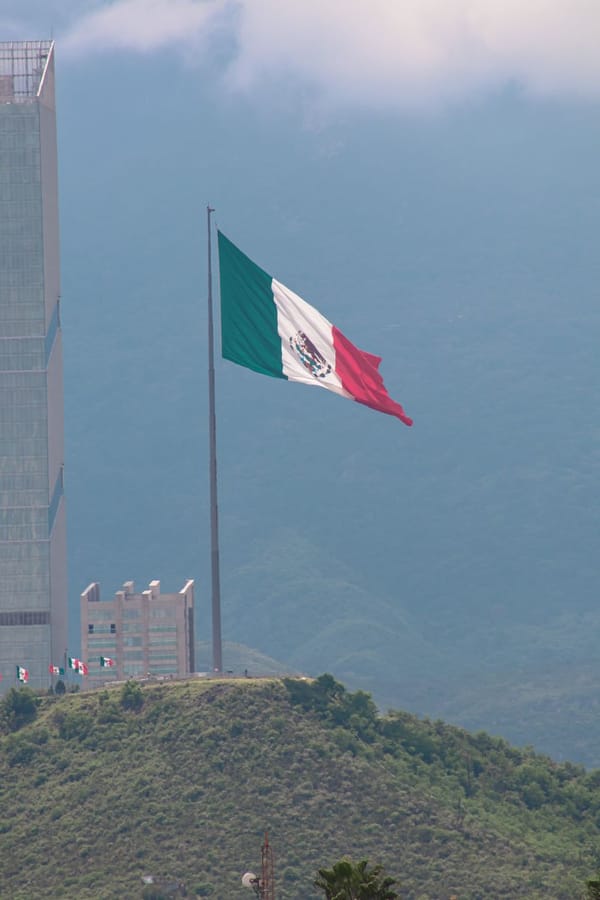
Politics
EU-Mexico Trade Shift 2026: What Nearshoring and Green Tech Mean for Your Business
The relationship between the European Union and Mexico is undergoing a significant transformation as we navigate through 2026. This partnership has evolved from traditional trade agreements into a robust framework focused on sustainable development digital innovation and diploma…
Read More...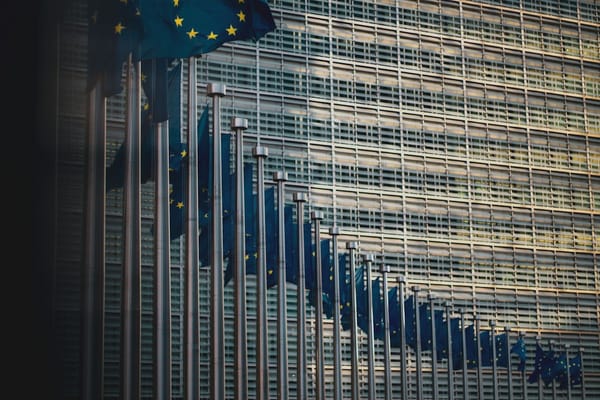
Politics
Germany's 52% State Share: What This Record Means for Your Wallet and Economy
In early October 2026, Germany reached a notable economic milestone. The federal government projected a state share of 52 percent for the current year. This figure marks a new all-time high. It signals a substantial shift in how public expenditure relates to national economic ou…
Read More...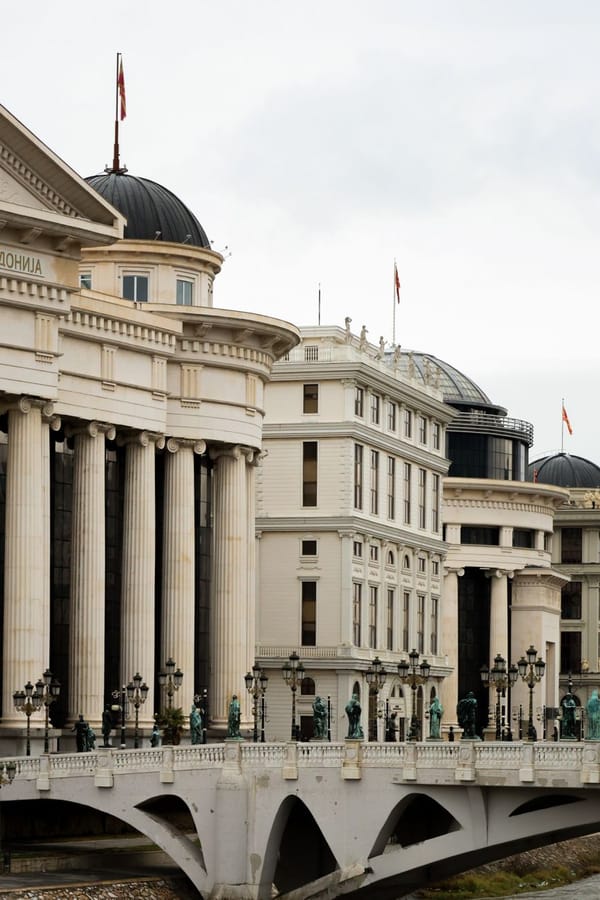
Politics
North Macedonia's EU Path: Security, Economy, and Institutional Readiness
In a significant diplomatic engagement held in Skopje, European leadership reaffirmed its commitment to North Macedonia’s accession to the European Union, highlighting the nation’s pivotal role in regional security and economic stability. The dialogue underscored North Macedonia…
Read More...
Politics
Germany's Subsidy Crisis: Why Taxpayers Are Demanding Fiscal Reform Now
In October 2026, the Bund der Steuerzahler released its annual "Black Book," a detailed report exposing state-funded waste and inefficient subsidy programs across Germany. This publication has sparked a significant conversation about fiscal responsibility, revealing how public f…
Read More...