
How Heart Rate Zones Determine Victory in Kick Light: A 2026 Physiological Breakdown
We compile, generate and translate using Artificial Intelligence from the below given source. Macro Micro News is responsible for its editorial publication.
Global, Source:
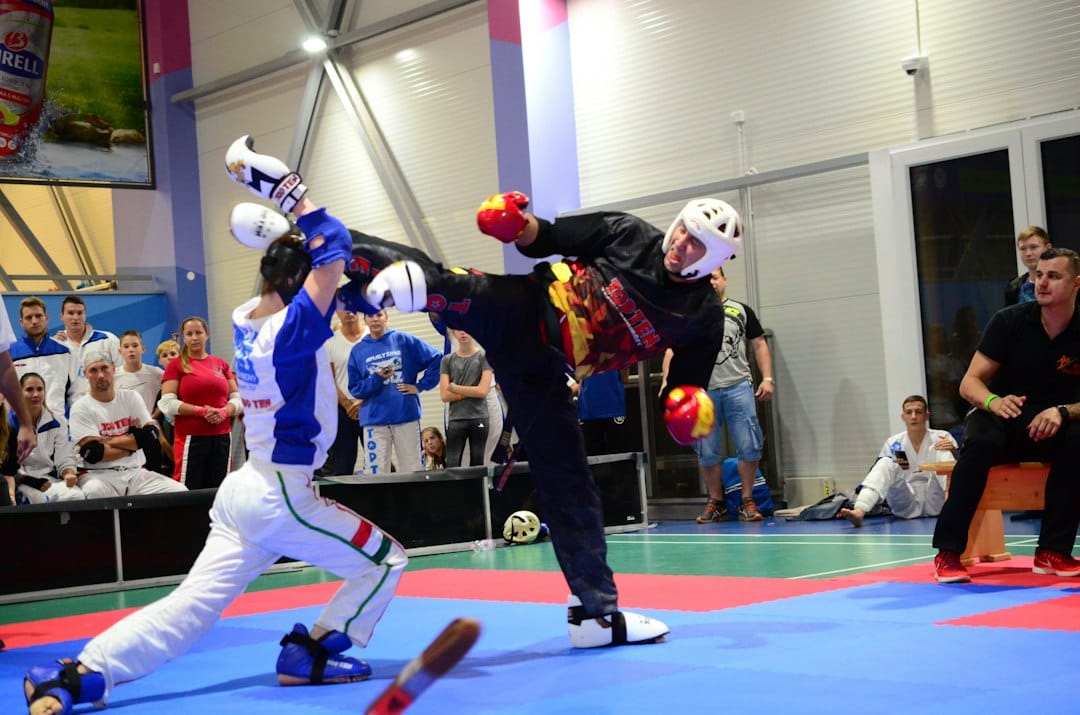
Kickboxing has transformed from a niche martial art into a globally recognized Olympic discipline. Yet the specific physiological demands of its technical sub-styles remain underexplored. A groundbreaking exploratory study published in September 2026 sheds light on the cardiovascular realities of Kick Light (KL). This WAKO-sanctioned tatami discipline prioritizes precision and controlled contact over brute force. Unlike ring-style kickboxing KL athletes face unique metabolic challenges during single-day tournaments where they may compete in multiple bouts. These events require exceptional aerobic endurance and rapid recovery capabilities.
Researchers investigated eight university-level KL athletes to understand these demands. They measured maximal oxygen consumption (VO2max) and ventilatory thresholds (VT1 and VT2) through incremental treadmill tests before monitoring heart rate responses during an official national championship. The findings reveal a stark contrast between perceived effort and actual physiological load. While KL emphasizes technique the competition intensity is far from moderate. During the first round athletes spent approximately 53% of their time in Zone 2 between the first and second ventilatory thresholds. Crucially 35% of the bout was already spent above VT2 the threshold marking the onset of heavy metabolic stress.
The physiological demand escalates dramatically in subsequent rounds. By the second round the proportion of time spent above VT2 surged to over 55%. There was minimal time spent below the first threshold. This shift indicates that as fatigue accumulates athletes are forced to operate at intensities that challenge their anaerobic capacity even in a sport defined by control. The study found a strong inverse correlation between VO2max and mean competition heart rate. Athletes with higher aerobic power experience less cardiovascular strain during bouts. Superior aerobic fitness allows KL competitors to maintain technical precision while keeping their heart rates lower relative to their maximum potential.
These insights challenge traditional training models that rely on generic heart rate zones based on age-predicted maximums. The data supports individualized training prescriptions grounded in ventilatory thresholds. For coaches and athletes the message is clear. Developing tolerance for high-intensity efforts above VT2 and improving heart rate recovery between rounds are critical for success in modern Kick Light competitions. As the sport gains Olympic traction evidence-based training strategies that mirror these specific physiological demands will become essential for competitive advantage.
Related in Sport
Sport
How Night Games Disrupt Baseball Sleep: The GDL Metric Explained
In the high-stakes arena of professional sports, we often focus on physical training and raw talent. Yet a recent cross-sectional study involving Japanese professional baseball players reveals that scheduling logistics play a critical role in athlete well-being. The research int…
Read More...
Sport
Hungary Study: How Coach-Athlete Bonds Build Confidence and Mental Health
Mental health stands as a vital pillar of athletic achievement, yet it often remains in the shadows compared to physical training. Athletes navigate intense pressure from performance expectations, injury risks, and career instability, which can increase vulnerability to anxiety…
Read More...
Sport
Sedentary Habits vs. Athletic Recovery: New Insights into Sleep Quality in Young Men
A recent exploratory study published in September 2026 by researchers from the University of Cassino and Lazio Meridionale has shed new light on the relationship between physical activity, sedentary behavior, and sleep quality among young adult males. The research specifically c…
Read More...
Sport
How 500mg of Citrus Extract Boosts Jump Height and Strength in Female Basketball Players
In the competitive arena of women's basketball, athletes constantly search for marginal gains that can tip the scales. A recent investigation published in September 2026 by researchers from the Universidad de León and Universidad Isabel I offers a compelling look at one such str…
Read More...
Sport
Campania Schools: How 10-Minute Movement Breaks Transform Student Focus
Teenagers today face a unique challenge. Digital distractions and sedentary habits are becoming the norm, making it harder for students to maintain focus in class. A recent study from Southern Italy offers a straightforward solution that might just change how we view classroom b…
Read More...
Sport
Brazilian Women's Football: The Exact Physical Shifts From U14 to Pro That Define Success
The path from youth academy to professional football is often imagined as a straight line of steady athletic growth. New research into Brazilian women’s football suggests the reality is far more complex. A comprehensive study involving 119 outfield players across Under-14, Under…
Read More...
Sport
Youth Football Talent: Why Dual-Task Testing Reveals the Real Difference in Player Performance
Football scouts often focus heavily on physical metrics and technical drills. They look for speed, agility, and precise ball control. Yet a recent study published in Sports (MDPI) suggests that the true marker of elite potential lies elsewhere. It is not just about what players…
Read More...
Sport
Sled Sprint Training: Why Distance, Load, and Surface Dictate Your Speed Gains
Resisted sled sprint training has long been a cornerstone for elite athletes looking to sharpen their explosive power. From track sprinters refining their block clearance to rugby players building raw strength, the practice is ubiquitous. Yet a comprehensive systematic review an…
Read More...
Sport
Can Expectation Extend Your Cycling Endurance? The 1.6% Caffeine Placebo Data Every Rider Needs
[Extracted Location], Source : Sports science continues to explore how mental expectations shape physical output. Caffeine remains a staple among endurance athletes seeking reliable performance support. Riders across cycling disciplines regularly incorporate this compound into t…
Read More...
Sport
Your Mind on the Pitch: 4 Mental Resilience Shifts Every Woman in Soccer Needs Now
The modern women’s soccer landscape continues to evolve at an impressive pace, bringing global visibility and elevated performance standards to every level of play. As athletes step onto increasingly demanding stages, a fascinating shift occurs behind the scenes. Psychological w…
Read More...