
How Strategic Movement Reshapes Your Child’s ADHD Brain: 4 Science Backed Steps to Build Lasting Cognitive Flexibility
We compile, generate and translate using Artificial Intelligence from the below given source. Macro Micro News is responsible for its editorial publication.

[Location of the news], Source :
Have you ever noticed how your child’s mind seems to light up after a good run or a lively game of tag? Growing bodies and developing brains share a remarkable partnership, especially when it comes to nurturing mental agility. Attention Deficit Hyperactivity Disorder touches millions of young learners around the globe, shaping how they navigate classrooms, friendships, and everyday adventures. At the heart of this journey lies cognitive flexibility, that wonderful mental muscle that helps kids shift perspectives, adapt to new rules, and approach problems with fresh eyes. When we explore the intersection of movement and learning, a clear pattern emerges. Physical activity acts as a natural catalyst, gently guiding the brain toward greater adaptability and sharper focus.
What exactly happens inside the mind during consistent exercise? Research points to a beautiful cascade of biological responses. Regular movement encourages the production of brain derived neurotrophic factor, which nourishes growing neural connections. Cerebral blood flow increases, delivering oxygen and nutrients exactly where they are needed most. Dopamine and norepinephrine pathways settle into harmonious rhythms, supporting the prefrontal cortex and basal ganglia. These regions serve as the command centers for executive control and adaptive decision making. Large scale studies spanning multiple countries consistently show that structured movement programs enhance task switching efficiency and rule adaptation accuracy. The data paints a clear picture of how motion fuels mental readiness.
How do we translate these findings into daily practice? Duration and cognitive engagement stand out as key ingredients for lasting results. A single bout of aerobic activity often brings a quick spark of improved processing speed. Multi week programs cultivate broader and more enduring gains. Activities that blend physical challenges with mental demands create the richest learning environments. Team sports requiring quick tactical shifts, table tennis demanding precise reflexes, interactive video platforms encouraging strategic planning, and specialized balance routines all invite children to monitor surroundings, pause automatic reactions, and pivot strategies smoothly. These dynamic experiences train the very neural circuits that thrive on variety and purposeful challenge.
Another fascinating layer involves the relationship between movement and rest. Children who embrace regular physical activity often experience smoother sleep patterns and more consistent circadian rhythms. Quality rest creates a fertile ground for memory consolidation and neural recovery. Educational teams and healthcare providers can weave these insights into everyday schedules by introducing diverse, perceptually rich movement options. Moving beyond repetitive drills opens doors to creative exploration and sustained engagement. As researchers continue to map optimal dosing and modality preferences, physical activity remains a safe, accessible, and highly adaptable companion for nurturing cognitive resilience. The path forward invites families to view movement not just as exercise, but as a powerful tool for building lifelong mental agility.
Related in Sport

Sport
How Night Games Disrupt Baseball Sleep: The GDL Metric Explained
In the high-stakes arena of professional sports, we often focus on physical training and raw talent. Yet a recent cross-sectional study involving Japanese professional baseball players reveals that scheduling logistics play a critical role in athlete well-being. The research int…
Read More...
Sport
Hungary Study: How Coach-Athlete Bonds Build Confidence and Mental Health
Mental health stands as a vital pillar of athletic achievement, yet it often remains in the shadows compared to physical training. Athletes navigate intense pressure from performance expectations, injury risks, and career instability, which can increase vulnerability to anxiety…
Read More...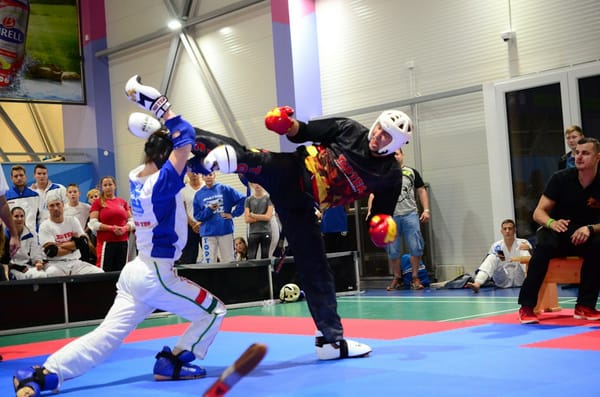
Sport
How Heart Rate Zones Determine Victory in Kick Light: A 2026 Physiological Breakdown
Kickboxing has transformed from a niche martial art into a globally recognized Olympic discipline. Yet the specific physiological demands of its technical sub-styles remain underexplored. A groundbreaking exploratory study published in September 2026 sheds light on the cardiovas…
Read More...
Sport
Sedentary Habits vs. Athletic Recovery: New Insights into Sleep Quality in Young Men
A recent exploratory study published in September 2026 by researchers from the University of Cassino and Lazio Meridionale has shed new light on the relationship between physical activity, sedentary behavior, and sleep quality among young adult males. The research specifically c…
Read More...
Sport
How 500mg of Citrus Extract Boosts Jump Height and Strength in Female Basketball Players
In the competitive arena of women's basketball, athletes constantly search for marginal gains that can tip the scales. A recent investigation published in September 2026 by researchers from the Universidad de León and Universidad Isabel I offers a compelling look at one such str…
Read More...
Sport
Campania Schools: How 10-Minute Movement Breaks Transform Student Focus
Teenagers today face a unique challenge. Digital distractions and sedentary habits are becoming the norm, making it harder for students to maintain focus in class. A recent study from Southern Italy offers a straightforward solution that might just change how we view classroom b…
Read More...
Sport
Brazilian Women's Football: The Exact Physical Shifts From U14 to Pro That Define Success
The path from youth academy to professional football is often imagined as a straight line of steady athletic growth. New research into Brazilian women’s football suggests the reality is far more complex. A comprehensive study involving 119 outfield players across Under-14, Under…
Read More...
Sport
Youth Football Talent: Why Dual-Task Testing Reveals the Real Difference in Player Performance
Football scouts often focus heavily on physical metrics and technical drills. They look for speed, agility, and precise ball control. Yet a recent study published in Sports (MDPI) suggests that the true marker of elite potential lies elsewhere. It is not just about what players…
Read More...
Sport
Sled Sprint Training: Why Distance, Load, and Surface Dictate Your Speed Gains
Resisted sled sprint training has long been a cornerstone for elite athletes looking to sharpen their explosive power. From track sprinters refining their block clearance to rugby players building raw strength, the practice is ubiquitous. Yet a comprehensive systematic review an…
Read More...
Sport
Can Expectation Extend Your Cycling Endurance? The 1.6% Caffeine Placebo Data Every Rider Needs
[Extracted Location], Source : Sports science continues to explore how mental expectations shape physical output. Caffeine remains a staple among endurance athletes seeking reliable performance support. Riders across cycling disciplines regularly incorporate this compound into t…
Read More...