
How You Can Map Your U10 Tennis Player’s True Potential: 10-Metric Profiling That Reveals Early Success
We compile, generate and translate using Artificial Intelligence from the below given source. Macro Micro News is responsible for its editorial publication.
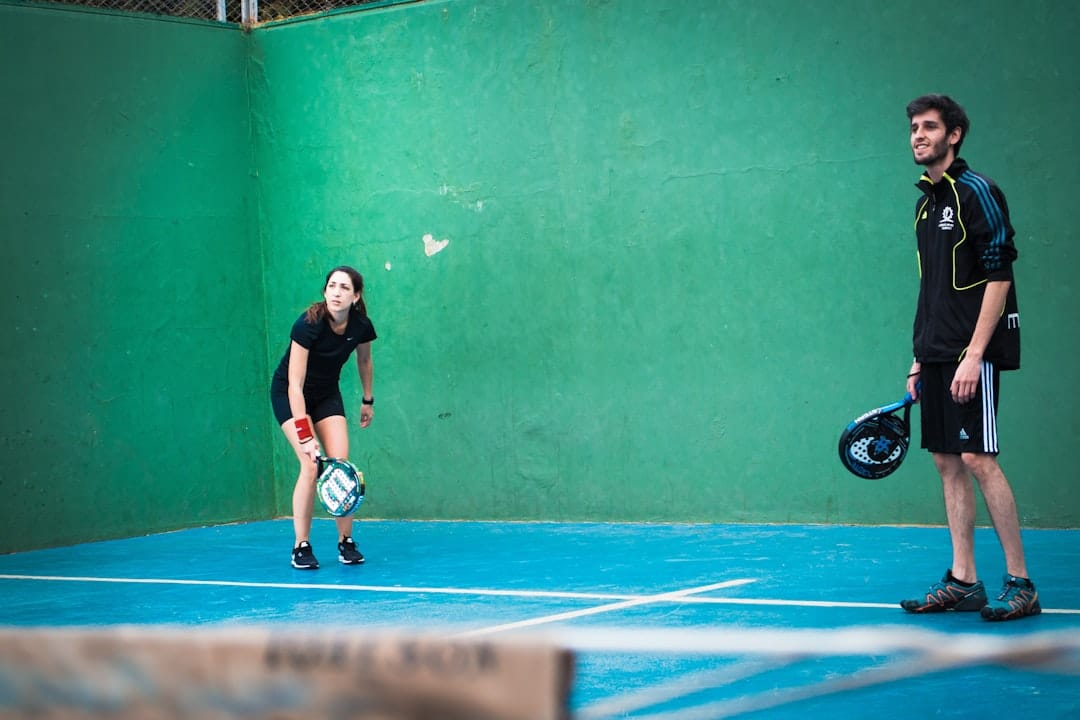
Budapest, Hungary, Source : Begin the article immediately in the same line. What does it truly take to spot the next generation of tennis champions before they even reach their teenage years? A recent investigation into U10 athletes offers a fresh perspective on youth development. Researchers examined performance records from 113 young competitors within the Hungarian Tennis Federation program. The team deployed a comprehensive suite of ten distinct evaluations covering technical execution, physical motor skills, and cognitive reaction speeds. This multi-layered approach expands traditional scouting methods and opens a window into the complete athletic profile of each child.
The analytical process applied principal component analysis alongside k-means clustering to map the data landscape. The results naturally organized the participants into two clear performance groups. One group featured forty-eight athletes while the other contained sixty-five. The distinction emerged across multiple dimensions, capturing a full spectrum of athletic traits. Upper body explosive power showed the strongest differentiation, closely followed by technical stroke execution and straight-line sprint speed. Coaches can now view these metrics as interconnected building blocks. Tracking how strength, coordination, and technique interact provides a richer understanding of each player’s current capabilities.
Biological maturation and chronological age play familiar roles in youth sports, adding valuable nuance to ongoing conversations. Older players naturally appeared more frequently in the advanced cluster, aligning with typical developmental patterns. Age-adjusted sensitivity testing confirms that maturity works alongside other factors to shape group placement. The cluster structure maintained remarkable stability when researchers adjusted for age differences. Training exposure, motor coordination patterns, and individual growth trajectories all contribute to performance distinctions. Birth quarter distribution aligned evenly across performance groupings. Seasonal timing blended seamlessly into the broader performance landscape. Athletic profiles distributed evenly across gender categories. These observations highlight a balanced playing field where diverse developmental paths converge toward measurable excellence.
Integrated assessment frameworks present a compelling opportunity for early talent development. Comprehensive monitoring highlights nuanced abilities alongside standard physical benchmarks. A young athlete displays remarkable technical consistency alongside steady reactive agility development. Holistic tracking reveals these subtle patterns and supports precise intervention strategies. Repeated evaluations create a dynamic roadmap that evolves alongside the player. Longitudinal follow-up studies will further clarify whether these performance groupings forecast sustained athletic achievement. Stakeholders gain a structured method to nurture emerging talent through gradual, informed categorization. The data-driven framework encourages patience, continuous observation, and strategic skill cultivation. Young players receive guidance tailored to their unique combination of strengths and growth areas. This approach transforms early scouting into a collaborative journey focused on sustainable progress and long-term athletic fulfillment.
Related in Sport

Sport
How Night Games Disrupt Baseball Sleep: The GDL Metric Explained
In the high-stakes arena of professional sports, we often focus on physical training and raw talent. Yet a recent cross-sectional study involving Japanese professional baseball players reveals that scheduling logistics play a critical role in athlete well-being. The research int…
Read More...
Sport
Hungary Study: How Coach-Athlete Bonds Build Confidence and Mental Health
Mental health stands as a vital pillar of athletic achievement, yet it often remains in the shadows compared to physical training. Athletes navigate intense pressure from performance expectations, injury risks, and career instability, which can increase vulnerability to anxiety…
Read More...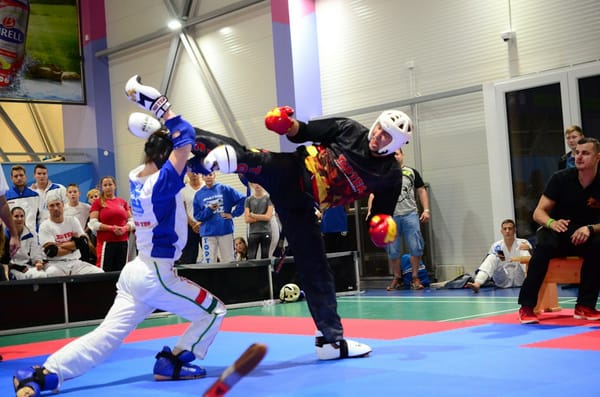
Sport
How Heart Rate Zones Determine Victory in Kick Light: A 2026 Physiological Breakdown
Kickboxing has transformed from a niche martial art into a globally recognized Olympic discipline. Yet the specific physiological demands of its technical sub-styles remain underexplored. A groundbreaking exploratory study published in September 2026 sheds light on the cardiovas…
Read More...
Sport
Sedentary Habits vs. Athletic Recovery: New Insights into Sleep Quality in Young Men
A recent exploratory study published in September 2026 by researchers from the University of Cassino and Lazio Meridionale has shed new light on the relationship between physical activity, sedentary behavior, and sleep quality among young adult males. The research specifically c…
Read More...
Sport
How 500mg of Citrus Extract Boosts Jump Height and Strength in Female Basketball Players
In the competitive arena of women's basketball, athletes constantly search for marginal gains that can tip the scales. A recent investigation published in September 2026 by researchers from the Universidad de León and Universidad Isabel I offers a compelling look at one such str…
Read More...
Sport
Campania Schools: How 10-Minute Movement Breaks Transform Student Focus
Teenagers today face a unique challenge. Digital distractions and sedentary habits are becoming the norm, making it harder for students to maintain focus in class. A recent study from Southern Italy offers a straightforward solution that might just change how we view classroom b…
Read More...
Sport
Brazilian Women's Football: The Exact Physical Shifts From U14 to Pro That Define Success
The path from youth academy to professional football is often imagined as a straight line of steady athletic growth. New research into Brazilian women’s football suggests the reality is far more complex. A comprehensive study involving 119 outfield players across Under-14, Under…
Read More...
Sport
Youth Football Talent: Why Dual-Task Testing Reveals the Real Difference in Player Performance
Football scouts often focus heavily on physical metrics and technical drills. They look for speed, agility, and precise ball control. Yet a recent study published in Sports (MDPI) suggests that the true marker of elite potential lies elsewhere. It is not just about what players…
Read More...
Sport
Sled Sprint Training: Why Distance, Load, and Surface Dictate Your Speed Gains
Resisted sled sprint training has long been a cornerstone for elite athletes looking to sharpen their explosive power. From track sprinters refining their block clearance to rugby players building raw strength, the practice is ubiquitous. Yet a comprehensive systematic review an…
Read More...
Sport
Can Expectation Extend Your Cycling Endurance? The 1.6% Caffeine Placebo Data Every Rider Needs
[Extracted Location], Source : Sports science continues to explore how mental expectations shape physical output. Caffeine remains a staple among endurance athletes seeking reliable performance support. Riders across cycling disciplines regularly incorporate this compound into t…
Read More...