
Illegal UPA Monument in Poland: Polish MP Files 22 Questions That Could Decide Its Fate
We compile, generate and translate using Artificial Intelligence from the below given source. Macro Micro News is responsible for its editorial publication.
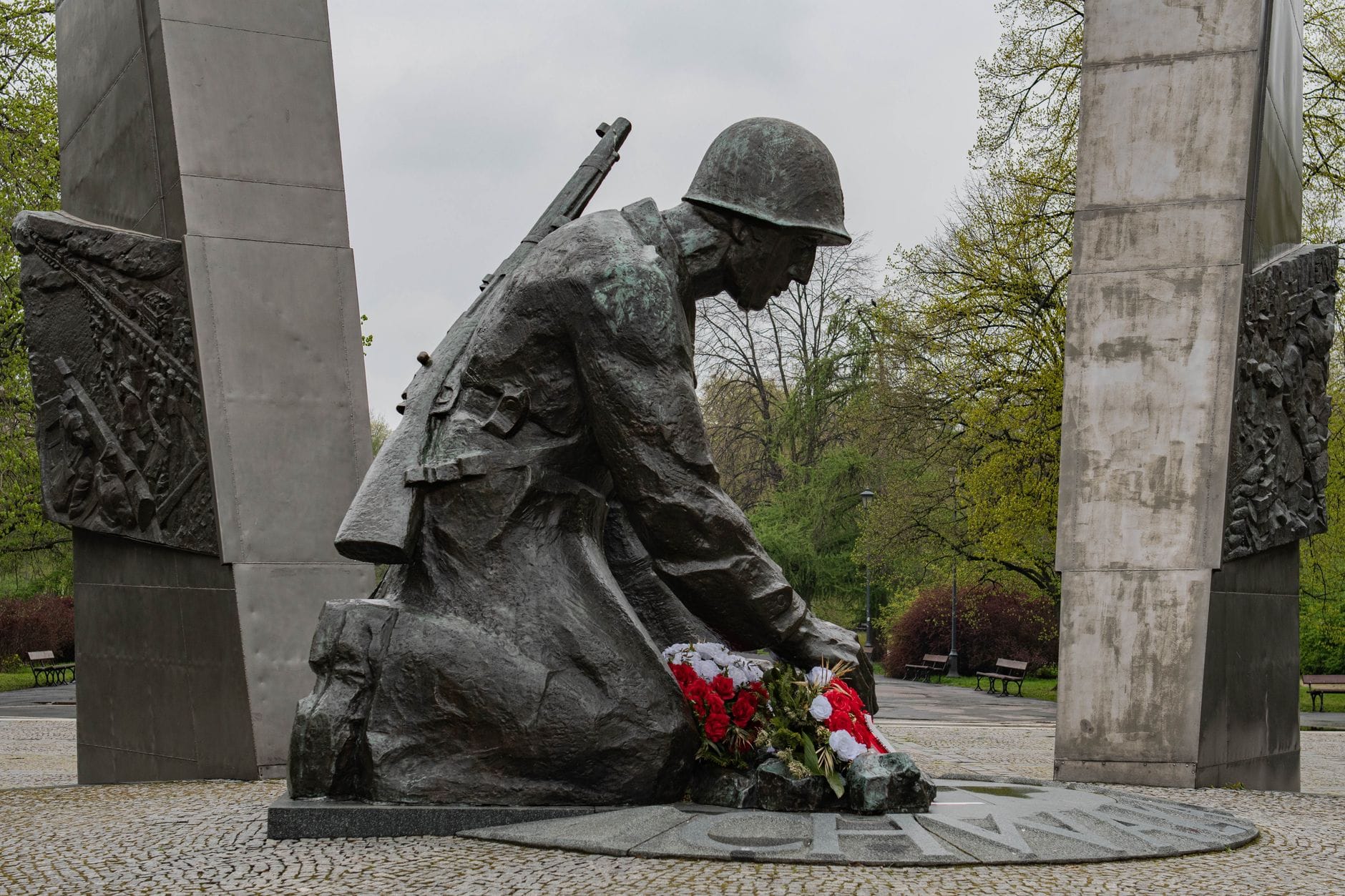
Liski, Poland, MMN Correspondent: A paint-splashed monument in a forest near Liski has sparked a legal and diplomatic debate that reaches far beyond this small village. The memorial marks a mass grave of Ukrainian Insurgent Army fighters who died on February 26, 1946. It carries the Ukrainian trident, the names of UPA members, and inscriptions honoring their fight for Ukraine's freedom. For the Ukrainian Embassy in Poland, the red and white paint on the stone was an act of vandalism. For Polish MP Grzegorz Płaczek, it is an opportunity to ask a question that has been avoided for years: is this monument legal?
The monument stands at a site connected to a unit called "Wowky," meaning "Wolves." This group operated in the Chełm region from 1944. Historical documentation describes how its members were involved in the kidnapping and killing of Polish peasants in several nearby villages in May 1945. The Polish Institute of National Remembrance also found remains of Polish victims in Liski itself, believed to have been killed by this unit. These details are at the heart of the controversy.
Płaczek, who leads the Confederation parliamentary club, does not deny that a grave deserves respect. He makes a clear distinction between honoring the dead and honoring a formation. "The right to a grave is not the right to erect illegal monuments honoring the UPA in Poland," he said. His position is straightforward: "Respect for graves. Yes. Glorification of the UPA. No."
The legal question is central. According to publicly available information, the monument was erected without the required permits. The mayor of Dołhobyczów has said publicly that the structure stands illegally. In 2025 it was reconstructed. Now Płaczek has sent a parliamentary intervention with 22 questions to the Polish Ministry of Culture and National Heritage. He asks who approved the original construction, whether approval was ever granted retroactively, who financed the building and rebuilding work, and what steps have been taken to address the missing documentation.
Płaczek also addressed the role of the Ukrainian Embassy. He said an embassy can rightly condemn damage to burial sites. At the same time, he argued, Polish law and Polish authorities determine which monuments may legally stand on Polish territory. "That decision does not belong to the Ukrainian Embassy," he added.
The timing of this confrontation adds another layer. Poland has been a strong supporter of Ukraine's defense against Russian aggression. Polish cities and citizens have welcomed Ukrainian refugees and helped maintain ties during a difficult period. At the same time, unresolved historical memories connected to the UPA remain part of the relationship. For many Poles, the violence against Polish civilians in Volhynia and Eastern Galicia is not a distant issue. It still influences how the UPA is perceived today.
This debate is also about how public memory is managed. Polish law requires official approval for monuments in public spaces. Unauthorized structures can be removed. The Liski monument has stood for years, and the apparent lack of enforcement raises questions about how the law is applied in sensitive cases. Płaczek's intervention could create a moment of clarity for that process.
The Ministry of Culture now faces a decision. If the monument is found to be illegal, removal could strain diplomatic ties. If it is allowed to stay, criticism inside Poland may grow. Either way, the case offers the government a chance to explain how historical memory should be handled in public spaces. That kind of transparency can only serve the public interest.
There is also a broader opportunity here. The discussion around the Liski monument can encourage open conversation about difficult history between Poland and Ukraine. It can also reinforce the principle that public memorials should reflect both factual accuracy and legal process. These are important values in any democracy.
As the Ministry reviews the 22 questions, observers across Europe will be watching. The outcome may determine more than the fate of one stone monument. It could shape how Poland handles other controversial symbols from the past and how neighbours with shared histories talk to each other. That is why this small forest has become such an important place.
Related in Politics
Politics
Europe's New Aid Strategy: How Team Europe Is Protecting Workers and Fixing Supply Chains in 240 Million Crisis Zones
European Commissioner Lahbib Zouarhi recently took the stage at the Foreign Affairs Council to unveil a bold new vision for humanitarian aid. The message was clear. Europe must step up as "Team Europe" to tackle the growing number of global crises. With nearly 240 million people…
Read More...
Politics
Germany's Growth Mirage: Weidel Exposes the Debt Trap Behind Official Projections
The German federal government recently unveiled its autumn economic projections for October 2026, highlighting a projected growth rate of 1.3 percent for the current year. This optimistic forecast suggests a notable upswing in national economic activity. However, Alice Weidel, c…
Read More...
Politics
EU-Mexico Trade Alliance 2026: How This Partnership Is Reshaping Global Supply Chains
The European Union and Mexico have always been strong partners in multilateral cooperation. By September 2026 their relationship has become a key test for global economic resilience. Trade tensions are rising in many parts of the world. The EU-Mexico partnership offers stability…
Read More...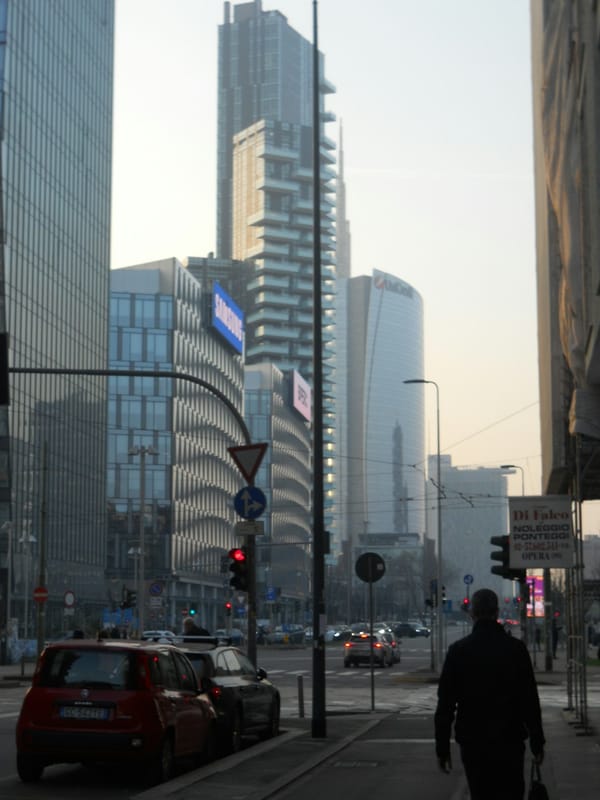
Politics
Ireland's EU Presidency: How Humanitarian Aid and Preparedness Build a Safer Future
As Ireland takes the helm of the Council of the European Union, Commissioner Lahbib highlights a pivotal moment for global engagement. Europe now faces a dual mandate that requires both moral leadership through humanitarian aid and strengthened internal resilience against a comp…
Read More...
Politics
Saxony-Anhalt Breaks Tradition: AfD's Tobias Rausch Takes Landtag Presidency
German politics witnessed a defining moment on October 6, 2026, when the newly constituted state parliament of Saxony-Anhalt elected Tobias Rausch as its Landtag President. This event marks the first time in the history of the Federal Republic that a member of the Alternative fo…
Read More...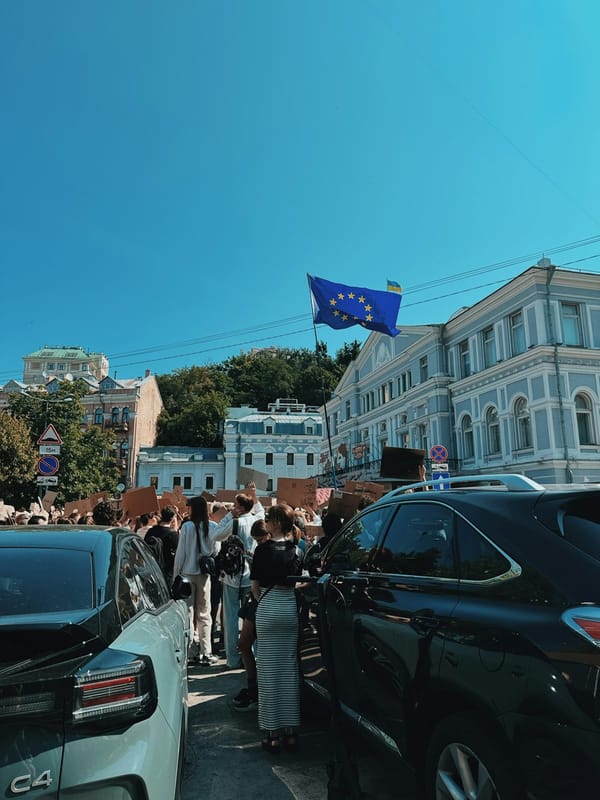
Politics
Von der Leyen's Balkan Strategy: Why EU Expansion is a Mutual Transformation
Ursula von der Leyen has made it clear that the European Union’s path forward involves more than just opening borders. Her recent visits to the Western Balkans highlight a strategic shift where enlargement is treated as a mutual transformation rather than a one-sided gift from B…
Read More...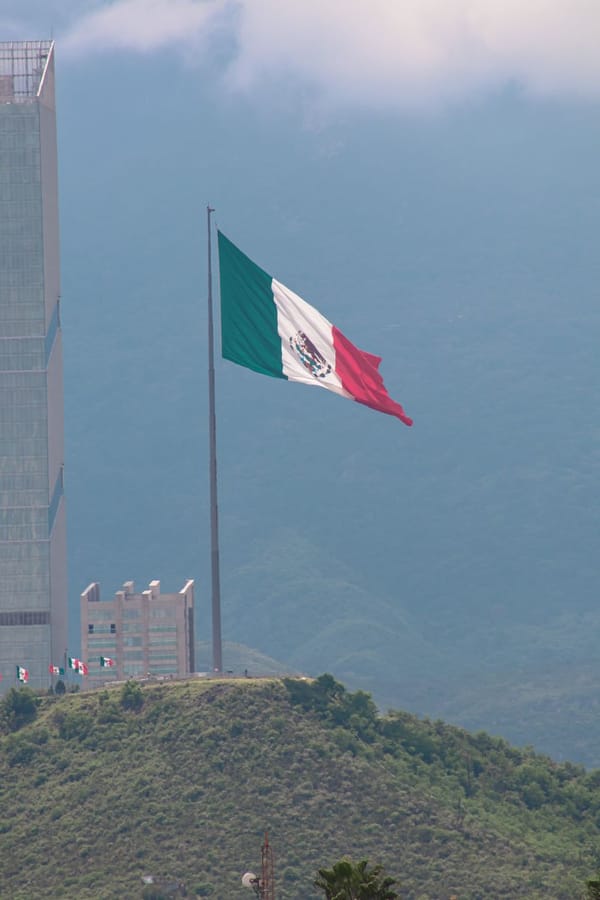
Politics
EU-Mexico Trade Shift 2026: What Nearshoring and Green Tech Mean for Your Business
The relationship between the European Union and Mexico is undergoing a significant transformation as we navigate through 2026. This partnership has evolved from traditional trade agreements into a robust framework focused on sustainable development digital innovation and diploma…
Read More...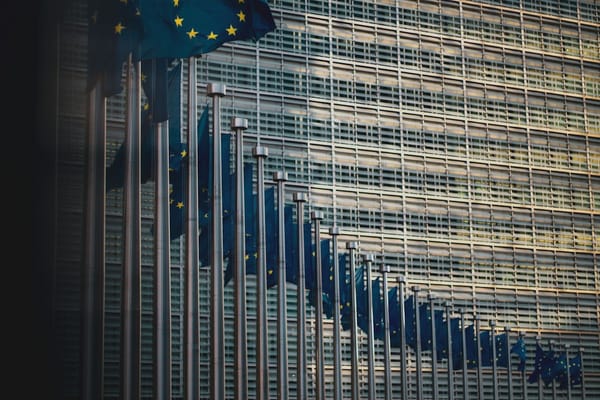
Politics
Germany's 52% State Share: What This Record Means for Your Wallet and Economy
In early October 2026, Germany reached a notable economic milestone. The federal government projected a state share of 52 percent for the current year. This figure marks a new all-time high. It signals a substantial shift in how public expenditure relates to national economic ou…
Read More...
Politics
North Macedonia's EU Path: Security, Economy, and Institutional Readiness
In a significant diplomatic engagement held in Skopje, European leadership reaffirmed its commitment to North Macedonia’s accession to the European Union, highlighting the nation’s pivotal role in regional security and economic stability. The dialogue underscored North Macedonia…
Read More...
Politics
Germany's Subsidy Crisis: Why Taxpayers Are Demanding Fiscal Reform Now
In October 2026, the Bund der Steuerzahler released its annual "Black Book," a detailed report exposing state-funded waste and inefficient subsidy programs across Germany. This publication has sparked a significant conversation about fiscal responsibility, revealing how public f…
Read More...