
Ireland’s 2026 Green Roadmap: How EU Policies Are Shaping Your Future Energy Landscape
We compile, generate and translate using Artificial Intelligence from the below given source. Macro Micro News is responsible for its editorial publication.

Dublin, Ireland, Source :
Ireland stands at the center of a sweeping transformation as European Union policies rewrite the rules for sustainable infrastructure. At the Environment Ireland Conference 2026, Commissioner Roswall unveiled a strategic roadmap that moves beyond ambitious targets and into tangible execution. What happens when clean technology meets modernized grid networks? The answer lies in a coordinated push toward offshore wind, green hydrogen, and sustainable agriculture. Public private partnerships are stepping up to fund these low carbon ventures, creating a steady pipeline of projects that align national strategies with the broader European Green Deal objectives.
The conversation around energy efficiency retrofits and nature based carbon sinks reveals a deeper layer of planning. Ireland aims to cut greenhouse gas emissions by fifty one percent by 2030, a goal supported by targeted investments that prioritize measurable outcomes. Standardized reporting for corporate sustainability disclosures now provides clear visibility into progress. Streamlined permitting processes accelerate approval workflows, allowing renewable installations to move from blueprint to reality at a faster pace. How will these accelerated timelines reshape local job markets and community development? The data suggests a steady expansion of skilled roles across engineering, project management, and environmental monitoring.
Advanced monitoring systems leveraging satellite imagery and artificial intelligence bring a new level of precision to conservation efforts. These tools track soil health, water quality, and forest coverage across member states, enabling real time adjustments to land management strategies. Financial instruments such as green bonds and sustainability linked loans are gaining strong traction among institutional investors. Businesses are adapting their supply chains to meet evolving environmental standards alongside exploring fresh opportunities in eco innovation. What does this mean for long term market stability? The integration of climate risk assessments into lending portfolios directs capital toward ventures that demonstrate clear ecological impact and enduring viability.
Circular economy principles are now woven into manufacturing and construction frameworks through extended producer responsibility mandates. Material recovery facilities are expanding to support expanded recycling networks and promote responsible material sourcing. Cross border research initiatives and standardized certification protocols strengthen regional capacity to manage extreme weather events and preserve biodiversity. Regulatory alignment across member states continues to streamline environmental projects, minimizing administrative steps and accelerating implementation timelines. As digital transformation merges with ecological stewardship, the next phase of European environmental governance takes shape. Sustained investment and adaptive leadership will keep the pathway to a resilient, low carbon future firmly within reach.
Related in Politics
Politics
Europe's New Aid Strategy: How Team Europe Is Protecting Workers and Fixing Supply Chains in 240 Million Crisis Zones
European Commissioner Lahbib Zouarhi recently took the stage at the Foreign Affairs Council to unveil a bold new vision for humanitarian aid. The message was clear. Europe must step up as "Team Europe" to tackle the growing number of global crises. With nearly 240 million people…
Read More...
Politics
Germany's Growth Mirage: Weidel Exposes the Debt Trap Behind Official Projections
The German federal government recently unveiled its autumn economic projections for October 2026, highlighting a projected growth rate of 1.3 percent for the current year. This optimistic forecast suggests a notable upswing in national economic activity. However, Alice Weidel, c…
Read More...
Politics
EU-Mexico Trade Alliance 2026: How This Partnership Is Reshaping Global Supply Chains
The European Union and Mexico have always been strong partners in multilateral cooperation. By September 2026 their relationship has become a key test for global economic resilience. Trade tensions are rising in many parts of the world. The EU-Mexico partnership offers stability…
Read More...
Politics
Ireland's EU Presidency: How Humanitarian Aid and Preparedness Build a Safer Future
As Ireland takes the helm of the Council of the European Union, Commissioner Lahbib highlights a pivotal moment for global engagement. Europe now faces a dual mandate that requires both moral leadership through humanitarian aid and strengthened internal resilience against a comp…
Read More...
Politics
Saxony-Anhalt Breaks Tradition: AfD's Tobias Rausch Takes Landtag Presidency
German politics witnessed a defining moment on October 6, 2026, when the newly constituted state parliament of Saxony-Anhalt elected Tobias Rausch as its Landtag President. This event marks the first time in the history of the Federal Republic that a member of the Alternative fo…
Read More...
Politics
Von der Leyen's Balkan Strategy: Why EU Expansion is a Mutual Transformation
Ursula von der Leyen has made it clear that the European Union’s path forward involves more than just opening borders. Her recent visits to the Western Balkans highlight a strategic shift where enlargement is treated as a mutual transformation rather than a one-sided gift from B…
Read More...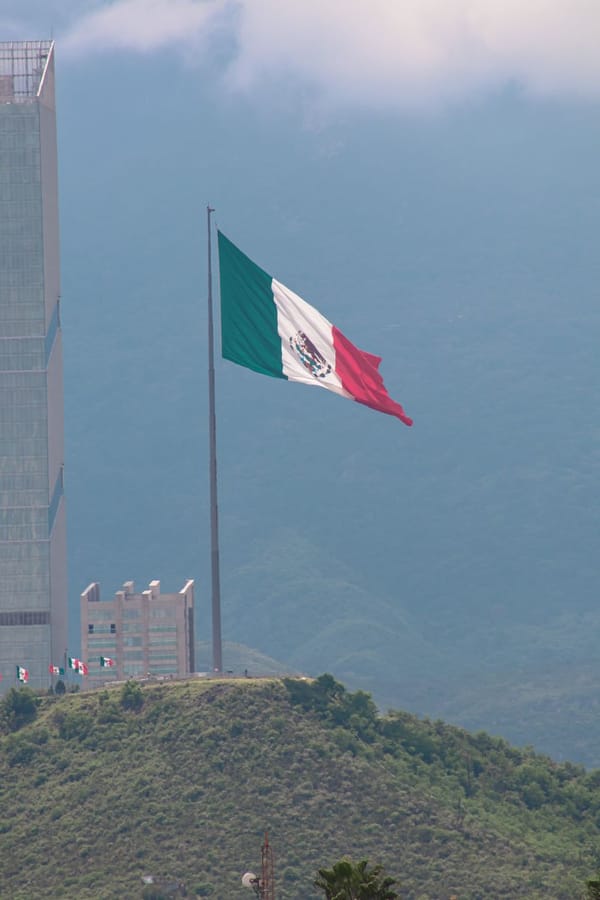
Politics
EU-Mexico Trade Shift 2026: What Nearshoring and Green Tech Mean for Your Business
The relationship between the European Union and Mexico is undergoing a significant transformation as we navigate through 2026. This partnership has evolved from traditional trade agreements into a robust framework focused on sustainable development digital innovation and diploma…
Read More...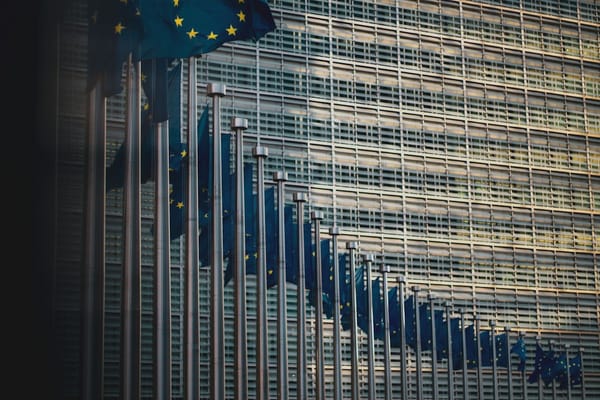
Politics
Germany's 52% State Share: What This Record Means for Your Wallet and Economy
In early October 2026, Germany reached a notable economic milestone. The federal government projected a state share of 52 percent for the current year. This figure marks a new all-time high. It signals a substantial shift in how public expenditure relates to national economic ou…
Read More...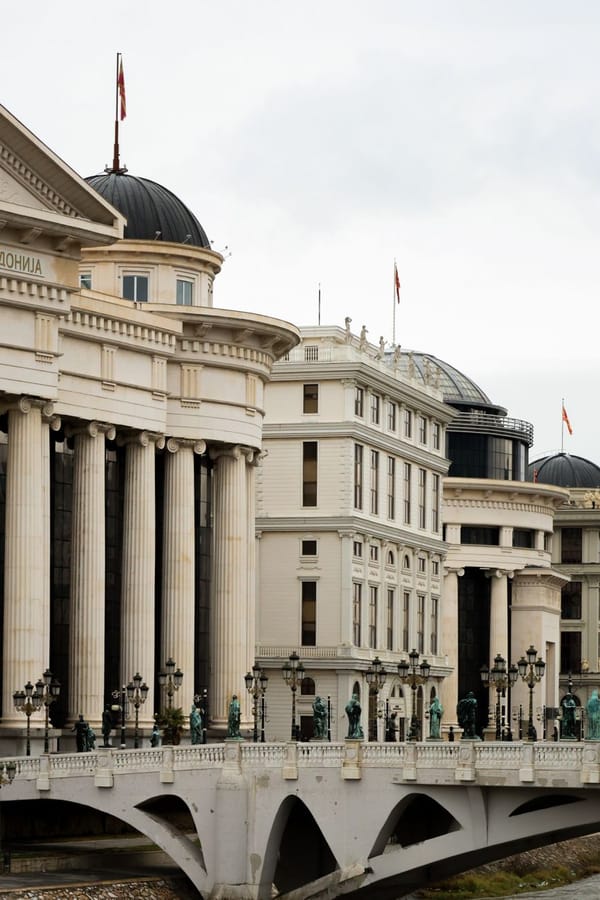
Politics
North Macedonia's EU Path: Security, Economy, and Institutional Readiness
In a significant diplomatic engagement held in Skopje, European leadership reaffirmed its commitment to North Macedonia’s accession to the European Union, highlighting the nation’s pivotal role in regional security and economic stability. The dialogue underscored North Macedonia…
Read More...
Politics
Germany's Subsidy Crisis: Why Taxpayers Are Demanding Fiscal Reform Now
In October 2026, the Bund der Steuerzahler released its annual "Black Book," a detailed report exposing state-funded waste and inefficient subsidy programs across Germany. This publication has sparked a significant conversation about fiscal responsibility, revealing how public f…
Read More...