
Ireland’s Accommodation Contribution Scheme: 76,500 Work Permits Issued, No Start Date Announced. What Does It Mean?
We compile, generate and translate using Artificial Intelligence from the below given source. Macro Micro News is responsible for its editorial publication.

Dublin, MMN Correspondent: There is a question sitting at the centre of Ireland's migration debate, and it is not going anywhere. More than 76,500 international protection applicants have received labour market access permissions since 2020. Many of them now work, earn and pay tax. So why are they still not contributing to the cost of their State-funded accommodation?
The legal basis for a contribution scheme is already in place. Aontú leader Peadar Tóibín has been pressing the Government for a straight answer on this. During a recent parliamentary exchange, the Minister for Justice, Home Affairs and Migration confirmed that international protection applicants currently make no financial contribution toward their accommodation. The Minister added that a scheme is in development and expected to be introduced during 2026. No commencement date has been announced yet. That leaves plenty of open questions.
Why does this matter? Because the numbers are not small. Since 2020, the Department of Justice has granted 76,520 labour market access permissions. Those permits represent a growing group of working residents who are earning while living in accommodation provided by the State. Under the proposed plan, applicants earning more than €600 a week could be asked to pay up to €238 a week toward that accommodation. That is a serious policy shift, and it deserves a serious timeline.
The Department has said work is underway to build the systems needed to assess eligibility, share data securely and collect payments. A third-party payment collection service is also part of the plan. In other words, the machinery is being prepared. What is missing is the date.
This scheme is not about punishing people. It is about making the system fair and sustainable. When someone has an income and lives in State-funded accommodation, contributing to the cost of that accommodation is a reasonable expectation. Many countries follow this approach. It can also support integration by giving working applicants a sense of responsibility and belonging.
There are real design challenges to work through. A fixed charge could cause hardship for lower earners, so exemptions and safeguards have to be built in. Applicants with dependents or particular vulnerabilities need to be considered. The collection process must be secure, clear and easy to use. Privacy and data protection matter. The Government's decision to consider a third-party service shows that these details are being taken seriously.
What about the money? Official revenue estimates have not been published. With 76,520 permits in circulation, even a modest number of contributors would produce significant funds. That revenue could improve accommodation standards or strengthen integration services. For now, those potential benefits are still waiting on a date.
Deputy Tóibín has made his position clear. The legislation already exists, the permits have been issued, and the Minister has confirmed the direction of travel. His call for an implementation plan, a firm commencement date and honest information about costs and revenues is a reasonable one. It also speaks to a bigger principle: transparency and good governance.
Ireland has reached a point where the policy needs to catch up with reality. The 76,500 work permissions are evidence of a functioning integration process. The next step is to put a workable contribution scheme in place. That means publishing the rules, explaining how assessments will work, and providing a realistic start date. Once that happens, the scheme can earn trust and deliver what it promises.
The working applicants in this story are already contributing to Irish society. They are taking jobs, paying taxes and building lives. Asking them to contribute toward housing is a natural part of that relationship. It is fairness in practice. What everyone needs now is certainty. A clear date would turn this long discussion into a working plan, and Ireland would be better for it.
Related in Politics
Politics
Europe's New Aid Strategy: How Team Europe Is Protecting Workers and Fixing Supply Chains in 240 Million Crisis Zones
European Commissioner Lahbib Zouarhi recently took the stage at the Foreign Affairs Council to unveil a bold new vision for humanitarian aid. The message was clear. Europe must step up as "Team Europe" to tackle the growing number of global crises. With nearly 240 million people…
Read More...
Politics
Germany's Growth Mirage: Weidel Exposes the Debt Trap Behind Official Projections
The German federal government recently unveiled its autumn economic projections for October 2026, highlighting a projected growth rate of 1.3 percent for the current year. This optimistic forecast suggests a notable upswing in national economic activity. However, Alice Weidel, c…
Read More...
Politics
EU-Mexico Trade Alliance 2026: How This Partnership Is Reshaping Global Supply Chains
The European Union and Mexico have always been strong partners in multilateral cooperation. By September 2026 their relationship has become a key test for global economic resilience. Trade tensions are rising in many parts of the world. The EU-Mexico partnership offers stability…
Read More...
Politics
Ireland's EU Presidency: How Humanitarian Aid and Preparedness Build a Safer Future
As Ireland takes the helm of the Council of the European Union, Commissioner Lahbib highlights a pivotal moment for global engagement. Europe now faces a dual mandate that requires both moral leadership through humanitarian aid and strengthened internal resilience against a comp…
Read More...
Politics
Saxony-Anhalt Breaks Tradition: AfD's Tobias Rausch Takes Landtag Presidency
German politics witnessed a defining moment on October 6, 2026, when the newly constituted state parliament of Saxony-Anhalt elected Tobias Rausch as its Landtag President. This event marks the first time in the history of the Federal Republic that a member of the Alternative fo…
Read More...
Politics
Von der Leyen's Balkan Strategy: Why EU Expansion is a Mutual Transformation
Ursula von der Leyen has made it clear that the European Union’s path forward involves more than just opening borders. Her recent visits to the Western Balkans highlight a strategic shift where enlargement is treated as a mutual transformation rather than a one-sided gift from B…
Read More...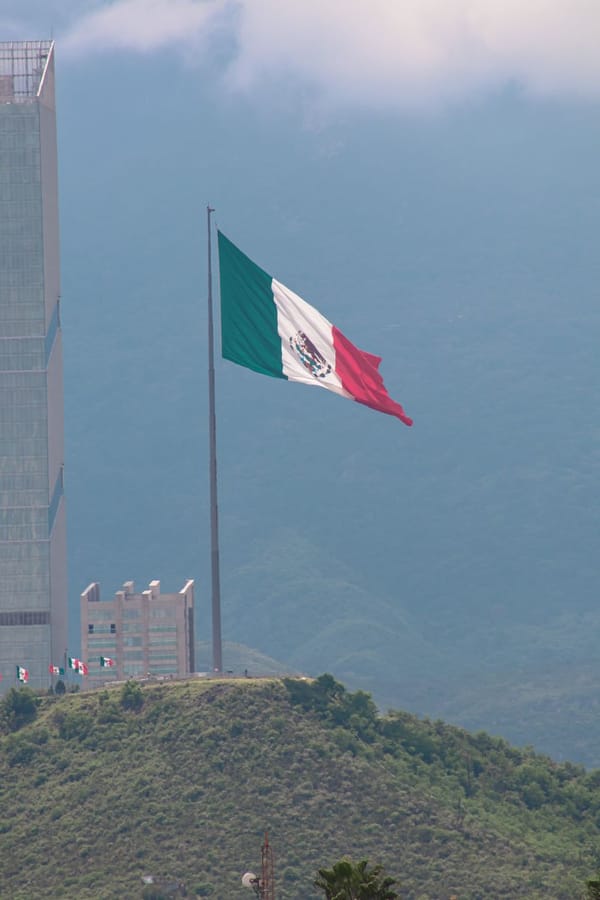
Politics
EU-Mexico Trade Shift 2026: What Nearshoring and Green Tech Mean for Your Business
The relationship between the European Union and Mexico is undergoing a significant transformation as we navigate through 2026. This partnership has evolved from traditional trade agreements into a robust framework focused on sustainable development digital innovation and diploma…
Read More...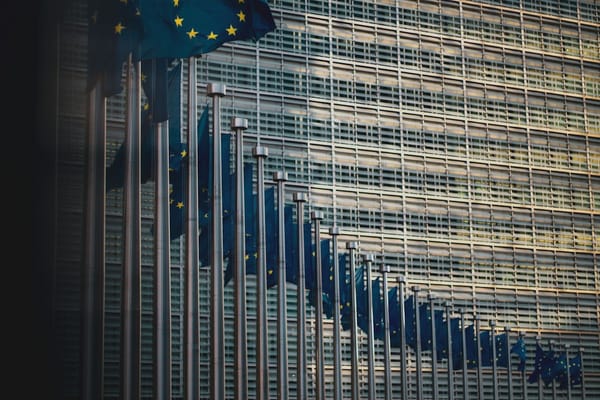
Politics
Germany's 52% State Share: What This Record Means for Your Wallet and Economy
In early October 2026, Germany reached a notable economic milestone. The federal government projected a state share of 52 percent for the current year. This figure marks a new all-time high. It signals a substantial shift in how public expenditure relates to national economic ou…
Read More...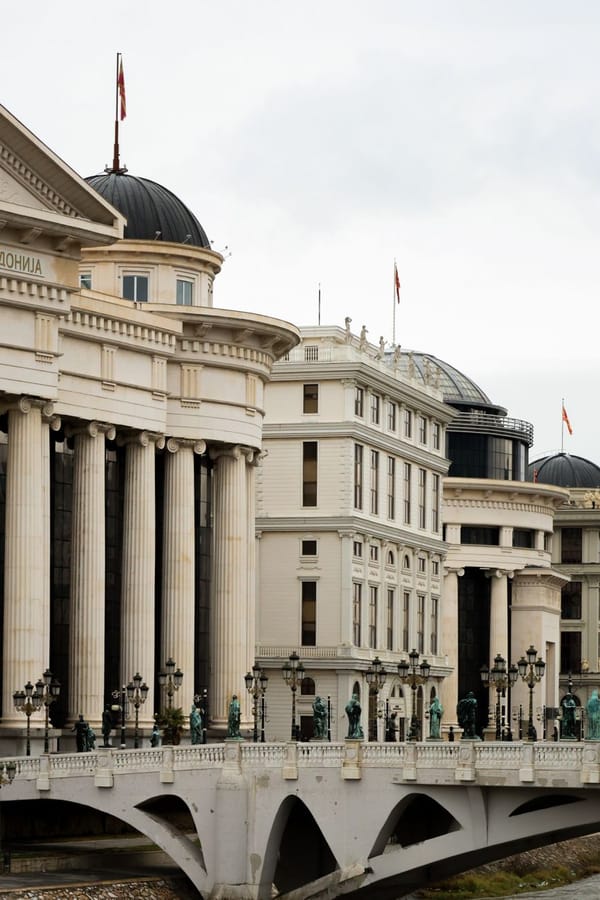
Politics
North Macedonia's EU Path: Security, Economy, and Institutional Readiness
In a significant diplomatic engagement held in Skopje, European leadership reaffirmed its commitment to North Macedonia’s accession to the European Union, highlighting the nation’s pivotal role in regional security and economic stability. The dialogue underscored North Macedonia…
Read More...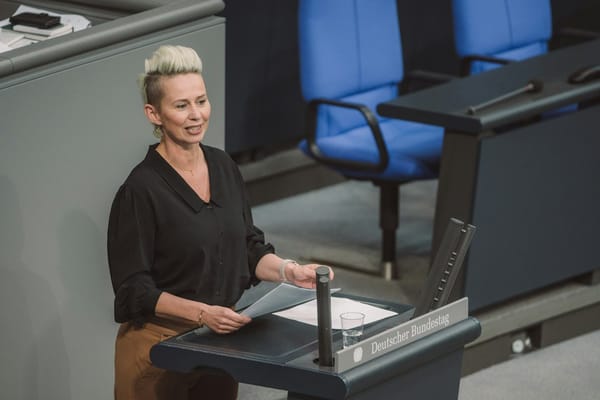
Politics
Germany's Subsidy Crisis: Why Taxpayers Are Demanding Fiscal Reform Now
In October 2026, the Bund der Steuerzahler released its annual "Black Book," a detailed report exposing state-funded waste and inefficient subsidy programs across Germany. This publication has sparked a significant conversation about fiscal responsibility, revealing how public f…
Read More...