
Ireland's €1.3 Billion NGO Funding: What Happens to Your Tax Euro?
We compile, generate and translate using Artificial Intelligence from the below given source. Macro Micro News is responsible for its editorial publication.
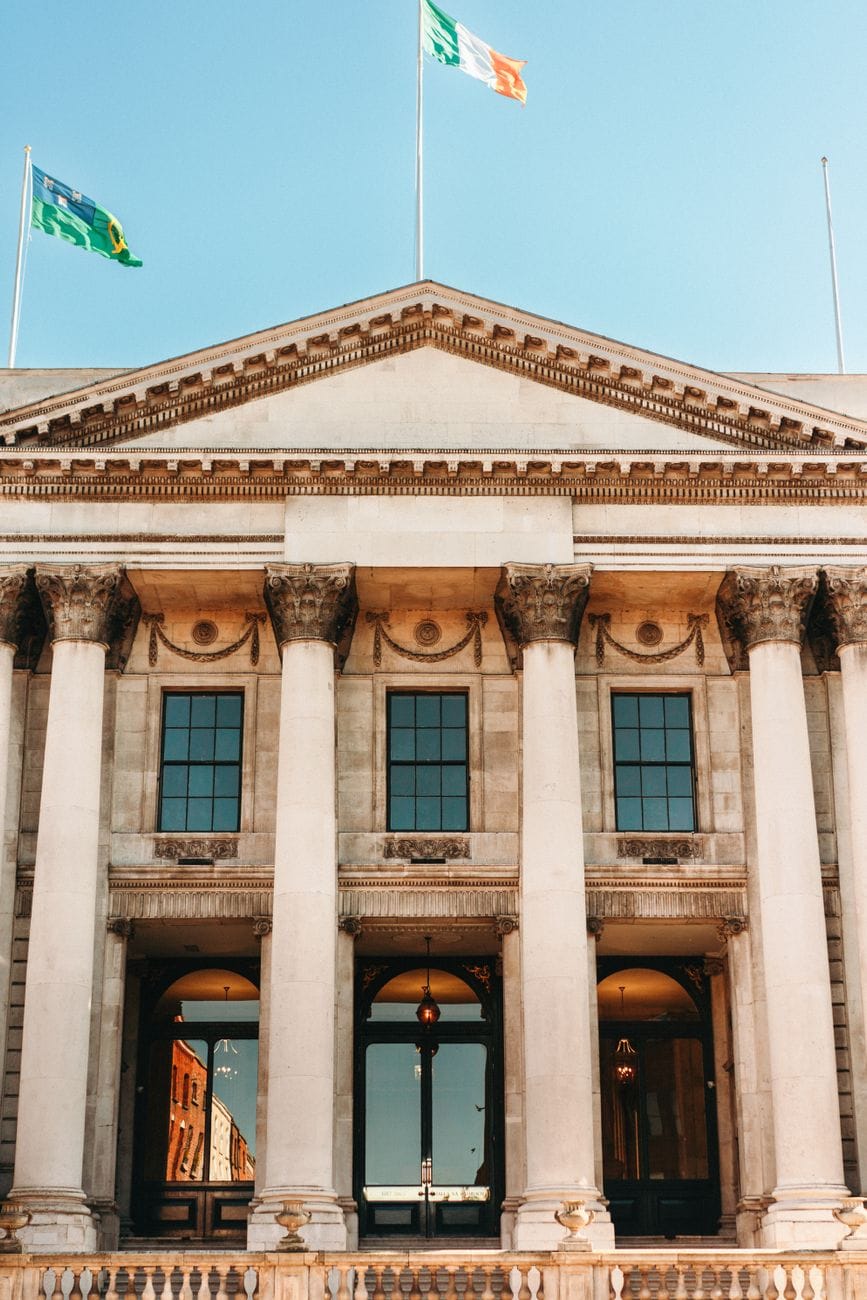
Dublin, MMN Correspondent: Ever wonder where Ireland’s overseas aid actually ends up? A fresh disclosure from the Department of Foreign Affairs offers a clearer look. Between 2020 and 2024, the department paid nearly €1.3 billion to non-governmental organizations. Annual funding climbed from just over €201 million to more than €300 million, a jump of about 50% in four years. The figures came to light through parliamentary questions put forward by Aontú Leader Deputy Peadar Tóibín.
That scale is striking for a single government department. It shows just how central NGOs have become to Ireland’s development and humanitarian work. In 2024, several of the best-known names in the sector, Concern Worldwide, Trócaire, the International Committee of the Red Cross, Misean Cara, and GOAL, received well over €100 million combined. These organizations bring decades of experience in disaster relief, poverty reduction, and sustainable development. Their funding reflects Ireland’s long-standing promise of global solidarity.
The size of the spending invites a closer look. Deputy Tóibín asked a practical question: what happens to all that money? In 2024, 897 organizations based outside the State received €155 million. Another 177 organizations based in Ireland received €150 million. Those numbers cover only one department, which makes the broader picture even more important.
Here is the gap. There is currently no central, publicly accessible register that tracks all government funding to NGOs. That means citizens cannot easily see the total amount given, how it is split between frontline work and overheads, or what real results are delivered. Deputy Tóibín put it plainly: "I believe there is a need for the State to establish a comprehensive and publicly accessible register of NGO funding across all Departments and agencies. Such a system should provide a clear breakdown of where funding goes, how it is spent, and what results are being delivered."
A register would bring that clarity. When a single department hands out close to €1.3 billion in five years, public confidence depends on being able to follow the money. It would give people a way to see whether funds reach the front lines and whether the programmes make a measurable difference.
Deputy Tóibín has been careful to acknowledge the value of most NGOs. The push for transparency is designed to make their work easier to understand and evaluate. The relationship between the State and NGOs has grown significantly over recent decades. Many organizations now deliver essential services, advocate for change, and carry out development programmes with public backing. That role deserves an equally strong framework of accountability.
The rise in NGO funding also mirrors a global trend. Governments increasingly rely on civil society groups to implement projects and respond to emergencies. Ireland’s commitment to international development is well documented. The country has consistently met or exceeded the United Nations target of spending 0.7% of Gross National Income on Official Development Assistance. In 2023, Ireland’s ODA reached about €1.2 billion, with a significant portion flowing through NGOs. That support goes toward climate action, gender equality, education, health, and emergency relief in some of the world’s most vulnerable places.
The impact of that support can be seen in the work of Irish NGOs abroad. Concern Worldwide and GOAL have been active in crisis zones across sub-Saharan Africa and the Middle East. Trócaire focuses on sustainable development and human rights. Misean Cara funds faith-based projects, and the International Committee of the Red Cross delivers humanitarian assistance in conflict areas. These programmes carry Ireland’s values far beyond its borders.
Ireland does not have to invent a new system. Other countries already publish detailed funding information. The United Kingdom’s development office releases data on its NGO payments, and the European Union runs a public database for development projects. Ireland could follow those examples and adapt them to its own needs. The tools are available, and the legal basis for transparency already exists in the democratic process.
The benefits would go beyond simple oversight. Public registers tend to improve decision making. When spending is visible, organisations can compare approaches, learn from each other, and focus on proven results. Citizens get a clearer sense of what their tax money achieves. Donors and partner countries gain confidence in Ireland’s aid system.
The conversation boils down to one main point: how to make good support even better. Ireland’s NGO funding has grown from €201 million to over €300 million a year in a short time. That growth is a sign of ambition and compassion. The next step is to match it with transparency. Deputy Tóibín’s proposal for a register has the potential to show exactly how Ireland’s development money is used and why it matters. The numbers are already public. The full story behind them deserves to be public too.
Related in Politics
Politics
Europe's New Aid Strategy: How Team Europe Is Protecting Workers and Fixing Supply Chains in 240 Million Crisis Zones
European Commissioner Lahbib Zouarhi recently took the stage at the Foreign Affairs Council to unveil a bold new vision for humanitarian aid. The message was clear. Europe must step up as "Team Europe" to tackle the growing number of global crises. With nearly 240 million people…
Read More...
Politics
Germany's Growth Mirage: Weidel Exposes the Debt Trap Behind Official Projections
The German federal government recently unveiled its autumn economic projections for October 2026, highlighting a projected growth rate of 1.3 percent for the current year. This optimistic forecast suggests a notable upswing in national economic activity. However, Alice Weidel, c…
Read More...
Politics
EU-Mexico Trade Alliance 2026: How This Partnership Is Reshaping Global Supply Chains
The European Union and Mexico have always been strong partners in multilateral cooperation. By September 2026 their relationship has become a key test for global economic resilience. Trade tensions are rising in many parts of the world. The EU-Mexico partnership offers stability…
Read More...
Politics
Ireland's EU Presidency: How Humanitarian Aid and Preparedness Build a Safer Future
As Ireland takes the helm of the Council of the European Union, Commissioner Lahbib highlights a pivotal moment for global engagement. Europe now faces a dual mandate that requires both moral leadership through humanitarian aid and strengthened internal resilience against a comp…
Read More...
Politics
Saxony-Anhalt Breaks Tradition: AfD's Tobias Rausch Takes Landtag Presidency
German politics witnessed a defining moment on October 6, 2026, when the newly constituted state parliament of Saxony-Anhalt elected Tobias Rausch as its Landtag President. This event marks the first time in the history of the Federal Republic that a member of the Alternative fo…
Read More...
Politics
Von der Leyen's Balkan Strategy: Why EU Expansion is a Mutual Transformation
Ursula von der Leyen has made it clear that the European Union’s path forward involves more than just opening borders. Her recent visits to the Western Balkans highlight a strategic shift where enlargement is treated as a mutual transformation rather than a one-sided gift from B…
Read More...
Politics
EU-Mexico Trade Shift 2026: What Nearshoring and Green Tech Mean for Your Business
The relationship between the European Union and Mexico is undergoing a significant transformation as we navigate through 2026. This partnership has evolved from traditional trade agreements into a robust framework focused on sustainable development digital innovation and diploma…
Read More...
Politics
Germany's 52% State Share: What This Record Means for Your Wallet and Economy
In early October 2026, Germany reached a notable economic milestone. The federal government projected a state share of 52 percent for the current year. This figure marks a new all-time high. It signals a substantial shift in how public expenditure relates to national economic ou…
Read More...
Politics
North Macedonia's EU Path: Security, Economy, and Institutional Readiness
In a significant diplomatic engagement held in Skopje, European leadership reaffirmed its commitment to North Macedonia’s accession to the European Union, highlighting the nation’s pivotal role in regional security and economic stability. The dialogue underscored North Macedonia…
Read More...
Politics
Germany's Subsidy Crisis: Why Taxpayers Are Demanding Fiscal Reform Now
In October 2026, the Bund der Steuerzahler released its annual "Black Book," a detailed report exposing state-funded waste and inefficient subsidy programs across Germany. This publication has sparked a significant conversation about fiscal responsibility, revealing how public f…
Read More...