
ISS Power Boost: Final Solar Arrays and Critical Science Cargo Launch on SpaceX Mission 35
We compile, generate and translate using Artificial Intelligence from the below given source. Macro Micro News is responsible for its editorial publication.
Cape Canaveral, United States, Source:
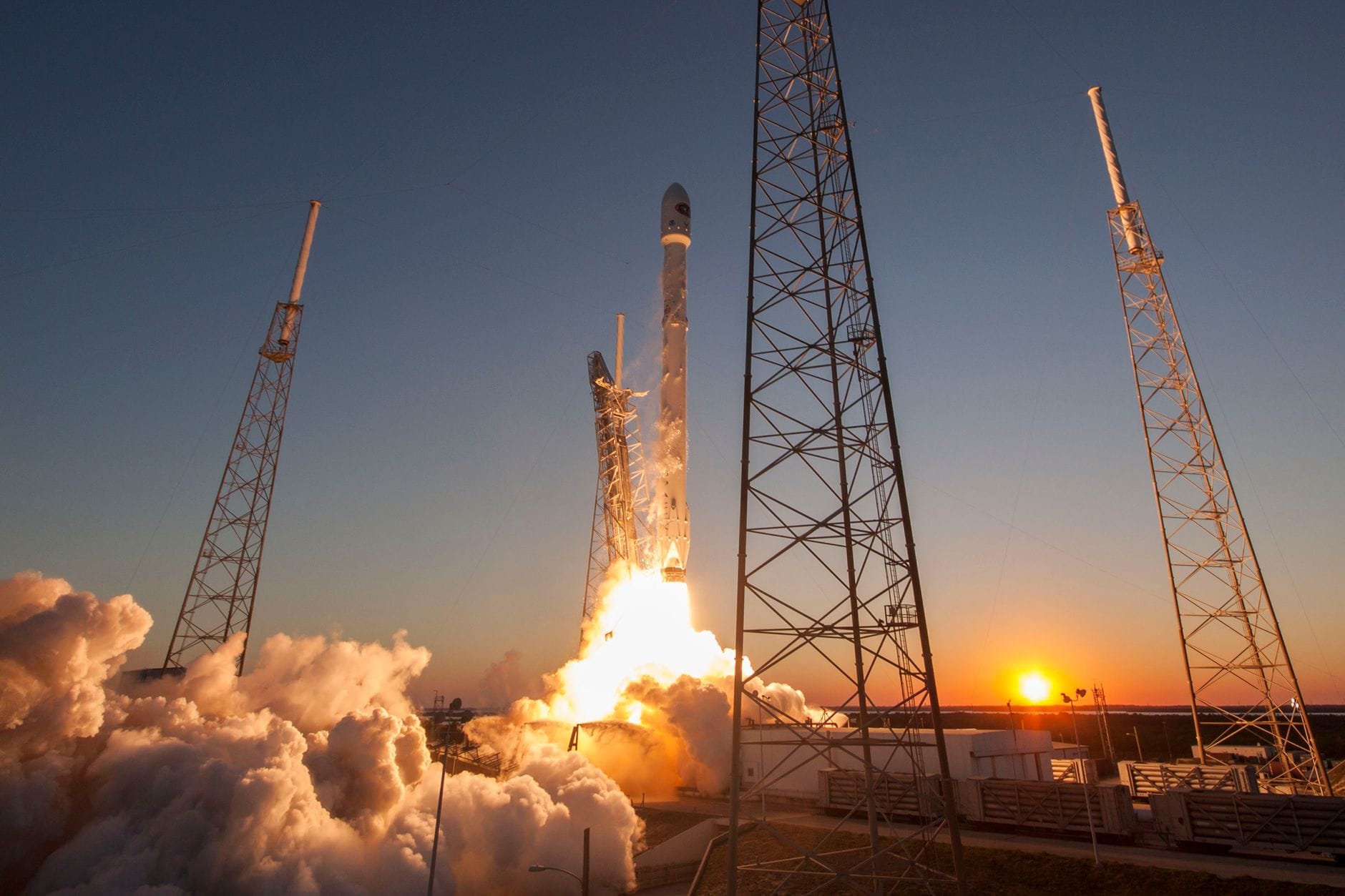
On Tuesday, October 13, 2026, the sky above Florida lit up as NASA and SpaceX successfully launched the 35th Commercial Resupply Services mission to the International Space Station. A Falcon 9 rocket lifted off from Space Launch Complex 40 at Cape Canaveral Space Force Station at 6:33 a.m. EDT. This launch carried more than 6,300 pounds of supplies, hardware, and scientific experiments bound for the orbiting laboratory. The event marks a significant milestone in the ongoing partnership between the space agency and the commercial launch provider, ensuring continuous support for research and operations aboard the station.
Following a successful ascent, the SpaceX Dragon spacecraft is scheduled to autonomously dock with the space-facing port of the Harmony module on Thursday, October 15, at 11 a.m. EDT. NASA will provide live coverage of the rendezvous and docking procedures across various platforms, allowing global audiences to witness this critical phase of the mission. The arrival of the cargo ship brings essential resources that will sustain the crew and advance scientific discovery in microgravity.
A highlight of this resupply mission is the delivery of the final pair of International Space Station Roll-Out Solar Arrays (iROSA). These advanced solar arrays are crucial for completing the station’s power system augmentation. By boosting available electricity, these arrays will support increased research activities, daily operations, and the safe, controlled deorbit of the station in the future. Astronauts currently residing on the ISS will install these arrays during a series of spacewalks planned for later in the fall, further enhancing the station's energy capabilities.
Beyond infrastructure upgrades, the Dragon spacecraft is transporting a diverse array of new scientific experiments designed to benefit humanity both in space and on Earth. Among the key payloads are hardware components intended for manufacturing processes in microgravity, which hold promise for restoring vision for patients suffering from certain eye conditions. Other experiments focus on advancing large-scale drug testing for future deep-space missions, studying the formation of specific materials in zero gravity, and identifying potential treatment targets for neurodegenerative diseases such as Alzheimer’s, Parkinson’s, and multiple sclerosis.
These investigations represent just a fraction of the hundreds of studies conducted aboard the ISS across biology, biotechnology, physical sciences, and Earth and space science. The data gathered from these experiments not only improves life on Earth but also lays the groundwork for NASA’s Artemis program, which aims to send astronauts back to the Moon and eventually to Mars. As part of this broader exploration strategy, the ISS serves as a unique laboratory for innovation, inspiring a new era of discovery.
The Dragon spacecraft will remain attached to the station until mid-November. Upon departure, it will return to Earth with time-critical research samples and used cargo, splashing down in the Pacific Ocean off the coast of California. This mission underscores the vital role of commercial partnerships in maintaining human presence in low-Earth orbit and driving technological advancement.
Related in Space Tech
Space Tech
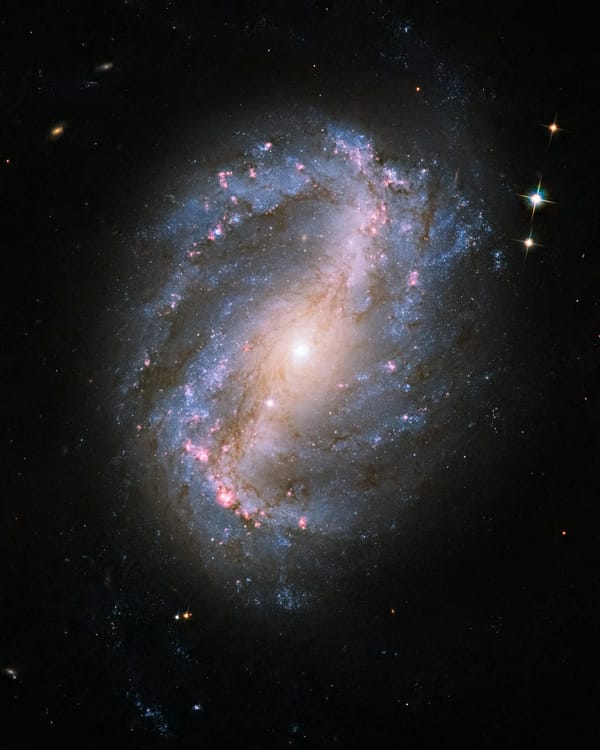
Pegasus Galaxy Collision: What Happens When NGC 7771 Merges?
The cosmos operates on a scale that defies human intuition. Galaxies are not static objects floating in void but dynamic entities engaged in a slow-motion dance spanning billions of years. The NGC 7771 group offers a striking glimpse into this celestial choreography. Located app…
Read More...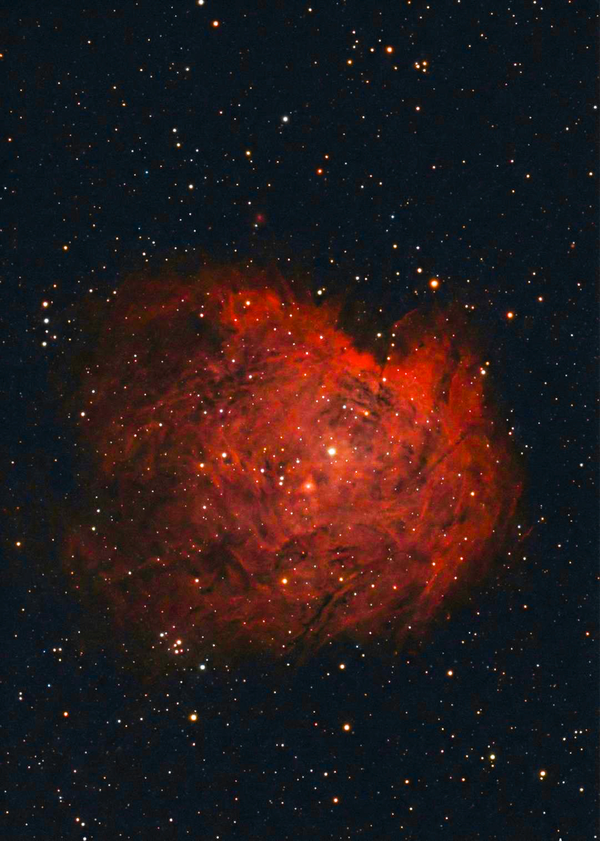
Space Tech
Lynds 1251: How Dark Dust Clouds Ignite New Stars in the Cosmos
The cosmos often feels like a silent void, but that darkness is actually a canvas waiting for creation. On November 23, 2026, the Astronomy Picture of the Day featured Lynds 1251, a dark nebula affectionately called the Rotten Fish Nebula. This image does more than show empty sp…
Read More...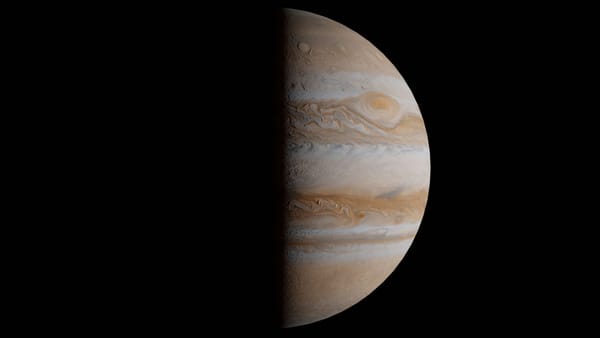
Space Tech
Jupiter's Color Code: How Juno Deciphers the Gas Giant's Atmospheric Palette
The gas giant Jupiter has long captivated astronomers with its dynamic atmosphere, a swirling canvas of storms and bands that have been observed for centuries. However, the precise chemical mechanisms behind the planet's vibrant hues remain one of astrophysics' enduring enigmas.…
Read More...
Space Tech
Voyager 2 at Neptune: The Last Look from the Edge of Our Solar System
On November 21, 2026, NASA’s Astronomy Picture of the Day showcases a breathtaking composite image of Neptune. This visual record comes from Voyager 2, the only spacecraft to ever visit this ice giant during its historic flyby. The image stands as a powerful testament to human i…
Read More...
Space Tech
Voyager 1 Enters Interstellar Space: The Historic Milestone of November 2026
On November 20, 2026, the astronomical community marked a profound milestone as NASA’s Astronomy Picture of the Day highlighted the historic journey of Voyager 1. The featured image, captured by the Emirates Astronomical Observatory, depicts a time-exposure photograph where Mors…
Read More...
Space Tech
Orion's Cosmic Canvas: Horsehead and Flame Nebulas Revealed in Stunning Detail
The night sky often serves as a canvas for some of the most breathtaking natural artistry in the universe. Few images capture this essence quite like the combined view of the Horsehead and Flame Nebulas. This celestial scene offers a profound glimpse into the dynamic processes o…
Read More...
Space Tech
M-Class Solar Flare: How NASA's New Image Reveals the Sun's Extreme Heat Mystery
On November 18, 2026, NASA’s Astronomy Picture of the Day shared a striking image captured on May 14, 2025. This visual record highlights an M-class solar flare and invites you to look closer at the dynamic processes shaping our star. The photograph displays bright loops of plas…
Read More...
Space Tech
Milky Way Meets Aurora: The Rare Sky Event of November 17, 2026
On November 17, 2026, the night sky presented a breathtaking spectacle that blurred the lines between the distant cosmos and our immediate atmospheric environment. Captured in northern regions, an image revealed two majestic arches dominating the heavens, creating a visual illus…
Read More...
Space Tech
Webb Telescope Reveals NGC 7129: How Violent Jets Sculpt New Stars
The James Webb Space Telescope has delivered a stunning new view of NGC 7129, a star-forming region located about 3,000 light-years away in the constellation Cepheus. This celestial nursery offers astronomers a rare chance to study how stars are born within chaotic and turbulent…
Read More...
Space Tech
NASA Chandra Data Reveals Why Massive Star AT 2016blu Keeps Exploding
Astronomers have used NASA’s Chandra X-ray Observatory to uncover the reasons behind the erratic behavior of a massive star named AT 2016blu. This discovery offers a clearer picture of how unstable stars evolve and release energy in violent bursts. The star resides in the spiral…
Read More...