
Krzysztof Bosak on Polsat News: Here's What His Bold Presidential Vision Means for Poland's Next Election
We compile, generate and translate using Artificial Intelligence from the below given source. Macro Micro News is responsible for its editorial publication.
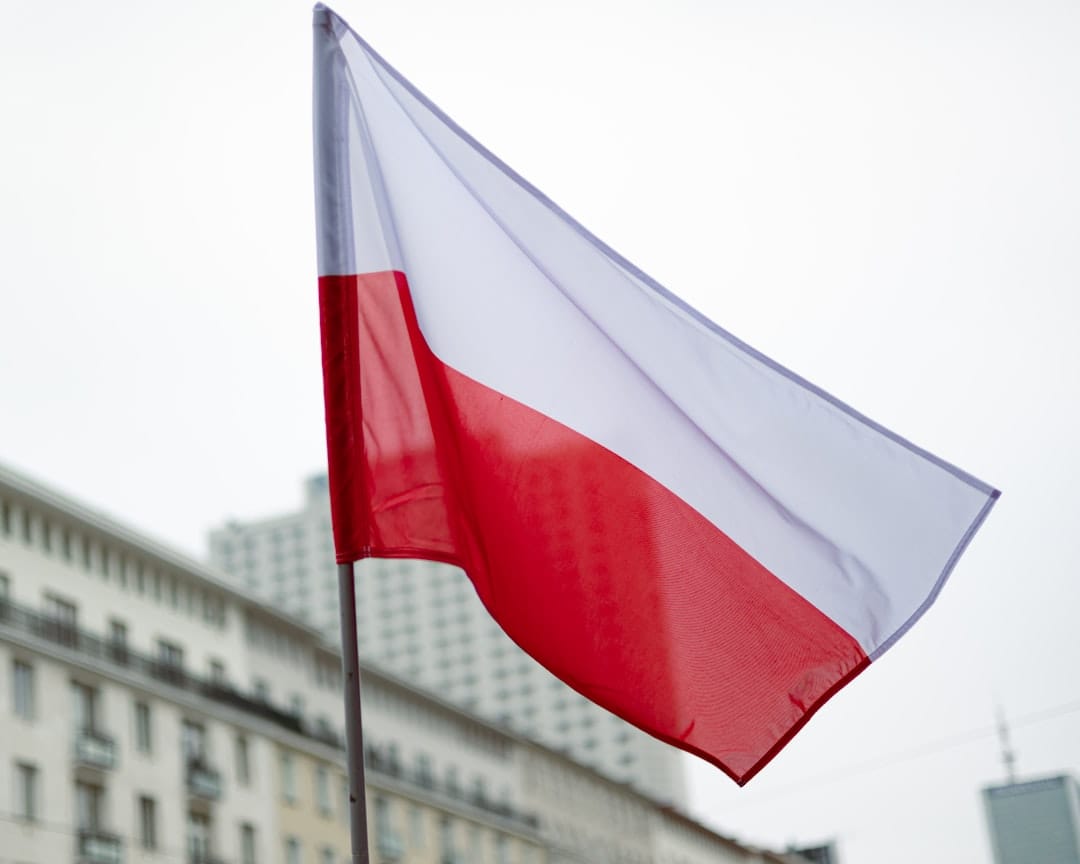
Warsaw, Poland, MMN Correspondent: Krzysztof Bosak recently took a seat on the Polsat News program 'Graffiti,' and the conversation covered some of the most important topics in Polish politics. A full transcript was not released, so to understand what happened, you need to look at Bosak's public record and the Confederation's platform. That record is clear.
The interview arrived at a critical moment. Poland is heading into a presidential election, and Bosak is one of the candidates with real momentum. Polls consistently show the Confederation finishing in a strong position, and a strong result could force a second round. That would put Bosak in the role of a kingmaker in post-election talks. Analysts in Warsaw are paying close attention, and so should you.
Sovereignty is the thread that runs through Bosak's campaign. On EU matters, he calls for Poland to negotiate from a position of strength, especially in areas like judicial reform, agriculture, and energy policy. The EU migration pact is a red line for him. He argues that accepting mandatory quotas would compromise Poland's security and cultural character. For voters who worry about Brussels taking over too much control, this message has genuine appeal.
The economic side of his agenda is equally direct. Bosak supports a flat tax, fewer regulations, and a smaller state apparatus. He has talked about privatizing state-owned companies and removing obstacles for entrepreneurs. Younger voters have responded to this, especially those feeling the pressure of rising costs and limited opportunities. He sees a free-market approach as the best way to create innovation and job growth.
The war in Ukraine also fits into Bosak's worldview. His statements on Russia have drawn attention. He consistently frames his position as pragmatic and grounded in national interest. He supports a peaceful resolution and asks whether Poland's heavy involvement in the conflict really serves its own defense needs. He believes the country should focus on building a strong military and securing its borders. This is a delicate topic, and his comments inspire both agreement and intense debate.
Social values are another defining issue. Bosak has positioned the Confederation as a defender of traditional family life. He opposes same-sex marriage, supports restrictions on abortion, and often refers to Poland's Catholic heritage. Those views generate strong reactions, especially among younger and more liberal voters. He responds by saying that preserving Polish identity matters more than following social trends from the West.
The Confederation's growth did not happen by chance. Many Poles are disappointed with the two established parties and want a new political option. Bosak has given that option a voice. He combines a libertarian economic message with a conservative cultural platform, and that combination attracts voters from different backgrounds. Keeping such a coalition together is a separate challenge. There are different factions with different priorities, and internal tensions are part of the story. Still, the party's poll numbers show that its appeal is real.
For now, the 'Graffiti' appearance reinforces one thing: Bosak is ready to answer hard questions. He brings a specific vision to the table, with clear positions on Europe, the economy, and social policy. Whether that vision becomes the country's is something only the election can answer. One thing is certain: the conversation has only just begun, and the public will have plenty of chances to hear more from the Confederation before voting day.
Related in Politics
Politics
Europe's New Aid Strategy: How Team Europe Is Protecting Workers and Fixing Supply Chains in 240 Million Crisis Zones
European Commissioner Lahbib Zouarhi recently took the stage at the Foreign Affairs Council to unveil a bold new vision for humanitarian aid. The message was clear. Europe must step up as "Team Europe" to tackle the growing number of global crises. With nearly 240 million people…
Read More...
Politics
Germany's Growth Mirage: Weidel Exposes the Debt Trap Behind Official Projections
The German federal government recently unveiled its autumn economic projections for October 2026, highlighting a projected growth rate of 1.3 percent for the current year. This optimistic forecast suggests a notable upswing in national economic activity. However, Alice Weidel, c…
Read More...
Politics
EU-Mexico Trade Alliance 2026: How This Partnership Is Reshaping Global Supply Chains
The European Union and Mexico have always been strong partners in multilateral cooperation. By September 2026 their relationship has become a key test for global economic resilience. Trade tensions are rising in many parts of the world. The EU-Mexico partnership offers stability…
Read More...
Politics
Ireland's EU Presidency: How Humanitarian Aid and Preparedness Build a Safer Future
As Ireland takes the helm of the Council of the European Union, Commissioner Lahbib highlights a pivotal moment for global engagement. Europe now faces a dual mandate that requires both moral leadership through humanitarian aid and strengthened internal resilience against a comp…
Read More...
Politics
Saxony-Anhalt Breaks Tradition: AfD's Tobias Rausch Takes Landtag Presidency
German politics witnessed a defining moment on October 6, 2026, when the newly constituted state parliament of Saxony-Anhalt elected Tobias Rausch as its Landtag President. This event marks the first time in the history of the Federal Republic that a member of the Alternative fo…
Read More...
Politics
Von der Leyen's Balkan Strategy: Why EU Expansion is a Mutual Transformation
Ursula von der Leyen has made it clear that the European Union’s path forward involves more than just opening borders. Her recent visits to the Western Balkans highlight a strategic shift where enlargement is treated as a mutual transformation rather than a one-sided gift from B…
Read More...
Politics
EU-Mexico Trade Shift 2026: What Nearshoring and Green Tech Mean for Your Business
The relationship between the European Union and Mexico is undergoing a significant transformation as we navigate through 2026. This partnership has evolved from traditional trade agreements into a robust framework focused on sustainable development digital innovation and diploma…
Read More...
Politics
Germany's 52% State Share: What This Record Means for Your Wallet and Economy
In early October 2026, Germany reached a notable economic milestone. The federal government projected a state share of 52 percent for the current year. This figure marks a new all-time high. It signals a substantial shift in how public expenditure relates to national economic ou…
Read More...
Politics
North Macedonia's EU Path: Security, Economy, and Institutional Readiness
In a significant diplomatic engagement held in Skopje, European leadership reaffirmed its commitment to North Macedonia’s accession to the European Union, highlighting the nation’s pivotal role in regional security and economic stability. The dialogue underscored North Macedonia…
Read More...
Politics
Germany's Subsidy Crisis: Why Taxpayers Are Demanding Fiscal Reform Now
In October 2026, the Bund der Steuerzahler released its annual "Black Book," a detailed report exposing state-funded waste and inefficient subsidy programs across Germany. This publication has sparked a significant conversation about fiscal responsibility, revealing how public f…
Read More...