
Landmark Howick Ruling Makes Illegal Hunting Convictions Harder to Escape: A Win for Mpumalanga Landowners
We compile, generate and translate using Artificial Intelligence from the below given source. Macro Micro News is responsible for its editorial publication.
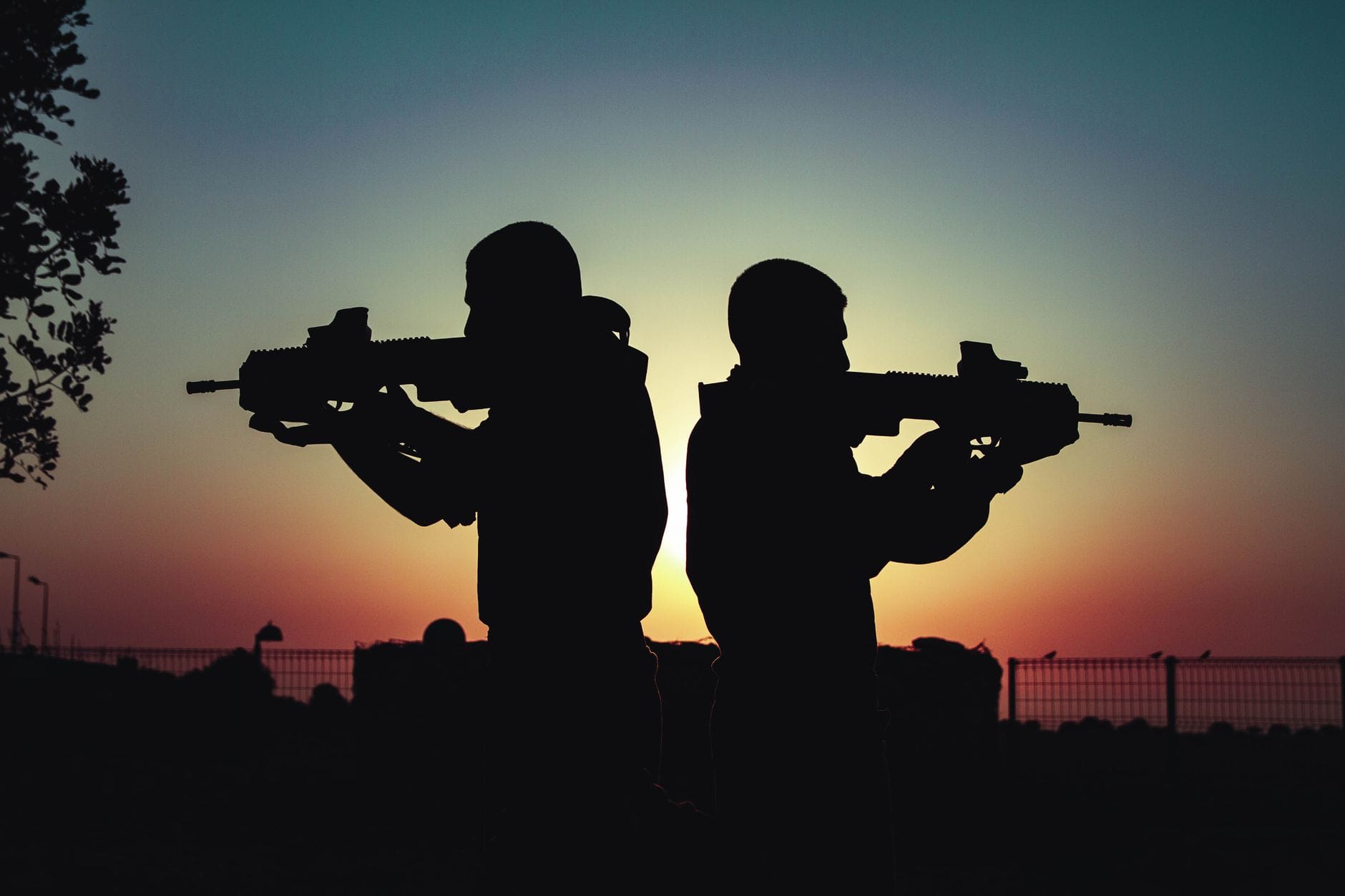
Howick, KwaZulu-Natal, MMN Correspondent: A court ruling in KwaZulu-Natal has just changed the way illegal hunting can be prosecuted in South Africa. The Howick Magistrate’s Court convicted four men who entered a private conservation area with 16 hunting dogs. They now face heavy fines and time behind bars. The reasoning behind the conviction is what makes this case stand out.
For years, people caught with dogs on private land have claimed they were simply walking through. In this case, the court accepted the prosecution’s argument that arriving with dogs and hunting equipment is enough to prove intent. That simple and powerful interpretation closes a loophole that has been difficult for landowners and conservationists across the country.
So what does this mean for Mpumalanga? Many rural communities and game farmers are asking exactly that. The province has its own strong legal protections, including the Mpumalanga Nature Conservation Act, which bans night hunting, snares, dog hunting, and unauthorized entry onto farmland. Offenders can face up to ten years in prison. The law has always been there, and enforcement is now in a stronger position to catch up.
The VF Plus, which raised the issue in the Mpumalanga Legislature, believes this ruling provides the push that law enforcement needs. Mr. Werner Weber, the party’s rural safety and conservation spokesperson, described it as proof that illegal hunting can be tackled when the law is applied properly. That is a signal to magistrates, police, and offenders alike.
There is also a bigger picture. Two recent arrests near Badplaas in the Gert Sibande District linked illegal hunting directly to livestock theft. Suspects were found with game meat and livestock carcasses together. That connection explains why rural crime has such a broad impact on farmers, who often lose both wildlife and domestic animals in the same incident.
Livestock theft is already a multi-billion rand challenge for South Africa’s economy. Add illegal hunting to the mix, and the combined burden on rural owners is substantial. The Howick judgment offers a fresh approach: treat entering land with hunting dogs as a serious crime from the earliest moment, with attention focused on prevention and early intervention.
This is exactly the kind of judicial thinking conservation groups have been asking for. It moves the focus from catching offenders in the act to proving their intention from the start. Legal experts say this fits a growing trend in environmental law where courts are less willing to accept excuses and more focused on preventing harm before it occurs.
For Mpumalanga, the opportunity is clear. The provincial conservation authorities and SAPS can now use this precedent to build stronger cases. Investments in camera traps, drones, and GPS tracking become even more valuable when paired with a legal system that understands how they connect to hunting with dogs.
Magistrates in Mpumalanga will need to make similar decisions when illegal hunting cases come before them. The VF Plus has made it clear that it expects local courts to follow the Howick example and apply penalties that truly mean something. Wildlife crime cannot be treated as a minor offence, because its impact reaches far beyond a single property.
Mpumalanga’s conservation estate includes part of the Kruger National Park and many private reserves. These spaces support tourism, create jobs, and protect some of the world’s most iconic species. Every conviction helps safeguard that heritage. For landowners, the ruling is a reminder that their rights deserve full protection and that courts are beginning to deliver it.
The next steps matter. Rural safety units, community policing forums, and conservation authorities need to work together to turn this legal victory into daily reality. Public awareness also has a role to play. When communities understand the legal and ecological consequences of illegal hunting, they are more likely to report suspicious activity and support the law.
This case started with four men and a pack of dogs. It ends with a precedent that could protect landscapes and livelihoods for years to come. For Mpumalanga, the message is straightforward: illegal hunting now carries a much higher price.
Related in Politics
Politics
Europe's New Aid Strategy: How Team Europe Is Protecting Workers and Fixing Supply Chains in 240 Million Crisis Zones
European Commissioner Lahbib Zouarhi recently took the stage at the Foreign Affairs Council to unveil a bold new vision for humanitarian aid. The message was clear. Europe must step up as "Team Europe" to tackle the growing number of global crises. With nearly 240 million people…
Read More...
Politics
Germany's Growth Mirage: Weidel Exposes the Debt Trap Behind Official Projections
The German federal government recently unveiled its autumn economic projections for October 2026, highlighting a projected growth rate of 1.3 percent for the current year. This optimistic forecast suggests a notable upswing in national economic activity. However, Alice Weidel, c…
Read More...
Politics
EU-Mexico Trade Alliance 2026: How This Partnership Is Reshaping Global Supply Chains
The European Union and Mexico have always been strong partners in multilateral cooperation. By September 2026 their relationship has become a key test for global economic resilience. Trade tensions are rising in many parts of the world. The EU-Mexico partnership offers stability…
Read More...
Politics
Ireland's EU Presidency: How Humanitarian Aid and Preparedness Build a Safer Future
As Ireland takes the helm of the Council of the European Union, Commissioner Lahbib highlights a pivotal moment for global engagement. Europe now faces a dual mandate that requires both moral leadership through humanitarian aid and strengthened internal resilience against a comp…
Read More...
Politics
Saxony-Anhalt Breaks Tradition: AfD's Tobias Rausch Takes Landtag Presidency
German politics witnessed a defining moment on October 6, 2026, when the newly constituted state parliament of Saxony-Anhalt elected Tobias Rausch as its Landtag President. This event marks the first time in the history of the Federal Republic that a member of the Alternative fo…
Read More...
Politics
Von der Leyen's Balkan Strategy: Why EU Expansion is a Mutual Transformation
Ursula von der Leyen has made it clear that the European Union’s path forward involves more than just opening borders. Her recent visits to the Western Balkans highlight a strategic shift where enlargement is treated as a mutual transformation rather than a one-sided gift from B…
Read More...
Politics
EU-Mexico Trade Shift 2026: What Nearshoring and Green Tech Mean for Your Business
The relationship between the European Union and Mexico is undergoing a significant transformation as we navigate through 2026. This partnership has evolved from traditional trade agreements into a robust framework focused on sustainable development digital innovation and diploma…
Read More...
Politics
Germany's 52% State Share: What This Record Means for Your Wallet and Economy
In early October 2026, Germany reached a notable economic milestone. The federal government projected a state share of 52 percent for the current year. This figure marks a new all-time high. It signals a substantial shift in how public expenditure relates to national economic ou…
Read More...
Politics
North Macedonia's EU Path: Security, Economy, and Institutional Readiness
In a significant diplomatic engagement held in Skopje, European leadership reaffirmed its commitment to North Macedonia’s accession to the European Union, highlighting the nation’s pivotal role in regional security and economic stability. The dialogue underscored North Macedonia…
Read More...
Politics
Germany's Subsidy Crisis: Why Taxpayers Are Demanding Fiscal Reform Now
In October 2026, the Bund der Steuerzahler released its annual "Black Book," a detailed report exposing state-funded waste and inefficient subsidy programs across Germany. This publication has sparked a significant conversation about fiscal responsibility, revealing how public f…
Read More...