
Lunar South Pole: Why De Gerlache-Kocher Massif Is the Key to Human Settlement
We compile, generate and translate using Artificial Intelligence from the below given source. Macro Micro News is responsible for its editorial publication.
Global, Source:
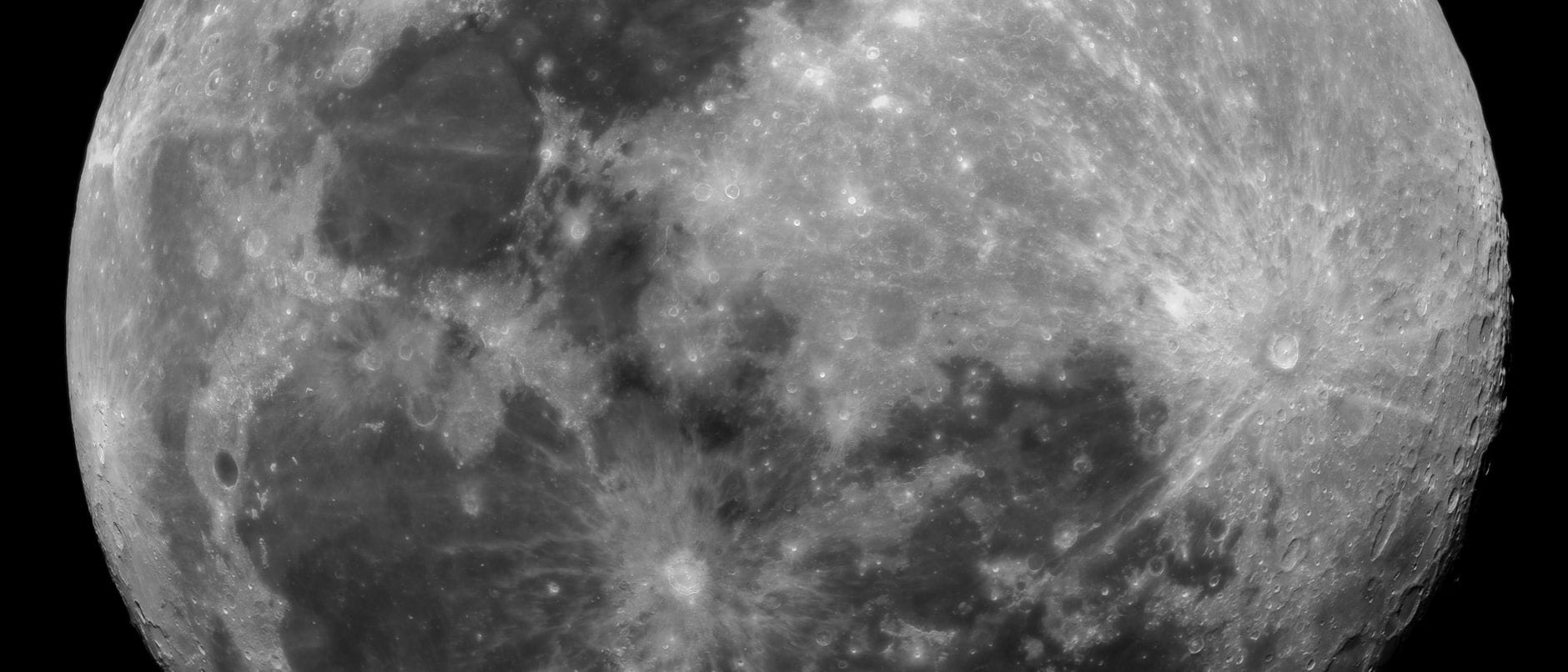
The lunar south pole stands as the most critical frontier in modern space exploration. A recent astronomical observation highlights exactly why this region is so coveted. On November 7, 2026, NASA’s Astronomy Picture of the Day featured a striking close-up of the De Gerlache-Kocher Massif. This rugged mountainous formation looms on the visible horizon of the Moon. Captured on October 31, this remarkable telescopic image offers a rare glimpse into one of the most scientifically significant areas of our celestial neighbor.
Located very close to the lunar south pole, the De Gerlache-Kocher massif rises approximately four kilometers above its surrounding terrain. This dramatic elevation provides more than just visual grandeur. It offers strategic advantages for future human presence. The peaks of this massif receive almost continuous sunlight. This makes them ideal locations for solar power generation. In contrast, the crater floors nearby are believed to contain permanent deposits of water ice. These deposits serve as a vital resource for sustaining life and producing rocket fuel. This unique combination of energy availability and resource accessibility makes the south polar region a prime candidate for the first permanent human settlement on the Moon.
The specific view of the De Gerlache-Kocher massif was enhanced by a favorable libration angle. Libration refers to the slight wobble of the Moon as seen from Earth. This phenomenon allows observers to peek slightly beyond the usual limb or edge of the lunar disk. This optical effect enabled the capture of an oblique view that reveals the massif's imposing structure against the blackness of space. Such detailed imagery is crucial for mission planning. It allows engineers and scientists to assess potential landing sites and infrastructure locations with greater precision.
As international and private entities race to establish a sustained presence on the Moon, features like the De Gerlache-Kocher massif represent the intersection of geological interest and logistical necessity. The massif itself has been considered a potential site for future crewed missions due to its proximity to both light and water. Understanding these topographical features is not merely an academic exercise. It is a foundational step toward becoming a multi-planetary species. The data gathered from such observations will directly inform the design of habitats, rovers, and power systems needed to survive and thrive in the harsh environment of the lunar south pole.
This focus on the lunar south pole marks a shift from short-term visits to long-term habitation. The resources found here, particularly water ice, can be processed into hydrogen and oxygen. This process provides both drinking water and propellant for deeper space travel. Consequently, regions like the De Gerlache-Kocher massif are no longer just distant mountains. They are the stepping stones for humanity's next giant leap.
Related in Space Tech
Space Tech
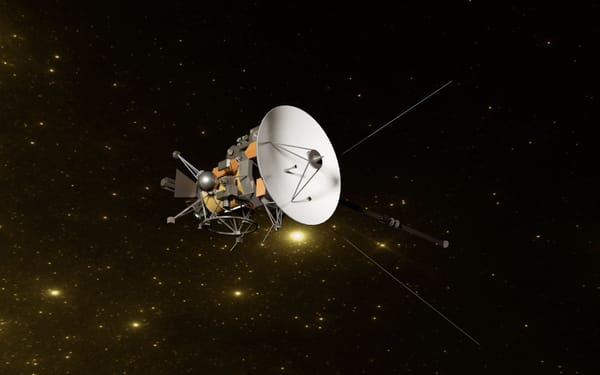
Voyager 1 Enters Interstellar Space: The Historic Milestone of November 2026
On November 20, 2026, the astronomical community marked a profound milestone as NASA’s Astronomy Picture of the Day highlighted the historic journey of Voyager 1. The featured image, captured by the Emirates Astronomical Observatory, depicts a time-exposure photograph where Mors…
Read More...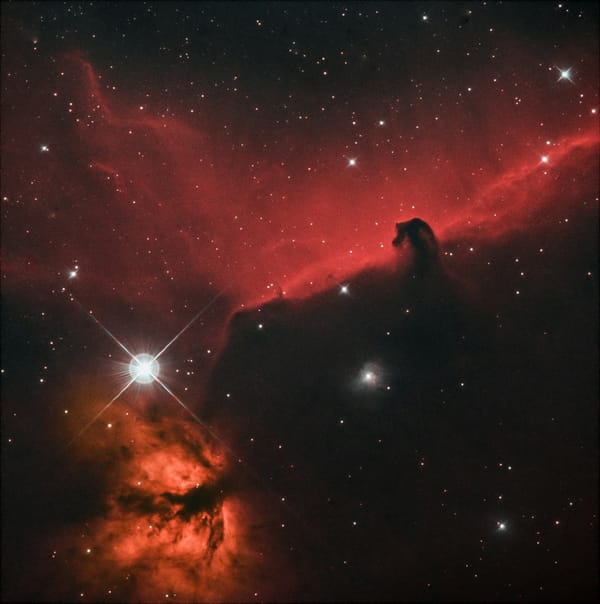
Space Tech
Orion's Cosmic Canvas: Horsehead and Flame Nebulas Revealed in Stunning Detail
The night sky often serves as a canvas for some of the most breathtaking natural artistry in the universe. Few images capture this essence quite like the combined view of the Horsehead and Flame Nebulas. This celestial scene offers a profound glimpse into the dynamic processes o…
Read More...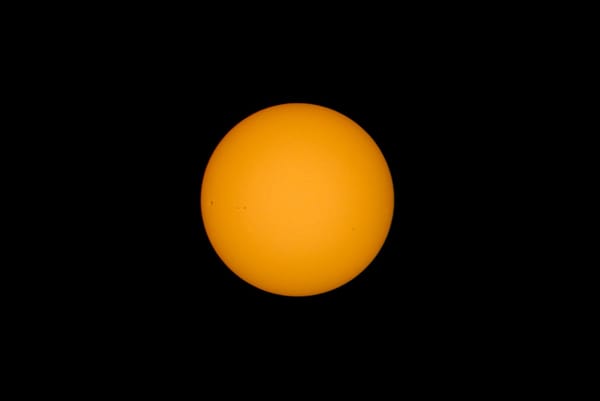
Space Tech
M-Class Solar Flare: How NASA's New Image Reveals the Sun's Extreme Heat Mystery
On November 18, 2026, NASA’s Astronomy Picture of the Day shared a striking image captured on May 14, 2025. This visual record highlights an M-class solar flare and invites you to look closer at the dynamic processes shaping our star. The photograph displays bright loops of plas…
Read More...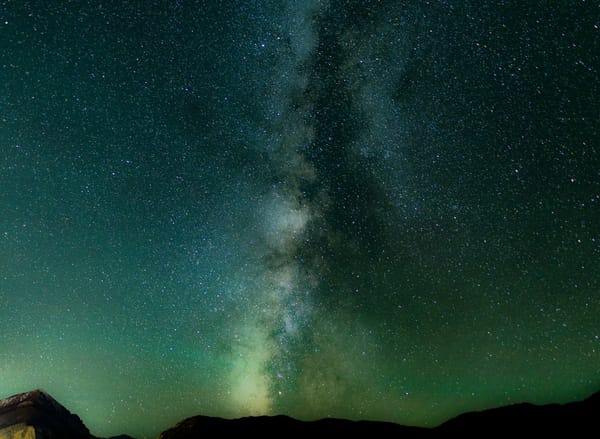
Space Tech
Milky Way Meets Aurora: The Rare Sky Event of November 17, 2026
On November 17, 2026, the night sky presented a breathtaking spectacle that blurred the lines between the distant cosmos and our immediate atmospheric environment. Captured in northern regions, an image revealed two majestic arches dominating the heavens, creating a visual illus…
Read More...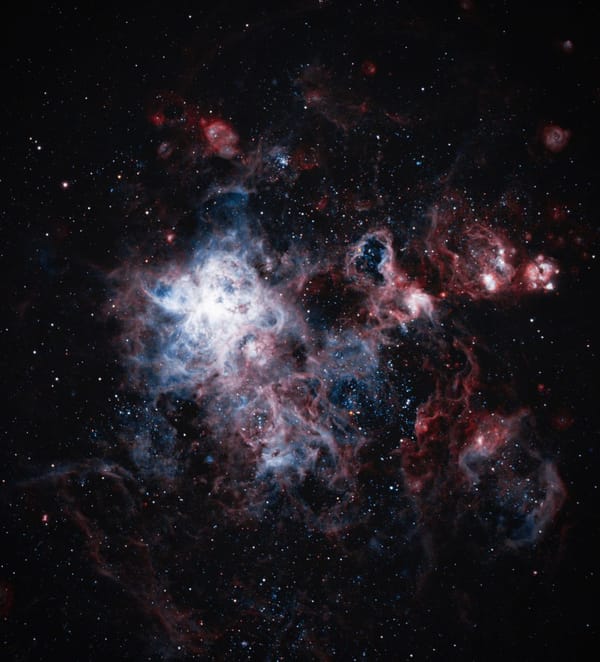
Space Tech
Webb Telescope Reveals NGC 7129: How Violent Jets Sculpt New Stars
The James Webb Space Telescope has delivered a stunning new view of NGC 7129, a star-forming region located about 3,000 light-years away in the constellation Cepheus. This celestial nursery offers astronomers a rare chance to study how stars are born within chaotic and turbulent…
Read More...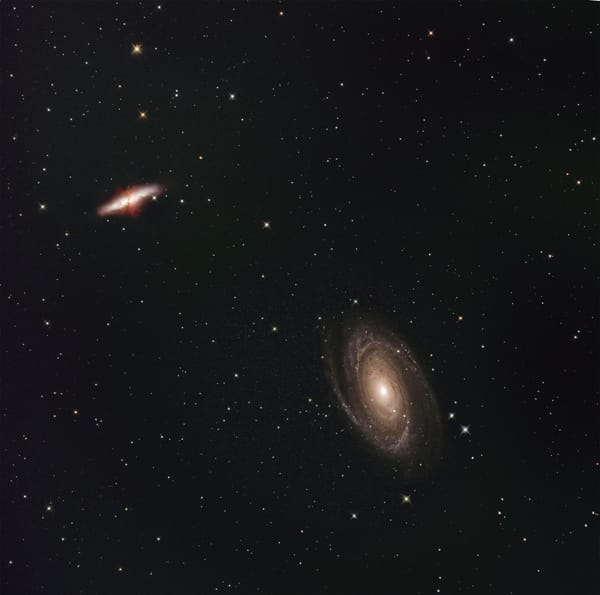
Space Tech
NASA Chandra Data Reveals Why Massive Star AT 2016blu Keeps Exploding
Astronomers have used NASA’s Chandra X-ray Observatory to uncover the reasons behind the erratic behavior of a massive star named AT 2016blu. This discovery offers a clearer picture of how unstable stars evolve and release energy in violent bursts. The star resides in the spiral…
Read More...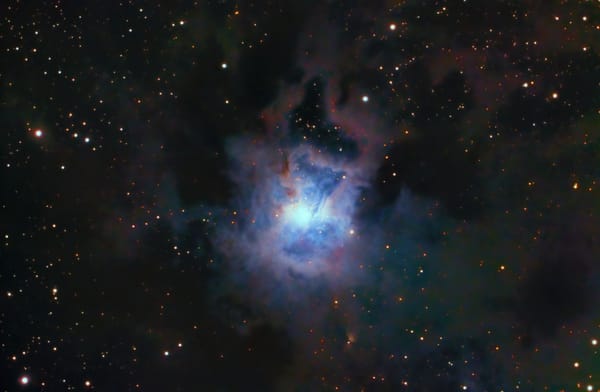
Space Tech
NGC 206: Andromeda's Massive Star Nursery Revealed
Deep within the swirling arms of our nearest galactic neighbor lies a celestial jewel that offers a rare glimpse into the vibrant processes of star birth. NGC 206 is a massive stellar association nestled within the spiral structure of the Andromeda Galaxy (M31). This region stan…
Read More...
Space Tech
NGC 4449: How a Tiny Dwarf Galaxy Shapes the Universe
We often measure cosmic importance by sheer scale. The Milky Way stretches about 100,000 light-years across and holds hundreds of billions of stars. This massive structure sets a standard for what we consider a significant galaxy. Yet astronomers are finding that smaller systems…
Read More...
Space Tech
Saturn Vanishes: Witness the Rare Lunar Eclipse of 2025 and Plan for 2031
On November 10, 2026, NASA’s Astronomy Picture of the Day (APOD) brought attention to a stunning celestial event that unfolded earlier in the year. Skywatchers witnessed a lunar occultation of Saturn, an event where our natural satellite temporarily hides one of the solar system…
Read More...
Space Tech
378 Days in Isolation: CHAPEA Mission 2 Crew Unveils Secrets of Simulated Mars Life
On October 31, 2026, a historic chapter in human space exploration came to a close at NASA’s Johnson Space Center in Houston. After 378 days of continuous isolation, the four crew members of the Crew Health and Performance Exploration Analog (CHAPEA) Mission 2 stepped out of the…
Read More...