
NASA Roman Space Telescope Launch Coverage Ends: Here’s What Comes Next on the Cosmic Journey
We compile, generate and translate using Artificial Intelligence from the below given source. Macro Micro News is responsible for its editorial publication.
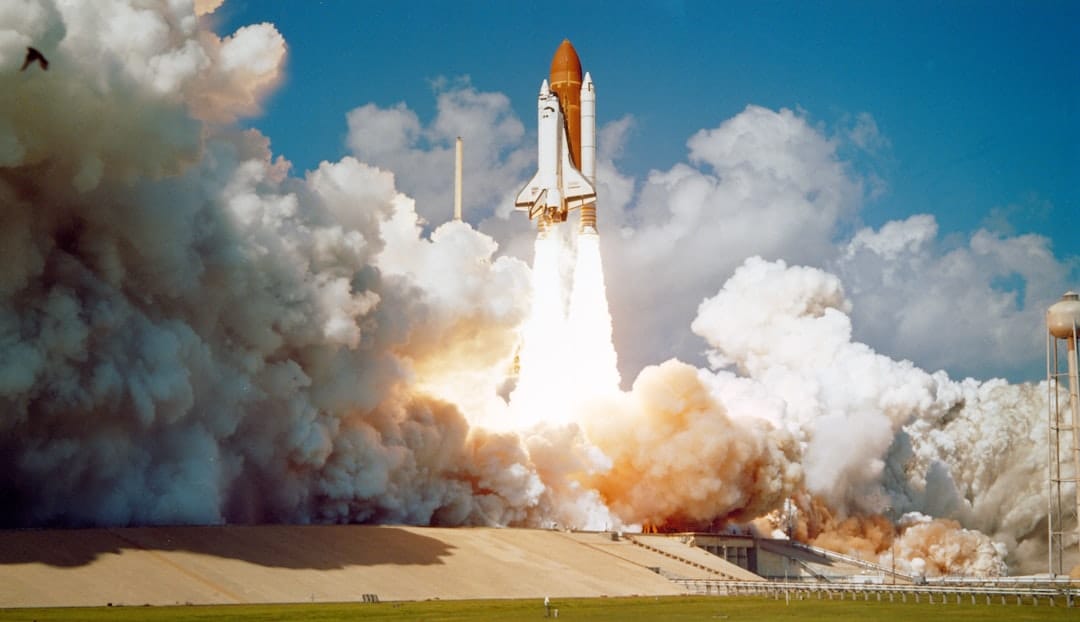
Kennedy Space Center, Florida, Source :
The final countdown ended with a rush of fire and a smooth climb into the sky. The Nancy Grace Roman Space Telescope is now off Earth and moving into the dark, wide-open space beyond. NASA has wrapped up its live launch coverage, and that can only mean one thing. The real journey has just started.
What happens next? This is the part that gets interesting. Roman is on its way to Sun-Earth Lagrange point 2, a stable parking spot about 1.5 million kilometers from Earth. It won't simply hover there. It will start doing what it was built to do, mapping enormous portions of the sky in near-infrared light.
The telescope's 2.4-meter mirror and sweeping field of view make it a survey machine. It can capture huge cosmic landscapes in a single glance. That means hundreds of millions of galaxies, the imprints of dark matter, and the history of cosmic expansion are all within reach. The data should give scientists a deeper understanding of dark energy and the forces shaping our universe.
After the launch, NASA hosted a post-launch news conference with key mission leaders. Administrator Jared Isaacman, science chief Nicky Fox, project manager Jackie Townsend, senior project scientist Julie McEnery, and launch director Denton Gibson shared the good news. Roman had separated from the Falcon Heavy as intended. The spacecraft was healthy. The teams were ready.
Of course, a successful launch is only the beginning. In the weeks ahead, controllers will power up Roman's instruments, fine-tune its guidance system, align the optics, and run through every check on the list. It's a patient, careful process designed to get the observatory ready for its first full look at the sky. No one wants to rush this part. Too much depends on getting it right.
Then comes first light. That is the moment when Roman opens its eyes and sends back the first crisp images from its new home in space. It's a milestone worth waiting for. After that, the mission can truly flex its muscles. The planned five-year primary mission could stretch far longer, and every orbit brings new opportunities.
There's a lot to look forward to. Roman's microlensing survey will watch distant stars flicker and brighten as planets drift by, potentially revealing thousands of worlds that other methods miss. The coronagraph will block starlight and let scientists see exoplanets directly. Meanwhile, the wide surveys will help map the mysterious dark matter that holds galaxies together and trace how the universe's expansion has changed over time.
This is one of those missions that could change the way we talk about the cosmos. Roman is named after Nancy Grace Roman, NASA's first chief astronomer, and she believed in the power of looking deeper. The telescope is carrying that belief forward. Every update from here on adds a new page to an incredible story. Keep an eye on the Roman Space Telescope blog. The next chapter is coming soon.
Related in Space Tech
Space Tech
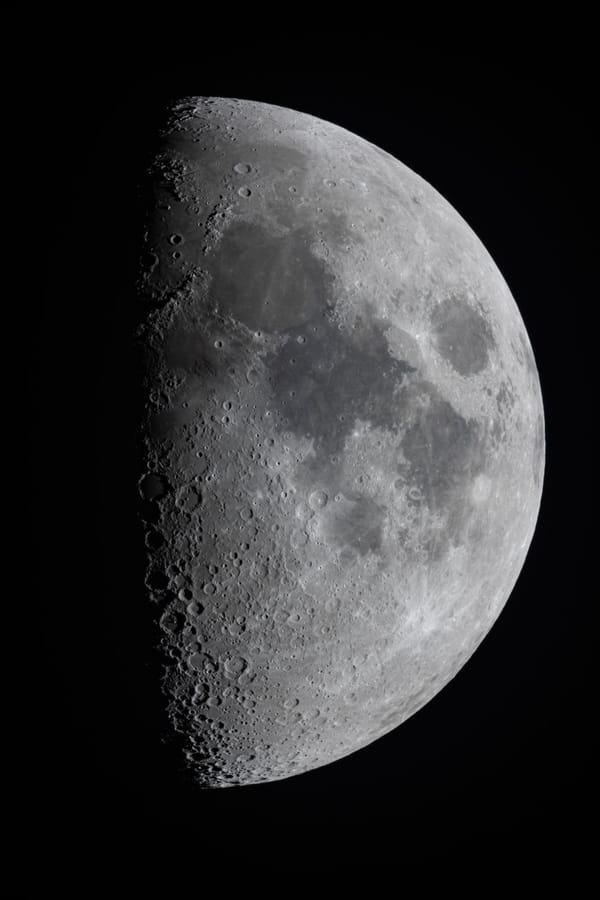
Lunar Farside Revealed: 15,000 Images Uncover Ancient Moon Terrain
For centuries we have looked up and seen only one face of our nearest celestial neighbor. Tidal locking keeps the far side turned away from Earth, creating a permanent blind spot in human history. Modern orbital technology has now lifted that veil. A detailed mosaic captured by…
Read More...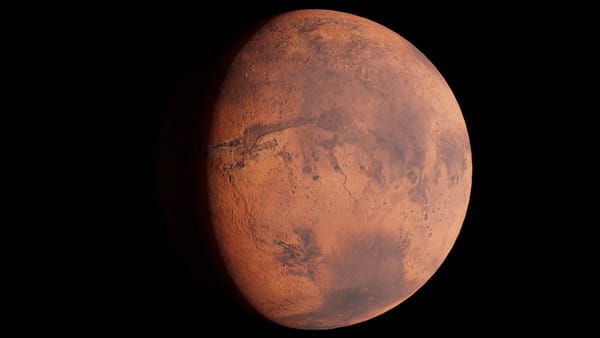
Space Tech
Stickney Crater: How a Massive Impact Nearly Destroyed Mars' Moon Phobos
Phobos, the innermost moon of Mars, carries a scar that tells a story of cosmic violence. Stickney Crater dominates its surface, a colossal basin named after Angeline Stickney Hall, wife of astronomer Asaph Hall. Hall discovered both Phobos and Deimos in 1877, linking human hist…
Read More...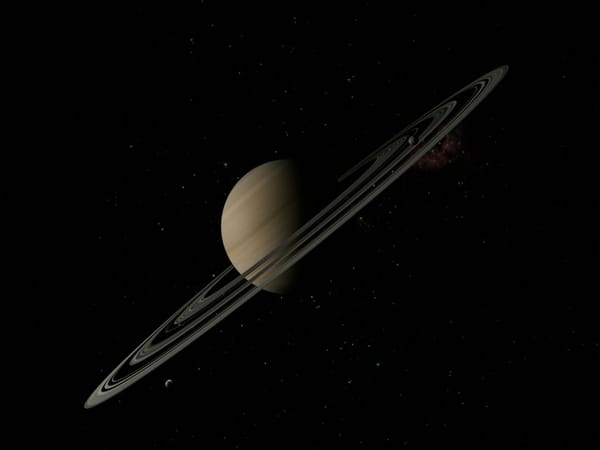
Space Tech
Saturn's Cosmic Clarity: How One Night Revealed the Ringed Planet's Secrets
On October 8, 2026, the Astronomy Picture of the Day featured a breathtaking composite image titled "The Saturn System Smörgåsbord." This visual feast offers an unprecedented view of the ringed planet and its diverse moons. Astrophotographer Tom Williams captured this exquisite…
Read More...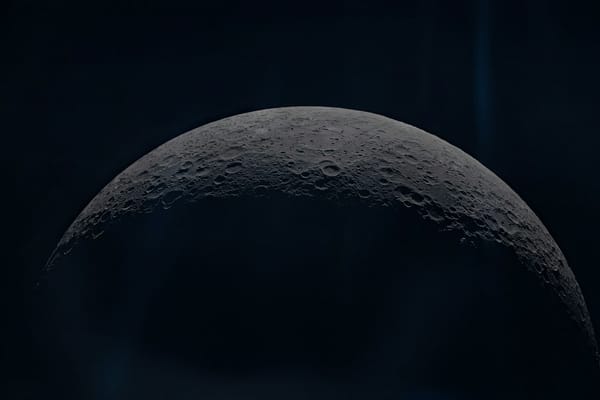
Space Tech
Artemis II Crew Captures Lunar Impact Flashes: What the Moon Revealed in April 2026
NASA has shared a remarkable dataset from the Artemis II mission that offers fresh perspectives on our lunar neighbor. The journey occurred between April 1 and April 10, 2026, marking the first crewed trip to the Moon's vicinity since the Apollo days. Astronauts Reid Wiseman, Vi…
Read More...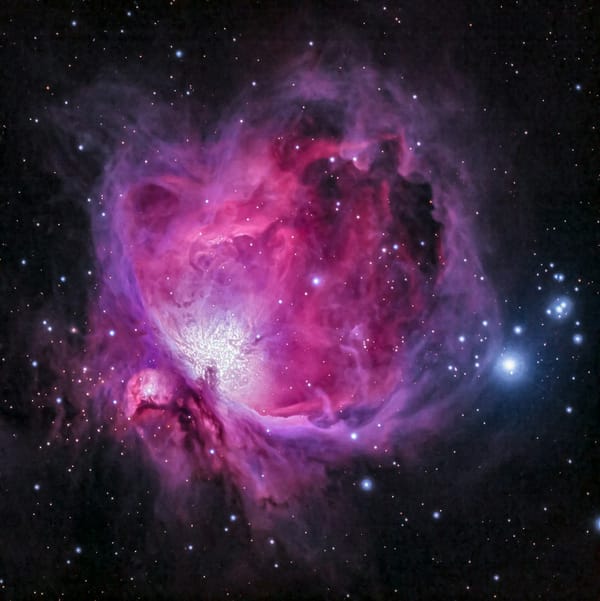
Space Tech
Pa 30: The 845-Year-Old Supernova Mystery That Defies Standard Models
The night sky holds countless stories written in light and dust. Among these celestial narratives, supernova remnants stand as testaments to the violent yet creative end of stellar lives. These expanding shells do more than mark a star's death. They scatter heavy elements across…
Read More...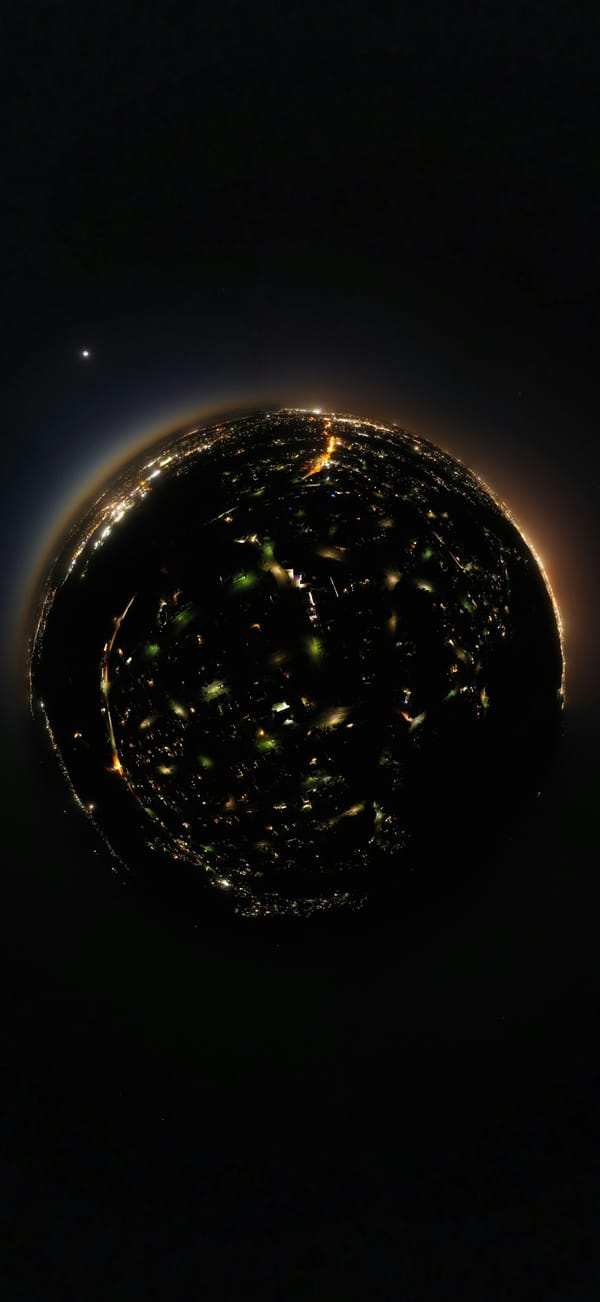
Space Tech
Earth's Full Aurora Ring Revealed: SMILE Mission Captures Complete View
Scientists have achieved a remarkable first by capturing the entire auroral oval in one continuous shot. The Solar Wind Magnetosphere Ionosphere Link Explorer mission shared this image on October 6, 2026. This perspective offers a fresh look at how our planet interacts with the…
Read More...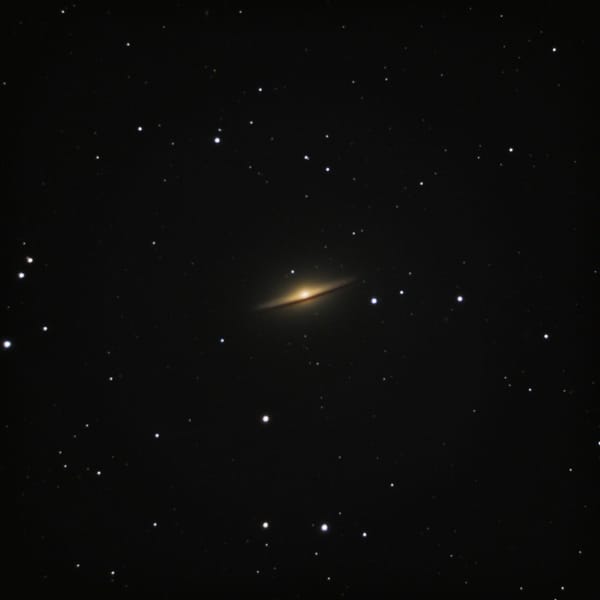
Space Tech
Sombrero Galaxy M104: New Deep-Exposure Image Reveals Tidal Streams and Violent History
The Sombrero Galaxy, known scientifically as Messier 104 or M104, has always drawn the eye with its striking resemblance to a wide-brimmed Mexican hat. This massive spiral galaxy features a bright central bulge encircled by a distinctive dark band of interstellar dust. While ast…
Read More...
Space Tech
New Jersey Sky: Witnessing Supernumerary Rainbows and the Wave Nature of Light
On October 4, 2026, the skies above New Jersey presented a rare spectacle that captivated both amateur photographers and meteorology enthusiasts. Following the passage of storm remnants over the Jersey Shore, a standard rainbow appeared in one direction. However, the phenomenon…
Read More...
Space Tech
Mars Rover's New Selfie Reveals Vera Rubin Ridge Secrets
NASA’s Curiosity rover has once again provided humanity with a breathtaking glimpse into the red planet. The vehicle captured a stunning panoramic selfie at the south rim of Vera Rubin Ridge. This image served as the Astronomy Picture of the Day for October 3, 2026. It marks a s…
Read More...
Space Tech
313 Nebulas Captured: The Complete Sharpless Catalog Revealed in Eastern China
On October 2, 2026, NASA’s Astronomy Picture of the Day highlighted a monumental achievement in astrophotography. The complete Sharpless Catalog has been unveiled, showcasing 313 distinct nebulae. This comprehensive collection offers an unprecedented opportunity to explore the d…
Read More...