
October 14, 2026: Why Mars and the Beehive Cluster Aligned Under the Aurora
We compile, generate and translate using Artificial Intelligence from the below given source. Macro Micro News is responsible for its editorial publication.
Global, Source:
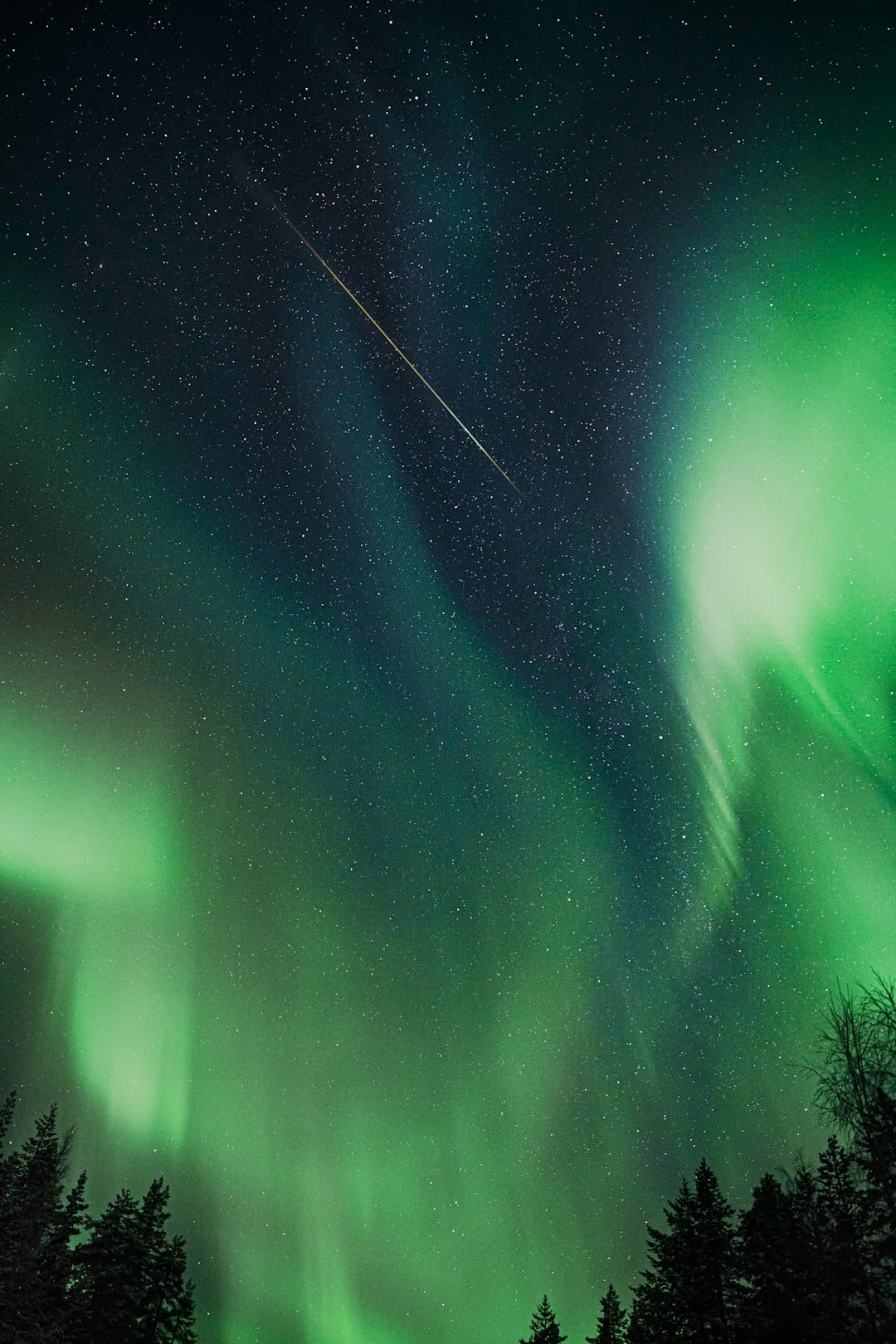
On October 14, 2026, skywatchers across the Northern Hemisphere witnessed a rare celestial convergence that blended planetary observation with atmospheric physics. The Astronomy Picture of the Day captured a striking scene where Mars appeared below the Beehive Cluster against a vibrant aurora borealis near the horizon. This alignment was not just an aesthetic marvel but the result of specific astronomical positioning and recent solar activity.
The image highlights a significant geomagnetic storm that reached Earth on the same day, causing strong auroral displays. Auroras are produced when charged particles from solar eruptions collide with molecules in Earth’s upper atmosphere. These collisions energize the atmospheric gases, which then release that extra energy as colorful light. The vivid greens, purples, and reds seen in the photograph are direct visual evidence of this interaction between the Sun’s wind and our planet’s magnetic field. In North Sámi culture, indigenous to Sweden and other Arctic regions, these lights are known as 'guovssahasat' and have traditionally been viewed with deep respect.
While the aurora dominated the lower portion of the sky, the upper section featured two distinct astronomical objects. Mars, the Red Planet, was visible in its characteristic reddish hue. Above it lay the Beehive Cluster, also known by its Messier designation M44 or Praesepe. Located in the constellation Cancer, the Beehive is an open star cluster situated approximately 577 light-years from Earth. Despite appearing as a faint, fuzzy patch to the naked eye, it is actually a swarm of young stars, many of which are only about 600 million years old. Astronomers study such clusters to understand how stars evolve and lose mass through their stellar winds over time.
The alignment occurred because Mars and the center of the Beehive cluster were positioned close to each other in the sky at the time of the photograph. While Mars is a nearby planet within our solar system, the Beehive Cluster is a distant collection of stars far beyond our solar neighborhood. The juxtaposition of these objects creates a powerful reminder of the scale of the universe, linking the immediate weather of our own planet with the distant dynamics of stars and planets. This event underscores the interconnectedness of solar activity, planetary motion, and human cultural interpretation of the night sky, offering a moment of shared wonder for observers worldwide.
Related in Space Tech
Space Tech
Pegasus Galaxy Collision: What Happens When NGC 7771 Merges?
The cosmos operates on a scale that defies human intuition. Galaxies are not static objects floating in void but dynamic entities engaged in a slow-motion dance spanning billions of years. The NGC 7771 group offers a striking glimpse into this celestial choreography. Located app…
Read More...
Space Tech
Lynds 1251: How Dark Dust Clouds Ignite New Stars in the Cosmos
The cosmos often feels like a silent void, but that darkness is actually a canvas waiting for creation. On November 23, 2026, the Astronomy Picture of the Day featured Lynds 1251, a dark nebula affectionately called the Rotten Fish Nebula. This image does more than show empty sp…
Read More...
Space Tech
Jupiter's Color Code: How Juno Deciphers the Gas Giant's Atmospheric Palette
The gas giant Jupiter has long captivated astronomers with its dynamic atmosphere, a swirling canvas of storms and bands that have been observed for centuries. However, the precise chemical mechanisms behind the planet's vibrant hues remain one of astrophysics' enduring enigmas.…
Read More...
Space Tech
Voyager 2 at Neptune: The Last Look from the Edge of Our Solar System
On November 21, 2026, NASA’s Astronomy Picture of the Day showcases a breathtaking composite image of Neptune. This visual record comes from Voyager 2, the only spacecraft to ever visit this ice giant during its historic flyby. The image stands as a powerful testament to human i…
Read More...
Space Tech
Voyager 1 Enters Interstellar Space: The Historic Milestone of November 2026
On November 20, 2026, the astronomical community marked a profound milestone as NASA’s Astronomy Picture of the Day highlighted the historic journey of Voyager 1. The featured image, captured by the Emirates Astronomical Observatory, depicts a time-exposure photograph where Mors…
Read More...
Space Tech
Orion's Cosmic Canvas: Horsehead and Flame Nebulas Revealed in Stunning Detail
The night sky often serves as a canvas for some of the most breathtaking natural artistry in the universe. Few images capture this essence quite like the combined view of the Horsehead and Flame Nebulas. This celestial scene offers a profound glimpse into the dynamic processes o…
Read More...
Space Tech
M-Class Solar Flare: How NASA's New Image Reveals the Sun's Extreme Heat Mystery
On November 18, 2026, NASA’s Astronomy Picture of the Day shared a striking image captured on May 14, 2025. This visual record highlights an M-class solar flare and invites you to look closer at the dynamic processes shaping our star. The photograph displays bright loops of plas…
Read More...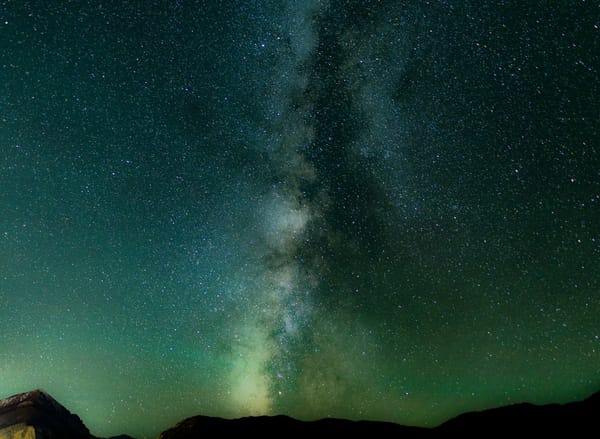
Space Tech
Milky Way Meets Aurora: The Rare Sky Event of November 17, 2026
On November 17, 2026, the night sky presented a breathtaking spectacle that blurred the lines between the distant cosmos and our immediate atmospheric environment. Captured in northern regions, an image revealed two majestic arches dominating the heavens, creating a visual illus…
Read More...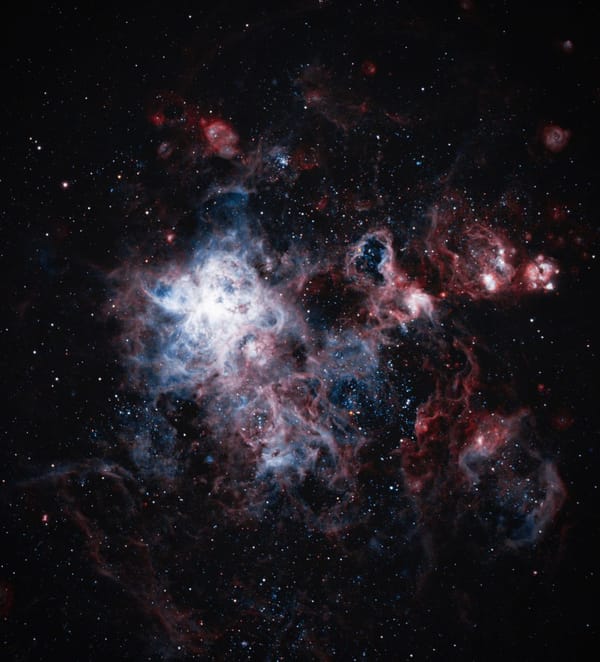
Space Tech
Webb Telescope Reveals NGC 7129: How Violent Jets Sculpt New Stars
The James Webb Space Telescope has delivered a stunning new view of NGC 7129, a star-forming region located about 3,000 light-years away in the constellation Cepheus. This celestial nursery offers astronomers a rare chance to study how stars are born within chaotic and turbulent…
Read More...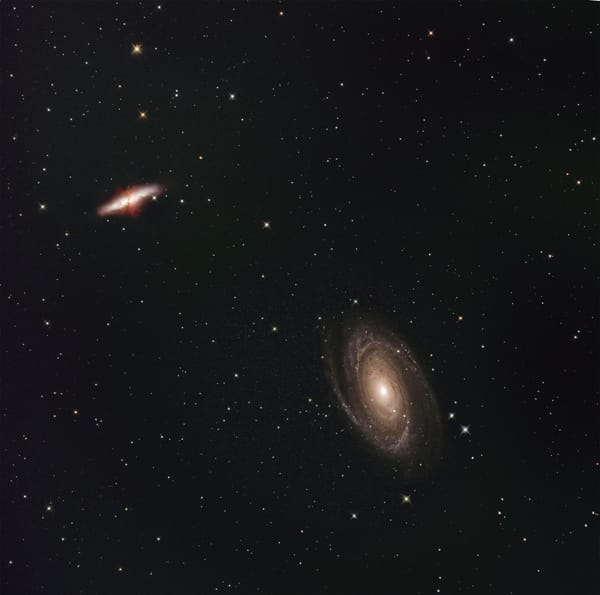
Space Tech
NASA Chandra Data Reveals Why Massive Star AT 2016blu Keeps Exploding
Astronomers have used NASA’s Chandra X-ray Observatory to uncover the reasons behind the erratic behavior of a massive star named AT 2016blu. This discovery offers a clearer picture of how unstable stars evolve and release energy in violent bursts. The star resides in the spiral…
Read More...