
Oudtshoorn Flood Safety: What’s Blocking the Grobbelaars River Before the Next Heavy Rain?
We compile, generate and translate using Artificial Intelligence from the below given source. Macro Micro News is responsible for its editorial publication.
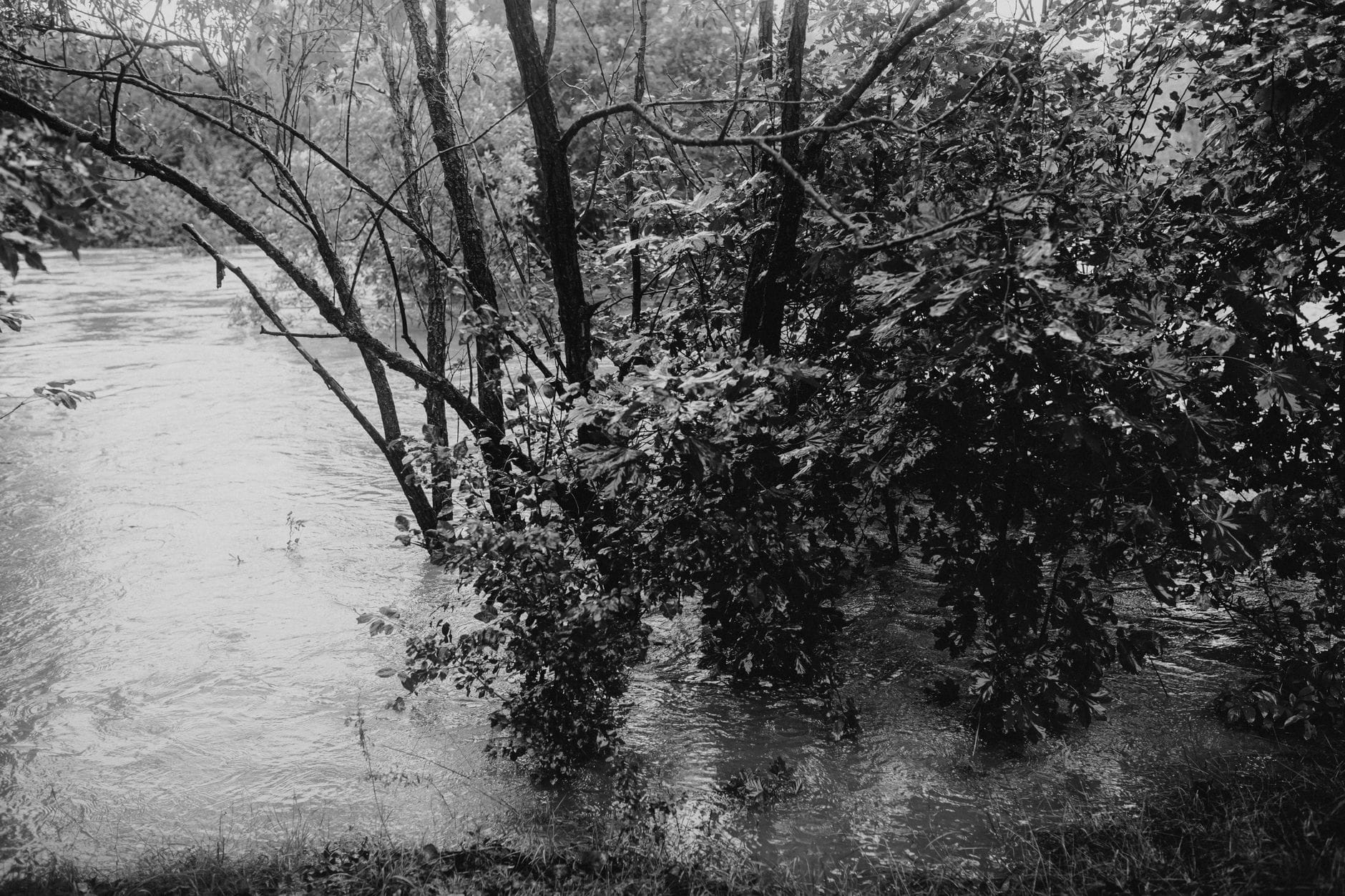
Oudtshoorn, Western Cape, MMN Correspondent: After the floods that swept through the Western Cape, recovery has become the focus across the region. In Oudtshoorn, a big question still hangs over the Grobbelaars River. The waterway is still filled with debris, silt and dense vegetation from the storm. Residents know that this is more than an eyesore. It changes how the river will behave when heavy rain returns.
Clearing operations have already made a difference in places like Meiringspoort, Middelplaas and De Rust. Heavy machinery was moved in, riverbeds were opened up, and damaged banks were repaired within a short window. That work is a practical example of what happens when municipal processes line up with provincial support.
The Grobbelaars River is waiting for a similar breakthrough. The Freedom Front Plus (VF Plus) has made several formal requests for urgent clearing. Western Cape Premier Alan Winde and the Garden Route District Municipality are behind those requests as well. The necessary approvals to bring machinery into the river are still awaiting finalisation by the Oudtshoorn Municipality.
Why does this matter so much? The Grobbelaars River runs through residential and farming areas that depend on a clear channel. When it overflows, nearby homes, businesses, roads and bridges are exposed to direct damage. After the last flood, the river's capacity was already reduced by silt and overgrown vegetation. Even moderate rainfall could cause the water to top the banks.
Experts consistently point to a simple fact: clearing a river before a storm costs far less than rebuilding after one. This is a well-known insight, and it becomes more urgent each time the weather forecast turns wet. The cost of delay includes more than money. There is also the risk of disrupted lives and damaged public infrastructure.
Community concern has grown to the point that some residents are willing to contribute financially to the first phase of the clearing project. That willingness speaks volumes about how seriously the situation is being taken. It also shows that public support is there. The main step is administrative.
Johan Allers, the Freedom Front Plus spokesperson, put it simply: "The community regards this as a matter of urgency." He also highlighted that residents are willing to contribute to the first phase of the project.
The municipality has not yet issued a public response to the requests. There may be legitimate questions about environmental impacts and funding responsibilities, and these deserve proper engagement. They can be resolved without losing another weather window. Local officials have an opportunity to show that safety decisions can move as quickly as the next storm.
This situation reaches beyond Oudtshoorn. It touches on how South Africa prepares for extreme weather in a changing climate. Meteorological trends indicate that the Western Cape will continue to experience more intense rainfall events. The case for proactive maintenance has never been stronger, and river clearing is one of the most effective measures available.
There is also a bigger lesson here. When communities, provincial leaders and residents pull in the same direction, action becomes easier. The Grobbelaars River can be cleared. The machinery exists, the expertise is available, and the urgency is understood. What remains is a simple decision to finalise the paperwork and start the work.
The people of Oudtshoorn are not just waiting for protection. They are asking for a predictable, safe river that supports the region's agriculture and daily life. With the right approvals in place, the clearing can happen in time for the next rains. The longer the process drags, the harder that becomes.
For now, the river remains in the same condition it was in after the floods. The situation can still move forward. The Freedom Front Plus says it will keep watching closely and will escalate if needed. Residents have also been encouraged to report blockages and potential flood risks to authorities. Safety, in the end, is a shared responsibility.
Oudtshoorn has a chance to turn this moment into an example of responsible river management. The next storm may already be forming. Acting now is not just about avoiding damage. It is about showing that the systems meant to protect communities can actually work when they are needed most.
Related in Politics
Politics
Europe's New Aid Strategy: How Team Europe Is Protecting Workers and Fixing Supply Chains in 240 Million Crisis Zones
European Commissioner Lahbib Zouarhi recently took the stage at the Foreign Affairs Council to unveil a bold new vision for humanitarian aid. The message was clear. Europe must step up as "Team Europe" to tackle the growing number of global crises. With nearly 240 million people…
Read More...
Politics
Germany's Growth Mirage: Weidel Exposes the Debt Trap Behind Official Projections
The German federal government recently unveiled its autumn economic projections for October 2026, highlighting a projected growth rate of 1.3 percent for the current year. This optimistic forecast suggests a notable upswing in national economic activity. However, Alice Weidel, c…
Read More...
Politics
EU-Mexico Trade Alliance 2026: How This Partnership Is Reshaping Global Supply Chains
The European Union and Mexico have always been strong partners in multilateral cooperation. By September 2026 their relationship has become a key test for global economic resilience. Trade tensions are rising in many parts of the world. The EU-Mexico partnership offers stability…
Read More...
Politics
Ireland's EU Presidency: How Humanitarian Aid and Preparedness Build a Safer Future
As Ireland takes the helm of the Council of the European Union, Commissioner Lahbib highlights a pivotal moment for global engagement. Europe now faces a dual mandate that requires both moral leadership through humanitarian aid and strengthened internal resilience against a comp…
Read More...
Politics
Saxony-Anhalt Breaks Tradition: AfD's Tobias Rausch Takes Landtag Presidency
German politics witnessed a defining moment on October 6, 2026, when the newly constituted state parliament of Saxony-Anhalt elected Tobias Rausch as its Landtag President. This event marks the first time in the history of the Federal Republic that a member of the Alternative fo…
Read More...
Politics
Von der Leyen's Balkan Strategy: Why EU Expansion is a Mutual Transformation
Ursula von der Leyen has made it clear that the European Union’s path forward involves more than just opening borders. Her recent visits to the Western Balkans highlight a strategic shift where enlargement is treated as a mutual transformation rather than a one-sided gift from B…
Read More...
Politics
EU-Mexico Trade Shift 2026: What Nearshoring and Green Tech Mean for Your Business
The relationship between the European Union and Mexico is undergoing a significant transformation as we navigate through 2026. This partnership has evolved from traditional trade agreements into a robust framework focused on sustainable development digital innovation and diploma…
Read More...
Politics
Germany's 52% State Share: What This Record Means for Your Wallet and Economy
In early October 2026, Germany reached a notable economic milestone. The federal government projected a state share of 52 percent for the current year. This figure marks a new all-time high. It signals a substantial shift in how public expenditure relates to national economic ou…
Read More...
Politics
North Macedonia's EU Path: Security, Economy, and Institutional Readiness
In a significant diplomatic engagement held in Skopje, European leadership reaffirmed its commitment to North Macedonia’s accession to the European Union, highlighting the nation’s pivotal role in regional security and economic stability. The dialogue underscored North Macedonia…
Read More...
Politics
Germany's Subsidy Crisis: Why Taxpayers Are Demanding Fiscal Reform Now
In October 2026, the Bund der Steuerzahler released its annual "Black Book," a detailed report exposing state-funded waste and inefficient subsidy programs across Germany. This publication has sparked a significant conversation about fiscal responsibility, revealing how public f…
Read More...