
Poland Mandates HPV Vaccine for Children Ages 9 to 15 Starting 2027: What Parents Need to Know
We compile, generate and translate using Artificial Intelligence from the below given source. Macro Micro News is responsible for its editorial publication.
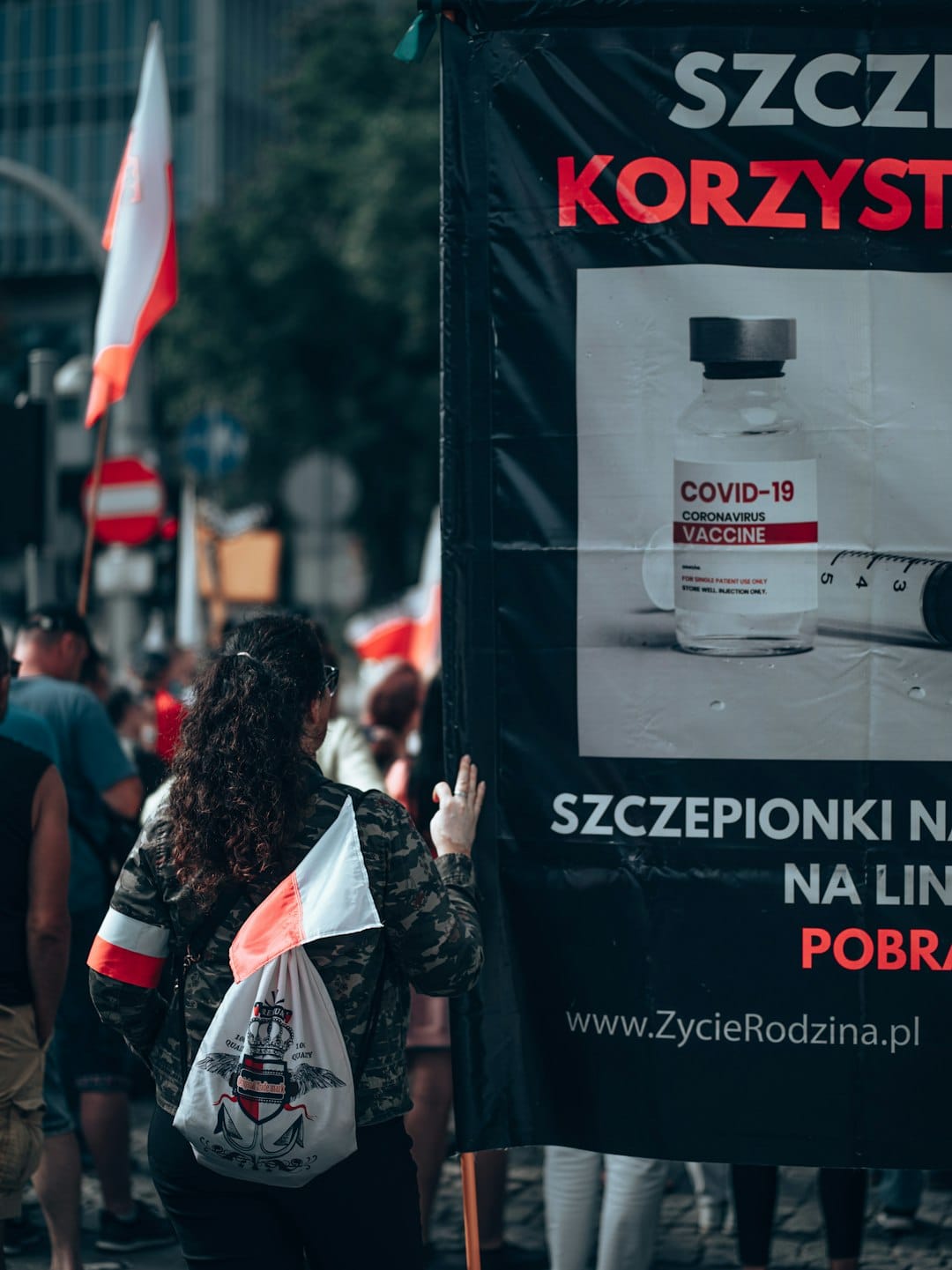
Warsaw, Poland, MMN Correspondent: Poland is moving forward with a major public health decision. Starting January 1, 2027, the HPV vaccine becomes mandatory for all children aged 9 to 15. This places Poland among the few countries in the world to include the vaccine in the national immunization schedule. The announcement has created a lively conversation about medical freedom, parental rights, and the best way to protect public health.
The decision arrives during a period of global review in vaccination policy. Several countries are updating their childhood vaccine schedules. In the United States, recent policy changes have reduced the number of recommended vaccines. In many parts of Europe, HPV vaccination is offered in schools as a recommended measure. Poland is expanding its program at the same time. That expansion raises important questions. What does this mean for families? How will the program work in practice? And what do parents need to know before the new requirement begins?
At the center of the debate is the Confederation party, known as Konfederacja. Grzegorz Płaczek, the leader of its parliamentary club, is asking for more details. He has requested epidemiological data on HPV infections in Poland since 2015. He wants to know the official position of the Sanitary Epidemiological Council. He has also asked for a comparison of cervical cancer rates between vaccinated and unvaccinated women over 45. His questions cover the broader context too, including how Poland compares with other EU nations, the United States, and countries in Africa and Asia. In his view, the state has a responsibility to prove that a mandatory vaccine is necessary and safe before requiring it for healthy children.
That expectation is easy to understand. When the government asks parents to vaccinate children, transparency is essential. Clear and complete information helps families make informed decisions. It also strengthens confidence in the health system. The Ministry of Health has responded by pointing to the high incidence of HPV related cancers in Poland and the strong safety record of the vaccine. Millions of doses have already been given around the world. Studies continue to confirm that the vaccine prevents several types of cancer.
HPV is the most common sexually transmitted infection. Certain strains are responsible for nearly all cervical cancers and many other cancers in the genitals, anus, mouth, and throat. The recommended age for HPV vaccination is 9 to 15, since the immune response is strongest before exposure to the virus. In most Western European countries, the vaccine is offered at school age and remains voluntary. Poland's mandatory approach is part of a broader global conversation. It will be interesting to see whether this approach becomes a model for other nations or a reminder that public trust needs to be earned through open communication.
Globally, vaccine hesitancy is now recognized as one of the top ten threats to public health. Public trust in immunization programs is not automatic. It depends on consistent, clear communication. Online content can sometimes create more questions than answers. A mandatory program can support high vaccination rates and protect communities. It also places a greater burden on officials to explain the science in ways that resonate with families. The opportunity here is for the Ministry to use this moment as a chance for deeper public education about HPV and the benefits of vaccination.
The debate also has an economic side. Some Confederation members have suggested that expanding the vaccination schedule could expand the vaccine market for pharmaceutical companies. Poland is one of the few countries making HPV vaccination mandatory. This has prompted people to ask whether the decision is driven by public health aims alone or by commercial interests. These are fair questions. Any policy that involves both government and industry deserves scrutiny. The Ministry can respond by opening the data and inviting independent review. A transparent process would go a long way in building broad support.
The political dimension is also a major part of this story. Confederation has been gaining traction in opinion polls and is presenting itself as a defender of parental rights and individual choice. The party has also spoken out against the so-called Lex Szarlatan, or Anti-Quackery Law, arguing that it could limit medical dissent and restrict free speech. It has raised concerns about other policies, such as the deposit system for bottles and cans and the management of refugee arrivals. The HPV vaccine mandate is now part of that larger narrative. It may become a central topic in the upcoming parliamentary elections. Voters who feel left out of health decisions may find this message appealing.
The Ministry's position remains rooted in public health evidence. Mandatory vaccination is one of the most effective ways to achieve herd immunity and reduce deaths from HPV related cancers. Public health leaders point to the success of vaccination programs in countries with high coverage. They also note that serious side effects are extremely rare. The science is strong. The remaining challenge is communication. Parents want clear answers. They want to know about benefits, risks, and the data behind the decision. With the January 2027 deadline approaching, there is time for the government to provide those answers and turn questions into informed participation.
As the date approaches, families will continue to seek information. Politicians will keep asking questions. Public health officials will have an opportunity to show what a responsible, evidence based vaccination program looks like. This is not a Polish story alone. The way Poland manages this transition will offer lessons to other countries considering similar policies. The world is watching. The result will depend on how well the state listens, explains, and balances the needs of individuals with the health of the community.
Related in Politics
Politics
Europe's New Aid Strategy: How Team Europe Is Protecting Workers and Fixing Supply Chains in 240 Million Crisis Zones
European Commissioner Lahbib Zouarhi recently took the stage at the Foreign Affairs Council to unveil a bold new vision for humanitarian aid. The message was clear. Europe must step up as "Team Europe" to tackle the growing number of global crises. With nearly 240 million people…
Read More...
Politics
Germany's Growth Mirage: Weidel Exposes the Debt Trap Behind Official Projections
The German federal government recently unveiled its autumn economic projections for October 2026, highlighting a projected growth rate of 1.3 percent for the current year. This optimistic forecast suggests a notable upswing in national economic activity. However, Alice Weidel, c…
Read More...
Politics
EU-Mexico Trade Alliance 2026: How This Partnership Is Reshaping Global Supply Chains
The European Union and Mexico have always been strong partners in multilateral cooperation. By September 2026 their relationship has become a key test for global economic resilience. Trade tensions are rising in many parts of the world. The EU-Mexico partnership offers stability…
Read More...
Politics
Ireland's EU Presidency: How Humanitarian Aid and Preparedness Build a Safer Future
As Ireland takes the helm of the Council of the European Union, Commissioner Lahbib highlights a pivotal moment for global engagement. Europe now faces a dual mandate that requires both moral leadership through humanitarian aid and strengthened internal resilience against a comp…
Read More...
Politics
Saxony-Anhalt Breaks Tradition: AfD's Tobias Rausch Takes Landtag Presidency
German politics witnessed a defining moment on October 6, 2026, when the newly constituted state parliament of Saxony-Anhalt elected Tobias Rausch as its Landtag President. This event marks the first time in the history of the Federal Republic that a member of the Alternative fo…
Read More...
Politics
Von der Leyen's Balkan Strategy: Why EU Expansion is a Mutual Transformation
Ursula von der Leyen has made it clear that the European Union’s path forward involves more than just opening borders. Her recent visits to the Western Balkans highlight a strategic shift where enlargement is treated as a mutual transformation rather than a one-sided gift from B…
Read More...
Politics
EU-Mexico Trade Shift 2026: What Nearshoring and Green Tech Mean for Your Business
The relationship between the European Union and Mexico is undergoing a significant transformation as we navigate through 2026. This partnership has evolved from traditional trade agreements into a robust framework focused on sustainable development digital innovation and diploma…
Read More...
Politics
Germany's 52% State Share: What This Record Means for Your Wallet and Economy
In early October 2026, Germany reached a notable economic milestone. The federal government projected a state share of 52 percent for the current year. This figure marks a new all-time high. It signals a substantial shift in how public expenditure relates to national economic ou…
Read More...
Politics
North Macedonia's EU Path: Security, Economy, and Institutional Readiness
In a significant diplomatic engagement held in Skopje, European leadership reaffirmed its commitment to North Macedonia’s accession to the European Union, highlighting the nation’s pivotal role in regional security and economic stability. The dialogue underscored North Macedonia…
Read More...
Politics
Germany's Subsidy Crisis: Why Taxpayers Are Demanding Fiscal Reform Now
In October 2026, the Bund der Steuerzahler released its annual "Black Book," a detailed report exposing state-funded waste and inefficient subsidy programs across Germany. This publication has sparked a significant conversation about fiscal responsibility, revealing how public f…
Read More...