
Poland, Pay Attention: Mentzen Accuses Civic Platform Politicians of Robbing Flood Victims as 100,000 Displaced
We compile, generate and translate using Artificial Intelligence from the below given source. Macro Micro News is responsible for its editorial publication.
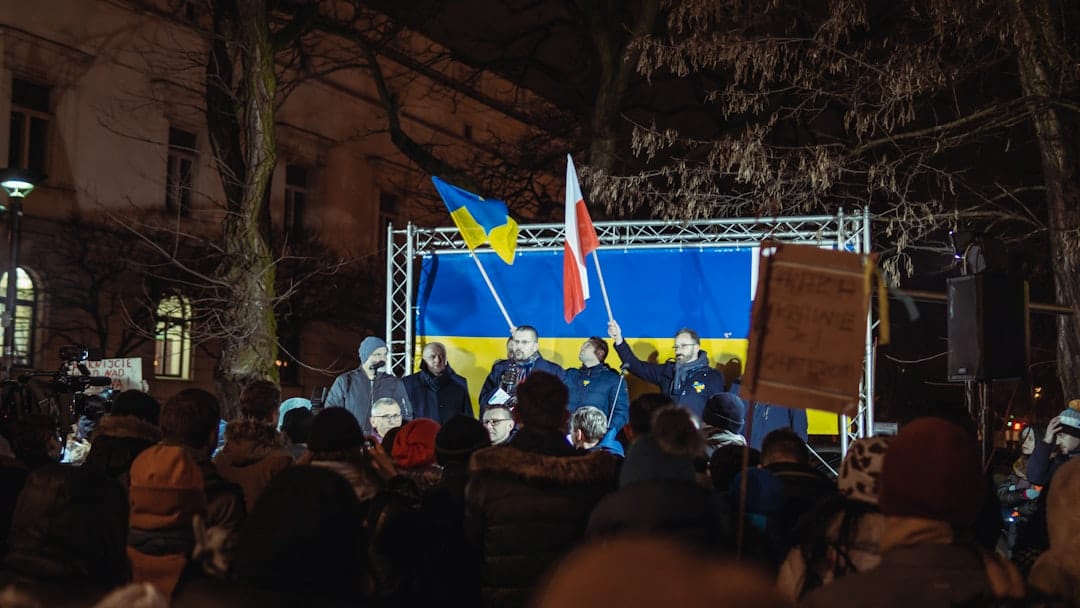
Warsaw, Poland, MMN Correspondent: The floodwaters have receded in parts of Poland, and a new kind of storm is building in the political arena. Sławomir Mentzen, a leader of the Confederation party, has gone live with claims that could change how disaster relief is handled. He says funds meant for flood victims were diverted, and citizens are now asking tough questions.
The numbers explain the urgency. More than 100,000 people have been affected by the floods, with communities in southern and southwestern Poland hit especially hard. Homes have been destroyed, roads have disappeared, and entire areas have been cut off from basic services. Emergency teams have been working around the clock. The recovery is only beginning.
What did Mentzen say in the live broadcast? He pointed directly at Civic Platform politicians, accusing them of taking money meant for flood relief. He described the situation as theft from victims and demanded a thorough investigation. His broadcast on the Confederation's website and social media channels drew immediate attention.
The timing matters because elections are approaching. The Confederation has been gaining ground in opinion polls, and the flood crisis has become a central topic. Mentzen's message frames his party as a defender of ordinary people against a distant political elite. Many voters are listening.
Civic Platform representatives have responded with firm denials. They say relief funds are being managed with transparency and efficiency. They also credit local authorities and volunteers for delivering aid on the ground. The divide between these accounts leaves the public with a choice about who to trust.
This moment raises important questions. What exactly happened to the relief funds? How can future disaster spending be better protected? And what does this mean for Poland's political future? These are the questions now circulating in homes, on social media, and in local communities.
The flood disaster has exposed weaknesses in infrastructure and crisis management. It has also shown how quickly ordinary citizens step up to help one another. Volunteers have traveled from across the country to assist strangers in need. That solidarity is one of the strongest responses to the crisis.
Mentzen used the broadcast to speak about more than just the floods. He connected the response to broader issues like economic policy, immigration, and national sovereignty. His argument is simple. The current government has lost touch with the people, and a new approach is needed.
The Confederation has proposed a dedicated emergency fund and a faster, simpler process for distributing aid. These ideas are now part of the national conversation. The focus is shifting toward prevention, preparedness, and transparency. For many, this is a welcome shift.
Humanitarian organizations continue to provide shelter, food, and medical care to those affected. Local communities are rebuilding one step at a time. The road ahead is long, and the determination of the Polish people is clear.
In the weeks to come, the political debate will intensify. The accusations will either be proven or set aside, and the evidence will be examined. More importantly, the systems for handling disasters will come under review. That review is an opportunity for positive change.
Poland has a chance to emerge from this crisis stronger. By demanding accountability, protecting public funds, and investing in better emergency systems, the country can set a new standard. The flood victims deserve no less. The nation's future depends on it.
Related in Politics
Politics
Europe's New Aid Strategy: How Team Europe Is Protecting Workers and Fixing Supply Chains in 240 Million Crisis Zones
European Commissioner Lahbib Zouarhi recently took the stage at the Foreign Affairs Council to unveil a bold new vision for humanitarian aid. The message was clear. Europe must step up as "Team Europe" to tackle the growing number of global crises. With nearly 240 million people…
Read More...
Politics
Germany's Growth Mirage: Weidel Exposes the Debt Trap Behind Official Projections
The German federal government recently unveiled its autumn economic projections for October 2026, highlighting a projected growth rate of 1.3 percent for the current year. This optimistic forecast suggests a notable upswing in national economic activity. However, Alice Weidel, c…
Read More...
Politics
EU-Mexico Trade Alliance 2026: How This Partnership Is Reshaping Global Supply Chains
The European Union and Mexico have always been strong partners in multilateral cooperation. By September 2026 their relationship has become a key test for global economic resilience. Trade tensions are rising in many parts of the world. The EU-Mexico partnership offers stability…
Read More...
Politics
Ireland's EU Presidency: How Humanitarian Aid and Preparedness Build a Safer Future
As Ireland takes the helm of the Council of the European Union, Commissioner Lahbib highlights a pivotal moment for global engagement. Europe now faces a dual mandate that requires both moral leadership through humanitarian aid and strengthened internal resilience against a comp…
Read More...
Politics
Saxony-Anhalt Breaks Tradition: AfD's Tobias Rausch Takes Landtag Presidency
German politics witnessed a defining moment on October 6, 2026, when the newly constituted state parliament of Saxony-Anhalt elected Tobias Rausch as its Landtag President. This event marks the first time in the history of the Federal Republic that a member of the Alternative fo…
Read More...
Politics
Von der Leyen's Balkan Strategy: Why EU Expansion is a Mutual Transformation
Ursula von der Leyen has made it clear that the European Union’s path forward involves more than just opening borders. Her recent visits to the Western Balkans highlight a strategic shift where enlargement is treated as a mutual transformation rather than a one-sided gift from B…
Read More...
Politics
EU-Mexico Trade Shift 2026: What Nearshoring and Green Tech Mean for Your Business
The relationship between the European Union and Mexico is undergoing a significant transformation as we navigate through 2026. This partnership has evolved from traditional trade agreements into a robust framework focused on sustainable development digital innovation and diploma…
Read More...
Politics
Germany's 52% State Share: What This Record Means for Your Wallet and Economy
In early October 2026, Germany reached a notable economic milestone. The federal government projected a state share of 52 percent for the current year. This figure marks a new all-time high. It signals a substantial shift in how public expenditure relates to national economic ou…
Read More...
Politics
North Macedonia's EU Path: Security, Economy, and Institutional Readiness
In a significant diplomatic engagement held in Skopje, European leadership reaffirmed its commitment to North Macedonia’s accession to the European Union, highlighting the nation’s pivotal role in regional security and economic stability. The dialogue underscored North Macedonia…
Read More...
Politics
Germany's Subsidy Crisis: Why Taxpayers Are Demanding Fiscal Reform Now
In October 2026, the Bund der Steuerzahler released its annual "Black Book," a detailed report exposing state-funded waste and inefficient subsidy programs across Germany. This publication has sparked a significant conversation about fiscal responsibility, revealing how public f…
Read More...