
Poland's Defense Crisis: 6 Minutes, a 10-Meter Crater, and 3 Hours of Silence Tell You What Went Wrong
We compile, generate and translate using Artificial Intelligence from the below given source. Macro Micro News is responsible for its editorial publication.
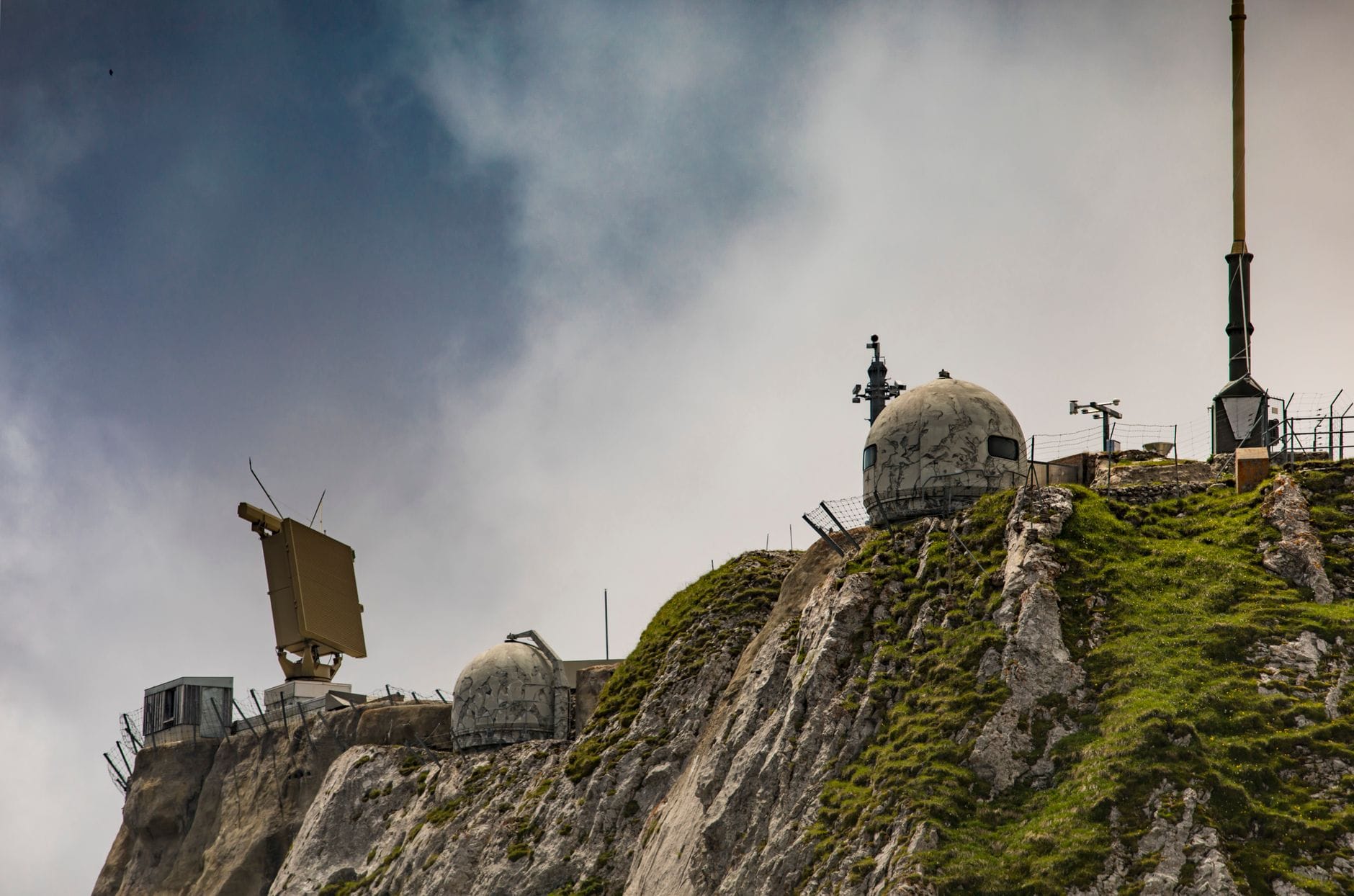
Tarnawa-Kolonia, Lublin Voivodeship, Poland, MMN Correspondent: What can go wrong when a nation has billions for defense and a warning system that can't handle its own traffic? Poland received a vivid answer in the final days of July 2026.
August 1, 2026, marked the anniversary of the Warsaw Uprising. It also became a moment of national reckoning. The day was a chance to honor heroism and a reminder to ask a hard question: how ready is Poland to defend itself right now?
Late July set the stage. At 3:40 AM, an unidentified object crossed into Polish airspace and moved west. Six minutes later, it vanished from radar. Then an explosion shook Tarnawa-Kolonia in Lublin Voivodeship, carving a 10-meter-wide crater into the ground. The blast happened roughly 60 kilometers from the Ukrainian border. Sirens sounded at 3:50 AM. The first official statement arrived at 7:14 AM, more than three hours after the sirens. In that window, radio stations played music and local networks moved faster than national channels. A siren is only useful when people know what comes next.
The political response was immediate. Grzegorz Płaczek, chair of the Konfederacja parliamentary club, called the security setup a parody. He pointed to the six minutes when a potentially hostile object crossed the country with no interception and no clear warning. If officials claimed control, he said, the sequence of events told a different story.
Sławomir Mentzen went further. The Alert RCB system, built for exactly this type of emergency, sent out a message with a link to a portal. The portal collapsed under traffic. The message itself included clickable content, which violated the system's own safety rules. He asked a sharp question: if a routine alert fails to hold up, how would mobilization of reservists work in a real war? Poland spends more than 200 billion złoty a year on defense. The money is visible in procurement announcements. It's less visible in basic emergency response.
The shelter situation adds another layer. There's no nationwide network of bomb shelters. When an alert goes out, citizens have no pre-announced location to move toward. They also have no clear instructions on what to do in the first minutes. Ewa Zajączkowska-Hernik, a Member of the European Parliament, described the result as a tiger with a dandelion and a packed evacuation backpack: perfectly rehearsed lies.
Air defense is a separate concern. Poland invested in modern systems such as Wisła and Pilica. Those systems exist. Activation requires political approval, time, and delivery. Krzysztof Bosak, Vice-Marshal of the Sejm, raised the key question: how can you activate a defense system when the units are not positioned near the border? The missile units sit in Bytom, Skwierzyna, and Mrzeżyno. A target moving fast west from the border may be long gone before those units receive the order.
Bronisław Foltyn took aim at the Minister of National Defense. Władysław Kosiniak-Kamysz repeated the same promises after each incident near the border: vigilance, escalation, warning. Foltyn asked what those words mean to residents who live 100 kilometers from a real explosion. They want actions that match the promises.
International pressure is adding to the debate. In Spain, nearly 50,000 undocumented migrants crossed into Ceuta in less than one day after a mass legalization program. That event triggered warnings about Schengen. Stanisław Tyszka, MEP and co-chair of the Europe of Sovereign Nations group, called for an emergency session of the European Parliament. If Italy and France continue to use border controls, Poland could face checkpoints and delays at its own frontiers.
Krzysztof Bosak sees an opening for a different approach. He wants Poland to opt out permanently from EU relocation mechanisms. His argument is simple: Polish taxpayers should not fund asylum decisions made by other states. He also supports legal changes that keep courts from overriding border security choices during an emergency. Sovereignty, in his view, needs to be absolute when the pressure is on.
At the same time, domestic policy is part of the resilience conversation. Konfederacja's parliamentary club introduced a bill to make shared custody the default in divorce cases. The goal is to stop children from becoming bargaining chips and give both parents equal standing. Family stability, the proposal argues, is part of national strength.
Then there is the espionage angle. In Kraków, Konrad Krajewski found a possible link between a Polish employment agency on Orlińskiego Street and Ukraine's criminal police. The agency, Global Consulting Group, reportedly followed directions from Dmitrij Dmytrenko, whose details match a high-ranking officer in Kyiv's criminal investigation unit. The allegations include illegal work permits, payments outside official systems, and coordination with Ukrainian authorities. These claims raise questions about infiltration and border openness.
The lesson from all this is not that Poland lacks tools. The lesson is that tools need to work together. Sławomir Mentzen put it plainly: if Poland waits for a disaster before acting, it will already be too late. He proposed a trial mobilization of at least one brigade to test the system from start to finish. That kind of exercise would reveal gaps before they cost lives.
Poland has a choice. It can treat these events as isolated problems or as a full-system signal. The heroes of 1944 built their stand on preparation and trust. The current generation, with far more resources, can do the same. The next attack, whatever form it takes, will test more than equipment. It will test communication, leadership, and the simple ability to tell citizens what to do and where to go. The time to prove that ability is now.
Related in Politics
Politics
Europe's New Aid Strategy: How Team Europe Is Protecting Workers and Fixing Supply Chains in 240 Million Crisis Zones
European Commissioner Lahbib Zouarhi recently took the stage at the Foreign Affairs Council to unveil a bold new vision for humanitarian aid. The message was clear. Europe must step up as "Team Europe" to tackle the growing number of global crises. With nearly 240 million people…
Read More...
Politics
Germany's Growth Mirage: Weidel Exposes the Debt Trap Behind Official Projections
The German federal government recently unveiled its autumn economic projections for October 2026, highlighting a projected growth rate of 1.3 percent for the current year. This optimistic forecast suggests a notable upswing in national economic activity. However, Alice Weidel, c…
Read More...
Politics
EU-Mexico Trade Alliance 2026: How This Partnership Is Reshaping Global Supply Chains
The European Union and Mexico have always been strong partners in multilateral cooperation. By September 2026 their relationship has become a key test for global economic resilience. Trade tensions are rising in many parts of the world. The EU-Mexico partnership offers stability…
Read More...
Politics
Ireland's EU Presidency: How Humanitarian Aid and Preparedness Build a Safer Future
As Ireland takes the helm of the Council of the European Union, Commissioner Lahbib highlights a pivotal moment for global engagement. Europe now faces a dual mandate that requires both moral leadership through humanitarian aid and strengthened internal resilience against a comp…
Read More...
Politics
Saxony-Anhalt Breaks Tradition: AfD's Tobias Rausch Takes Landtag Presidency
German politics witnessed a defining moment on October 6, 2026, when the newly constituted state parliament of Saxony-Anhalt elected Tobias Rausch as its Landtag President. This event marks the first time in the history of the Federal Republic that a member of the Alternative fo…
Read More...
Politics
Von der Leyen's Balkan Strategy: Why EU Expansion is a Mutual Transformation
Ursula von der Leyen has made it clear that the European Union’s path forward involves more than just opening borders. Her recent visits to the Western Balkans highlight a strategic shift where enlargement is treated as a mutual transformation rather than a one-sided gift from B…
Read More...
Politics
EU-Mexico Trade Shift 2026: What Nearshoring and Green Tech Mean for Your Business
The relationship between the European Union and Mexico is undergoing a significant transformation as we navigate through 2026. This partnership has evolved from traditional trade agreements into a robust framework focused on sustainable development digital innovation and diploma…
Read More...
Politics
Germany's 52% State Share: What This Record Means for Your Wallet and Economy
In early October 2026, Germany reached a notable economic milestone. The federal government projected a state share of 52 percent for the current year. This figure marks a new all-time high. It signals a substantial shift in how public expenditure relates to national economic ou…
Read More...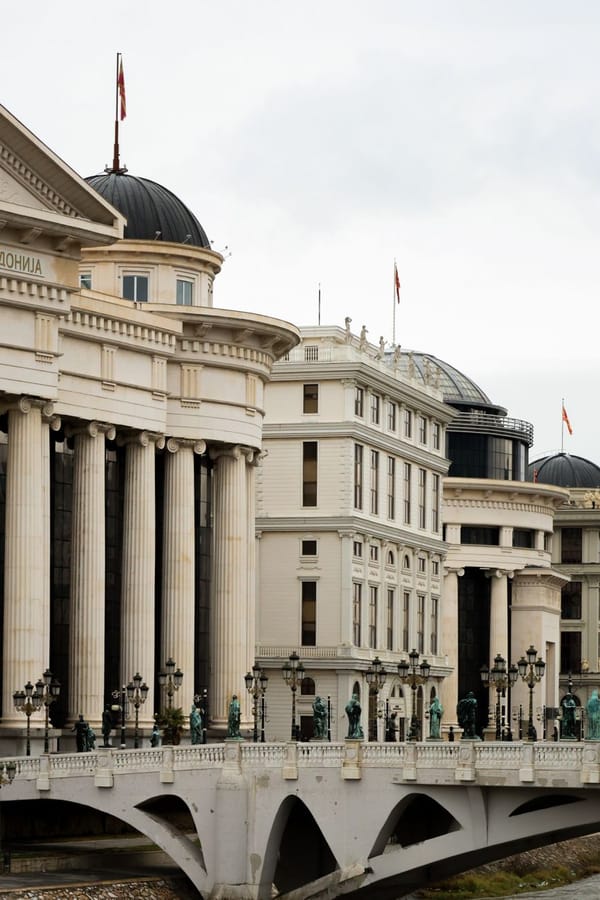
Politics
North Macedonia's EU Path: Security, Economy, and Institutional Readiness
In a significant diplomatic engagement held in Skopje, European leadership reaffirmed its commitment to North Macedonia’s accession to the European Union, highlighting the nation’s pivotal role in regional security and economic stability. The dialogue underscored North Macedonia…
Read More...
Politics
Germany's Subsidy Crisis: Why Taxpayers Are Demanding Fiscal Reform Now
In October 2026, the Bund der Steuerzahler released its annual "Black Book," a detailed report exposing state-funded waste and inefficient subsidy programs across Germany. This publication has sparked a significant conversation about fiscal responsibility, revealing how public f…
Read More...