
President Nawrocki's Senate Pact: The 4-Party Test That Will Reshape Poland's Right
We compile, generate and translate using Artificial Intelligence from the below given source. Macro Micro News is responsible for its editorial publication.
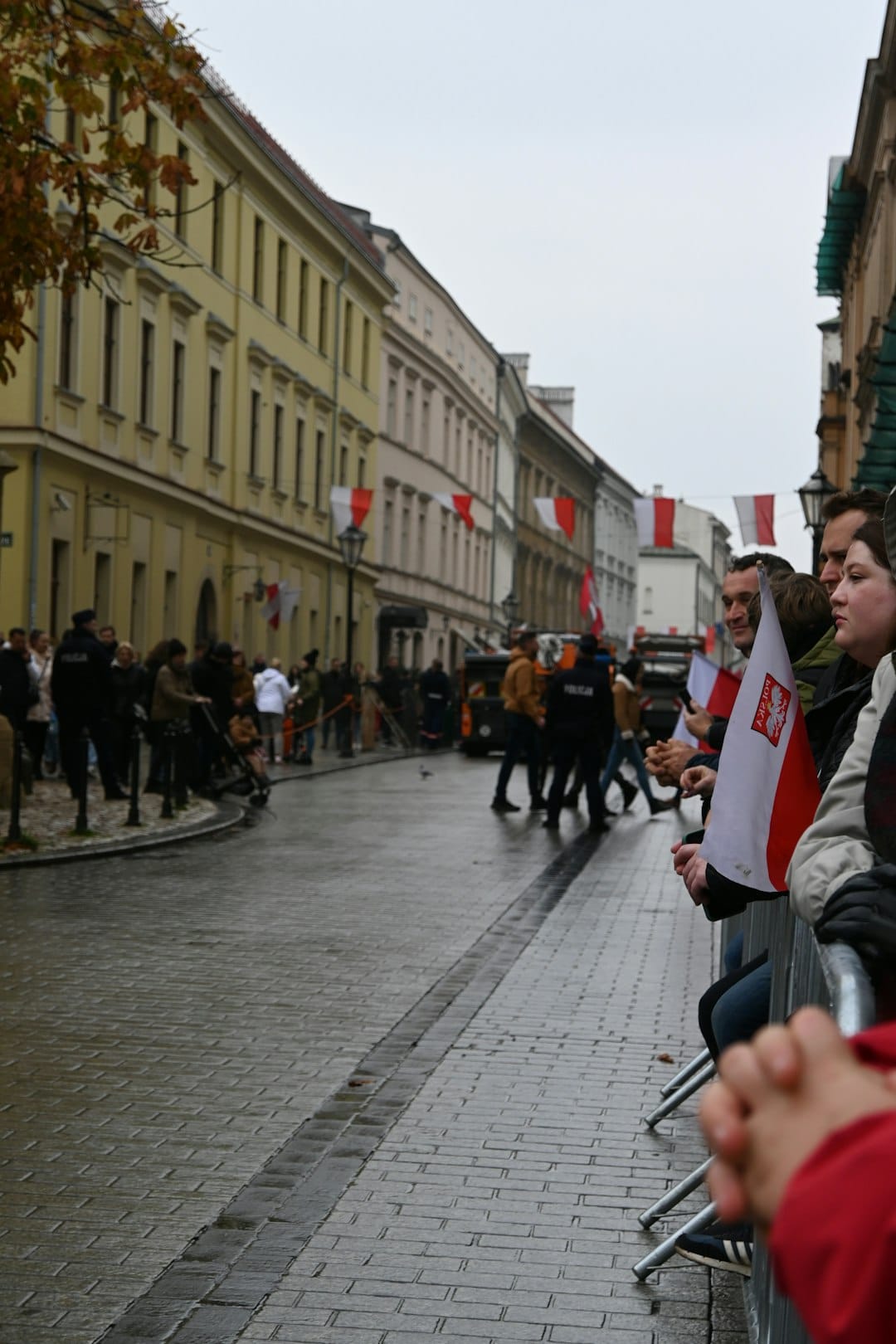
Warsaw, Poland, MMN Correspondent: Poland's political landscape is shifting. The old certainties are giving way to a more open and competitive era. At the center of this change stands President Karol Nawrocki. The first major test of his presidency, according to Sławomir Mentzen, leader of the Confederation, will be his ability to build a Senate Pact among four right-wing parties.
The Senate is currently controlled by the ruling coalition. It has repeatedly declined to approve Nawrocki's calls for referendums, tools he sees as essential for engaging the public on national matters. Mentzen says the Senate Pact is the answer. The goal is to win seats, to create the conditions for the president to act, and to give the right wing a stronger voice in Polish politics.
The parties involved are PiS, Confederation, Korona, and the new formation led by former Prime Minister Mateusz Morawiecki. These groups represent a wide spectrum of conservative and right-wing thought. Confederation has built its platform around economic liberalism and lower taxes. PiS has for years supported a stronger welfare state and social conservatism. Korona and Morawiecki's movement are still defining their positions. Their leaders have held different positions in public debates, and the differences are meaningful.
Mentzen has made his position clear on one point in particular. He sees Morawiecki's proposed '3600 plus' child benefit as a serious fiscal risk. He has also said that cooperation with that party will require a change in approach. This kind of tension makes the Senate Pact a demanding task, which also makes it an important opportunity.
Mentzen has also observed that Jarosław Kaczyński, the longtime PiS leader, may not be the person to bring these groups together. A pact with Marek Woch is one thing. Uniting Morawiecki, Confederation, and Grzegorz Braun is another challenge. The era when one leader could simply dictate terms to the right has passed. In its place is a multipolar camp where each party has its own base, its own priorities, and its own ambitions.
Nawrocki enters this situation with a unique advantage. He does not lead any one party. As head of state, he stands above the daily competition between factions. His record of vetoing government legislation and challenging the ruling coalition has earned him respect among right-wing voters. Mentzen believes Nawrocki should take advantage of this position. If he takes on the Senate Pact and succeeds, the benefits will flow directly to him.
A successful pact would strengthen the right's presence in the Senate. It would also position Nawrocki as the natural leader of the opposition, someone who can build alliances and shape a shared agenda. Mentzen makes a useful point. Opposing a government that is already disconnected from many voters is straightforward. Leading a political camp and creating a common direction is far more demanding.
The differences between the parties are significant. On economic policy, Confederation wants deep tax cuts and less regulation. PiS has favored a more active role for the state. Morawiecki's group is searching for a centrist-right approach. On social questions, some factions lean libertarian. Others hold traditionalist views. On the European Union, opinions range from strong skepticism to a more pragmatic line. These are not small gaps. They are fundamental differences in political worldview.
There are also personal ambitions in play. Kaczyński still hopes to return to power. Morawiecki wants to establish himself as a fresh alternative. Confederation leaders, including Mentzen and Krzysztof Bosak, have their own presidential goals. Getting these individuals to agree on a common list of Senate candidates will require patient diplomacy and a spirit of compromise. Polish politics is learning to exercise that spirit again.
The stakes are high. The next parliamentary elections will decide the country's direction for years. The Senate is often seen as secondary to the Sejm. Its role in shaping legislation still matters. A right-wing Senate would provide a meaningful check on the ruling coalition and allow Nawrocki's call for referendums to gain traction.
Nawrocki's first year in office has been marked by a high number of vetoes. Mentzen appreciates that. He has even suggested there is room for more. There is also room for a larger vision. A presidency can offer a platform for change. The Senate Pact gives Nawrocki a chance to move in that direction, to show that he can be a builder as well as a defender.
In the coming months, Nawrocki will have to engage in careful negotiations. His office carries prestige, and his personal popularity gives him leverage. He can focus on shared goals that unite the right, such as border security, judicial reform, and a common approach to the current government. At the same time, he will need to manage the leaders and make sure every party feels included.
If he succeeds, the reward is clear. A united right, a stronger Senate presence, and a president who has proven he can lead beyond his own office. If the effort does not produce a pact, the right will remain divided, and the ruling coalition will continue to set the pace. The presidency would then be remembered for its vetoes, with its potential left on the table.
The Senate Pact is more than an election plan. It is a defining moment for Nawrocki and for the Polish right. It asks whether a new type of leadership can bring a fragmented camp together and turn opposition into purpose. The country is watching. The outcome will help shape Polish politics for many years to come.
Related in Politics
Politics
Europe's New Aid Strategy: How Team Europe Is Protecting Workers and Fixing Supply Chains in 240 Million Crisis Zones
European Commissioner Lahbib Zouarhi recently took the stage at the Foreign Affairs Council to unveil a bold new vision for humanitarian aid. The message was clear. Europe must step up as "Team Europe" to tackle the growing number of global crises. With nearly 240 million people…
Read More...
Politics
Germany's Growth Mirage: Weidel Exposes the Debt Trap Behind Official Projections
The German federal government recently unveiled its autumn economic projections for October 2026, highlighting a projected growth rate of 1.3 percent for the current year. This optimistic forecast suggests a notable upswing in national economic activity. However, Alice Weidel, c…
Read More...
Politics
EU-Mexico Trade Alliance 2026: How This Partnership Is Reshaping Global Supply Chains
The European Union and Mexico have always been strong partners in multilateral cooperation. By September 2026 their relationship has become a key test for global economic resilience. Trade tensions are rising in many parts of the world. The EU-Mexico partnership offers stability…
Read More...
Politics
Ireland's EU Presidency: How Humanitarian Aid and Preparedness Build a Safer Future
As Ireland takes the helm of the Council of the European Union, Commissioner Lahbib highlights a pivotal moment for global engagement. Europe now faces a dual mandate that requires both moral leadership through humanitarian aid and strengthened internal resilience against a comp…
Read More...
Politics
Saxony-Anhalt Breaks Tradition: AfD's Tobias Rausch Takes Landtag Presidency
German politics witnessed a defining moment on October 6, 2026, when the newly constituted state parliament of Saxony-Anhalt elected Tobias Rausch as its Landtag President. This event marks the first time in the history of the Federal Republic that a member of the Alternative fo…
Read More...
Politics
Von der Leyen's Balkan Strategy: Why EU Expansion is a Mutual Transformation
Ursula von der Leyen has made it clear that the European Union’s path forward involves more than just opening borders. Her recent visits to the Western Balkans highlight a strategic shift where enlargement is treated as a mutual transformation rather than a one-sided gift from B…
Read More...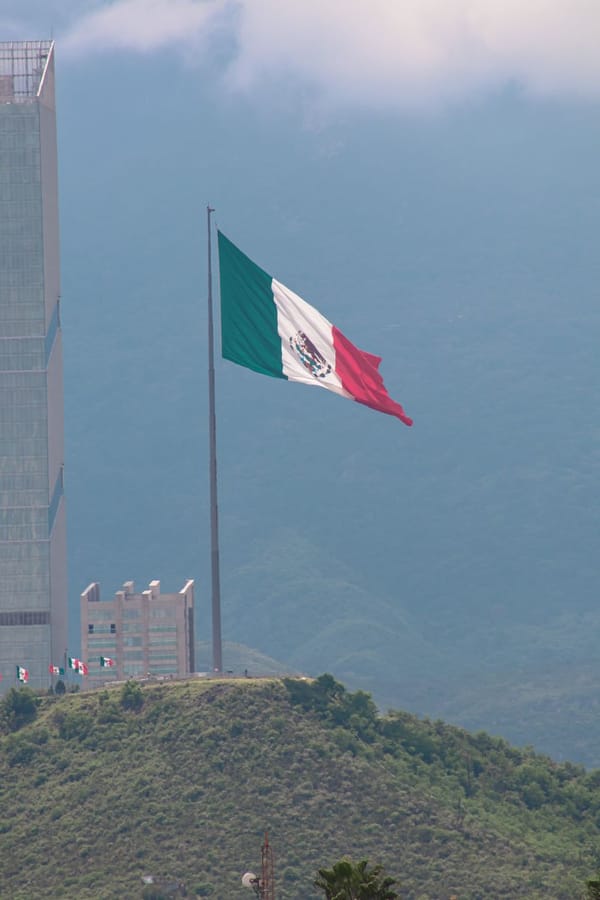
Politics
EU-Mexico Trade Shift 2026: What Nearshoring and Green Tech Mean for Your Business
The relationship between the European Union and Mexico is undergoing a significant transformation as we navigate through 2026. This partnership has evolved from traditional trade agreements into a robust framework focused on sustainable development digital innovation and diploma…
Read More...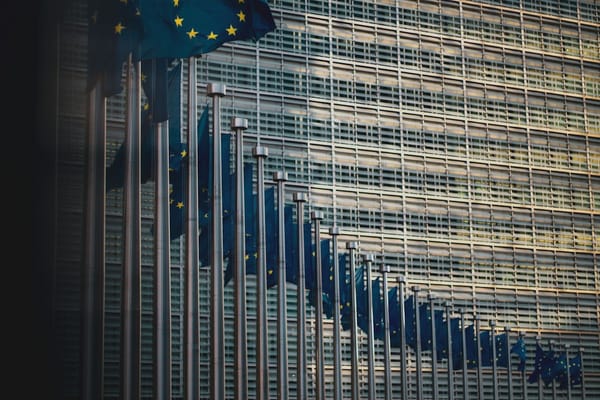
Politics
Germany's 52% State Share: What This Record Means for Your Wallet and Economy
In early October 2026, Germany reached a notable economic milestone. The federal government projected a state share of 52 percent for the current year. This figure marks a new all-time high. It signals a substantial shift in how public expenditure relates to national economic ou…
Read More...
Politics
North Macedonia's EU Path: Security, Economy, and Institutional Readiness
In a significant diplomatic engagement held in Skopje, European leadership reaffirmed its commitment to North Macedonia’s accession to the European Union, highlighting the nation’s pivotal role in regional security and economic stability. The dialogue underscored North Macedonia…
Read More...
Politics
Germany's Subsidy Crisis: Why Taxpayers Are Demanding Fiscal Reform Now
In October 2026, the Bund der Steuerzahler released its annual "Black Book," a detailed report exposing state-funded waste and inefficient subsidy programs across Germany. This publication has sparked a significant conversation about fiscal responsibility, revealing how public f…
Read More...