
R510 Construction Resumes: What Northam and Thabazimbi Residents Must Know About the R339 Million Upgrade
We compile, generate and translate using Artificial Intelligence from the below given source. Macro Micro News is responsible for its editorial publication.
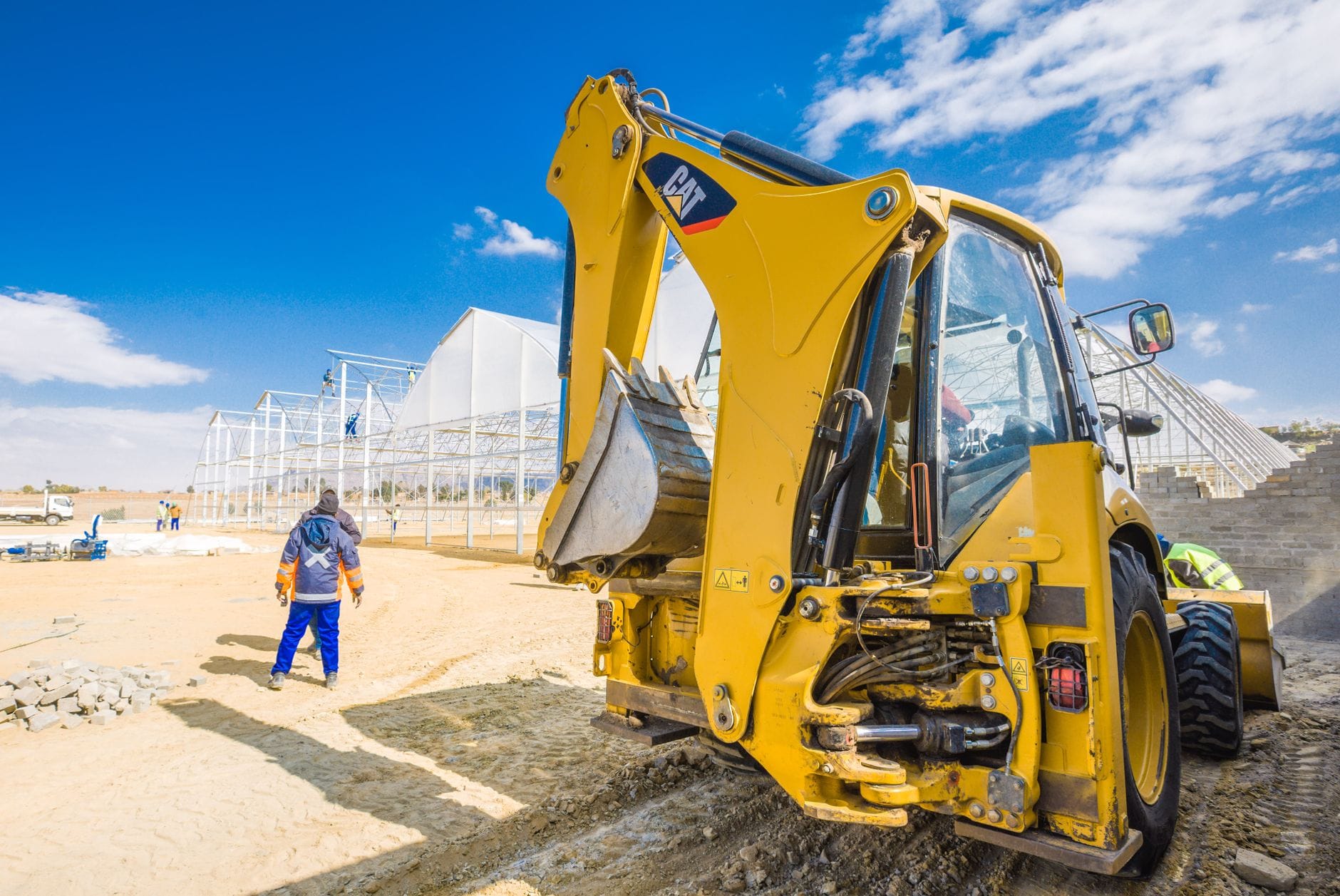
Thabazimbi, Limpopo, South Africa, MMN Correspondent: After months of waiting, the R510 route between Northam and Thabazimbi is finally getting the attention it deserves. The South African National Roads Agency (SANRAL) confirmed on August 6 2026 that construction will resume, and this time with a clear plan. For the people who travel this road every day, the news changes everything.
What makes the R510 so important? It connects entire communities to schools, clinics, workplaces and markets. It also serves as a key route for mining and agriculture, two sectors that keep the local economy moving. When the road falls into poor condition, the effects ripple across the region. Travel times grow longer, transport costs rise, and safety becomes a serious concern.
The project stalled after the previous contractor left the site at the end of 2024. That departure left damaged surfaces, narrowed lanes and no proper traffic controls in place. The temporary speed humps, with no shoulders to support them, sometimes added more risk than relief. The journey became increasingly difficult for many road users, and several accidents including one involving a bus carrying schoolchildren made it clear that this situation needed to be addressed.
So what has changed? SANRAL has now awarded a R339 million contract to Lebaka Construction. The scope of work is substantial. Plans include passing and climbing lanes to make overtaking safer. Tarred shoulders will give drivers more room to manoeuvre, especially in emergencies. A four lane intersection will be built at the entrance to Northam, which should ease congestion and improve traffic flow. Drainage structures are also part of the package, reducing the chance of water pooling on the road during heavy rains.
This is a long-term investment in a route that supports lives and livelihoods. Thoughtful design choices such as wider lanes and safer shoulders show a clear priority: protecting people alongside repairing the road surface. That distinction gives residents a reason to feel hopeful.
The role played by local advocacy deserves recognition. The Freedom Front Plus (VF Plus) pushed hard for action through interviews, statements and direct engagement with SANRAL. Their persistence kept the issue in the public eye. Now the focus shifts to delivery. Local councillors plan to stay involved while the work is underway, and they will be speaking with traffic authorities and contractors to keep the process on track. Warning signs will be erected early, speed limits will be enforced, and traffic control officers will be present on the route. These steps are designed to keep everyone safe during construction.
Beyond safety, the benefits could be felt across the economy. Smoother roads mean faster trips for commuters and freight. Mining operations can move resources more efficiently. Farmers can get produce to buyers with less delay. And the construction itself will create jobs, giving a welcome boost to the local workforce. Since the appointed contractor is based in the region, the financial impact is likely to stay close to home.
There will be challenges ahead. Any project of this scale requires patience from road users and strong oversight from all involved. The foundations are solid. The contract is awarded, the scope is clear, and the commitment is visible.
The question now centers on sustaining that momentum. If the recent past has taught residents anything, it is the value of staying engaged. Watching the progress, reporting issues, and holding leaders to their promises will all matter in the months to come.
For Northam, Thabazimbi and the many people who depend on this route, the resumption of construction marks a fresh start. It brings a renewed belief that public infrastructure can be delivered safely, efficiently and on time. The equipment is ready to move, and the eyes of the community will be watching.
Related in Politics
Politics
Europe's New Aid Strategy: How Team Europe Is Protecting Workers and Fixing Supply Chains in 240 Million Crisis Zones
European Commissioner Lahbib Zouarhi recently took the stage at the Foreign Affairs Council to unveil a bold new vision for humanitarian aid. The message was clear. Europe must step up as "Team Europe" to tackle the growing number of global crises. With nearly 240 million people…
Read More...
Politics
Germany's Growth Mirage: Weidel Exposes the Debt Trap Behind Official Projections
The German federal government recently unveiled its autumn economic projections for October 2026, highlighting a projected growth rate of 1.3 percent for the current year. This optimistic forecast suggests a notable upswing in national economic activity. However, Alice Weidel, c…
Read More...
Politics
EU-Mexico Trade Alliance 2026: How This Partnership Is Reshaping Global Supply Chains
The European Union and Mexico have always been strong partners in multilateral cooperation. By September 2026 their relationship has become a key test for global economic resilience. Trade tensions are rising in many parts of the world. The EU-Mexico partnership offers stability…
Read More...
Politics
Ireland's EU Presidency: How Humanitarian Aid and Preparedness Build a Safer Future
As Ireland takes the helm of the Council of the European Union, Commissioner Lahbib highlights a pivotal moment for global engagement. Europe now faces a dual mandate that requires both moral leadership through humanitarian aid and strengthened internal resilience against a comp…
Read More...
Politics
Saxony-Anhalt Breaks Tradition: AfD's Tobias Rausch Takes Landtag Presidency
German politics witnessed a defining moment on October 6, 2026, when the newly constituted state parliament of Saxony-Anhalt elected Tobias Rausch as its Landtag President. This event marks the first time in the history of the Federal Republic that a member of the Alternative fo…
Read More...
Politics
Von der Leyen's Balkan Strategy: Why EU Expansion is a Mutual Transformation
Ursula von der Leyen has made it clear that the European Union’s path forward involves more than just opening borders. Her recent visits to the Western Balkans highlight a strategic shift where enlargement is treated as a mutual transformation rather than a one-sided gift from B…
Read More...
Politics
EU-Mexico Trade Shift 2026: What Nearshoring and Green Tech Mean for Your Business
The relationship between the European Union and Mexico is undergoing a significant transformation as we navigate through 2026. This partnership has evolved from traditional trade agreements into a robust framework focused on sustainable development digital innovation and diploma…
Read More...
Politics
Germany's 52% State Share: What This Record Means for Your Wallet and Economy
In early October 2026, Germany reached a notable economic milestone. The federal government projected a state share of 52 percent for the current year. This figure marks a new all-time high. It signals a substantial shift in how public expenditure relates to national economic ou…
Read More...
Politics
North Macedonia's EU Path: Security, Economy, and Institutional Readiness
In a significant diplomatic engagement held in Skopje, European leadership reaffirmed its commitment to North Macedonia’s accession to the European Union, highlighting the nation’s pivotal role in regional security and economic stability. The dialogue underscored North Macedonia…
Read More...
Politics
Germany's Subsidy Crisis: Why Taxpayers Are Demanding Fiscal Reform Now
In October 2026, the Bund der Steuerzahler released its annual "Black Book," a detailed report exposing state-funded waste and inefficient subsidy programs across Germany. This publication has sparked a significant conversation about fiscal responsibility, revealing how public f…
Read More...