
Romania's €2.5 Billion EU Defence Boost: What You Need to Know About the SAFE Fund's First Payment
We compile, generate and translate using Artificial Intelligence from the below given source. Macro Micro News is responsible for its editorial publication.
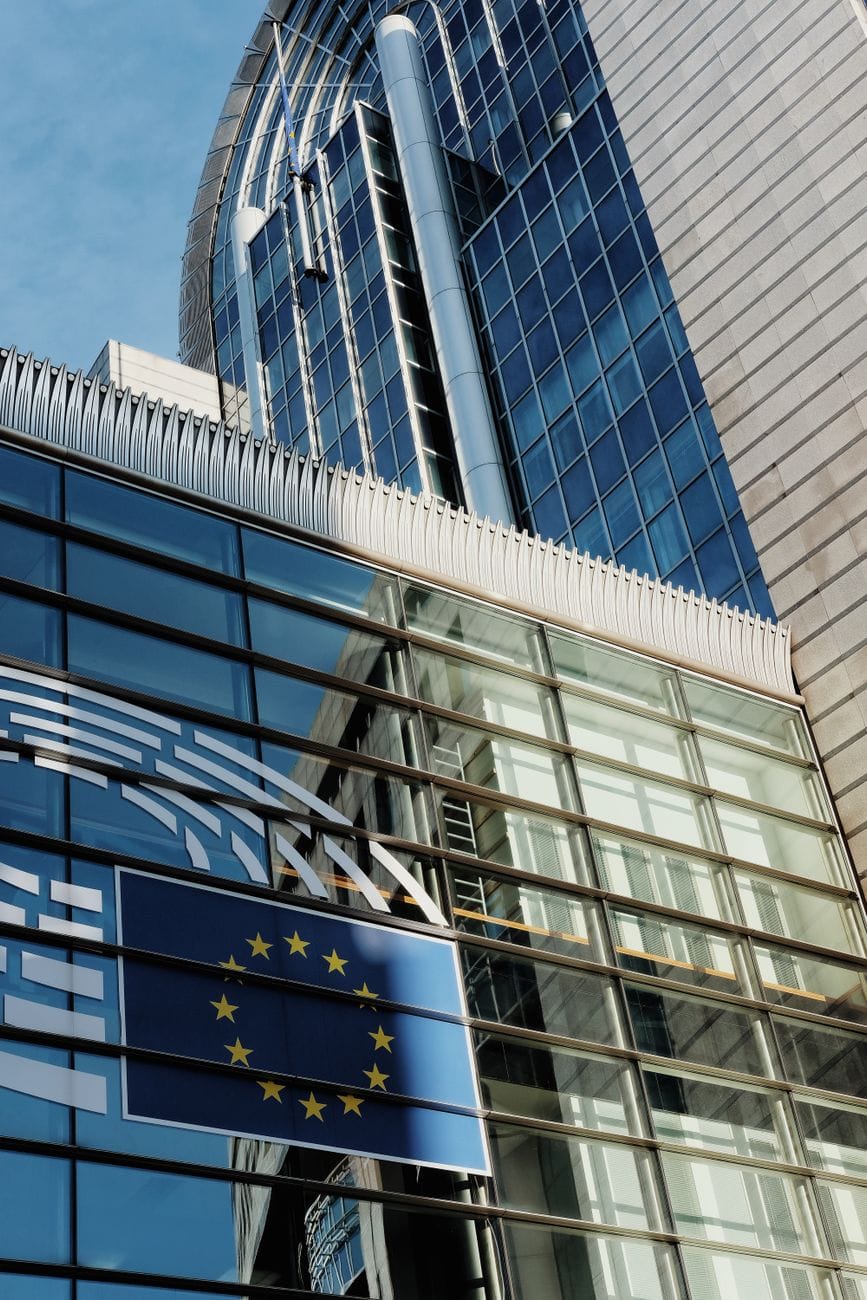
Brussels, Belgium, Source :
The first big payment from Europe's new defence fund has landed. Romania has received €2.5 billion under the Security Action for Europe instrument, known as SAFE. That's 15% of the country's total allocation of €16.7 billion, and it makes this one of the early major payouts from a facility expected to move quickly. The question now is how effectively this money gets turned into stronger, more modern armed forces.
SAFE is a €150 billion loan programme designed to help EU member states rebuild military strength. It focuses on joint procurement of ammunition, missiles, air defence systems and ground combat equipment produced inside the Union. The instrument sits at the heart of the European Commission's ReArm Europe plan, an effort aimed at generating more than €800 billion in defence spending across member countries.
Romania is a frontline state on NATO's eastern flank and shares a border with Ukraine. For Bucharest, this first payment is a green light to accelerate priority projects, strengthen resilience and modernise equipment. EU rules for SAFE encourage member states to buy together, build systems that work side by side and deepen cooperation among defence companies. Commissioner for Defence and Space Andrius Kubilius described the payment as an important moment for European defence and sovereignty, and reminded everyone that securing the eastern flank is a shared responsibility.
The financial mechanics matter too. The EU raises the money on capital markets, so member states get long term loans with attractive conditions backed by Europe's strong credit rating. That reduces pressure on national budgets. Further payments will arrive as Romania meets the agreed milestones. That design rewards delivery.
In a separate competition case, the European Commission has sent a Statement of Objections to paper producers UPM and Sappi. The two companies are the largest communication paper manufacturers in the European Economic Area, and their planned joint venture would create the EEA market leader. Brussels is taking a close look at how the deal would affect markets for coated mechanical paper and coated wood-free paper, the materials used for magazines, books and promotional items. The Commission's preliminary view is that the transaction could reduce competition in these markets. It also sees no clear evidence that cost savings or environmental benefits would balance any potential effects on customers. This is a formal step in the process and does not decide the final outcome.
Several other transactions received a green light under the EU's simplified merger review. The Commission approved joint control of Eurowind Energy by Denmark's Norlys and EWH, together with US based Blackstone. That company works in wind and solar energy, electricity balancing and ancillary services. It also cleared a high density polyethylene joint venture between Switzerland's INEOS and China's Sinopec. Somnigroup's acquisition of US bedding and furniture company Leggett & Platt was approved, and so was a move by BCI, APG and BTG Pactual Timberland Investment Group to take joint control of timberland assets in Chile. In all these cases, the Commission found no significant competition concerns.
Elsewhere, Executive Vice-President Henna Virkkunen attended Gamescom in Cologne, the world's largest video games event. She took part in the opening ceremony with German leaders and highlighted EU funding for game developers, support for digital infrastructure and the commitment to protecting consumers and young players. The European Commission has been bringing European companies to Gamescom since 2023, giving the continent's gaming scene a bigger stage.
Related in Politics
Politics
Europe's New Aid Strategy: How Team Europe Is Protecting Workers and Fixing Supply Chains in 240 Million Crisis Zones
European Commissioner Lahbib Zouarhi recently took the stage at the Foreign Affairs Council to unveil a bold new vision for humanitarian aid. The message was clear. Europe must step up as "Team Europe" to tackle the growing number of global crises. With nearly 240 million people…
Read More...
Politics
Germany's Growth Mirage: Weidel Exposes the Debt Trap Behind Official Projections
The German federal government recently unveiled its autumn economic projections for October 2026, highlighting a projected growth rate of 1.3 percent for the current year. This optimistic forecast suggests a notable upswing in national economic activity. However, Alice Weidel, c…
Read More...
Politics
EU-Mexico Trade Alliance 2026: How This Partnership Is Reshaping Global Supply Chains
The European Union and Mexico have always been strong partners in multilateral cooperation. By September 2026 their relationship has become a key test for global economic resilience. Trade tensions are rising in many parts of the world. The EU-Mexico partnership offers stability…
Read More...
Politics
Ireland's EU Presidency: How Humanitarian Aid and Preparedness Build a Safer Future
As Ireland takes the helm of the Council of the European Union, Commissioner Lahbib highlights a pivotal moment for global engagement. Europe now faces a dual mandate that requires both moral leadership through humanitarian aid and strengthened internal resilience against a comp…
Read More...
Politics
Saxony-Anhalt Breaks Tradition: AfD's Tobias Rausch Takes Landtag Presidency
German politics witnessed a defining moment on October 6, 2026, when the newly constituted state parliament of Saxony-Anhalt elected Tobias Rausch as its Landtag President. This event marks the first time in the history of the Federal Republic that a member of the Alternative fo…
Read More...
Politics
Von der Leyen's Balkan Strategy: Why EU Expansion is a Mutual Transformation
Ursula von der Leyen has made it clear that the European Union’s path forward involves more than just opening borders. Her recent visits to the Western Balkans highlight a strategic shift where enlargement is treated as a mutual transformation rather than a one-sided gift from B…
Read More...
Politics
EU-Mexico Trade Shift 2026: What Nearshoring and Green Tech Mean for Your Business
The relationship between the European Union and Mexico is undergoing a significant transformation as we navigate through 2026. This partnership has evolved from traditional trade agreements into a robust framework focused on sustainable development digital innovation and diploma…
Read More...
Politics
Germany's 52% State Share: What This Record Means for Your Wallet and Economy
In early October 2026, Germany reached a notable economic milestone. The federal government projected a state share of 52 percent for the current year. This figure marks a new all-time high. It signals a substantial shift in how public expenditure relates to national economic ou…
Read More...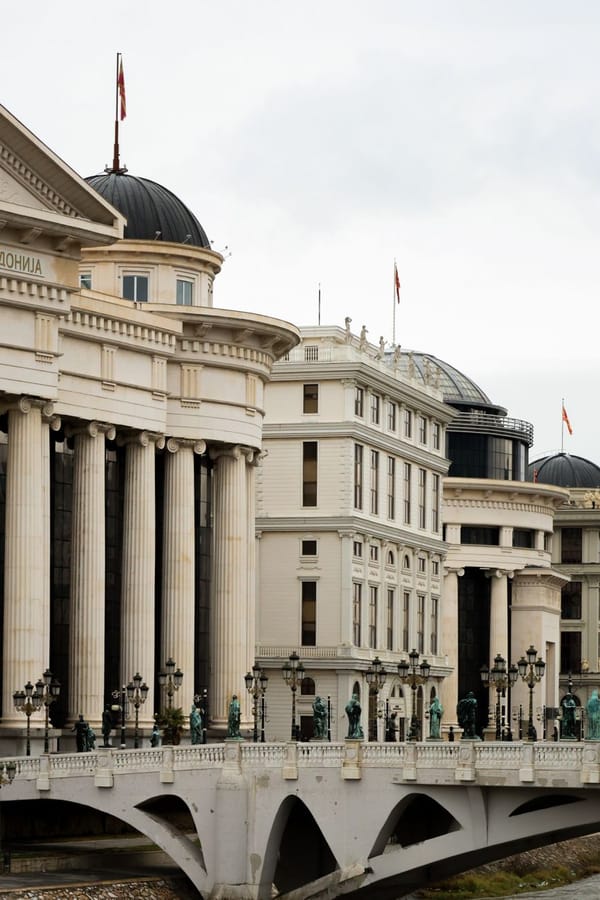
Politics
North Macedonia's EU Path: Security, Economy, and Institutional Readiness
In a significant diplomatic engagement held in Skopje, European leadership reaffirmed its commitment to North Macedonia’s accession to the European Union, highlighting the nation’s pivotal role in regional security and economic stability. The dialogue underscored North Macedonia…
Read More...
Politics
Germany's Subsidy Crisis: Why Taxpayers Are Demanding Fiscal Reform Now
In October 2026, the Bund der Steuerzahler released its annual "Black Book," a detailed report exposing state-funded waste and inefficient subsidy programs across Germany. This publication has sparked a significant conversation about fiscal responsibility, revealing how public f…
Read More...