
Saxony-Anhalt 2026 Election: How Your Vote Navigates the 40 Percent Shift and Germany’s Next Chapter
We compile, generate and translate using Artificial Intelligence from the below given source. Macro Micro News is responsible for its editorial publication.
Saxony-Anhalt, Germany, Source :
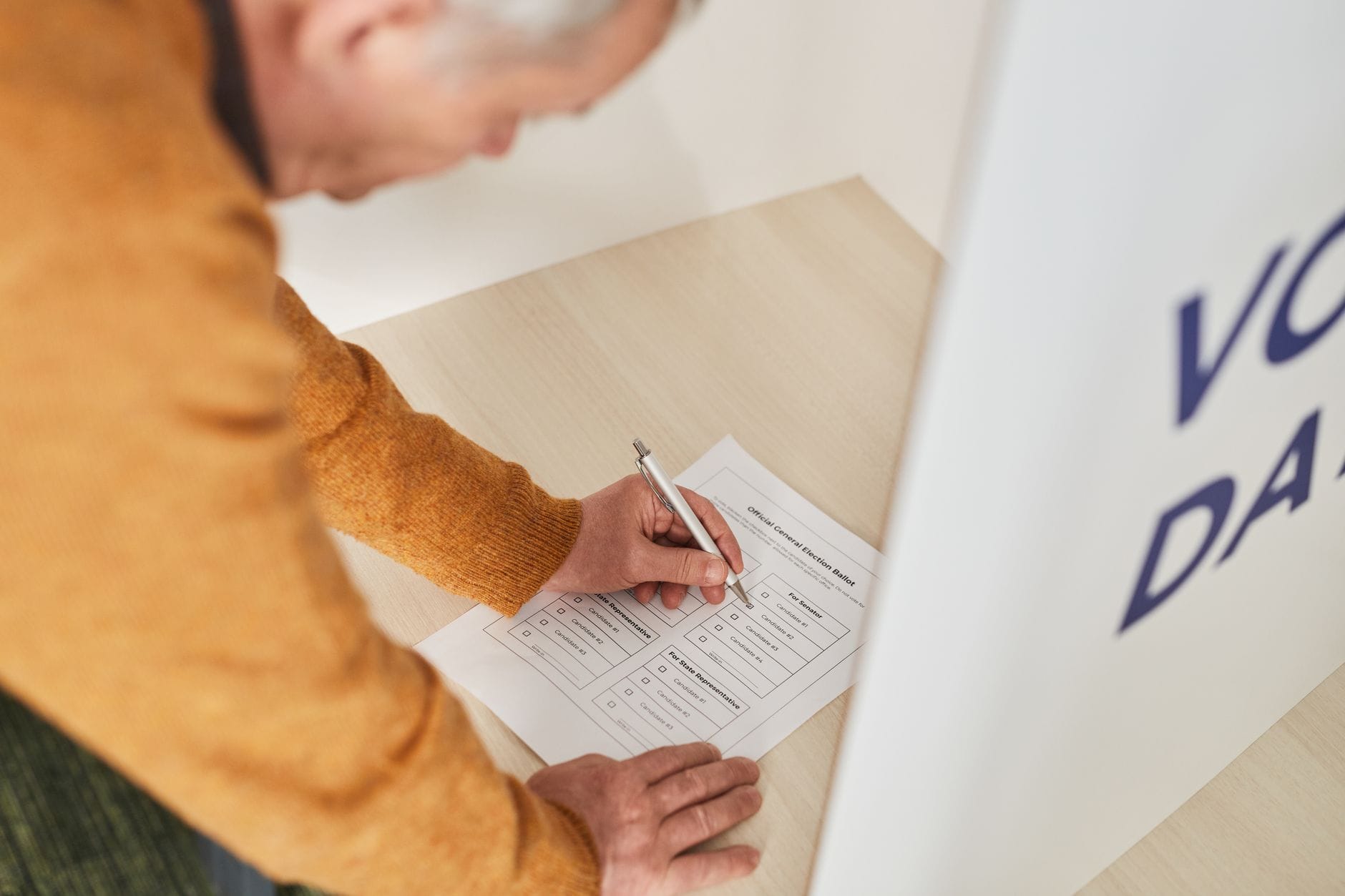
On Sunday, roughly 1.7 million eligible residents across Saxony-Anhalt will step into polling stations to choose their next state parliament. The closing days of this campaign have already positioned this regional contest as a defining moment for national politics. You might wonder how a single state vote can ripple outward. The answer lies in the shifting dynamics of German federalism and the way regional mandates often set the stage for broader legislative conversations. Early indicators show a clear trajectory forming ahead of election day.
Current polling places the Alternative for Germany comfortably above forty percent support within the region. Party leader Ulrich Siegmund stands at the center of this momentum as campaigns explore whether an absolute majority remains within reach. An absolute majority would reshape the legislative calendar and streamline decision making across multiple committees. You can track how this threshold influences coalition math and policy pacing throughout the week. The numbers suggest a strong preference for streamlined governance structures.
Federal co-chairs Tino Chrupalla and Alice Weidel have framed this vote as a clear benchmark for Germany’s political direction. Their platform highlights steady implementation of existing laws, particularly around immigration management and border operations. Campaign materials also point toward modernizing renewable energy networks and updating public education frameworks. These sectors represent active areas for structural improvement and long term planning. Voters interested in infrastructure development and workforce training will find these policy tracks closely aligned with regional growth objectives.
The election cycle also brings forward a strong wave of civic engagement across Saxony-Anhalt and surrounding districts. Organizers are inviting citizens to serve as official election observers to support transparent ballot processing and protect voting privacy. Volunteers are stepping up to assist elderly residents and individuals with mobility considerations, ensuring smooth access to every polling location. This community driven approach strengthens democratic participation and builds trust in the counting process. You will notice how local coordination efforts create a more inclusive voting environment.
State elections in eastern Germany have consistently served as reliable indicators of evolving voter preferences and realigning political partnerships. Saxony-Anhalt carries a distinct demographic profile marked by an aging population and continuous economic adaptation. These factors bring housing availability, healthcare access, and workforce development into sharp focus. The results will naturally feed into federal coalition discussions and help shape national legislative calendars. Observers will watch how major parties adjust their outreach strategies to match changing public priorities.
Germany’s mixed member proportional system requires parties to cross a five percent barrier before securing parliamentary representation. This rule makes each ballot strategically valuable and encourages careful consideration of candidate alignment. Past regional cycles have shown clear patterns of voter realignment that mirror broader socioeconomic shifts and generational updates in political engagement. Turnout typically settles between fifty and sixty percent during state contests, though recent cycles have seen heightened interest around living expenses, public safety initiatives, and administrative efficiency. The connection between municipal needs and federal guidelines creates a rich landscape for policy exploration.
As voting begins and results come in, the focus stays firmly on constructive dialogue and institutional continuity. Law enforcement teams and volunteer coordinators have established detailed operational plans to support smooth election day procedures. This Saxony-Anhalt contest extends far beyond a regional tally. It offers a clear window into how democratic frameworks adapt to modern demands while maintaining constitutional standards. You can expect the coming weeks to reveal how these regional signals translate into national policy directions. The path forward rests on informed participation and steady civic engagement.
Related in Politics
Politics
Europe's New Aid Strategy: How Team Europe Is Protecting Workers and Fixing Supply Chains in 240 Million Crisis Zones
European Commissioner Lahbib Zouarhi recently took the stage at the Foreign Affairs Council to unveil a bold new vision for humanitarian aid. The message was clear. Europe must step up as "Team Europe" to tackle the growing number of global crises. With nearly 240 million people…
Read More...
Politics
Germany's Growth Mirage: Weidel Exposes the Debt Trap Behind Official Projections
The German federal government recently unveiled its autumn economic projections for October 2026, highlighting a projected growth rate of 1.3 percent for the current year. This optimistic forecast suggests a notable upswing in national economic activity. However, Alice Weidel, c…
Read More...
Politics
EU-Mexico Trade Alliance 2026: How This Partnership Is Reshaping Global Supply Chains
The European Union and Mexico have always been strong partners in multilateral cooperation. By September 2026 their relationship has become a key test for global economic resilience. Trade tensions are rising in many parts of the world. The EU-Mexico partnership offers stability…
Read More...
Politics
Ireland's EU Presidency: How Humanitarian Aid and Preparedness Build a Safer Future
As Ireland takes the helm of the Council of the European Union, Commissioner Lahbib highlights a pivotal moment for global engagement. Europe now faces a dual mandate that requires both moral leadership through humanitarian aid and strengthened internal resilience against a comp…
Read More...
Politics
Saxony-Anhalt Breaks Tradition: AfD's Tobias Rausch Takes Landtag Presidency
German politics witnessed a defining moment on October 6, 2026, when the newly constituted state parliament of Saxony-Anhalt elected Tobias Rausch as its Landtag President. This event marks the first time in the history of the Federal Republic that a member of the Alternative fo…
Read More...
Politics
Von der Leyen's Balkan Strategy: Why EU Expansion is a Mutual Transformation
Ursula von der Leyen has made it clear that the European Union’s path forward involves more than just opening borders. Her recent visits to the Western Balkans highlight a strategic shift where enlargement is treated as a mutual transformation rather than a one-sided gift from B…
Read More...
Politics
EU-Mexico Trade Shift 2026: What Nearshoring and Green Tech Mean for Your Business
The relationship between the European Union and Mexico is undergoing a significant transformation as we navigate through 2026. This partnership has evolved from traditional trade agreements into a robust framework focused on sustainable development digital innovation and diploma…
Read More...
Politics
Germany's 52% State Share: What This Record Means for Your Wallet and Economy
In early October 2026, Germany reached a notable economic milestone. The federal government projected a state share of 52 percent for the current year. This figure marks a new all-time high. It signals a substantial shift in how public expenditure relates to national economic ou…
Read More...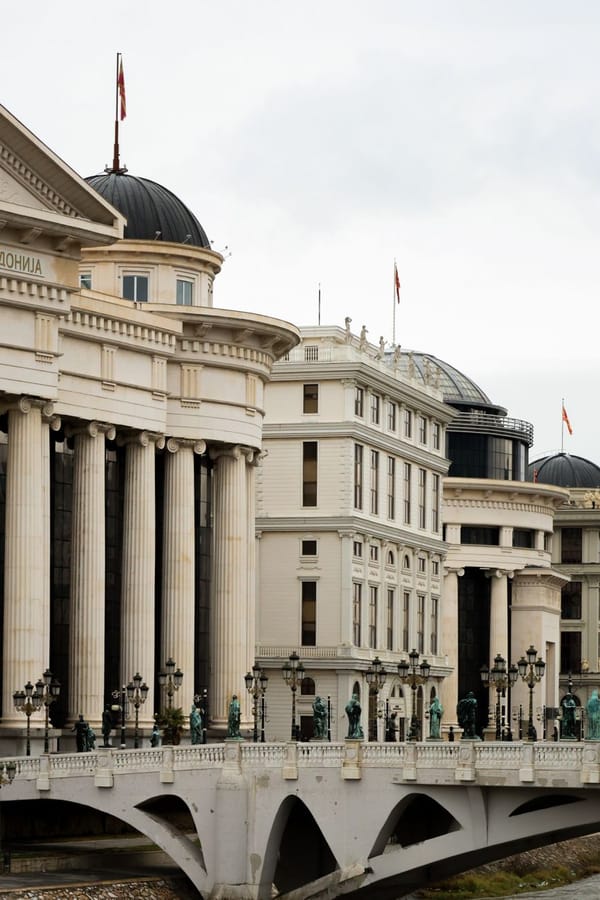
Politics
North Macedonia's EU Path: Security, Economy, and Institutional Readiness
In a significant diplomatic engagement held in Skopje, European leadership reaffirmed its commitment to North Macedonia’s accession to the European Union, highlighting the nation’s pivotal role in regional security and economic stability. The dialogue underscored North Macedonia…
Read More...
Politics
Germany's Subsidy Crisis: Why Taxpayers Are Demanding Fiscal Reform Now
In October 2026, the Bund der Steuerzahler released its annual "Black Book," a detailed report exposing state-funded waste and inefficient subsidy programs across Germany. This publication has sparked a significant conversation about fiscal responsibility, revealing how public f…
Read More...