
See How a Nazi-Era Song Turned 'We Are the Dike' Into the SPD's Biggest Political Correctness Test in Saxony-Anhalt
We compile, generate and translate using Artificial Intelligence from the below given source. Macro Micro News is responsible for its editorial publication.
BERLIN, Source :
A political slogan can look perfectly clear until history interrupts. That is exactly what is happening in Saxony-Anhalt, where the SPD is running its state election campaign under the phrase "Wir sind der Deich" (We are the dike). The idea was to present the Social Democrats as the true defense against political extremes. The message was aimed at the Alternative for Germany (AfD), but the words themselves carry a past that has now taken the campaign in an unexpected direction.
The phrase comes from a National Socialist song written in 1936. On August 21, 2026, AfD deputy federal spokesman Stefan Möller placed that fact at the center of a public response. He noted that the SPD has spent years interpreting everyday statements through the lens of the Nazi era and using those references to discredit political opponents. Now, he argued, the party has found itself in a similar position. If the legal standard used in the criminal case against AfD politician Björn Höcke were applied to the SPD, the party would need to explain how the origin of its own slogan was missed.
The Höcke case is a key part of this debate. German law makes it illegal to publicly use symbols of unconstitutional organizations, and courts have applied that rule to spoken slogans as well. Höcke was convicted for using "Alles für Deutschland," an SA rallying cry, during a public speech. The court decided that he knowingly used a slogan belonging to a banned organization. That case has become a reference point in discussions about Nazi-era language in public life. Möller's argument is simple: political actors who are expected to know the background of such phrases should also be expected to recognize a line from a 1936 National Socialist song before putting it on campaign posters.
The political setting in Saxony-Anhalt makes this episode especially significant. In the 2021 state election, the AfD received 20.8 percent of the vote and became the second strongest party. The SPD received 8.4 percent and later joined a state government led by the CDU as a junior partner. For the SPD, the image of the dike was meant to give meaning to that smaller role. The party would stand against the political flood even without being the largest force. Now the chosen imagery points directly to a National Socialist song, which creates a difficult moment for a party that has often used the memory of National Socialism as a political standard.
The episode offers a useful lesson about language and political culture. People who spend energy searching for historical echoes in the words of others must be ready for the same kind of examination. The AfD's response borrows exactly that technique of historical exposure, and it has placed the SPD in a position that requires two conversations at once. One is about how the slogan came to be chosen. The other is about the moral standards that the SPD has helped shape for public discourse. Whether the phrase remains on posters until election day is still unknown. What is already clear is that "Wir sind der Deich" no longer works as a simple campaign promise. In the very week the SPD wanted to appear as the dike against the right, the historical source of its own slogan quietly opened a gap.
Related in Politics
Politics
Europe's New Aid Strategy: How Team Europe Is Protecting Workers and Fixing Supply Chains in 240 Million Crisis Zones
European Commissioner Lahbib Zouarhi recently took the stage at the Foreign Affairs Council to unveil a bold new vision for humanitarian aid. The message was clear. Europe must step up as "Team Europe" to tackle the growing number of global crises. With nearly 240 million people…
Read More...
Politics
Germany's Growth Mirage: Weidel Exposes the Debt Trap Behind Official Projections
The German federal government recently unveiled its autumn economic projections for October 2026, highlighting a projected growth rate of 1.3 percent for the current year. This optimistic forecast suggests a notable upswing in national economic activity. However, Alice Weidel, c…
Read More...
Politics
EU-Mexico Trade Alliance 2026: How This Partnership Is Reshaping Global Supply Chains
The European Union and Mexico have always been strong partners in multilateral cooperation. By September 2026 their relationship has become a key test for global economic resilience. Trade tensions are rising in many parts of the world. The EU-Mexico partnership offers stability…
Read More...
Politics
Ireland's EU Presidency: How Humanitarian Aid and Preparedness Build a Safer Future
As Ireland takes the helm of the Council of the European Union, Commissioner Lahbib highlights a pivotal moment for global engagement. Europe now faces a dual mandate that requires both moral leadership through humanitarian aid and strengthened internal resilience against a comp…
Read More...
Politics
Saxony-Anhalt Breaks Tradition: AfD's Tobias Rausch Takes Landtag Presidency
German politics witnessed a defining moment on October 6, 2026, when the newly constituted state parliament of Saxony-Anhalt elected Tobias Rausch as its Landtag President. This event marks the first time in the history of the Federal Republic that a member of the Alternative fo…
Read More...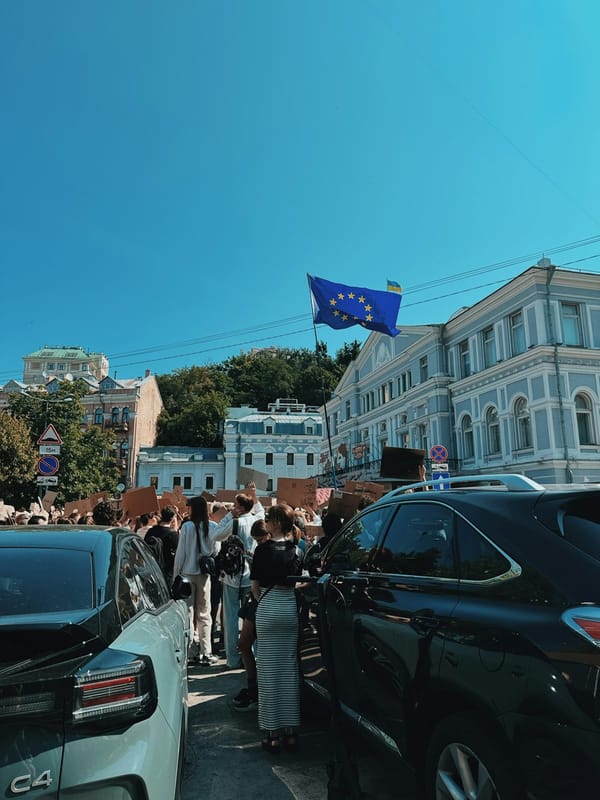
Politics
Von der Leyen's Balkan Strategy: Why EU Expansion is a Mutual Transformation
Ursula von der Leyen has made it clear that the European Union’s path forward involves more than just opening borders. Her recent visits to the Western Balkans highlight a strategic shift where enlargement is treated as a mutual transformation rather than a one-sided gift from B…
Read More...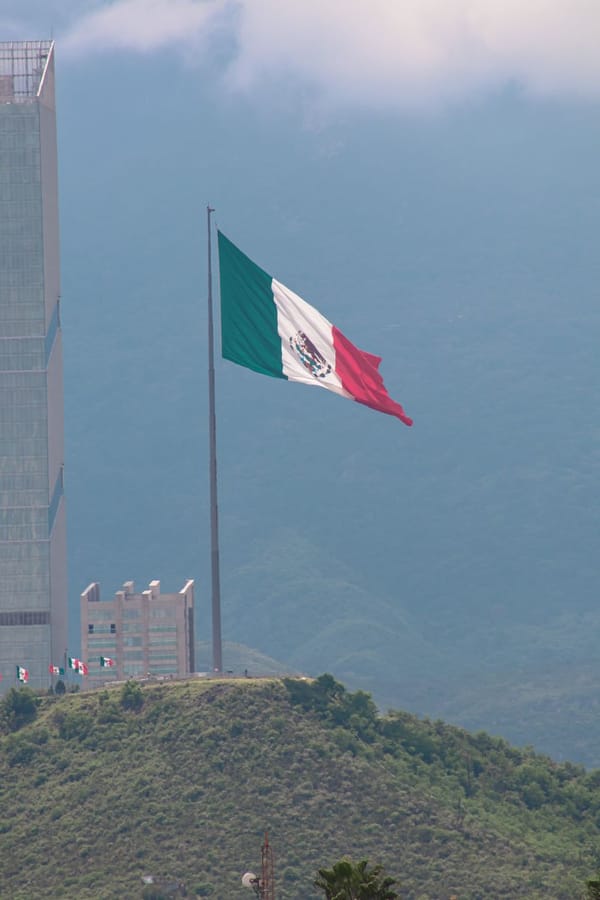
Politics
EU-Mexico Trade Shift 2026: What Nearshoring and Green Tech Mean for Your Business
The relationship between the European Union and Mexico is undergoing a significant transformation as we navigate through 2026. This partnership has evolved from traditional trade agreements into a robust framework focused on sustainable development digital innovation and diploma…
Read More...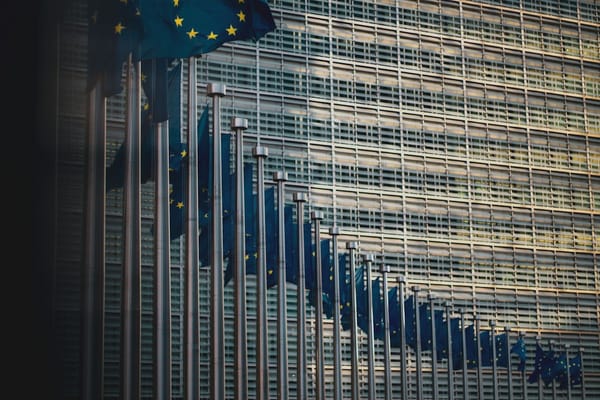
Politics
Germany's 52% State Share: What This Record Means for Your Wallet and Economy
In early October 2026, Germany reached a notable economic milestone. The federal government projected a state share of 52 percent for the current year. This figure marks a new all-time high. It signals a substantial shift in how public expenditure relates to national economic ou…
Read More...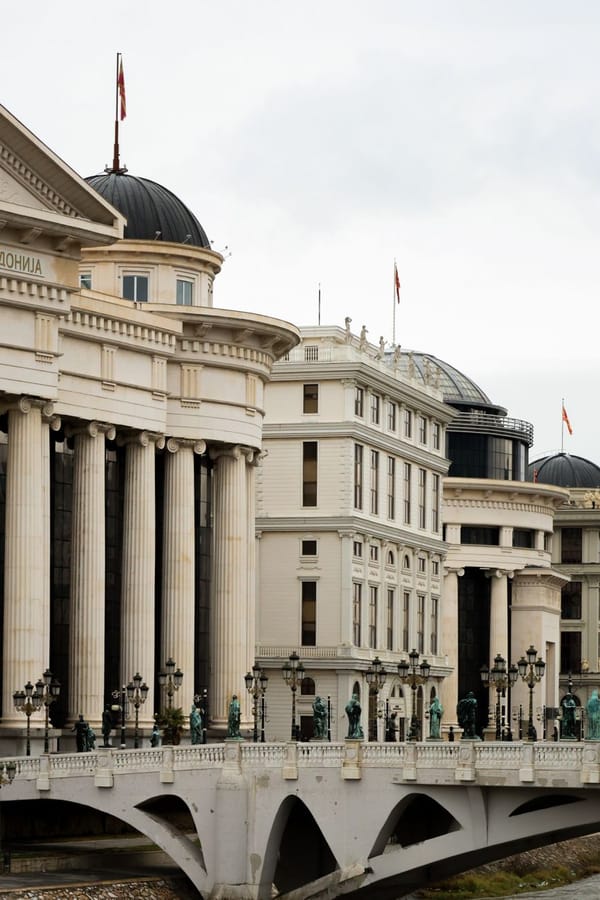
Politics
North Macedonia's EU Path: Security, Economy, and Institutional Readiness
In a significant diplomatic engagement held in Skopje, European leadership reaffirmed its commitment to North Macedonia’s accession to the European Union, highlighting the nation’s pivotal role in regional security and economic stability. The dialogue underscored North Macedonia…
Read More...
Politics
Germany's Subsidy Crisis: Why Taxpayers Are Demanding Fiscal Reform Now
In October 2026, the Bund der Steuerzahler released its annual "Black Book," a detailed report exposing state-funded waste and inefficient subsidy programs across Germany. This publication has sparked a significant conversation about fiscal responsibility, revealing how public f…
Read More...