
The Arginine Advantage: How One Affordable Amino Acid Helps Your Immune System Outsmart Cancer and Viruses
We compile, generate and translate using Artificial Intelligence from the below given source. Macro Micro News is responsible for its editorial publication.
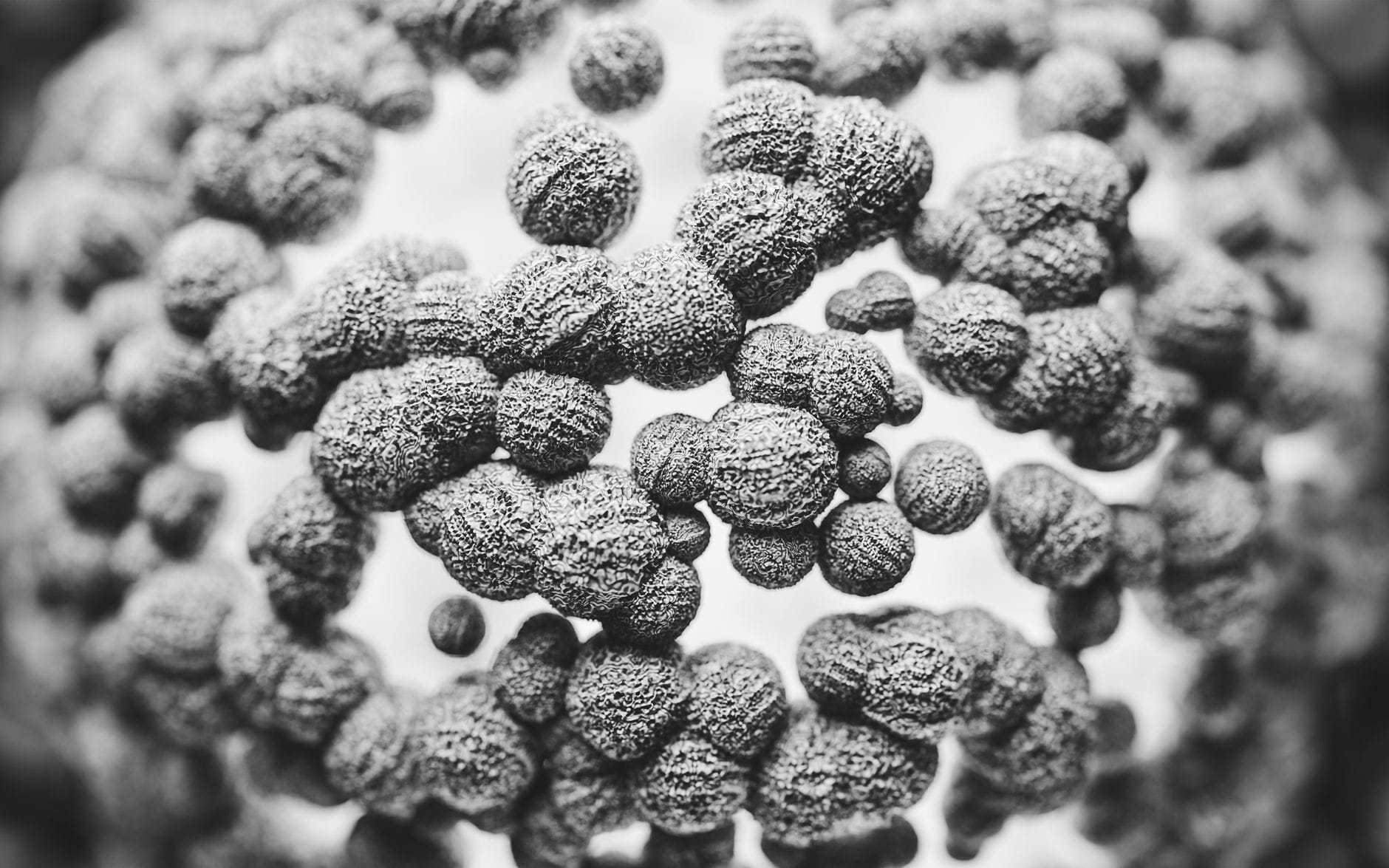
New York, MMN Correspondent: What if the next major step in immune health is already on your plate? Scientists at Rockefeller University have found a simple amino acid that appears to play a surprisingly large role in how your body detects and responds to cancer and viral infections. And the best part? It is inexpensive, widely available, and naturally present in many of the foods you already eat.
Arginine is one of the building blocks of proteins, the molecules that keep your body running. Your body makes it, and it also comes from protein-rich foods like meat, poultry, fish, dairy, and nuts. For years, researchers have noticed that abnormally low arginine levels show up in certain diseases, especially colon cancer. The big question was whether this drop in arginine was just a coincidence or something much more important.
Now there is a clear answer. Dr. Sohail Tavazoie and his team at Rockefeller University have been digging into this link for years. In 2023, they found that colon cancer cells deprived of arginine developed more mutations. That discovery opened the door to their latest study, published in the journal Cell. It turns out that arginine scarcity directly affects the immune system's surveillance system, making it harder for your body to see threats.
Here is what happens inside your cells. Nearly every cell in your body displays a protein called MHC-1 on its surface. Think of MHC-1 as a window into the cell. It shows fragments of what is happening inside. If a cell has become infected with a virus or turned cancerous, MHC-1 presents those abnormal fragments to T cells, your immune system's frontline soldiers. The T cells can then recognize the problem and destroy the harmful cell.
This is where arginine becomes essential. MHC-1 is a protein rich in arginine. When arginine levels are low, the ribosomes in your cells, the tiny machines that build proteins, literally stall while trying to produce MHC-1. With fewer MHC-1 molecules on the surface, cells become much harder for the immune system to detect. Cancer cells and infected cells can essentially fly under the radar.
The first author of the study, Qiushuang Wu, explained that the research shows how a lack of arginine interferes with the immune system and suggests that increasing arginine intake could be helpful. "Perhaps that means it could be used in combination with other therapies to treat both cancer and viral infections," she said.
The team dug deeper and found that when arginine is scarce, 414 proteins in the cell show unusually low levels. Among the most interesting are three HLA genes responsible for producing MHC-1. That connection directly links arginine availability to how well your cells can raise the alarm.
Animal studies backed this up. Mice fed a low arginine diet developed more colon tumors. Mice that received extra arginine developed fewer. The same pattern appeared with viral infections. Mice on an arginine-rich diet had milder symptoms from influenza and SARS-CoV-2, the virus that causes COVID-19. Perhaps even more surprising, giving mice arginine after they were already infected with influenza still improved their outcomes. That suggests arginine could serve as a treatment and also as a preventive step.
Wu noted that the dietary effect was unexpected. The genetic models showed that manipulating arginine levels had a strong effect on gene expression, and the dietary changes matched that impact. That is a powerful reminder that what we eat can influence how our cells behave at a fundamental level.
There is also a compelling tie to aging. Arginine levels naturally decline as we get older. That decline, combined with a diet that does not provide enough arginine, could leave older adults more vulnerable to respiratory viruses and certain cancers. This study offers possible insight into age-related arginine loss and its connection to immune health.
The practical possibilities are exciting. Arginine is cheap, easy to find, and generally considered safe. The researchers believe it could be tested alongside existing immunotherapies or given to high-risk groups such as healthcare workers and the elderly. Tavazoie said that because arginine is inexpensive and readily available, therapeutic and preventive studies could start soon.
This work is part of a larger shift in how scientists think about nutrition. Food provides fuel. It also provides information your cells use to make decisions about growth, repair, and defense. The team is now exploring whether adjusting other amino acids could have similar effects in different diseases.
For now, this research highlights a simple truth. A small molecule found in everyday foods may have a much bigger role in immune defense than we ever realized. In the ongoing effort against cancer and viruses, that is a genuinely encouraging step forward.
Related in Scientific Research

Scientific Research
PLOS Climate: How Open Access is Reshaping Global Warming Research
The landscape of scientific communication is shifting rapidly. Integrity and accessibility are no longer just nice-to-haves but essential pillars of modern research. PLOS Climate stands at the center of this transformation. This journal from the Public Library of Science in Cali…
Read More...
Scientific Research
PLOS Climate: Navigating Broken Links to Access Critical Global Warming Research
The digital landscape of scientific publishing is shifting rapidly. For researchers and enthusiasts alike, the ability to access peer-reviewed work without barriers is essential. PLOS, a nonprofit based in California, has long championed open access. Their journal PLOS Climate f…
Read More...
Scientific Research
How PLOS Climate Is Reshaping Global Science: The Open Access Advantage
In the fast-moving world of scientific communication, open access journals are doing more than just sharing papers. They are breaking down walls that have long kept knowledge out of reach. PLOS Climate stands at the center of this shift. As a key part of the Public Library of Sc…
Read More...
Scientific Research
PLOS Climate: How Open Science is Reshaping Global Data Access
The digital landscape of scientific publishing is undergoing a profound transformation. This shift is driven by the urgent need for transparency and rapid dissemination of critical research. PLOS Climate stands at the forefront of this movement. It is a specialized journal dedic…
Read More...
Scientific Research
PLOS Climate 404 Errors: How Link Rot Threatens Scientific Trust and What You Can Do
The digital landscape of scientific communication is shifting rapidly. For researchers, policymakers, and educators, the integrity of open-access journals like PLOS Climate is not just a convenience but a necessity. Yet, even the most robust platforms face technical hurdles. A r…
Read More...
Scientific Research
PLOS Climate: How Open Access is Reshaping Global Warming Solutions
The landscape of scientific publishing is shifting beneath our feet. Accessibility and transparency are no longer just nice-to-have features; they are the bedrock upon which we address the most pressing challenges of our time. The Public Library of Science (PLOS), a nonprofit ba…
Read More...
Scientific Research
California Beaches See First Olive Ridley Nesting: What This Means for Sea Turtle Conservation
Marine biologists are witnessing a historic shift in ocean ecology. On September 16, 2026, an olive ridley sea turtle laid eggs on a beach near Seal Beach in Orange County, California. This event marks the first confirmed nesting of this species on the U.S. West Coast. Historica…
Read More...
Scientific Research
PLOS Climate: Why Broken Links Threaten Global Science Access
The digital landscape of scientific communication is shifting beneath our feet. As climate research accelerates, the integrity and accessibility of this data have become paramount. Specialized journals like PLOS Climate face constant challenges regarding content availability and…
Read More...
Scientific Research
Why Climate Data Links Fail: The Open Access Fix You Need Now
Imagine clicking a link to the latest climate study only to hit a dead end. That frustrating 'Page Not Found' error is more than a technical glitch. It represents a significant barrier in the fight against misinformation and delayed action. When vital research on global warming…
Read More...
Scientific Research
What Color Is the Universe? The Surprising Beige Answer from Johns Hopkins
For centuries humanity has gazed into the night sky captivated by vibrant nebulae and dying stars. Yet a deceptively simple question remains elusive to the naked eye. What is the average color of the entire universe? The answer defies expectations of deep cosmic blues or brillia…
Read More...
Scientific Research
How Astronomers Rebuilt Andromeda Without Photoshop: The 223-Exposure Secret to Clarity
The Andromeda Galaxy, scientifically designated as M31, looms as our nearest major galactic neighbor. It offers a profound window into the structure and scale of our local universe. Yet capturing its true essence remains a formidable challenge for both amateur and professional a…
Read More...