
Tulbagh Canning Plant Shutdown: 3,000 Jobs and 60,000 Tons of Fruit Hanging in the Balance
We compile, generate and translate using Artificial Intelligence from the below given source. Macro Micro News is responsible for its editorial publication.
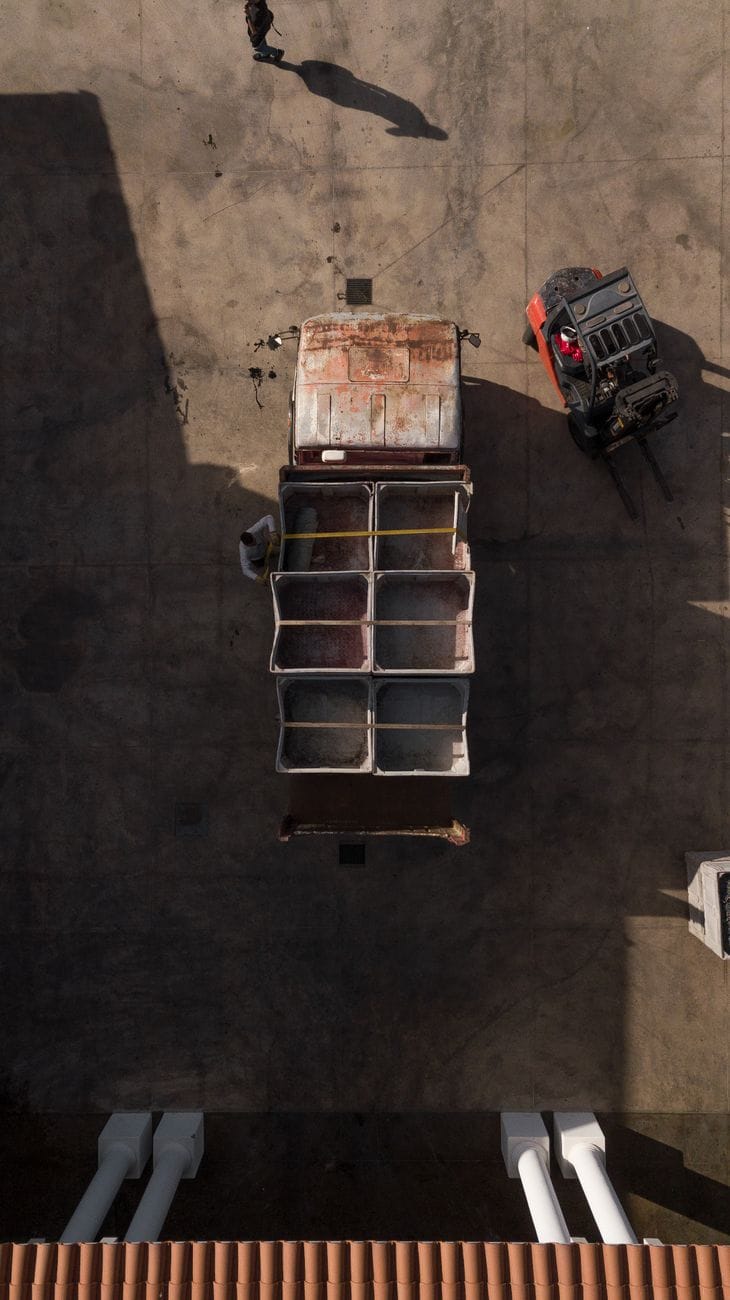
Tulbagh, Western Cape, MMN Correspondent: A quiet town in the Western Cape is suddenly at the center of something big. The canning plant in Tulbagh, run by Premier Foods under its FPWC banner, processes the fruit that ends up on tables and store shelves across the country and beyond. But now, with machinery already being removed and an official closure notice on the table, the entire operation is facing an uncertain future. What does this mean for the workers, the farmers, and the fruit itself? Around 3,000 permanent and seasonal jobs are directly tied to the plant. That number does not even include the thousands of farm laborers who depend on the plant buying their harvest. The ripple effect reaches communities all the way to the Langeberg mountains, where fruit growing is not just a job but a way of life. Here is where it gets interesting. The closure comes right after farmers had made heavy investments for the 2026/27 harvest season. They signed three-year contracts with FPWC, expecting the plant to keep running. Over 500 farming operations and independent growers were relying on those agreements. Now, with the company pulling out, there is a real possibility that between 55,000 and 60,000 tons of fruit will have nowhere to go. In a market like that, prices could collapse, and a lot of hard work could go to waste. Farmers have spent hundreds of thousands of rand preparing orchards, upgrading irrigation systems, and planning around long-term supply commitments. If the plant closes, those investments may not be recoverable. Small-scale producers could be hit hardest. And beyond the local economy, South Africa's position in the global fruit export market could take a serious knock, especially for juice products that are shipped overseas. So what is being done? The VF Plus has launched a formal business rescue process. The party is challenging the way the closure was handled, since everyone got just one day of notice before the equipment started coming out. At the same time, they are looking at other options, including new ownership models, private investors, and public-private partnerships that could keep the plant operational. This is not without precedent. In 2022, Langeberg Foods was on the edge, but coordinated intervention saved 2,500 jobs. That example shows what is possible when political leaders, unions, and government agencies work together. The VF Plus wants to build a similar plan for Tulbagh, one that brings farmers, labor representatives, and local municipalities into the conversation. Economists are watching closely. The fruit sector in the Western Cape contributes more than R18 billion to the provincial economy every year and supports over 40,000 jobs directly and indirectly. If processing capacity disappears, the effects would be felt in logistics, tax revenue, and future investment in agro-processing. There is also a growing global demand for sustainably produced, traceable fruit, and South Africa has the potential to be a major player. Losing a key facility like this would make that harder. There is another layer to consider. Surplus fruit without a processing outlet could create environmental problems. Rotting produce can lead to soil contamination, water pollution, and extra greenhouse gas emissions. That is a risk South Africa cannot afford, especially with its climate commitments under the Paris Agreement. Time is the real challenge here. The harvest season is approaching its peak, and farmers cannot wait weeks for answers. Every delay makes it harder to find alternative buyers or processing routes. The VF Plus has called on the Department of Trade, Industry and Competition, the Western Cape Provincial Government, and industry bodies to step in quickly. A task force could assess options like state-backed loans, transition grants, or even a cooperative model run by the workers and farmers themselves. Public support is growing. Residents, unions, and civic groups are organizing demonstrations and awareness campaigns. Social media is filling with stories of families whose livelihoods are tied to the plant. The message is clear: corporate decisions have human consequences. Premier Foods has explained the closure by pointing to changing market conditions and internal restructuring. But critics are not convinced, especially since there was no consultation with the people most affected. That lack of transparency is adding to the frustration. The next few weeks will be decisive. If a solution is found, it could show how industrial transitions can be managed with both economic efficiency and social responsibility. If not, the impact on Tulbagh and the wider Western Cape would be felt for years. This is not just about saving a plant. It is about protecting an agricultural ecosystem that has supported generations of families and could continue to do so with the right support. All eyes are now on Premier Foods, government officials, and everyone involved in the negotiations. The question is whether the urgency of the moment will translate into action before the season gets out of reach. The answer will shape the future of the region.
Related in Politics
Politics
Europe's New Aid Strategy: How Team Europe Is Protecting Workers and Fixing Supply Chains in 240 Million Crisis Zones
European Commissioner Lahbib Zouarhi recently took the stage at the Foreign Affairs Council to unveil a bold new vision for humanitarian aid. The message was clear. Europe must step up as "Team Europe" to tackle the growing number of global crises. With nearly 240 million people…
Read More...
Politics
Germany's Growth Mirage: Weidel Exposes the Debt Trap Behind Official Projections
The German federal government recently unveiled its autumn economic projections for October 2026, highlighting a projected growth rate of 1.3 percent for the current year. This optimistic forecast suggests a notable upswing in national economic activity. However, Alice Weidel, c…
Read More...
Politics
EU-Mexico Trade Alliance 2026: How This Partnership Is Reshaping Global Supply Chains
The European Union and Mexico have always been strong partners in multilateral cooperation. By September 2026 their relationship has become a key test for global economic resilience. Trade tensions are rising in many parts of the world. The EU-Mexico partnership offers stability…
Read More...
Politics
Ireland's EU Presidency: How Humanitarian Aid and Preparedness Build a Safer Future
As Ireland takes the helm of the Council of the European Union, Commissioner Lahbib highlights a pivotal moment for global engagement. Europe now faces a dual mandate that requires both moral leadership through humanitarian aid and strengthened internal resilience against a comp…
Read More...
Politics
Saxony-Anhalt Breaks Tradition: AfD's Tobias Rausch Takes Landtag Presidency
German politics witnessed a defining moment on October 6, 2026, when the newly constituted state parliament of Saxony-Anhalt elected Tobias Rausch as its Landtag President. This event marks the first time in the history of the Federal Republic that a member of the Alternative fo…
Read More...
Politics
Von der Leyen's Balkan Strategy: Why EU Expansion is a Mutual Transformation
Ursula von der Leyen has made it clear that the European Union’s path forward involves more than just opening borders. Her recent visits to the Western Balkans highlight a strategic shift where enlargement is treated as a mutual transformation rather than a one-sided gift from B…
Read More...
Politics
EU-Mexico Trade Shift 2026: What Nearshoring and Green Tech Mean for Your Business
The relationship between the European Union and Mexico is undergoing a significant transformation as we navigate through 2026. This partnership has evolved from traditional trade agreements into a robust framework focused on sustainable development digital innovation and diploma…
Read More...
Politics
Germany's 52% State Share: What This Record Means for Your Wallet and Economy
In early October 2026, Germany reached a notable economic milestone. The federal government projected a state share of 52 percent for the current year. This figure marks a new all-time high. It signals a substantial shift in how public expenditure relates to national economic ou…
Read More...
Politics
North Macedonia's EU Path: Security, Economy, and Institutional Readiness
In a significant diplomatic engagement held in Skopje, European leadership reaffirmed its commitment to North Macedonia’s accession to the European Union, highlighting the nation’s pivotal role in regional security and economic stability. The dialogue underscored North Macedonia…
Read More...
Politics
Germany's Subsidy Crisis: Why Taxpayers Are Demanding Fiscal Reform Now
In October 2026, the Bund der Steuerzahler released its annual "Black Book," a detailed report exposing state-funded waste and inefficient subsidy programs across Germany. This publication has sparked a significant conversation about fiscal responsibility, revealing how public f…
Read More...