
Turkey Joins Artemis Accords as 71st Nation: What This Means for Your Future in Space
We compile, generate and translate using Artificial Intelligence from the below given source. Macro Micro News is responsible for its editorial publication.

NASA Headquarters, Washington, D.C., Source : Mark your calendar for a moment that could shape the next era of space travel. On Monday, Aug. 31, Turkey is set to sign the Artemis Accords at NASA Headquarters in Washington, D.C., becoming the 71st nation to commit to the framework. NASA Administrator Jared Isaacman and Turkish Minister of Industry and Technology Mehmet Fatih Kacır will lead the ceremony at 2:30 p.m. EDT, with senior U.S. State Department officials joining in. This is a formal commitment with real weight, and the signing says a great deal about where space exploration is heading.
What exactly are the Artemis Accords? They are a set of practical principles created in 2020 to guide how nations and private companies behave in space. The United States, with NASA and the State Department leading the way, joined seven other founding countries to build the framework. Those original signatories were Australia, Canada, Italy, Japan, Luxembourg, the United Arab Emirates, the United Kingdom, and the United States. The Accords are grounded in the 1967 Outer Space Treaty, the long-standing foundation of global space law.
These principles matter now more than ever. Lunar activity reaches far beyond government agencies, with private companies planning missions and nations around the world setting their sights on the Moon. The Accords cover peaceful and transparent operation, interoperability of systems, emergency assistance to astronauts, registration of space objects, open sharing of scientific data, preservation of space heritage, responsible use of space resources, deconfliction of activities, and orbital debris mitigation. When Turkey signs, it is agreeing to follow these norms and to cooperate on future missions under NASA's Artemis program.
Turkey also brings real experience to the table. The Turkish Space Agency continues to expand satellite development, communications infrastructure, and human spaceflight capability. In 2024, Alper Gezeravcı flew to the International Space Station on Axiom Mission 3, becoming the first Turkish citizen in space. Turkey has also launched the Turksat 5A, 5B, and 6A communications satellites in recent years. Joining the Accords puts Turkey alongside a broad international community preparing for a sustained presence on the Moon.
The ceremony is open to media in person only. Journalists who want to cover the moment must RSVP by 11 a.m. on Aug. 31. NASA plans to release more details through its newsroom and official channels. This event is part of a larger global picture. More nations are eager to take part in deep space exploration and to help shape the rules that will govern it.
By the end of August, the Artemis Accords will have 71 signatories from every region of the world. That number speaks to the framework's importance as one of the most widely accepted approaches to responsible space behavior. As NASA and its partners return to the Moon and prepare for missions to Mars, agreements like this one help ensure that humanity's expansion into the solar system happens safely, transparently, and for the benefit of all.
Related in Space Tech
Space Tech
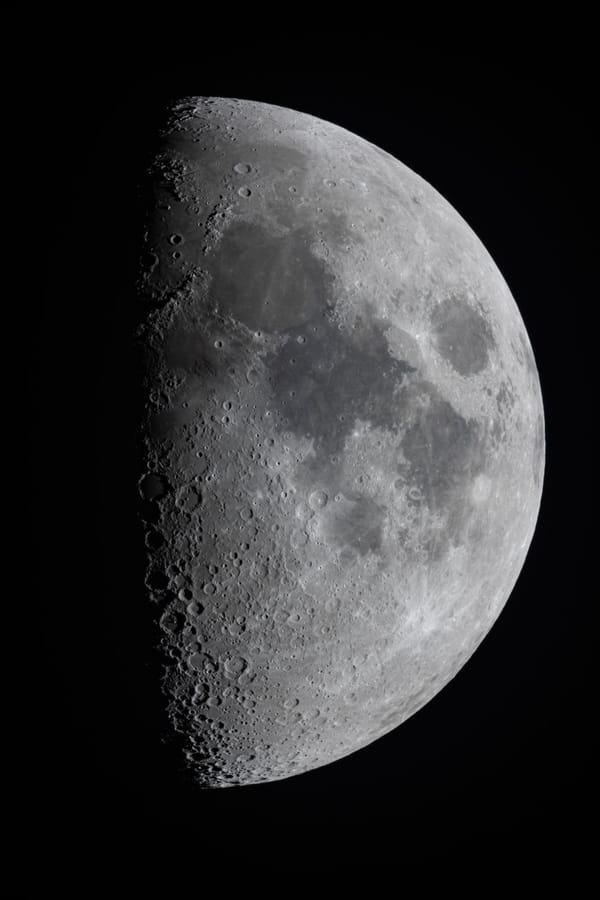
Lunar Farside Revealed: 15,000 Images Uncover Ancient Moon Terrain
For centuries we have looked up and seen only one face of our nearest celestial neighbor. Tidal locking keeps the far side turned away from Earth, creating a permanent blind spot in human history. Modern orbital technology has now lifted that veil. A detailed mosaic captured by…
Read More...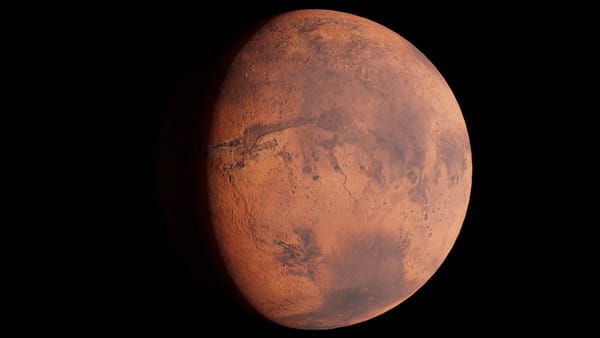
Space Tech
Stickney Crater: How a Massive Impact Nearly Destroyed Mars' Moon Phobos
Phobos, the innermost moon of Mars, carries a scar that tells a story of cosmic violence. Stickney Crater dominates its surface, a colossal basin named after Angeline Stickney Hall, wife of astronomer Asaph Hall. Hall discovered both Phobos and Deimos in 1877, linking human hist…
Read More...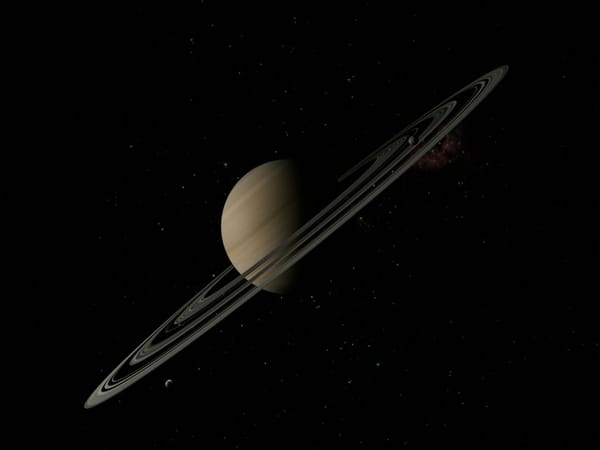
Space Tech
Saturn's Cosmic Clarity: How One Night Revealed the Ringed Planet's Secrets
On October 8, 2026, the Astronomy Picture of the Day featured a breathtaking composite image titled "The Saturn System Smörgåsbord." This visual feast offers an unprecedented view of the ringed planet and its diverse moons. Astrophotographer Tom Williams captured this exquisite…
Read More...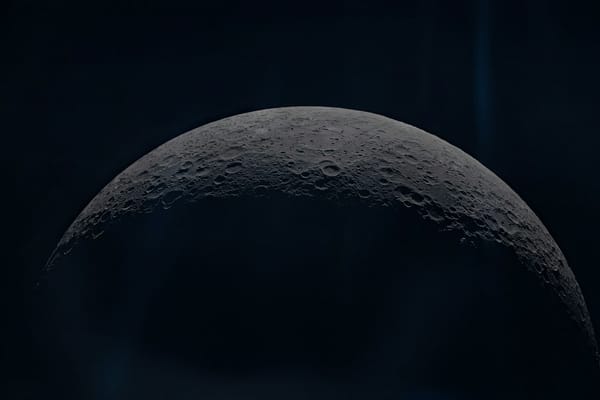
Space Tech
Artemis II Crew Captures Lunar Impact Flashes: What the Moon Revealed in April 2026
NASA has shared a remarkable dataset from the Artemis II mission that offers fresh perspectives on our lunar neighbor. The journey occurred between April 1 and April 10, 2026, marking the first crewed trip to the Moon's vicinity since the Apollo days. Astronauts Reid Wiseman, Vi…
Read More...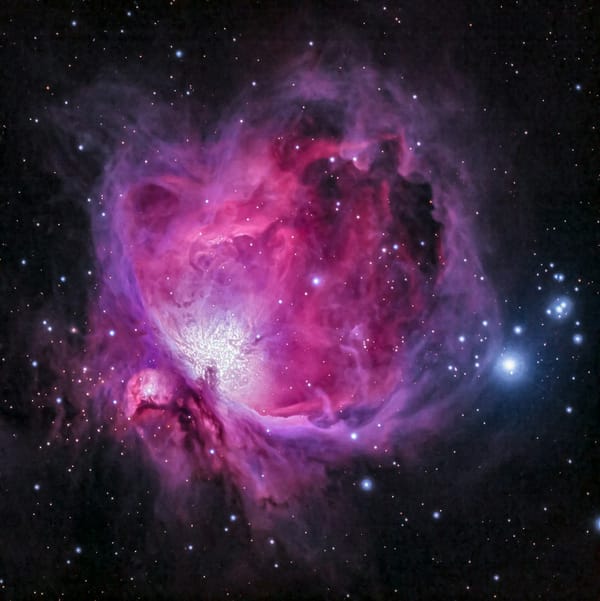
Space Tech
Pa 30: The 845-Year-Old Supernova Mystery That Defies Standard Models
The night sky holds countless stories written in light and dust. Among these celestial narratives, supernova remnants stand as testaments to the violent yet creative end of stellar lives. These expanding shells do more than mark a star's death. They scatter heavy elements across…
Read More...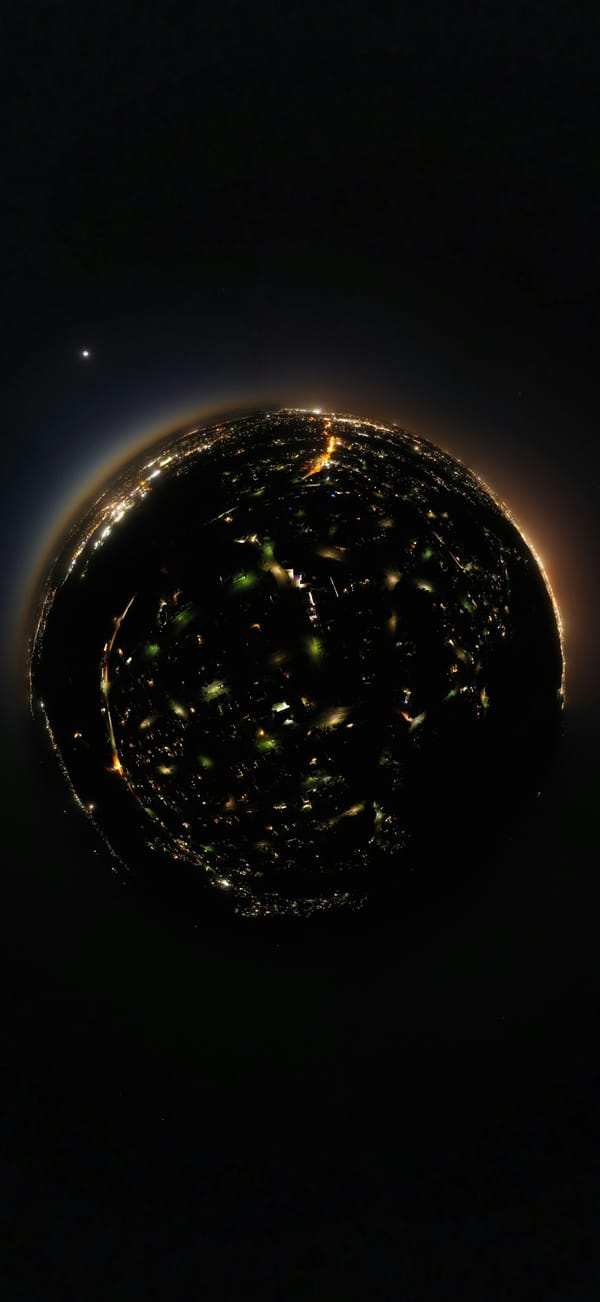
Space Tech
Earth's Full Aurora Ring Revealed: SMILE Mission Captures Complete View
Scientists have achieved a remarkable first by capturing the entire auroral oval in one continuous shot. The Solar Wind Magnetosphere Ionosphere Link Explorer mission shared this image on October 6, 2026. This perspective offers a fresh look at how our planet interacts with the…
Read More...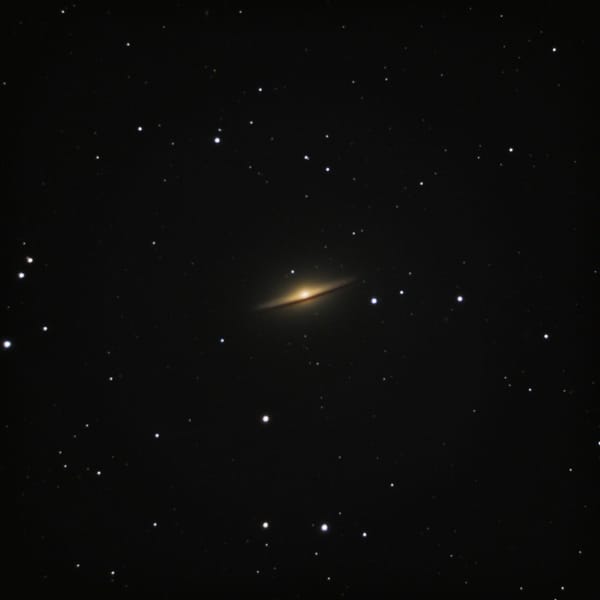
Space Tech
Sombrero Galaxy M104: New Deep-Exposure Image Reveals Tidal Streams and Violent History
The Sombrero Galaxy, known scientifically as Messier 104 or M104, has always drawn the eye with its striking resemblance to a wide-brimmed Mexican hat. This massive spiral galaxy features a bright central bulge encircled by a distinctive dark band of interstellar dust. While ast…
Read More...
Space Tech
New Jersey Sky: Witnessing Supernumerary Rainbows and the Wave Nature of Light
On October 4, 2026, the skies above New Jersey presented a rare spectacle that captivated both amateur photographers and meteorology enthusiasts. Following the passage of storm remnants over the Jersey Shore, a standard rainbow appeared in one direction. However, the phenomenon…
Read More...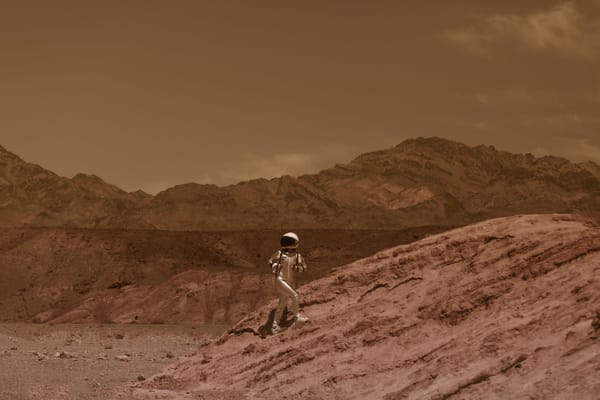
Space Tech
Mars Rover's New Selfie Reveals Vera Rubin Ridge Secrets
NASA’s Curiosity rover has once again provided humanity with a breathtaking glimpse into the red planet. The vehicle captured a stunning panoramic selfie at the south rim of Vera Rubin Ridge. This image served as the Astronomy Picture of the Day for October 3, 2026. It marks a s…
Read More...
Space Tech
313 Nebulas Captured: The Complete Sharpless Catalog Revealed in Eastern China
On October 2, 2026, NASA’s Astronomy Picture of the Day highlighted a monumental achievement in astrophotography. The complete Sharpless Catalog has been unveiled, showcasing 313 distinct nebulae. This comprehensive collection offers an unprecedented opportunity to explore the d…
Read More...