
UEFA vs Infantino: 3 Paths That Could Lead to a World Cup Boycott and Reshape Football. Fans Need to Know
We compile, generate and translate using Artificial Intelligence from the below given source. Macro Micro News is responsible for its editorial publication.
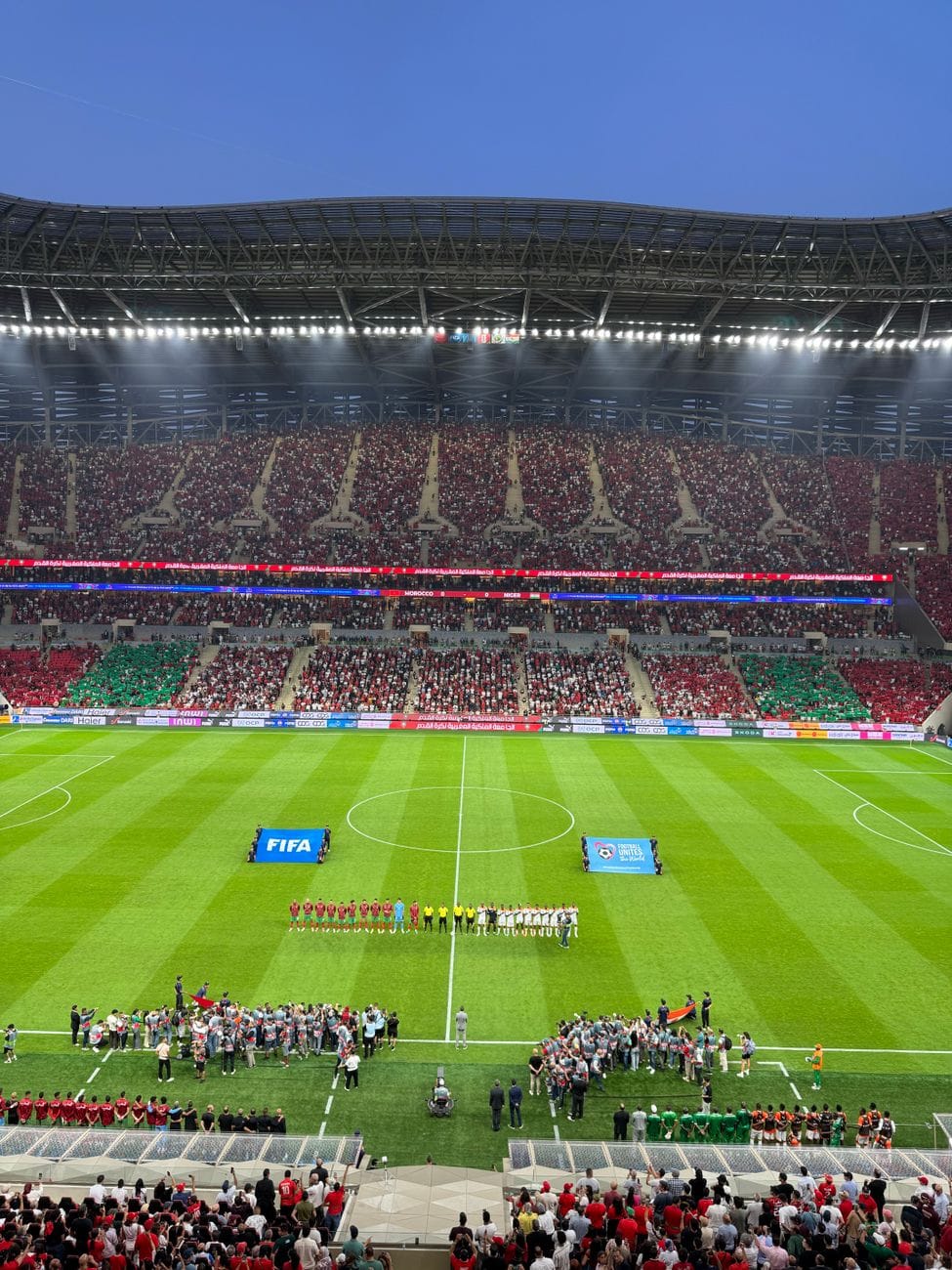
Rabat, Morocco, MMN Correspondent: International football has reached a defining moment. A disagreement inside FIFA's top offices now carries the weight of the entire sport. European football leaders have made it clear that the current leadership path is not acceptable. The question is what happens next and how quickly the situation can move.
The current situation began with a proposal known as FIFA Forward Enterprise. It would have sold commercial stakes in the World Cup to private investors. UEFA's response was immediate. European football's governing body called it a "shabby, back room, opaque deal." The English FA went further and removed its support for FIFA President Gianni Infantino.
The proposal was eventually withdrawn after the opposition became too strong. UEFA's position is that the underlying conditions for rebuilding trust were not fully met. One condition involved withdrawing the proposal. That happened. The other condition asked for assurances that such a move would never be made again. Those assurances did not come. That is where the relationship stands today.
Infantino arrived in Rabat this week in a motorcade, sitting in the back of a Mercedes with tinted windows. He called a meeting of FIFA's management board. The room included Secretary General Mattias Grafstrom, finance chief Thomas Peyer, legal chief Emilio Garcia Silvero, and chief of staff Daniel O'Toole. Missing from the gathering was FIFA's Chief Operating Officer Kevin Lamour. Lamour had voiced strong concerns about the FIFA Forward Enterprise, describing it as "the project of one person" and calling on football's leaders to ask the right questions. His absence from the meeting did not go unnoticed.
Afterward, Infantino and Grafstrom appeared together at a Women's Africa Cup of Nations match. FIFA issued a statement saying mistakes were acknowledged and an apology was made. UEFA was not convinced. The meeting was seen as a gathering of close allies. It lacked the look of an independent review. Three basic questions remain unanswered. Who prepared the FIFA Forward Enterprise plan? Was there a competitive tender process? Did Infantino stand to gain anything personally? UEFA says these questions must be answered before trust can return.
UEFA has several options on the table. One is to call a special meeting of the FIFA Council. That would require support from 19 of the 36 council members. Another option is a vote of no confidence, which would need 106 votes from the 211 member associations. A third option is to present a unity candidate in the next FIFA presidential election in March. Concacaf president Victor Montagliani is often mentioned as a strong candidate, with no official decision announced yet.
Infantino still has considerable global backing. The Confederation of African Football has unanimously reconfirmed its support. The Gambia Football Federation praised his "courage" and said it would support him more than ever. Only Jordan has publicly said it will not vote for his reelection. FIFA is also expected to announce new funding for member associations before the end of the year. That funding could build even more goodwill toward Infantino.
The strongest option UEFA holds is a boycott of FIFA competitions, including the World Cup. That is a heavy step. It could split global football and create a permanent divide between Europe and the rest of the world. It could also make Europe look like it is forcing its will on other regions. UEFA understands the risk. The option remains on the table.
The first test may come at the Women's U20 World Cup in Poland on September 5. Six European countries, including England, are scheduled to take part. Any sign of action from UEFA will be felt across the sport.
This moment is about more than one man or one proposal. It is a debate about how football should be governed. The FIFA Forward Enterprise was seen as a step toward commercializing the sport in ways that would reward a small group of insiders. UEFA's pushback is about protecting football's long term future. The outcome of this standoff will shape international football for years to come.
For fans around the world, the next few months offer a rare chance to watch the sport's leadership being challenged at the highest level. The decisions made now will influence everything from tournament participation to the way FIFA operates. Change is coming. The only question is which path will lead there.
Related in Sport
Sport
Beyond Talent: How Interdisciplinary Science is Redefining Elite Sports Performance
In the 21st century, the landscape of competitive sports has undergone a profound transformation. No longer confined to the realms of raw motor skills, intuition, and innate talent, high-level athletics now stands at the intersection of biology, psychology, data science, and man…
Read More...
Sport
Fat Burning Myths Debunked: How Lean Mass Dictates Metabolism for Men and Women
For decades the fitness world has operated on a specific assumption about how men and women burn fuel. The prevailing wisdom suggested that men possess a biological edge in fat oxidation during exercise. This belief was often tied to higher testosterone levels and greater skelet…
Read More...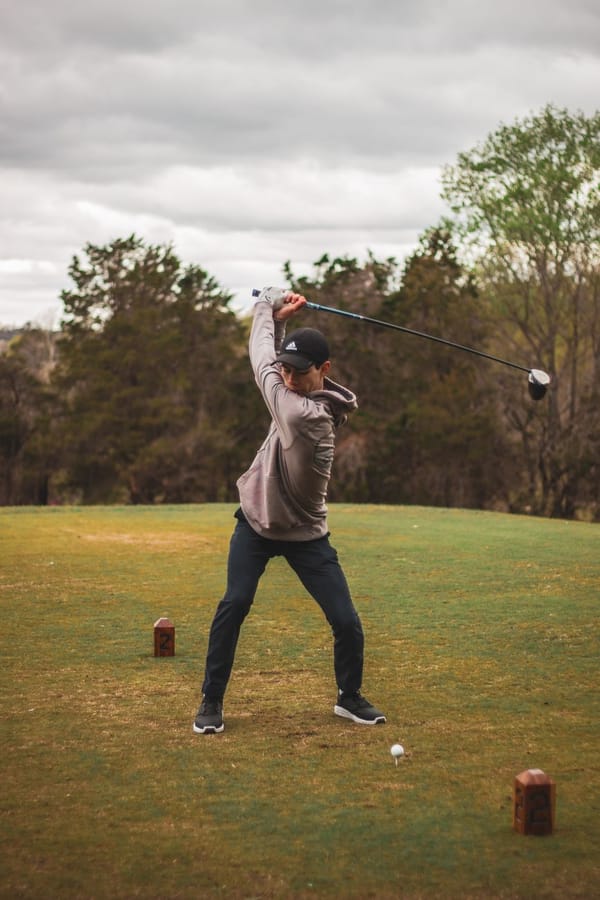
Sport
How Jump Metrics Predict Clubhead Speed in Sub-Elite Golfers
Driving distance stands as a critical determinant of scoring performance in golf. Even modest increases in yardage can translate to significant strokes saved over the course of a tournament. While clubhead speed remains widely recognized as a primary driver of distance, understa…
Read More...
Sport
Deadlifts Before Cycling: Why Heavy Lifting Fails to Boost Endurance Performance
The concept of Post-Activation Performance Enhancement (PAPE) has long been a staple in strength and conditioning protocols. Athletes frequently utilize heavy resistance exercises, such as squats or deadlifts, immediately prior to explosive movements like sprinting or jumping, u…
Read More...
Sport
How Elite Lifters Use Words to Build Confidence: New Study Reveals Mental Strategies
Competitive weightlifting demands extreme physical precision under intense psychological pressure. Athletes must execute complex movements within strict time limits where a single error can shift the entire competitive landscape. A recent study published in Sports (MDPI) on Octo…
Read More...
Sport
Elite Gymnast Shoulder Strength: Biomechanical Insights for Injury Prevention
Shoulder injuries stand as a primary hurdle in artistic gymnastics. This sport requires extreme ranges of motion and places heavy loads on the upper body. A recent study published in Sports (MDPI) explores the biomechanical advantages held by competitive male gymnasts. The resea…
Read More...
Sport
How Machine Learning Decodes Elite Athletic Success: Key Drivers Revealed
The quest for peak athletic performance has always balanced art and science. Recent advances in artificial intelligence now bring unprecedented clarity to the factors that distinguish good athletes from elite ones. A groundbreaking study published in the journal Sports by resear…
Read More...
Sport
Czech Pro Tennis: The Mental Edge That Wins Matches
Professional tennis is often viewed as a physical contest, but the sport places immense psychological demands on athletes. A recent qualitative study of Czech professional players reveals that mental preparation is critical for managing the intense pressure, rapid decision-makin…
Read More...
Sport
Ultramarathon Pain Science: How Runners Turn Suffering Into Speed
The world of ultramarathon running has exploded in popularity over the last twenty years. These events challenge athletes to cover distances far beyond the standard marathon of 42.195 kilometers. While many participants seek personal growth or simply enjoy the beauty of nature,…
Read More...
Sport
Swimming Data Crisis: Implausible Times and Flawed Metrics Undermine Critical Velocity Analysis
A recent scientific commentary has raised significant concerns regarding the validity of bioenergetic performance data in competitive swimming, specifically targeting a study by Amara et al. published in Sports (2026). The critique highlights two critical methodological flaws th…
Read More...