
UK Wildfire Crisis 2026: 71% of England in Drought and Firefighters Overwhelmed, Are We Ready for What's Next?
We compile, generate and translate using Artificial Intelligence from the below given source. Macro Micro News is responsible for its editorial publication.
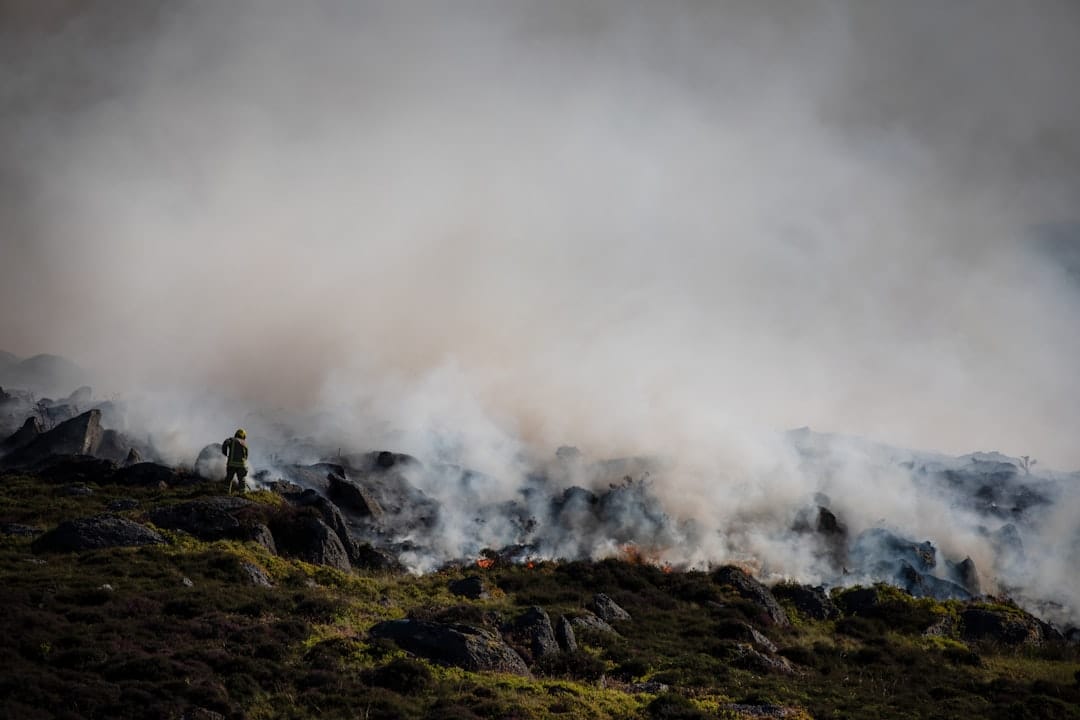
London, United Kingdom, MMN Correspondent: The United Kingdom is living through a fire emergency that keeps growing. Dry landscapes, repeated heatwaves, and shifting wind patterns have turned large parts of the country into a potential tinderbox. Firefighters are working long shifts to contain flames in Hampshire, Nottinghamshire, and beyond, and the pressure is mounting.
Nearly three quarters of England is now officially in drought. The latest figures from the National Drought Group put the affected area at 71.3%, with around 45 million people living in drought hit zones. More than 27 million people are already facing water use restrictions. This is not just about garden sprinklers. It is about the everyday water supply for homes, farms, and wildlife.
The Fire Brigades Union has called this summer an 'unprecedented summer of dangerous and volatile wildfires.' Steve Wright, the FBU general secretary, said: 'Our country is facing unpredictable environmental challenges, and it must be a national priority to ensure we have enough properly equipped firefighters ready to face those threats.' Those words are not just a warning. They are a direct challenge to the plans and budgets that shape emergency services.
In Hampshire, more than 120 firefighters tackled a wildfire that started on Sunday near Ringwood. What began as a van fire rapidly spread to New Forest heathland, scorching an area comparable to 140 football pitches. At the height of the response, 26 fire engines and four water carriers were deployed. Later, the operation settled into a more targeted phase with 10 engines and 13 off road vehicles. The fire continued to burn across a square kilometre of challenging terrain, while police drones watched from above to spot new flare ups.
Hundreds of drivers had to abandon their cars on the A31 near Ringwood as flames closed in. The scene was chaotic, but emergency services managed to guide people to safety. For those living nearby, the sound of helicopters and sirens became part of the background.
Nottinghamshire Fire and Rescue Service declared a major incident on Sunday after two large woodland fires near Mansfield. The fires broke out in tinder-dry conditions and stretched local resources to the limit. Similar incidents have popped up in the Cairngorms national park in Scotland, the Rhondda valley in south Wales, and Headon Warren on the Isle of Wight. Each one pulls crews away from other types of emergencies.
The strain is especially visible in London. An internal briefing seen by the Guardian shows that calls to the London Fire Brigade are up by almost a third this summer. Between 1 April and 9 July, the brigade handled 75,652 emergency calls, a 31% increase over the five year average. Incidents rose by nearly a quarter to 42,943. In the same period, firefighters responded to 392 wildfires and 68 water rescues. The combination of hot weather, dry ground, and sudden thunderstorms has created an intense workload.
What makes these fires worse? Think of it as a slow burning chain. A wet winter led to plenty of vegetation growth. Then came months of dry heat that turned that vegetation into fuel. By summer, all it takes is a spark, a discarded bottle, or a hot exhaust pipe to start a major fire. This year, England and Wales had their driest start to a year on record. Nineteen English counties recorded no rain at all in July. Southern England saw its hottest July ever, while Wales tied its hottest July record.
The National Drought Group met on Monday and described the situation as a 'flash drought,' meaning it developed quickly because of very low rainfall and higher temperatures. Tony Grayling, the chair of the group, said: 'Drought conditions are worsening and will continue to do so until we see significant and sustained rainfall.' He also highlighted the real impact on farmers and the environment and called on everyone to reduce water usage.
The government has acknowledged that the dry conditions are having a significant impact on communities, farmers, and businesses. A spokesperson for the prime minister said: 'Our climate is changing. Droughts are becoming more common.' The government says it is focused on immediate response and long term resilience through the National Drought Group. What remains less clear is when the situation will be treated as a national emergency.
Fire service leaders are making the case for stronger investment. Steve Wright has repeatedly noted that there are about 12,000 fewer firefighters in the UK today than in 2010. When fires break out in several places at once, the available crews are spread thin. The union is asking for more funding, modern equipment, and a more coordinated national approach.
There are already signs of progress. Joanne Smith, the London Fire Brigade's deputy assistant commissioner for control and mobilising, explained: 'We have learned from previous events such as the summer of 2022 and developed our training for firefighters and officers to enhance their knowledge of tactical awareness at wildfires.' She added: 'We've invested in new equipment and training to help tackle wildfires, and we will continue to evolve so that we are ready and prepared for future summers.'
The coming days will put those preparations to the test. The Met Office has issued amber heat health alerts for most of England, with temperatures expected to peak on Thursday. This is the fifth heatwave of the year, and it arrives at a time when the ground has very little moisture left. The Environment Agency has increased monitoring and is coordinating with water companies, farmers, and local partners.
So what does this mean for the wider picture? The UK is learning that fire seasons are no longer limited to a few weeks. They are longer, stronger, and more unpredictable. The decisions made now about funding and training will shape how well the country responds in the years ahead. Firefighters are showing remarkable dedication in difficult conditions. The question is whether the national support system around them will match their commitment.
Related in Global Warming
Scientific Research
How PLOS Climate Is Reshaping Global Science: The Open Access Advantage
In the fast-moving world of scientific communication, open access journals are doing more than just sharing papers. They are breaking down walls that have long kept knowledge out of reach. PLOS Climate stands at the center of this shift. As a key part of the Public Library of Sc…
Read More...
Scientific Research
PLOS Climate: How Open Access is Reshaping Global Warming Solutions
The landscape of scientific publishing is shifting beneath our feet. Accessibility and transparency are no longer just nice-to-have features; they are the bedrock upon which we address the most pressing challenges of our time. The Public Library of Science (PLOS), a nonprofit ba…
Read More...
Scientific Research
PLOS Climate: Why Broken Links Threaten Global Science Access
The digital landscape of scientific communication is shifting beneath our feet. As climate research accelerates, the integrity and accessibility of this data have become paramount. Specialized journals like PLOS Climate face constant challenges regarding content availability and…
Read More...
Scientific Research
Why Climate Data Links Fail: The Open Access Fix You Need Now
Imagine clicking a link to the latest climate study only to hit a dead end. That frustrating 'Page Not Found' error is more than a technical glitch. It represents a significant barrier in the fight against misinformation and delayed action. When vital research on global warming…
Read More...
Scientific Research
PLOS Climate: The Open Access Frontier for Global Warming Research
The landscape of scientific publishing is shifting rapidly. Accessibility and transparency are no longer just ideals but necessities. PLOS, a nonprofit organization based in California, stands at the forefront of this movement. They champion open access to peer-reviewed research…
Read More...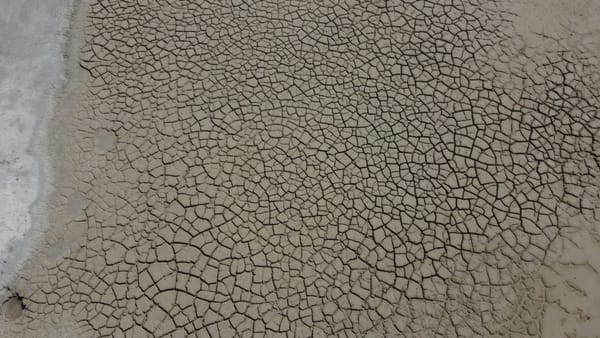
Global Warming
COP17 Mongolia: The Desertification Summit Deciding Your Food and Water Future
Around 10,000 people are heading into a national park near Ulaanbaatar this week. They've gathered for COP17, the seventeenth Conference of Parties to the United Nations Convention to Combat Desertification. The meeting runs from August 17 to 28, and it could determine how farms…
Read More...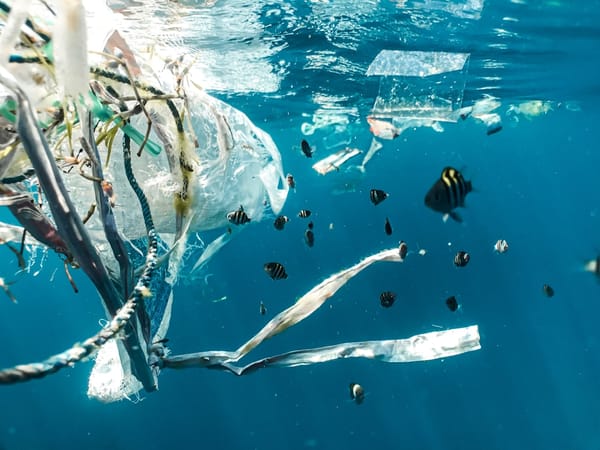
Global Warming
Plastics Treaty Draft Leaves Out Production Cuts: What It Means for You and the Planet
The newest draft of the global plastics treaty has arrived, and it is missing something many countries consider essential. Chilean ambassador Julio Cordano, the diplomat chairing the United Nations talks, released the document as an informal reference text. It reads a lot like a…
Read More...
Global Warming
What You Need to Know About South Africa’s Offshore Oil Court Battle: Communities Take On Shell and TotalEnergies
Layers of red dust still coat Saldanha Bay, a reminder of the iron ore exports that transformed a quiet coastal fishing town in the 1970s. Today, the same bay is being prepared for a different role. The South African government wants to turn it into the country's oil and gas hub…
Read More...
Global Warming
Canada’s Out-of-Control Wildfires: 22,000 Flee British Columbia, and What That Means for Your Community
Summerland received its evacuation order with little time to spare. Across British Columbia, around 22,000 people have now left their homes as 102 active wildfires spread through the province. Nearly half of those fires are listed as uncontrolled. The Bald Range fire grew to mor…
Read More...
Global Warming
Super El Niño 2026 Could Bring Flooding to Western US: Here's What Forecasters Are Watching
Something big is taking shape across the Pacific Ocean, and its effects are expected to reach the United States this winter. Climate scientists are tracking what could become one of the strongest El Niño events on record. If the forecasts hold, the western and south-eastern part…
Read More...