
Voters, Pay Attention: Anna Świrgocka on Canal Zero Lays Out Confederation's Battle Plan for Poland's Future
We compile, generate and translate using Artificial Intelligence from the below given source. Macro Micro News is responsible for its editorial publication.
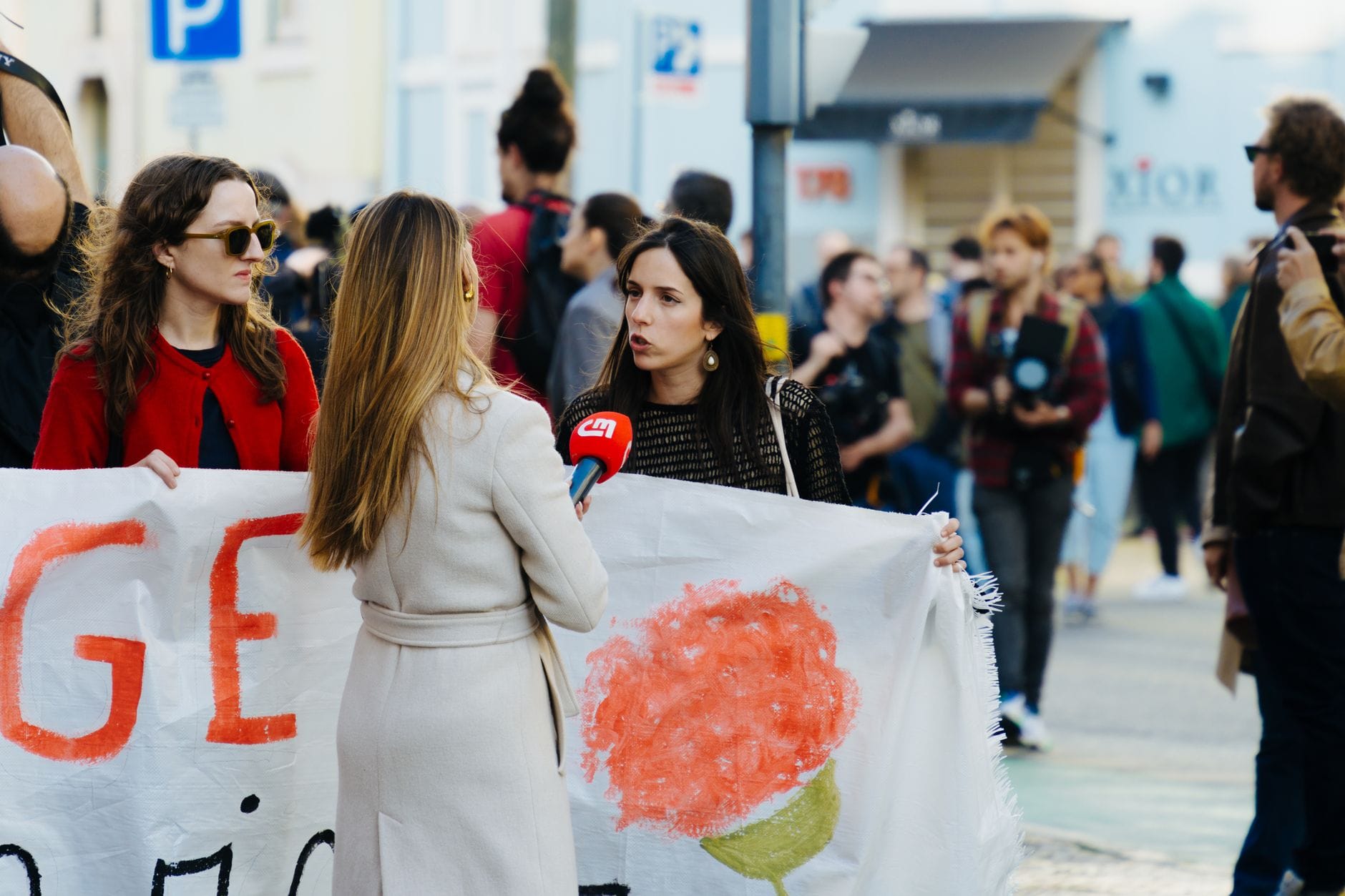
Warsaw, Poland, MMN Correspondent: Anna Świrgocka just gave Confederation supporters something to think about. During a recent appearance on Canal Zero, she spoke openly about the movement's direction, its electoral tactics, and the choices that could shape Poland's political future. The interview arrived at a key moment, with presidential elections ahead and the parliamentary arithmetic always in motion.
Confederation is not a single monolith. It brings together groups like Nowa Nadzieja, Ruch Narodowy, and Korona, each with their own emphasis, and all sharing a broad commitment to free markets, limited government, and traditional values. That mix creates energy and also raises questions. How far can these allies go together in an election campaign? Świrgocka did not offer a quick answer. Her words pointed toward one obvious possibility: a wider coalition.
There has been talk about two Confederations, a shorthand for the question of whether the broader Confederation alliance can formalize cooperation with other right-wing groups. One person in the comments summed it up well: if both sides joined forces, the results could be substantial. Under the right circumstances, that kind of coalition could even outperform PiS. The math matters because Poland uses the D'Hondt method, which tends to reward larger groupings with additional seats. In a crowded field, that seat bonus is not a detail. It can be the difference between being sidelined and being central.
Another thread in the conversation was sovereignty. Many viewers responded to Świrgocka's emphasis on Poland keeping control of its own decisions, especially inside the European Union. One viewer shared a concern about the current approach to foreign policy and argued that Polish interests should come first. That sentiment lines up neatly with Confederation's platform, which has long called for a more assertive Polish voice in international matters.
Presidential politics hovered over the entire discussion. Andrzej Duda's time in office is coming to an end, and the next president will matter for coalition talks, court appointments, and foreign policy direction. Karol Nawrocki's name has come up in public debate. In the comments, viewers were already comparing his approach on Ukraine and other matters with the current administration's record. The differences may look small, yet for many Confederation supporters they point toward a more independent stance.
On domestic issues, the interview touched on the kind of everyday rules that irritate many Poles. The deposit system for bottles and the requirement to attach caps to plastic bottles drew skeptical remarks. For libertarian-minded voters, those measures symbolize unnecessary overregulation. The conversation made clear that Confederation wants to be seen as the voice pushing back against such costs and inconveniences.
The timing of the interview is worth noting. Poland is preparing for a presidential race, and the possibility of early parliamentary elections has not disappeared. With Donald Tusk's government in power, opposition parties are working to offer a clear alternative. Confederation appears to be aiming for that spot, not just as a protest option but as a serious force in the next Sejm.
The road ahead includes a series of important choices. Confederation's internal diversity gives it a broad reach, and it also means that coalition talks require careful listening. Some supporters want a pure ideological line. Others see value in a pragmatic agreement with other right-wing groups. Both views are understandable, and the movement is living with that tension right now.
Polls indicate growing interest, especially among younger voters who care about economic freedom and individual choice. Canal Zero's digital format gives Świrgocka a direct line to that audience, and her calm, direct delivery appears to have landed well. One viewer praised her as sensible and always to the point. Another felt the approach should go further. That range of reactions is exactly what a movement in motion looks like.
So what comes next? The answer depends on how Confederation handles the next few months. A unified right-wing effort could change the parliamentary math in a major way. A solo campaign keeps the message clear and leaves less room for compromise. Świrgocka's Canal Zero appearance did not settle that debate. It did something more useful. It put the question in front of voters and made the stakes easier to see. For anyone following Polish politics, that is a conversation worth keeping close.
Related in Politics
Politics
Europe's New Aid Strategy: How Team Europe Is Protecting Workers and Fixing Supply Chains in 240 Million Crisis Zones
European Commissioner Lahbib Zouarhi recently took the stage at the Foreign Affairs Council to unveil a bold new vision for humanitarian aid. The message was clear. Europe must step up as "Team Europe" to tackle the growing number of global crises. With nearly 240 million people…
Read More...
Politics
Germany's Growth Mirage: Weidel Exposes the Debt Trap Behind Official Projections
The German federal government recently unveiled its autumn economic projections for October 2026, highlighting a projected growth rate of 1.3 percent for the current year. This optimistic forecast suggests a notable upswing in national economic activity. However, Alice Weidel, c…
Read More...
Politics
EU-Mexico Trade Alliance 2026: How This Partnership Is Reshaping Global Supply Chains
The European Union and Mexico have always been strong partners in multilateral cooperation. By September 2026 their relationship has become a key test for global economic resilience. Trade tensions are rising in many parts of the world. The EU-Mexico partnership offers stability…
Read More...
Politics
Ireland's EU Presidency: How Humanitarian Aid and Preparedness Build a Safer Future
As Ireland takes the helm of the Council of the European Union, Commissioner Lahbib highlights a pivotal moment for global engagement. Europe now faces a dual mandate that requires both moral leadership through humanitarian aid and strengthened internal resilience against a comp…
Read More...
Politics
Saxony-Anhalt Breaks Tradition: AfD's Tobias Rausch Takes Landtag Presidency
German politics witnessed a defining moment on October 6, 2026, when the newly constituted state parliament of Saxony-Anhalt elected Tobias Rausch as its Landtag President. This event marks the first time in the history of the Federal Republic that a member of the Alternative fo…
Read More...
Politics
Von der Leyen's Balkan Strategy: Why EU Expansion is a Mutual Transformation
Ursula von der Leyen has made it clear that the European Union’s path forward involves more than just opening borders. Her recent visits to the Western Balkans highlight a strategic shift where enlargement is treated as a mutual transformation rather than a one-sided gift from B…
Read More...
Politics
EU-Mexico Trade Shift 2026: What Nearshoring and Green Tech Mean for Your Business
The relationship between the European Union and Mexico is undergoing a significant transformation as we navigate through 2026. This partnership has evolved from traditional trade agreements into a robust framework focused on sustainable development digital innovation and diploma…
Read More...
Politics
Germany's 52% State Share: What This Record Means for Your Wallet and Economy
In early October 2026, Germany reached a notable economic milestone. The federal government projected a state share of 52 percent for the current year. This figure marks a new all-time high. It signals a substantial shift in how public expenditure relates to national economic ou…
Read More...
Politics
North Macedonia's EU Path: Security, Economy, and Institutional Readiness
In a significant diplomatic engagement held in Skopje, European leadership reaffirmed its commitment to North Macedonia’s accession to the European Union, highlighting the nation’s pivotal role in regional security and economic stability. The dialogue underscored North Macedonia…
Read More...
Politics
Germany's Subsidy Crisis: Why Taxpayers Are Demanding Fiscal Reform Now
In October 2026, the Bund der Steuerzahler released its annual "Black Book," a detailed report exposing state-funded waste and inefficient subsidy programs across Germany. This publication has sparked a significant conversation about fiscal responsibility, revealing how public f…
Read More...