
Want Earth’s Climate Data to Stay Unbroken? Meet the NASA Intern Building Mission Foresight
We compile, generate and translate using Artificial Intelligence from the below given source. Macro Micro News is responsible for its editorial publication.
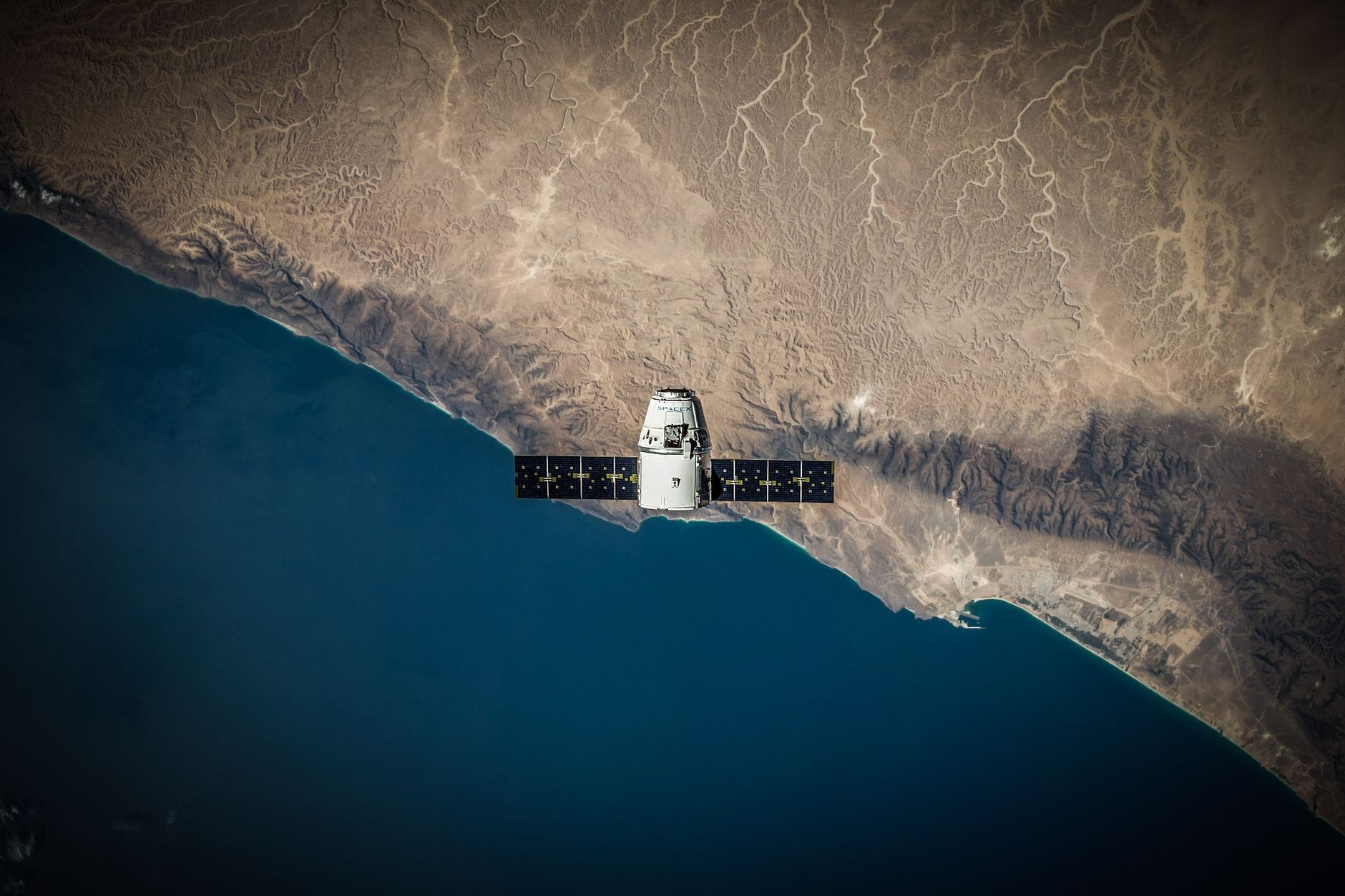
Hampton, Virginia, Source :
Imagine you could look ahead and see exactly where a satellite mission might stumble, and have a plan ready before the first hiccup. That is what Lindsey Jacobson helps NASA do every day. Her work gives Earth science missions something close to foresight.
As a Pathways intern with NASA’s Earth Science Division, Jacobson builds analysis tools that help mission planners spot possible changes in the agency’s fleet of Earth observing satellites. The goal is simple. Avoid gaps in the data that scientists, forecasters, and operational users depend on. She works with the NESSIE team at Langley Research Center, where engineering, strategy, and operational planning come together.
Since 2022, Jacobson has returned to Langley every summer while finishing her mechanical engineering dissertation at North Carolina State University. NASA’s Pathways program gives students a direct route into full time civil service roles. Her work feeds into real decisions that shape the future of Earth observation.
Why does this matter? NASA’s satellites track aerosols, sea levels, land cover, cloud cover, and dozens of other features over years and decades. These measurements sustain the climate records that people around the world rely on. Satellites have finite lives. Launch schedules can shift. An on orbit anomaly can change a mission’s timeline. Jacobson and the NESSIE team help senior leaders see where those changes may create data gaps, and what options can keep recordings steady.
“There’s uncertainty about mission lifetimes and what could happen on orbit, and about schedules,” Jacobson says. The team turns that uncertainty into strategy. They model possible futures, assess the consequences, and propose alternatives for maintaining data flow. Think of it like preparing for hurricane season. You put up storm shutters and stack sandbags before the warning arrives. That way there is no scramble. For NASA’s portfolio, the same logic means understanding what a change would mean ahead of time and having responses ready.
This approach mirrors her graduate research on complex infrastructure systems like the electric grid. The grid cannot be torn down and rebuilt. It must be modified, expanded, and improved over time. NASA’s satellite portfolio works the same way. Every mission is part of a larger, interdependent system. That system has to evolve deliberately.
Jacobson presented NESSIE’s work at the 2025 IEEE Aerospace Conference. She shared methods for managing Earth observing mission portfolios under uncertainty. The fastest changing part of her role is the landscape of Earth science itself, even more than the code she writes. Commercial companies are contributing more data. New space agencies are emerging. Innovative architectures appear constantly. “The way we do Earth science is changing,” she says. NASA must keep pace to serve the communities that rely on its data.
Adaptability is part of Langley’s culture. “Langley has done a lot of firsts,” Jacobson says, echoing Director Trina Dyal. That tradition includes learning new tools such as AI and integrating them into everyday work. For Jacobson, the larger mission stays the same. Build foresight, reduce risk, and make sure Earth science data continues to benefit humanity.
Related in Space Tech
Space Tech
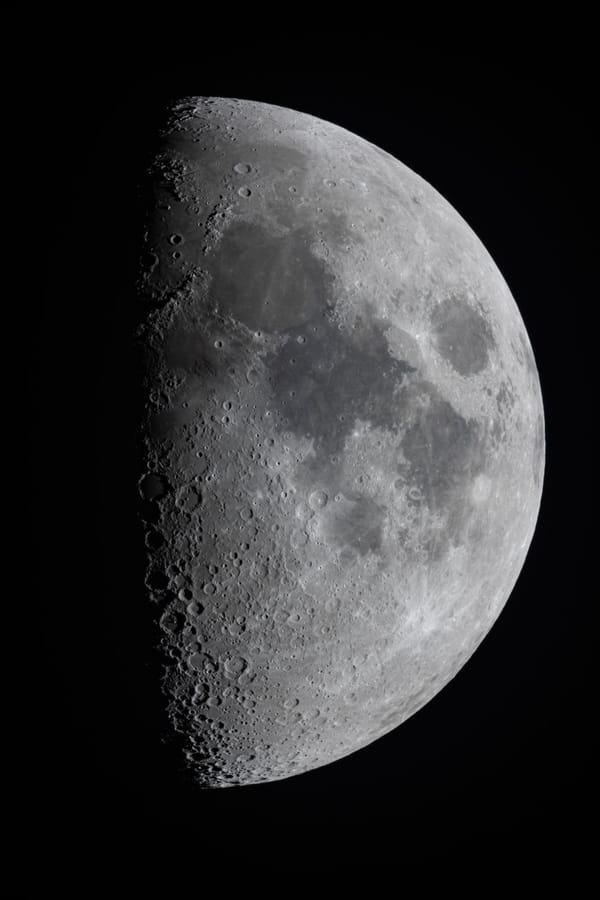
Lunar Farside Revealed: 15,000 Images Uncover Ancient Moon Terrain
For centuries we have looked up and seen only one face of our nearest celestial neighbor. Tidal locking keeps the far side turned away from Earth, creating a permanent blind spot in human history. Modern orbital technology has now lifted that veil. A detailed mosaic captured by…
Read More...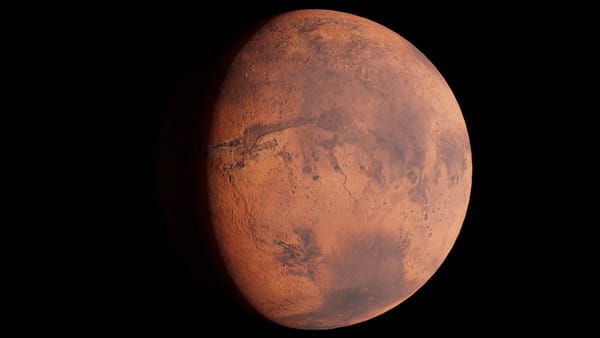
Space Tech
Stickney Crater: How a Massive Impact Nearly Destroyed Mars' Moon Phobos
Phobos, the innermost moon of Mars, carries a scar that tells a story of cosmic violence. Stickney Crater dominates its surface, a colossal basin named after Angeline Stickney Hall, wife of astronomer Asaph Hall. Hall discovered both Phobos and Deimos in 1877, linking human hist…
Read More...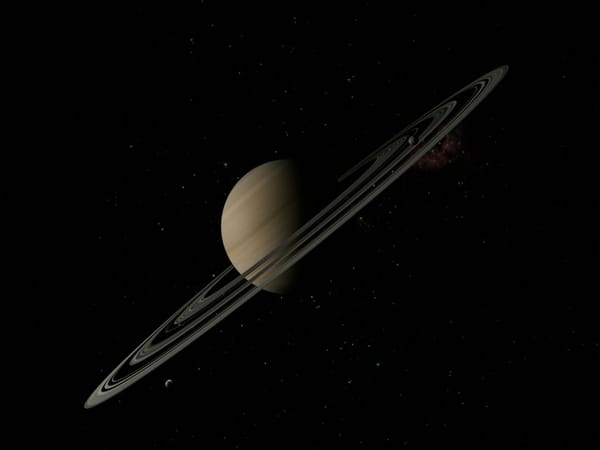
Space Tech
Saturn's Cosmic Clarity: How One Night Revealed the Ringed Planet's Secrets
On October 8, 2026, the Astronomy Picture of the Day featured a breathtaking composite image titled "The Saturn System Smörgåsbord." This visual feast offers an unprecedented view of the ringed planet and its diverse moons. Astrophotographer Tom Williams captured this exquisite…
Read More...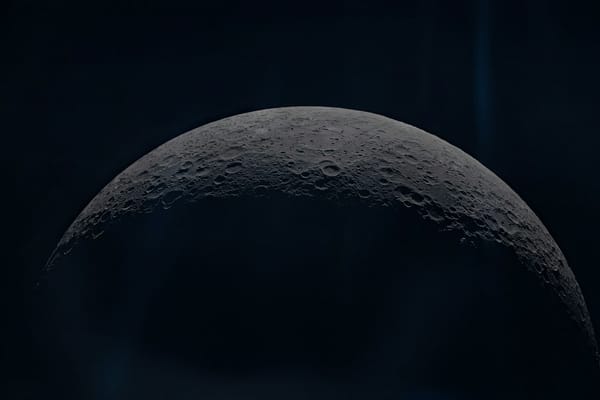
Space Tech
Artemis II Crew Captures Lunar Impact Flashes: What the Moon Revealed in April 2026
NASA has shared a remarkable dataset from the Artemis II mission that offers fresh perspectives on our lunar neighbor. The journey occurred between April 1 and April 10, 2026, marking the first crewed trip to the Moon's vicinity since the Apollo days. Astronauts Reid Wiseman, Vi…
Read More...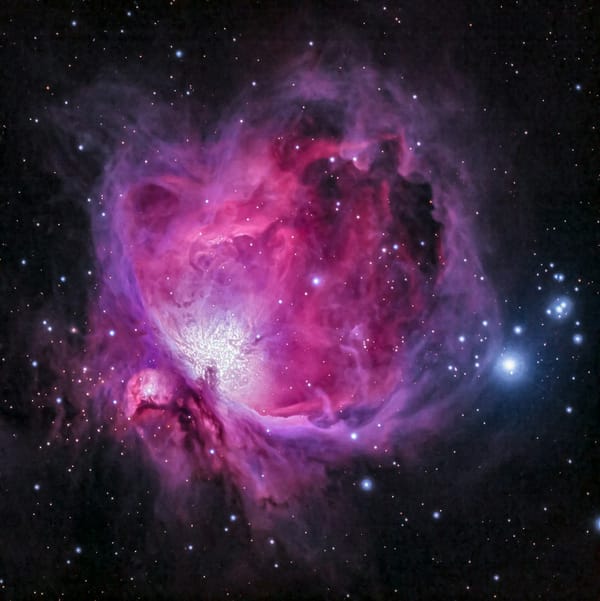
Space Tech
Pa 30: The 845-Year-Old Supernova Mystery That Defies Standard Models
The night sky holds countless stories written in light and dust. Among these celestial narratives, supernova remnants stand as testaments to the violent yet creative end of stellar lives. These expanding shells do more than mark a star's death. They scatter heavy elements across…
Read More...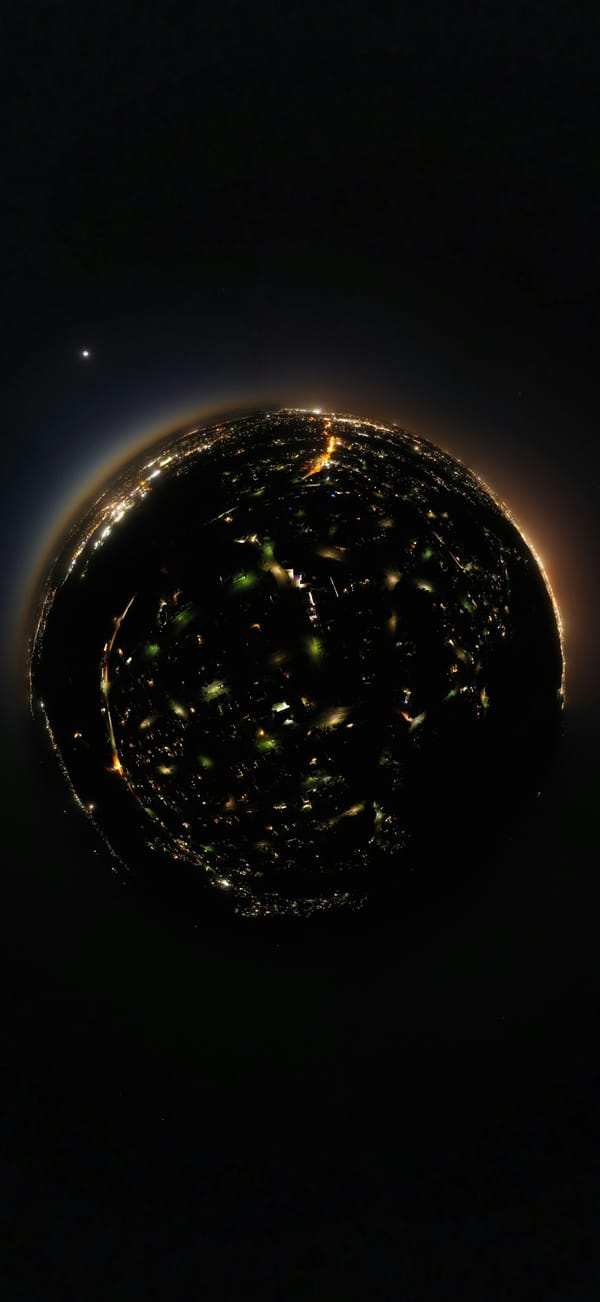
Space Tech
Earth's Full Aurora Ring Revealed: SMILE Mission Captures Complete View
Scientists have achieved a remarkable first by capturing the entire auroral oval in one continuous shot. The Solar Wind Magnetosphere Ionosphere Link Explorer mission shared this image on October 6, 2026. This perspective offers a fresh look at how our planet interacts with the…
Read More...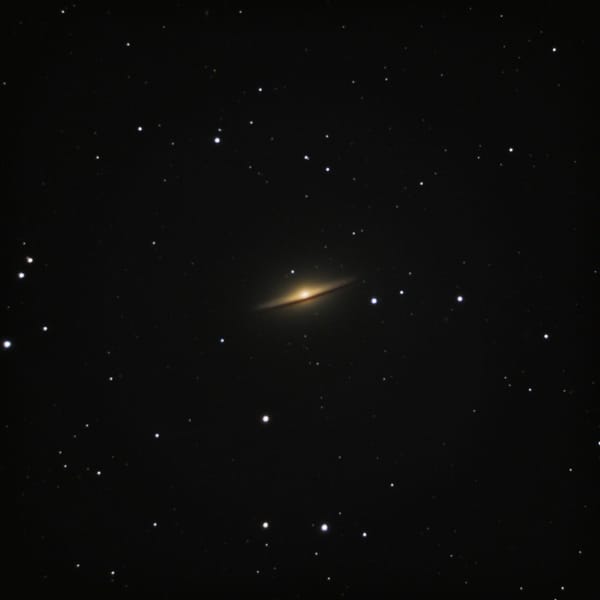
Space Tech
Sombrero Galaxy M104: New Deep-Exposure Image Reveals Tidal Streams and Violent History
The Sombrero Galaxy, known scientifically as Messier 104 or M104, has always drawn the eye with its striking resemblance to a wide-brimmed Mexican hat. This massive spiral galaxy features a bright central bulge encircled by a distinctive dark band of interstellar dust. While ast…
Read More...
Space Tech
New Jersey Sky: Witnessing Supernumerary Rainbows and the Wave Nature of Light
On October 4, 2026, the skies above New Jersey presented a rare spectacle that captivated both amateur photographers and meteorology enthusiasts. Following the passage of storm remnants over the Jersey Shore, a standard rainbow appeared in one direction. However, the phenomenon…
Read More...
Space Tech
Mars Rover's New Selfie Reveals Vera Rubin Ridge Secrets
NASA’s Curiosity rover has once again provided humanity with a breathtaking glimpse into the red planet. The vehicle captured a stunning panoramic selfie at the south rim of Vera Rubin Ridge. This image served as the Astronomy Picture of the Day for October 3, 2026. It marks a s…
Read More...
Space Tech
313 Nebulas Captured: The Complete Sharpless Catalog Revealed in Eastern China
On October 2, 2026, NASA’s Astronomy Picture of the Day highlighted a monumental achievement in astrophotography. The complete Sharpless Catalog has been unveiled, showcasing 313 distinct nebulae. This comprehensive collection offers an unprecedented opportunity to explore the d…
Read More...