
Your Cosmic Frontier Awaits: How the 2026 Roman Space Telescope Maps Dark Energy and Distant Worlds
We compile, generate and translate using Artificial Intelligence from the below given source. Macro Micro News is responsible for its editorial publication.
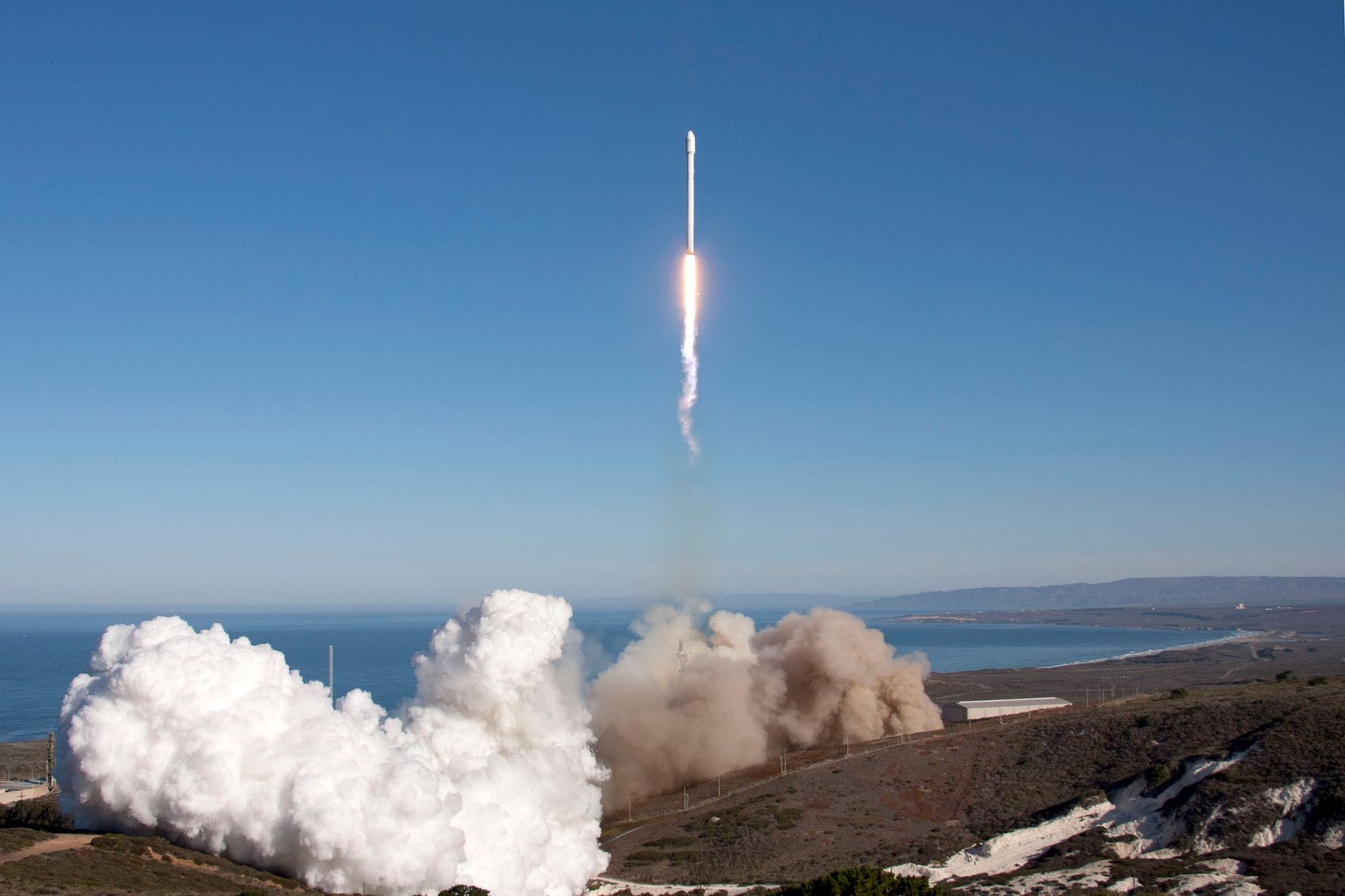
Vandenberg Space Force Base, Source : The Nancy Grace Roman Space Telescope has officially begun its journey into deep space, marking a transformative milestone in modern astrophysics. Launched on August 31, 2026, from Vandenberg Space Force Base in California aboard a SpaceX Falcon Heavy rocket, the observatory represents a generational leap in astronomical capability. Formerly designated as the Wide Infrared Survey Telescope, the mission carries the name of NASA’s first chief astronomer, whose dedication established the foundation for flagship space observatories. The telescope features a 2.4-meter primary mirror paired with an advanced optical design that positions a secondary mirror to expand its observational reach. This configuration captures one hundred times more sky in a single exposure, dramatically increasing efficiency across every observation cycle.
Positioned at the Sun-Earth Lagrange Point 2, approximately one million miles from Earth, Roman operates within a thermally stable environment perfectly suited for sensitive infrared observations. This strategic vantage point supports continuous monitoring of distant celestial phenomena without interruption. The Wide Field Instrument combines exceptional resolution with broad coverage, enabling astronomers to map vast regions of the cosmos with remarkable speed and precision. An integrated high-contrast coronagraph system blocks starlight to directly image orbiting exoplanets, opening new pathways for planetary discovery beyond our solar neighborhood.
Roman’s scientific objectives center on unraveling two profound mysteries in cosmology: dark energy and exoplanetary systems. Researchers will track Type Ia supernovae across billions of light-years and measure subtle gravitational distortions caused by invisible mass distributions. These measurements will construct the most detailed three-dimensional map of cosmic structure ever assembled. Scientists anticipate that these findings will directly constrain the equation of state governing dark energy, revealing fresh insights into the accelerating expansion of the universe. Simultaneously, high-cadence microlensing surveys will detect thousands of previously unobserved exoplanets, including free-floating worlds and planets residing in temperate zones around distant stars.
Infrared wavelengths naturally penetrate dense cosmic dust clouds, allowing Roman to peer into stellar nurseries, galaxy evolution epochs, and the early universe with remarkable clarity. The mission advances decades of space-based infrared research through the introduction of autonomous calibration systems and advanced data compression techniques to manage its massive observational output. These innovations will likely transform how researchers handle imaging data, turning raw signals into clear cosmic narratives. You can expect streamlined workflows that prioritize signal detection over manual filtering. As the telescope continues its mission, it stands poised to reshape our understanding of cosmic acceleration, planetary diversity, and the fundamental architecture of the universe. What new discoveries will emerge from these expansive surveys? The next era of astronomy is already unfolding.
Related in Space Tech
Space Tech
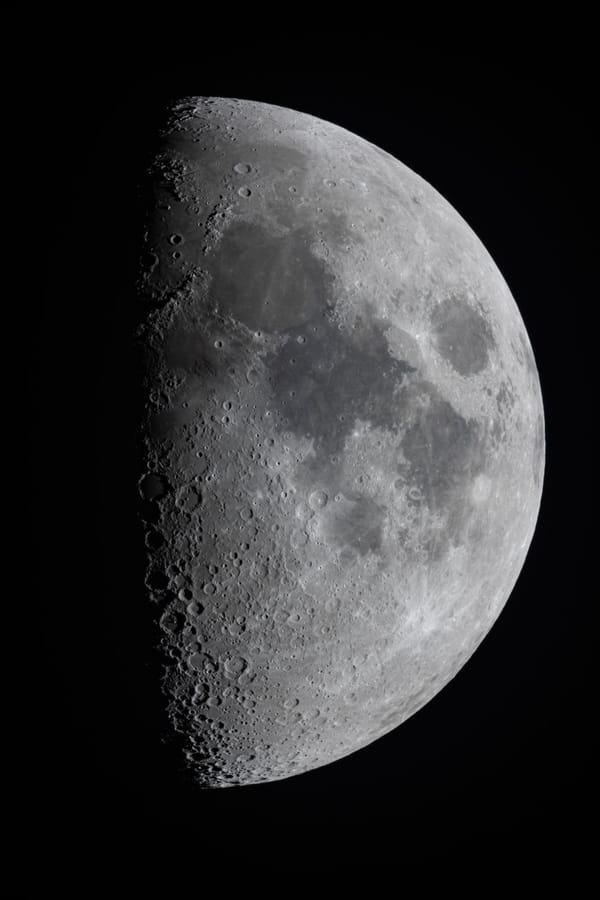
Lunar Farside Revealed: 15,000 Images Uncover Ancient Moon Terrain
For centuries we have looked up and seen only one face of our nearest celestial neighbor. Tidal locking keeps the far side turned away from Earth, creating a permanent blind spot in human history. Modern orbital technology has now lifted that veil. A detailed mosaic captured by…
Read More...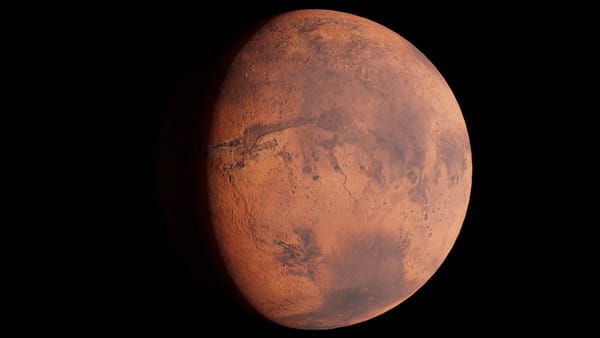
Space Tech
Stickney Crater: How a Massive Impact Nearly Destroyed Mars' Moon Phobos
Phobos, the innermost moon of Mars, carries a scar that tells a story of cosmic violence. Stickney Crater dominates its surface, a colossal basin named after Angeline Stickney Hall, wife of astronomer Asaph Hall. Hall discovered both Phobos and Deimos in 1877, linking human hist…
Read More...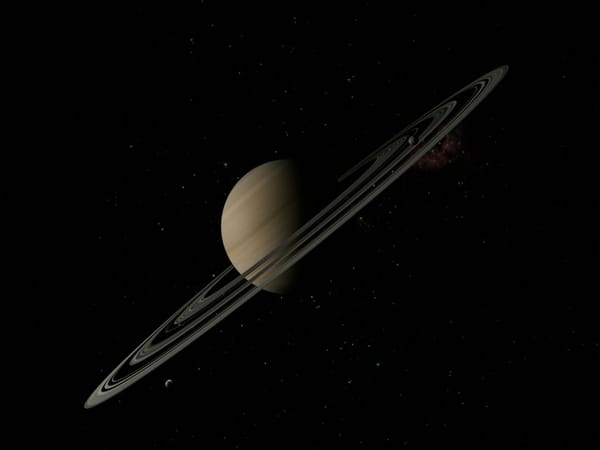
Space Tech
Saturn's Cosmic Clarity: How One Night Revealed the Ringed Planet's Secrets
On October 8, 2026, the Astronomy Picture of the Day featured a breathtaking composite image titled "The Saturn System Smörgåsbord." This visual feast offers an unprecedented view of the ringed planet and its diverse moons. Astrophotographer Tom Williams captured this exquisite…
Read More...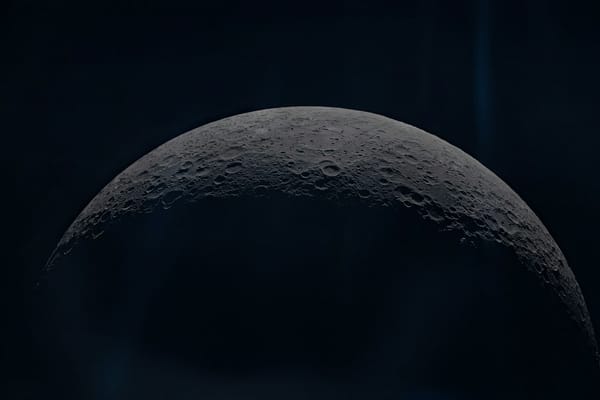
Space Tech
Artemis II Crew Captures Lunar Impact Flashes: What the Moon Revealed in April 2026
NASA has shared a remarkable dataset from the Artemis II mission that offers fresh perspectives on our lunar neighbor. The journey occurred between April 1 and April 10, 2026, marking the first crewed trip to the Moon's vicinity since the Apollo days. Astronauts Reid Wiseman, Vi…
Read More...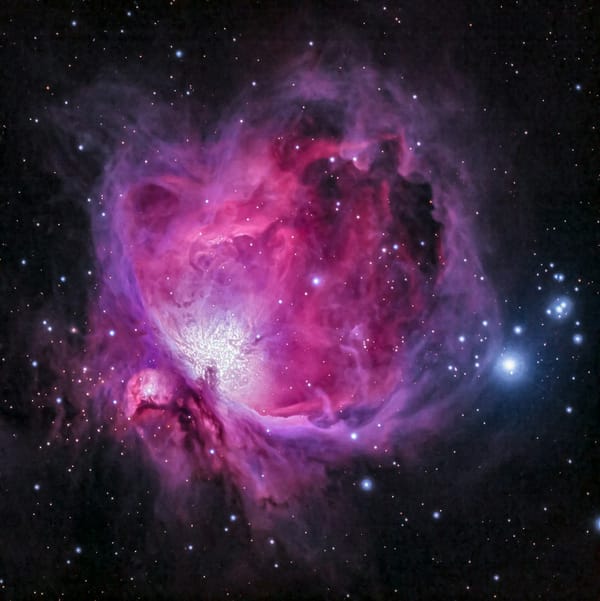
Space Tech
Pa 30: The 845-Year-Old Supernova Mystery That Defies Standard Models
The night sky holds countless stories written in light and dust. Among these celestial narratives, supernova remnants stand as testaments to the violent yet creative end of stellar lives. These expanding shells do more than mark a star's death. They scatter heavy elements across…
Read More...
Space Tech
Earth's Full Aurora Ring Revealed: SMILE Mission Captures Complete View
Scientists have achieved a remarkable first by capturing the entire auroral oval in one continuous shot. The Solar Wind Magnetosphere Ionosphere Link Explorer mission shared this image on October 6, 2026. This perspective offers a fresh look at how our planet interacts with the…
Read More...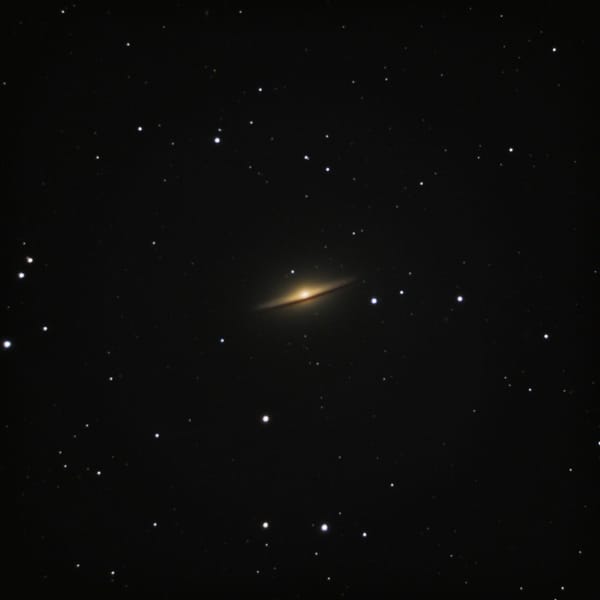
Space Tech
Sombrero Galaxy M104: New Deep-Exposure Image Reveals Tidal Streams and Violent History
The Sombrero Galaxy, known scientifically as Messier 104 or M104, has always drawn the eye with its striking resemblance to a wide-brimmed Mexican hat. This massive spiral galaxy features a bright central bulge encircled by a distinctive dark band of interstellar dust. While ast…
Read More...
Space Tech
New Jersey Sky: Witnessing Supernumerary Rainbows and the Wave Nature of Light
On October 4, 2026, the skies above New Jersey presented a rare spectacle that captivated both amateur photographers and meteorology enthusiasts. Following the passage of storm remnants over the Jersey Shore, a standard rainbow appeared in one direction. However, the phenomenon…
Read More...
Space Tech
Mars Rover's New Selfie Reveals Vera Rubin Ridge Secrets
NASA’s Curiosity rover has once again provided humanity with a breathtaking glimpse into the red planet. The vehicle captured a stunning panoramic selfie at the south rim of Vera Rubin Ridge. This image served as the Astronomy Picture of the Day for October 3, 2026. It marks a s…
Read More...
Space Tech
313 Nebulas Captured: The Complete Sharpless Catalog Revealed in Eastern China
On October 2, 2026, NASA’s Astronomy Picture of the Day highlighted a monumental achievement in astrophotography. The complete Sharpless Catalog has been unveiled, showcasing 313 distinct nebulae. This comprehensive collection offers an unprecedented opportunity to explore the d…
Read More...