
Your Essential Guide to the G20 Financial Summit: How EU-Iran Dialogue Is Shaping Global Markets
We compile, generate and translate using Artificial Intelligence from the below given source. Macro Micro News is responsible for its editorial publication.
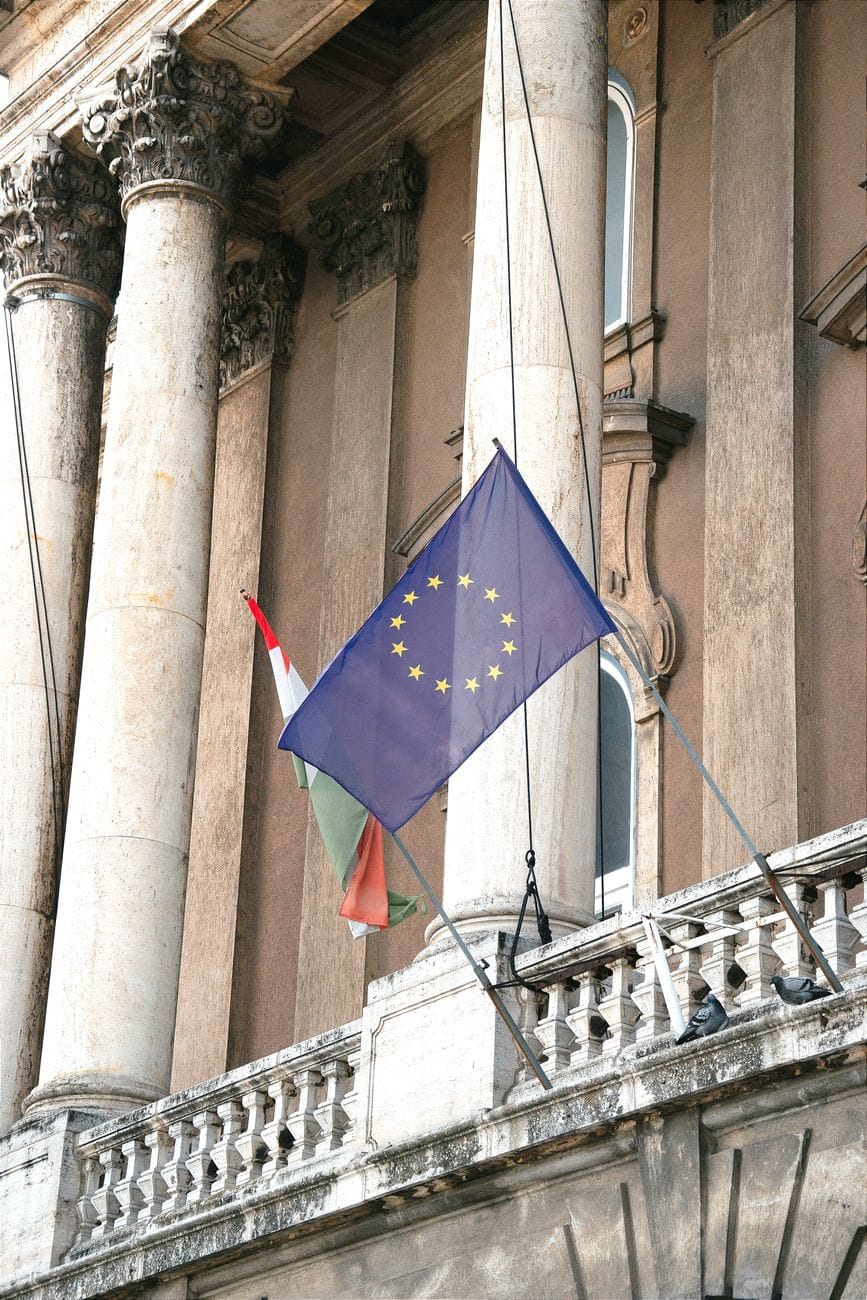
Brussels, Source : Begin the article immediately in the same line. Have you ever wondered how high level financial gatherings quietly steer the course of international relations? The recent G20 Finance Ministers and Central Bank Governors meeting in Asheville offered a fascinating glimpse into that very process. European leaders used this platform to highlight a clear vision where sustained dialogue replaces uncertainty. The focus rests on guiding Tehran toward comprehensive peace through structured engagement. This approach transforms complex geopolitical challenges into manageable diplomatic pathways. You can see how financial forums now serve as quiet command centers for global stability.
The strategic importance of the Strait of Hormuz continues to capture the attention of market analysts and policymakers alike. Roughly twenty percent of daily global petroleum consumption flows through these waters, creating a direct link between maritime routes and worldwide economic rhythms. When commercial shipping moves smoothly, central banks gain valuable predictability for their monetary policies. Financial regulators at the summit recognized this connection and began mapping out cross border transaction frameworks designed to withstand potential geopolitical shifts. Your understanding of global trade becomes much clearer when you observe how economic oversight naturally aligns with maritime security.
European officials have introduced a sophisticated network of financial guidelines aimed at supporting transparent market practices. These measures create clear boundaries that encourage responsible economic behavior and safeguard global systems from unintended disruptions. The framework operates as a living document, ready to adapt alongside evolving international standards. By maintaining consistent communication with Washington, G7 partners, and broader coalitions, Western nations cultivate a unified approach to economic governance. You will notice how coordinated financial strategies often pave the way for more productive diplomatic conversations. This synchronized effort demonstrates the growing role of economic statecraft in fostering long term predictability.
Diplomatic channels remain active as stakeholders explore new avenues for mutual understanding. International teams are working closely together to support initiatives that encourage sincere negotiations and sustainable de escalation. The collaborative campaign known as Operation Economic Outcast highlights how targeted financial planning can redirect resources toward constructive outcomes. When allies synchronize their messaging, they create a stable environment where businesses and governments can plan ahead with confidence. The convergence of monetary policy and security objectives marks a meaningful evolution in how nations navigate complex relationships. Your perspective on global affairs expands significantly when you recognize how financial tools and diplomatic efforts work in harmony.
The Asheville gathering ultimately revealed a powerful trend where fiscal strategy and international security move hand in hand. Market participants now watch these developments closely, recognizing that economic frameworks directly influence regional stability. As financial regulators continue stress testing transaction models against real world scenarios, the path forward becomes increasingly defined by steady cooperation. You can expect this integrated approach to shape upcoming summits and guide future policy decisions. The ongoing alignment of economic oversight with strategic maritime goals promises a resilient foundation for global commerce. Keep an eye on how these financial dialogues unfold, as they hold the key to tomorrow’s market dynamics.
Related in Politics
Politics
Europe's New Aid Strategy: How Team Europe Is Protecting Workers and Fixing Supply Chains in 240 Million Crisis Zones
European Commissioner Lahbib Zouarhi recently took the stage at the Foreign Affairs Council to unveil a bold new vision for humanitarian aid. The message was clear. Europe must step up as "Team Europe" to tackle the growing number of global crises. With nearly 240 million people…
Read More...
Politics
Germany's Growth Mirage: Weidel Exposes the Debt Trap Behind Official Projections
The German federal government recently unveiled its autumn economic projections for October 2026, highlighting a projected growth rate of 1.3 percent for the current year. This optimistic forecast suggests a notable upswing in national economic activity. However, Alice Weidel, c…
Read More...
Politics
EU-Mexico Trade Alliance 2026: How This Partnership Is Reshaping Global Supply Chains
The European Union and Mexico have always been strong partners in multilateral cooperation. By September 2026 their relationship has become a key test for global economic resilience. Trade tensions are rising in many parts of the world. The EU-Mexico partnership offers stability…
Read More...
Politics
Ireland's EU Presidency: How Humanitarian Aid and Preparedness Build a Safer Future
As Ireland takes the helm of the Council of the European Union, Commissioner Lahbib highlights a pivotal moment for global engagement. Europe now faces a dual mandate that requires both moral leadership through humanitarian aid and strengthened internal resilience against a comp…
Read More...
Politics
Saxony-Anhalt Breaks Tradition: AfD's Tobias Rausch Takes Landtag Presidency
German politics witnessed a defining moment on October 6, 2026, when the newly constituted state parliament of Saxony-Anhalt elected Tobias Rausch as its Landtag President. This event marks the first time in the history of the Federal Republic that a member of the Alternative fo…
Read More...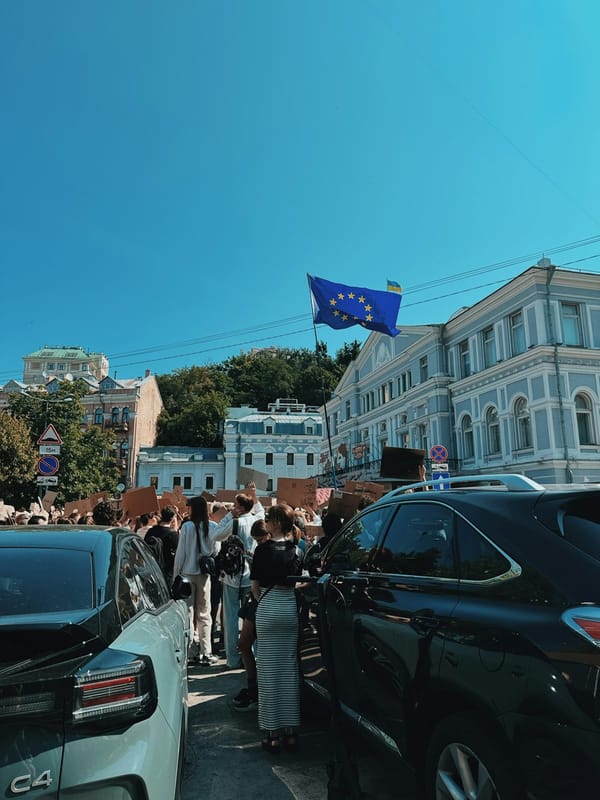
Politics
Von der Leyen's Balkan Strategy: Why EU Expansion is a Mutual Transformation
Ursula von der Leyen has made it clear that the European Union’s path forward involves more than just opening borders. Her recent visits to the Western Balkans highlight a strategic shift where enlargement is treated as a mutual transformation rather than a one-sided gift from B…
Read More...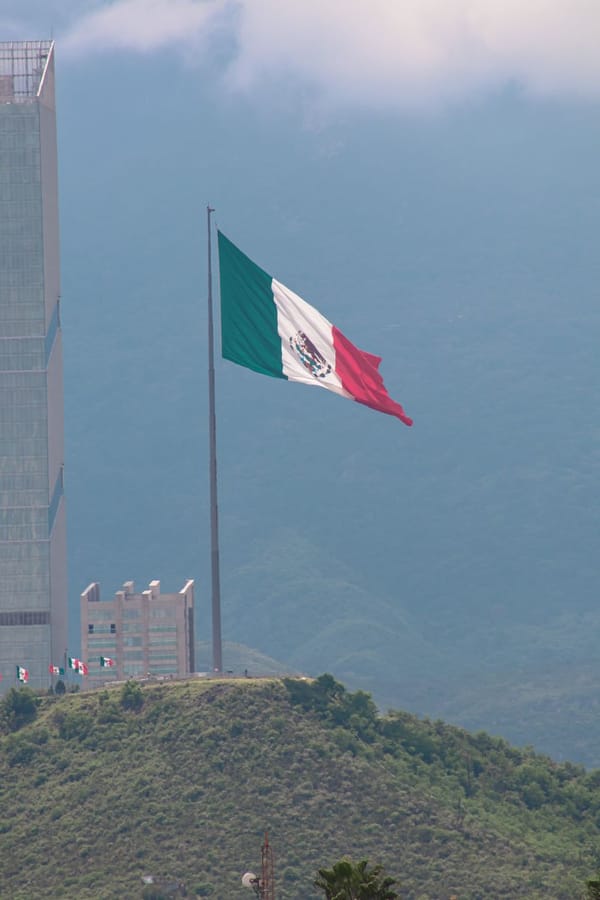
Politics
EU-Mexico Trade Shift 2026: What Nearshoring and Green Tech Mean for Your Business
The relationship between the European Union and Mexico is undergoing a significant transformation as we navigate through 2026. This partnership has evolved from traditional trade agreements into a robust framework focused on sustainable development digital innovation and diploma…
Read More...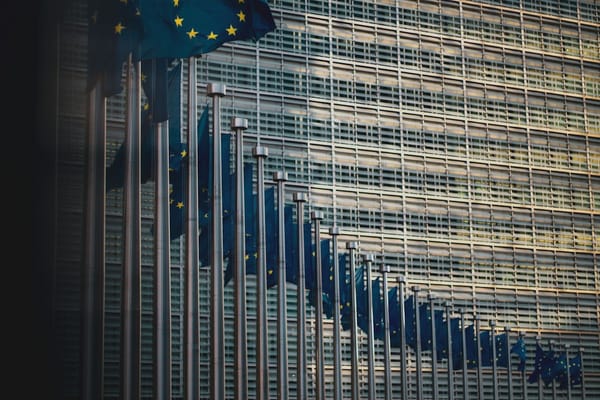
Politics
Germany's 52% State Share: What This Record Means for Your Wallet and Economy
In early October 2026, Germany reached a notable economic milestone. The federal government projected a state share of 52 percent for the current year. This figure marks a new all-time high. It signals a substantial shift in how public expenditure relates to national economic ou…
Read More...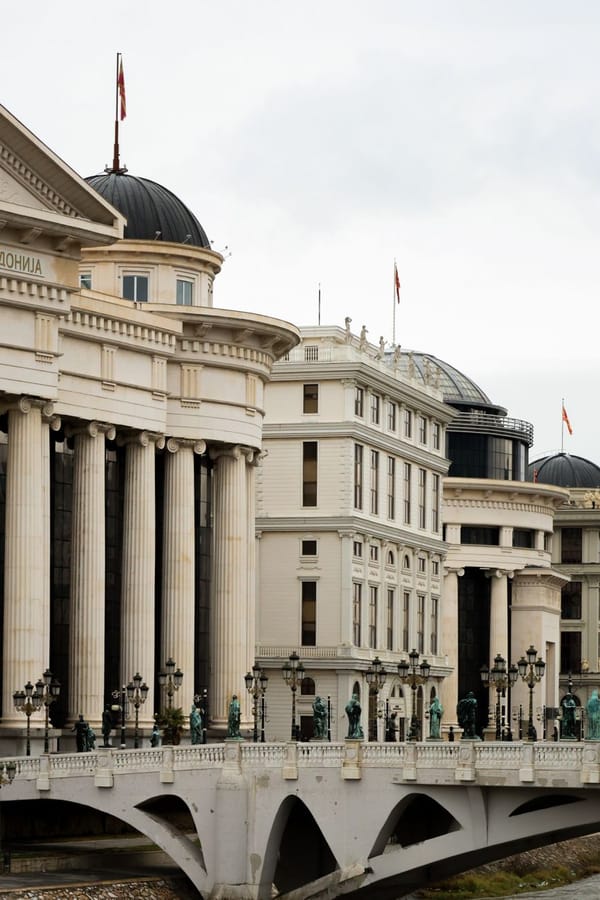
Politics
North Macedonia's EU Path: Security, Economy, and Institutional Readiness
In a significant diplomatic engagement held in Skopje, European leadership reaffirmed its commitment to North Macedonia’s accession to the European Union, highlighting the nation’s pivotal role in regional security and economic stability. The dialogue underscored North Macedonia…
Read More...
Politics
Germany's Subsidy Crisis: Why Taxpayers Are Demanding Fiscal Reform Now
In October 2026, the Bund der Steuerzahler released its annual "Black Book," a detailed report exposing state-funded waste and inefficient subsidy programs across Germany. This publication has sparked a significant conversation about fiscal responsibility, revealing how public f…
Read More...