
Your FOMO Is Fueling 70,000-Person Climate Conferences. A Smarter COP Is Possible
We compile, generate and translate using Artificial Intelligence from the below given source. Macro Micro News is responsible for its editorial publication.
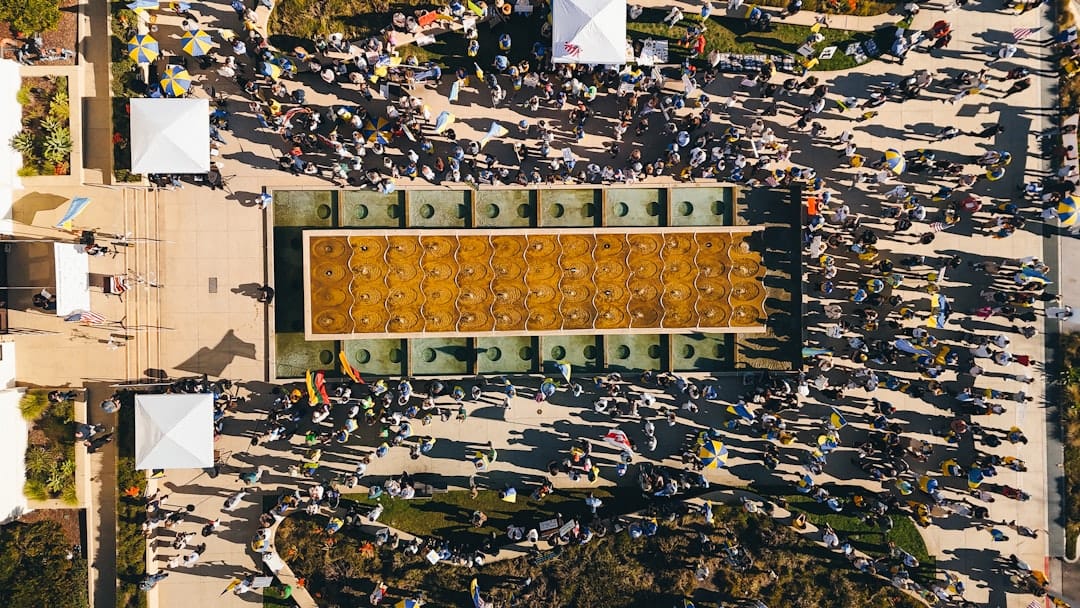
Dubai, UAE, MMN Correspondent: Picture a single conference so large it functions like a two-week city. Presidents, ministers, negotiators, business leaders, campaigners, engineers, journalists, celebrities, and thousands of others arrive with one shared goal. Being seen at the UN climate conference has become a way of showing that climate change matters.
That sense of presence has a name: FOMO, the fear of missing out. And it is quietly reshaping the climate process.
In the 1990s, COPs were smaller, more technical. A few thousand participants made the journey. Even the Kyoto conference, which produced the first legally binding emissions agreement, welcomed fewer than 10,000 people. Then the pattern shifted. After each major treaty moment, the next COP doubled in size. COP21 in Paris drew about 30,000 people. COP26 in Glasgow topped 38,000. COP28 in Dubai registered more than 70,000.
Consider what those numbers reveal. At COP28, more than 42,000 Party badges went to official national delegations. Exactly 1,581 of those delegates also attended the technical negotiating session in Bonn five months earlier. This means fewer than 4% of Party delegates formed the core negotiating group. The rest of the impressive activity was an event around them.
That core community has stayed surprisingly steady. Across the five COPs since Paris, between 1,300 and 1,600 delegates consistently attended both the June meeting in Bonn and the annual COP. The negotiation engine was never a crowd. The mega-event grew around them while the negotiating core remained compact.
FOMO helps explain the expansion. When presidents and prime ministers started attending, ministers decided they needed to be present too. When minister numbers rose, national delegations expanded. Then businesses, investors, researchers, journalists, city leaders, and philanthropies made the same calculation. If the most important people in the climate world are gathering in one place, staying home feels like a missed opportunity. Each year, the size of the event becomes another reason to attend. Presence becomes a marker of relevance, and relevance is hard to ignore.
Today's COP is three separate events sharing a venue. Formal negotiations produce decisions under the Convention and the Paris Agreement. Political summits bring heads of state and government together for announcements and leadership. And the climate expo gives companies, cities, scientists, investors, and civil society a powerful platform to showcase solutions. Each function serves a valuable purpose. They were joined by tradition and convenience more than by necessity.
The current format creates practical questions. Hosting a mega-COP demands massive budgets, extensive security, and enough hotel rooms to accommodate a small city. Many climate vulnerable nations do not yet have those resources. Their voices, the voices with the most at stake, can struggle to find adequate space. Even for wealthy governments, the resources needed grow each year. This is an opportunity to rethink what a host nation really needs to provide.
Here is a clearer path. Routine meetings of the governing body could stay in Bonn, where the UN climate secretariat is based. Around 5,000 people are directly involved in the formal process. They would get a smaller, more practical environment. Political summits could happen separately, only when leaders need to offer direction. The climate expo could keep moving with the COP Presidency, giving the worlds of finance, innovation, cities, and communities a dedicated place to connect and build momentum. Each part would get the attention it deserves.
This approach would make participation stronger. Negotiators could work without fighting through security lines. Host nations would be able to say yes more often. Climate vulnerable countries would return to the table as hosts and agenda setters. Businesses and civil society would enjoy clearer visibility and more meaningful conversations. The formal talks, the political moment, and the solution showcase would each be measured by the results they create and the quality of the connections they make.
So what does this mean for you? If you follow climate conversations, your own attention matters. The massive annual gathering can capture your energy, and the quiet technical meetings often decide the details that make agreements real. Presence at a mega-event creates visibility. Meaningful participation creates progress. Both have value, and they support each other best when they have the space to do so.
Climate diplomacy is ready for a format that matches its purpose. A COP can be a focused negotiation, a meaningful political moment, and a dynamic innovation hub, each in its own ideal setting. The future of the climate process belongs to gatherings that make real change easier to find. The best measure of any COP is the speed of the global transition it supports.
Related in Global Warming
Scientific Research
How PLOS Climate Is Reshaping Global Science: The Open Access Advantage
In the fast-moving world of scientific communication, open access journals are doing more than just sharing papers. They are breaking down walls that have long kept knowledge out of reach. PLOS Climate stands at the center of this shift. As a key part of the Public Library of Sc…
Read More...
Scientific Research
PLOS Climate: How Open Access is Reshaping Global Warming Solutions
The landscape of scientific publishing is shifting beneath our feet. Accessibility and transparency are no longer just nice-to-have features; they are the bedrock upon which we address the most pressing challenges of our time. The Public Library of Science (PLOS), a nonprofit ba…
Read More...
Scientific Research
PLOS Climate: Why Broken Links Threaten Global Science Access
The digital landscape of scientific communication is shifting beneath our feet. As climate research accelerates, the integrity and accessibility of this data have become paramount. Specialized journals like PLOS Climate face constant challenges regarding content availability and…
Read More...
Scientific Research
Why Climate Data Links Fail: The Open Access Fix You Need Now
Imagine clicking a link to the latest climate study only to hit a dead end. That frustrating 'Page Not Found' error is more than a technical glitch. It represents a significant barrier in the fight against misinformation and delayed action. When vital research on global warming…
Read More...
Scientific Research
PLOS Climate: The Open Access Frontier for Global Warming Research
The landscape of scientific publishing is shifting rapidly. Accessibility and transparency are no longer just ideals but necessities. PLOS, a nonprofit organization based in California, stands at the forefront of this movement. They champion open access to peer-reviewed research…
Read More...
Global Warming
COP17 Mongolia: The Desertification Summit Deciding Your Food and Water Future
Around 10,000 people are heading into a national park near Ulaanbaatar this week. They've gathered for COP17, the seventeenth Conference of Parties to the United Nations Convention to Combat Desertification. The meeting runs from August 17 to 28, and it could determine how farms…
Read More...
Global Warming
Plastics Treaty Draft Leaves Out Production Cuts: What It Means for You and the Planet
The newest draft of the global plastics treaty has arrived, and it is missing something many countries consider essential. Chilean ambassador Julio Cordano, the diplomat chairing the United Nations talks, released the document as an informal reference text. It reads a lot like a…
Read More...
Global Warming
What You Need to Know About South Africa’s Offshore Oil Court Battle: Communities Take On Shell and TotalEnergies
Layers of red dust still coat Saldanha Bay, a reminder of the iron ore exports that transformed a quiet coastal fishing town in the 1970s. Today, the same bay is being prepared for a different role. The South African government wants to turn it into the country's oil and gas hub…
Read More...
Global Warming
UK Wildfire Crisis 2026: 71% of England in Drought and Firefighters Overwhelmed, Are We Ready for What's Next?
The United Kingdom is living through a fire emergency that keeps growing. Dry landscapes, repeated heatwaves, and shifting wind patterns have turned large parts of the country into a potential tinderbox. Firefighters are working long shifts to contain flames in Hampshire, Nottin…
Read More...
Global Warming
Canada’s Out-of-Control Wildfires: 22,000 Flee British Columbia, and What That Means for Your Community
Summerland received its evacuation order with little time to spare. Across British Columbia, around 22,000 people have now left their homes as 102 active wildfires spread through the province. Nearly half of those fires are listed as uncontrolled. The Bald Range fire grew to mor…
Read More...