
Your Front Row Seat to the September 2026 Lunar Eclipse: What Happens at 30,000 Feet?
We compile, generate and translate using Artificial Intelligence from the below given source. Macro Micro News is responsible for its editorial publication.
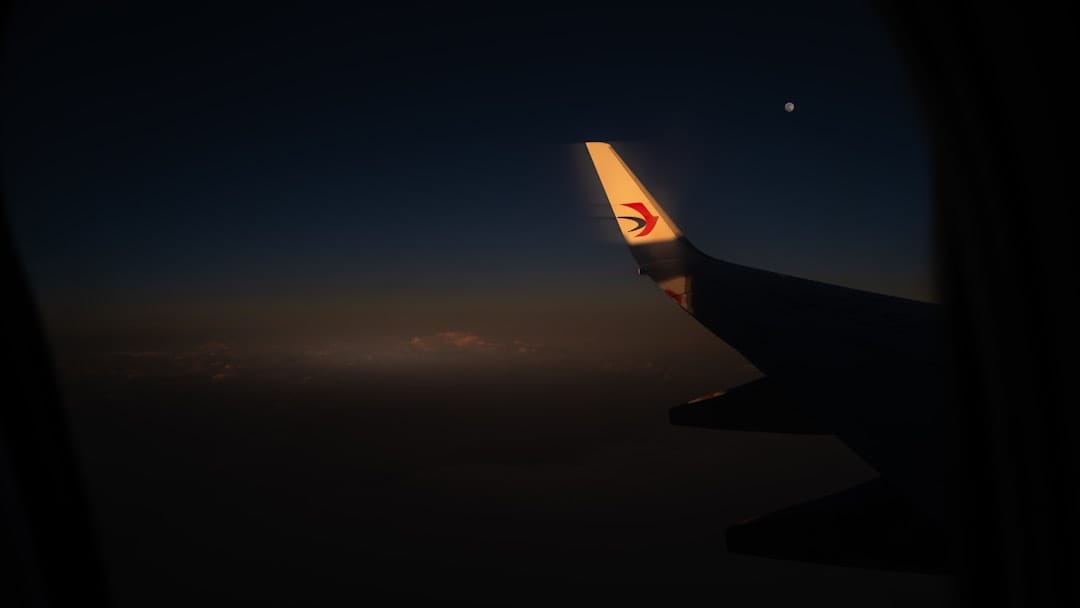
[Location of the news], Source : Imagine trading your living room couch for a window seat thirty thousand feet above the world. On September 1, 2026, the sky delivers a celestial performance that rewards travelers who know where to look. Have you ever wondered how the Moon transforms when Earth steps directly between it and the Sun? The answer unfolds gradually across several hours, painting the night sky with shifting hues that move from bright silver to deep copper. Commercial aircraft provide a pristine vantage point, lifting you above the usual atmospheric haze and delivering crisp lunar details straight to your eyes.
The geometry behind this event follows a precise orbital dance known as syzygy. Earth positions itself squarely in the middle, casting a long shadow into space. Sunlight travels through our atmosphere before reaching the lunar surface, and the air acts as a natural prism. Shorter blue wavelengths scatter outward and longer red tones bend inward, bathing the Moon in warm light. This same atmospheric filtering creates brilliant sunsets on the ground, but up high, the effect appears even more vivid. You will notice the color transition happen in distinct stages, moving from a gentle penumbral shading to a striking partial cover, and eventually to a fully enveloped total eclipse. Each phase offers a fresh visual puzzle to solve.
Observing this phenomenon requires zero special equipment and carries absolutely no risk to your vision. The progressive dimming and color shift unfold slowly enough for casual stargazers to track every subtle change. Binoculars or telescopes serve as optional enhancements alongside basic observation. Anyone facing the correct direction can witness the full spectacle by simply looking out a window. The only real requirements involve finding a clear patch of sky and stepping away from bright cabin lights. What makes this particular alignment so special for frequent flyers? The answer lies in the exceptionally clean air above the weather systems, which delivers sharper contrasts and richer tonal depth than most ground level views can offer.
Your seating choice directly shapes the quality of your view. Flight trajectories determine which side of the cabin faces the Moon as it climbs higher in the sky. How do you secure that perfect angle before takeoff? Modern flight tracking applications map the lunar path against your specific route, turning seat selection into a straightforward strategic move. Passengers can reserve spots on the predicted viewing flank and enjoy uninterrupted sightlines throughout the event. Photographers gain an additional advantage from this elevated position. Flying above cloud layers removes atmospheric turbulence and eliminates scattered light interference. The result features cleaner compositions, expanded dynamic range, and noticeably reduced digital noise. Capturing the eclipse becomes a matter of timing and steady hands without needing to battle unpredictable weather patterns.
Strategic preparation transforms a routine journey into a lasting memory. Packing lightweight camera stabilizers designed for cramped cabin spaces keeps shots sharp during long exposures. Adjusting window shades and dimming nearby reading lights maximizes contrast for both your eyes and your camera sensor. As global aviation continues connecting distant regions, the intersection of modern travel and celestial mechanics offers a beautiful reminder of how accessible the cosmos truly remains. The next time you book a long haul flight, consider checking the lunar calendar. You might just find yourself witnessing one of nature’s most elegant displays from the most comfortable seat in the sky.
Related in Space Tech
Space Tech
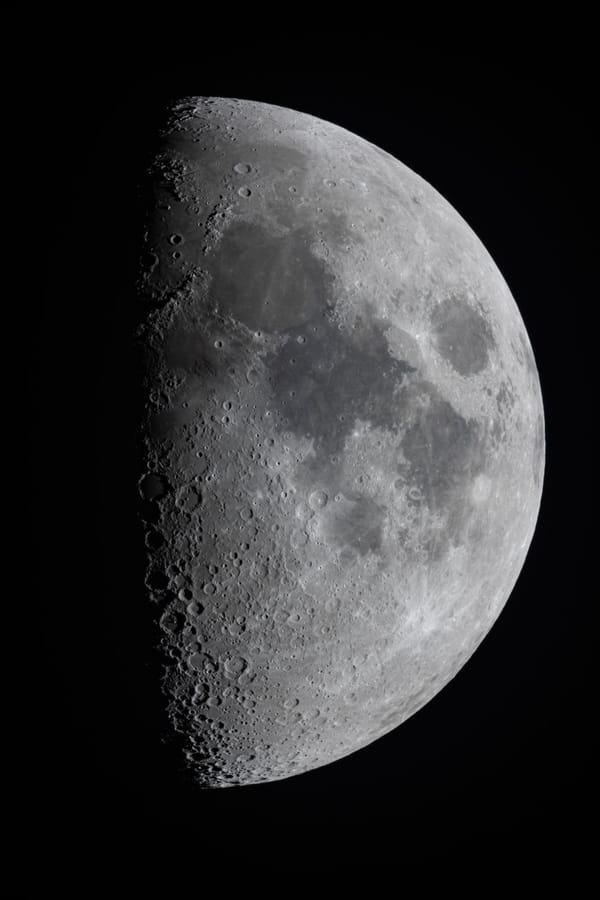
Lunar Farside Revealed: 15,000 Images Uncover Ancient Moon Terrain
For centuries we have looked up and seen only one face of our nearest celestial neighbor. Tidal locking keeps the far side turned away from Earth, creating a permanent blind spot in human history. Modern orbital technology has now lifted that veil. A detailed mosaic captured by…
Read More...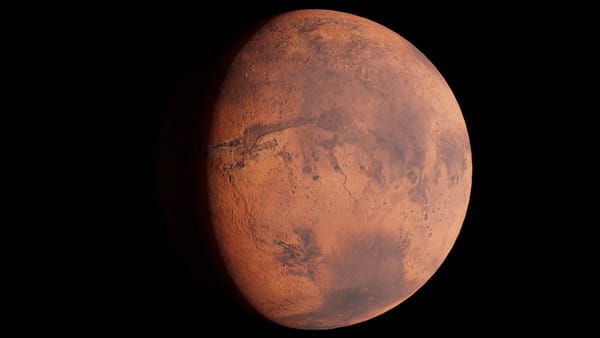
Space Tech
Stickney Crater: How a Massive Impact Nearly Destroyed Mars' Moon Phobos
Phobos, the innermost moon of Mars, carries a scar that tells a story of cosmic violence. Stickney Crater dominates its surface, a colossal basin named after Angeline Stickney Hall, wife of astronomer Asaph Hall. Hall discovered both Phobos and Deimos in 1877, linking human hist…
Read More...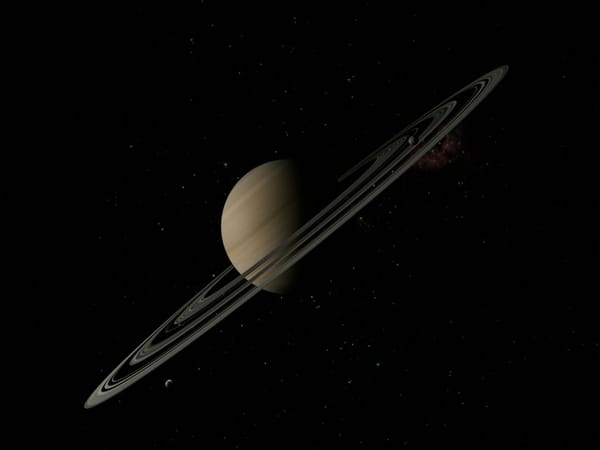
Space Tech
Saturn's Cosmic Clarity: How One Night Revealed the Ringed Planet's Secrets
On October 8, 2026, the Astronomy Picture of the Day featured a breathtaking composite image titled "The Saturn System Smörgåsbord." This visual feast offers an unprecedented view of the ringed planet and its diverse moons. Astrophotographer Tom Williams captured this exquisite…
Read More...
Space Tech
Artemis II Crew Captures Lunar Impact Flashes: What the Moon Revealed in April 2026
NASA has shared a remarkable dataset from the Artemis II mission that offers fresh perspectives on our lunar neighbor. The journey occurred between April 1 and April 10, 2026, marking the first crewed trip to the Moon's vicinity since the Apollo days. Astronauts Reid Wiseman, Vi…
Read More...
Space Tech
Pa 30: The 845-Year-Old Supernova Mystery That Defies Standard Models
The night sky holds countless stories written in light and dust. Among these celestial narratives, supernova remnants stand as testaments to the violent yet creative end of stellar lives. These expanding shells do more than mark a star's death. They scatter heavy elements across…
Read More...
Space Tech
Earth's Full Aurora Ring Revealed: SMILE Mission Captures Complete View
Scientists have achieved a remarkable first by capturing the entire auroral oval in one continuous shot. The Solar Wind Magnetosphere Ionosphere Link Explorer mission shared this image on October 6, 2026. This perspective offers a fresh look at how our planet interacts with the…
Read More...
Space Tech
Sombrero Galaxy M104: New Deep-Exposure Image Reveals Tidal Streams and Violent History
The Sombrero Galaxy, known scientifically as Messier 104 or M104, has always drawn the eye with its striking resemblance to a wide-brimmed Mexican hat. This massive spiral galaxy features a bright central bulge encircled by a distinctive dark band of interstellar dust. While ast…
Read More...
Space Tech
New Jersey Sky: Witnessing Supernumerary Rainbows and the Wave Nature of Light
On October 4, 2026, the skies above New Jersey presented a rare spectacle that captivated both amateur photographers and meteorology enthusiasts. Following the passage of storm remnants over the Jersey Shore, a standard rainbow appeared in one direction. However, the phenomenon…
Read More...
Space Tech
Mars Rover's New Selfie Reveals Vera Rubin Ridge Secrets
NASA’s Curiosity rover has once again provided humanity with a breathtaking glimpse into the red planet. The vehicle captured a stunning panoramic selfie at the south rim of Vera Rubin Ridge. This image served as the Astronomy Picture of the Day for October 3, 2026. It marks a s…
Read More...
Space Tech
313 Nebulas Captured: The Complete Sharpless Catalog Revealed in Eastern China
On October 2, 2026, NASA’s Astronomy Picture of the Day highlighted a monumental achievement in astrophotography. The complete Sharpless Catalog has been unveiled, showcasing 313 distinct nebulae. This comprehensive collection offers an unprecedented opportunity to explore the d…
Read More...