
Your Future, Your Voice: Australia's Bold Age-Weighted Voting Plan Gives Under-30s 1.3x Power
We compile, generate and translate using Artificial Intelligence from the below given source. Macro Micro News is responsible for its editorial publication.
Canberra, Australia, MMN Correspondent: Australia's democratic system is known for being steady and fair. A bold new proposal wants to make it fairer across generations. What if votes carried different weight depending on age? What if younger Australians had more influence because they have more years ahead of them?
This is a real proposal with a clear goal. It asks citizens to rethink how democracy measures voice. The aim is a healthier balance between generations. Climate change, housing affordability, and economic inequality are central concerns for people under 30. Policies chosen today will affect their lives for many years. That simple fact opens the door to a new kind of democratic design.
Take the climate crisis. Young Australians will experience the effects of rising seas, extreme weather, and ecological shifts for many more decades than someone in retirement. A person who will live with those changes has a stronger interest in how the environment is protected. The same logic applies to housing policies and long-term economic choices.
One model gives citizens under 30 a voting weight of 1.3. People aged 30 to 60 receive a weight of 1.1. Those over 60 keep a single vote. Ballots could be color coded for efficiency. Blue for under 30, green for 30 to 60, red for seniors. Everyone still votes. Some votes carry more weight because the decisions made now land more heavily on younger lives.
Political theorists call this generational justice. Danish scholars Andreas Bengtson and Andreas Albertsen have argued that democratic legitimacy grows when representation accounts for differential exposure to outcomes. If one group is more deeply affected by a policy, that group deserves a stronger voice. Young Australians are the clearest candidates for increased influence.
Critics might say younger voters will have more chances to vote in future elections. That idea invites a closer look. Older generations have shaped institutions and economic systems over many decades. Equal votes leave that difference in place. Weighted voting creates a cycle where every generation gets its turn at greater influence and carries a larger share of future costs.
Australia already accepts unequal voting weights based on geography. The Senate was designed to give smaller states more representation. In Tasmania, one senator represents about 34,300 voters. In Canberra, the number is about 160,000. In Victoria, it is about 381,000. A Tasmanian vote can carry nearly six times the weight of a Victorian vote. Similar differences appear in the House of Representatives. An average Tasmanian electorate needs about 75,000 voters to elect one MP. New South Wales needs more than 110,000. Some Northern Territory electorates have fewer than 50,000 voters.
If geography can justify unequal voting weight, age deserves the same consideration. Age is a universal human condition. No one chooses their birth date. Age tells us something specific about how long someone will live with the results of political decisions. That makes age a useful measure for representation.
There are other ways to give younger generations a stronger voice. Demeny voting lets parents cast votes on behalf of their children. That benefits households with kids, and since many parents are under 35, it indirectly lifts the voice of younger people. Lowering the voting age to 16 also brings more people into the democratic conversation. Weighted voting goes one step further by changing the balance of power between generations.
The potential benefits go beyond elections. When young people believe their vote matters, they are more likely to participate. Civic engagement rises. Trust in institutions improves. A system that visibly accounts for the future sends a clear message: your concerns about housing, education, mental health, and climate are part of the equation.
This idea also invites a larger conversation about what democracy is for. If everyone has one vote, does that reflect reality when consequences vary by age? A growing number of thinkers believe representation should match actual impact. Many countries are exploring new democratic tools. Iceland and Canada have experimented with citizen assemblies. New Zealand has embraced proportional representation reforms. Australia now has a chance to lead with a model designed for intergenerational fairness.
Weighted voting by age may sound bold. Universal suffrage sounded bold in its time. So did women's rights and the abolition of slavery. Each idea once seemed out of reach. Today, young Australians are inheriting a world shaped by earlier decisions. The case for a democratic system that listens to them grows stronger every day.
Related in Global Warming
Scientific Research
How PLOS Climate Is Reshaping Global Science: The Open Access Advantage
In the fast-moving world of scientific communication, open access journals are doing more than just sharing papers. They are breaking down walls that have long kept knowledge out of reach. PLOS Climate stands at the center of this shift. As a key part of the Public Library of Sc…
Read More...
Scientific Research
PLOS Climate: How Open Access is Reshaping Global Warming Solutions
The landscape of scientific publishing is shifting beneath our feet. Accessibility and transparency are no longer just nice-to-have features; they are the bedrock upon which we address the most pressing challenges of our time. The Public Library of Science (PLOS), a nonprofit ba…
Read More...
Scientific Research
PLOS Climate: Why Broken Links Threaten Global Science Access
The digital landscape of scientific communication is shifting beneath our feet. As climate research accelerates, the integrity and accessibility of this data have become paramount. Specialized journals like PLOS Climate face constant challenges regarding content availability and…
Read More...
Scientific Research
Why Climate Data Links Fail: The Open Access Fix You Need Now
Imagine clicking a link to the latest climate study only to hit a dead end. That frustrating 'Page Not Found' error is more than a technical glitch. It represents a significant barrier in the fight against misinformation and delayed action. When vital research on global warming…
Read More...
Scientific Research
PLOS Climate: The Open Access Frontier for Global Warming Research
The landscape of scientific publishing is shifting rapidly. Accessibility and transparency are no longer just ideals but necessities. PLOS, a nonprofit organization based in California, stands at the forefront of this movement. They champion open access to peer-reviewed research…
Read More...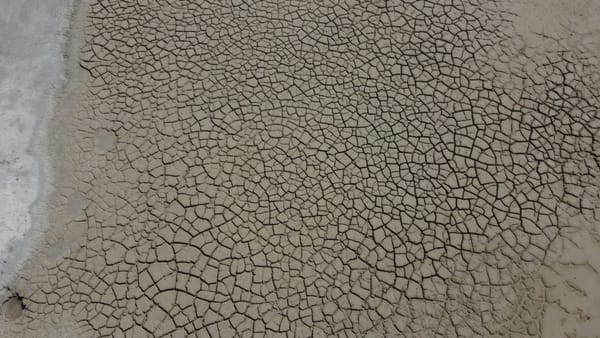
Global Warming
COP17 Mongolia: The Desertification Summit Deciding Your Food and Water Future
Around 10,000 people are heading into a national park near Ulaanbaatar this week. They've gathered for COP17, the seventeenth Conference of Parties to the United Nations Convention to Combat Desertification. The meeting runs from August 17 to 28, and it could determine how farms…
Read More...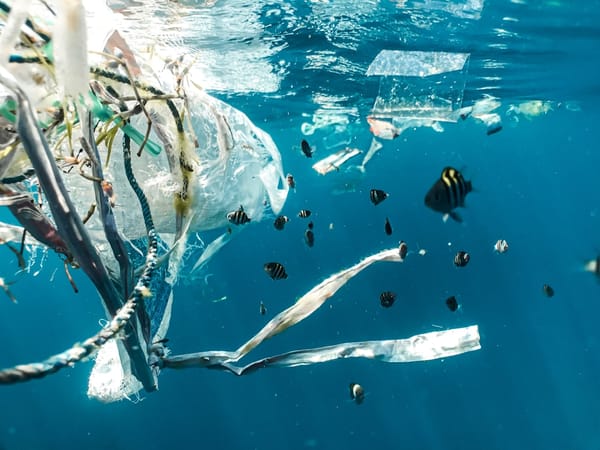
Global Warming
Plastics Treaty Draft Leaves Out Production Cuts: What It Means for You and the Planet
The newest draft of the global plastics treaty has arrived, and it is missing something many countries consider essential. Chilean ambassador Julio Cordano, the diplomat chairing the United Nations talks, released the document as an informal reference text. It reads a lot like a…
Read More...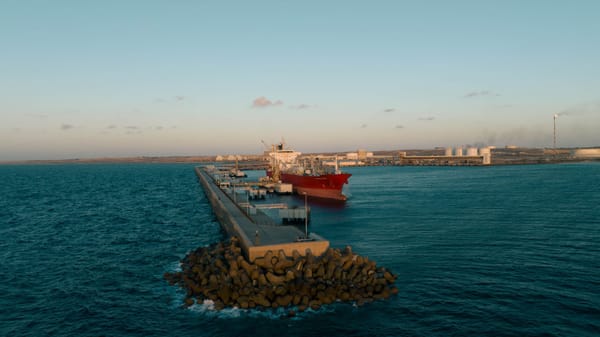
Global Warming
What You Need to Know About South Africa’s Offshore Oil Court Battle: Communities Take On Shell and TotalEnergies
Layers of red dust still coat Saldanha Bay, a reminder of the iron ore exports that transformed a quiet coastal fishing town in the 1970s. Today, the same bay is being prepared for a different role. The South African government wants to turn it into the country's oil and gas hub…
Read More...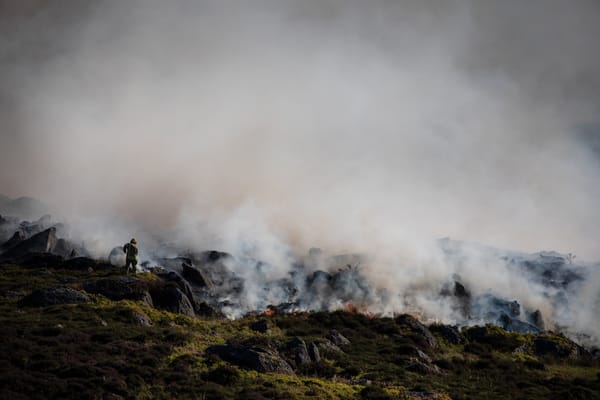
Global Warming
UK Wildfire Crisis 2026: 71% of England in Drought and Firefighters Overwhelmed, Are We Ready for What's Next?
The United Kingdom is living through a fire emergency that keeps growing. Dry landscapes, repeated heatwaves, and shifting wind patterns have turned large parts of the country into a potential tinderbox. Firefighters are working long shifts to contain flames in Hampshire, Nottin…
Read More...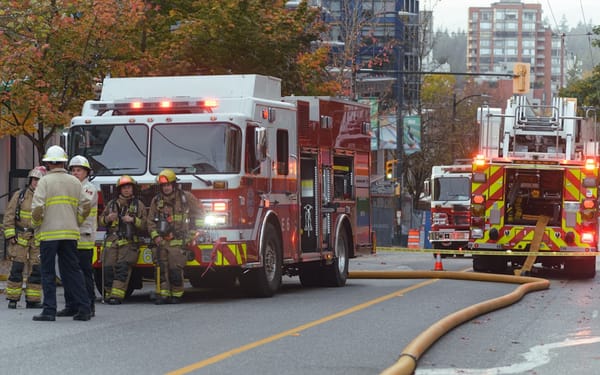
Global Warming
Canada’s Out-of-Control Wildfires: 22,000 Flee British Columbia, and What That Means for Your Community
Summerland received its evacuation order with little time to spare. Across British Columbia, around 22,000 people have now left their homes as 102 active wildfires spread through the province. Nearly half of those fires are listed as uncontrolled. The Bald Range fire grew to mor…
Read More...