
Your Security Landscape Evolving: How Europe’s 800 Billion Defense Strategy Is Building Tomorrow’s Shield
We compile, generate and translate using Artificial Intelligence from the below given source. Macro Micro News is responsible for its editorial publication.
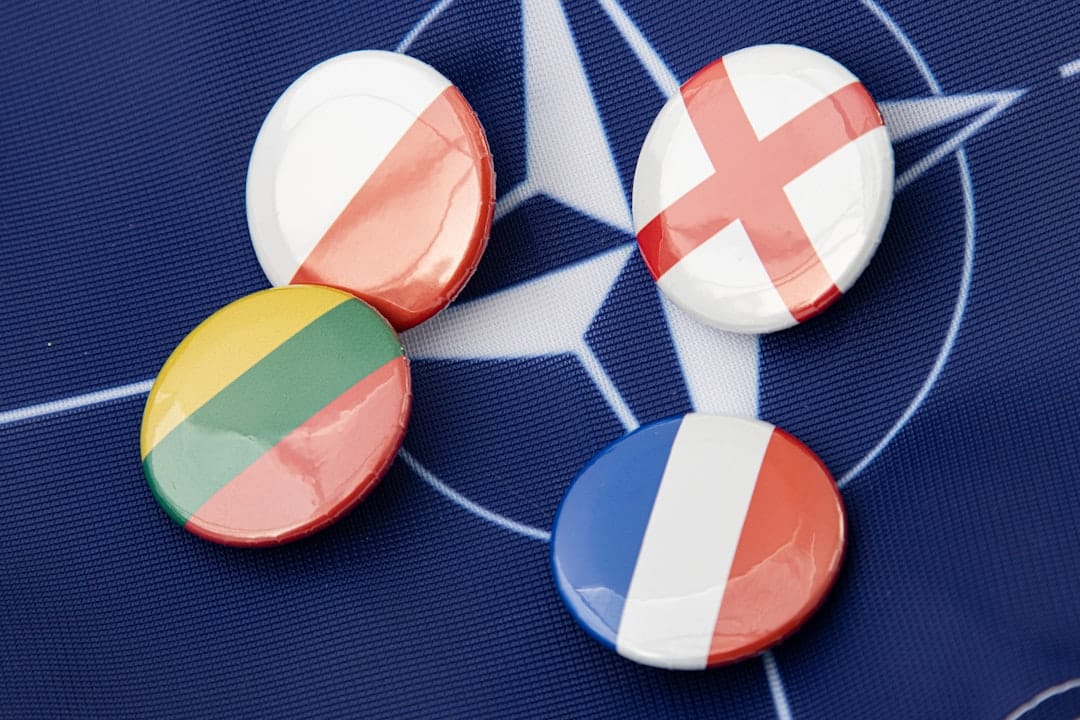
Leipzig, Germany, Source : European officials recently pointed to a coordinated effort at Leipzig/Halle Airport that highlights a broader transformation in how the continent approaches security planning. The discovery of specialized equipment during this operation signals evolving tactics that call for refreshed protective measures. Partners within the EU and NATO have responded by reinforcing collaborative frameworks and upgrading infrastructure safeguards. You can already observe how these adjustments are reshaping regional stability and fostering deeper cross border partnerships.
Recent activity around key transport hubs and energy facilities reveals a consistent pattern that experts now treat as standard operating procedure. Airspace tracking systems monitor drone movements with sharper accuracy while digital security teams coordinate closely with ground personnel to protect essential services. This layered approach treats civilian infrastructure as a primary priority rather than an afterthought. Rapid Response Units now operate across multiple jurisdictions to address emerging situations before they disrupt everyday life. The entire system focuses on building adaptable networks that respond swiftly to shifting conditions.
Continued backing for Ukraine drives substantial procurement projects throughout Europe. A newly proposed funding package outlines plans to install advanced air defense networks equipped with PAC-3 Patriot interceptors. These platforms rely on hit to kill mechanics combined with radar tracking to handle high altitude targets efficiently. The FREYA initiative moves forward in parallel by creating a homegrown framework for anti ballistic missile research. You may find yourself wondering how these capital deployments convert into lasting strategic benefits. The trajectory points toward decreased dependence on outside manufacturers and a stronger domestic defense ecosystem.
Economic structures are growing alongside military readiness targets. International ministers examine sanction protocols to improve asset freezing efficiency and track dual use technology movements. An eight hundred billion euro investment roadmap directs defense industry growth through the Strategic Act for Europe mechanism. Government purchasing channels now sync with international manufacturing standards to speed up innovation across allied networks. Past investment cycles demonstrate that aligned spending reduces individual project expenses while boosting equipment compatibility across partner forces.
Merging diplomatic alignment, upgraded air defense layers, and faster production schedules marks a distinct progression in security policy. Decision makers blend NATO operational standards with EU financial instruments to construct a stable deterrence framework. As operational patterns mature, attention centers on quick deployment readiness, manufacturing autonomy, and steady political cooperation. You will see how these components reinforce each other to preserve territorial boundaries and sustain democratic governance. Moving ahead depends on ongoing flexibility and collective dedication to long term peace.
Related in Politics
Politics
Europe's New Aid Strategy: How Team Europe Is Protecting Workers and Fixing Supply Chains in 240 Million Crisis Zones
European Commissioner Lahbib Zouarhi recently took the stage at the Foreign Affairs Council to unveil a bold new vision for humanitarian aid. The message was clear. Europe must step up as "Team Europe" to tackle the growing number of global crises. With nearly 240 million people…
Read More...
Politics
Germany's Growth Mirage: Weidel Exposes the Debt Trap Behind Official Projections
The German federal government recently unveiled its autumn economic projections for October 2026, highlighting a projected growth rate of 1.3 percent for the current year. This optimistic forecast suggests a notable upswing in national economic activity. However, Alice Weidel, c…
Read More...
Politics
EU-Mexico Trade Alliance 2026: How This Partnership Is Reshaping Global Supply Chains
The European Union and Mexico have always been strong partners in multilateral cooperation. By September 2026 their relationship has become a key test for global economic resilience. Trade tensions are rising in many parts of the world. The EU-Mexico partnership offers stability…
Read More...
Politics
Ireland's EU Presidency: How Humanitarian Aid and Preparedness Build a Safer Future
As Ireland takes the helm of the Council of the European Union, Commissioner Lahbib highlights a pivotal moment for global engagement. Europe now faces a dual mandate that requires both moral leadership through humanitarian aid and strengthened internal resilience against a comp…
Read More...
Politics
Saxony-Anhalt Breaks Tradition: AfD's Tobias Rausch Takes Landtag Presidency
German politics witnessed a defining moment on October 6, 2026, when the newly constituted state parliament of Saxony-Anhalt elected Tobias Rausch as its Landtag President. This event marks the first time in the history of the Federal Republic that a member of the Alternative fo…
Read More...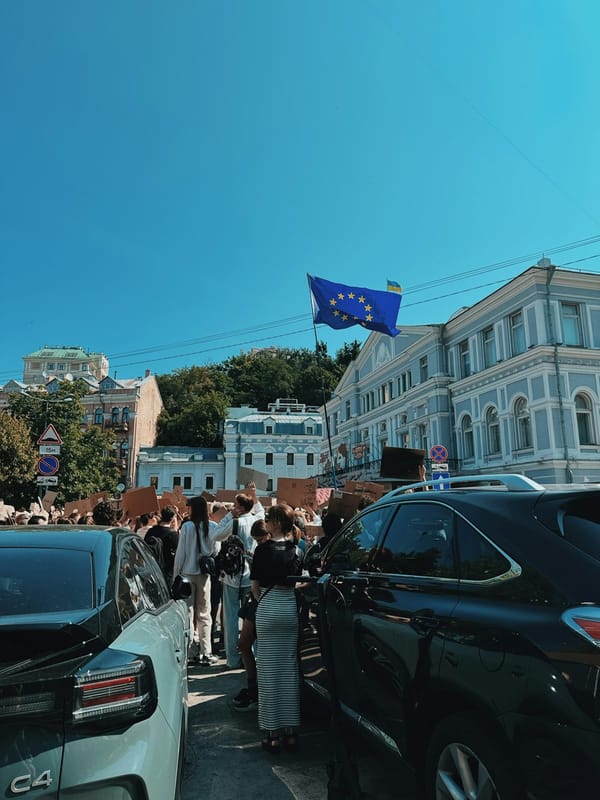
Politics
Von der Leyen's Balkan Strategy: Why EU Expansion is a Mutual Transformation
Ursula von der Leyen has made it clear that the European Union’s path forward involves more than just opening borders. Her recent visits to the Western Balkans highlight a strategic shift where enlargement is treated as a mutual transformation rather than a one-sided gift from B…
Read More...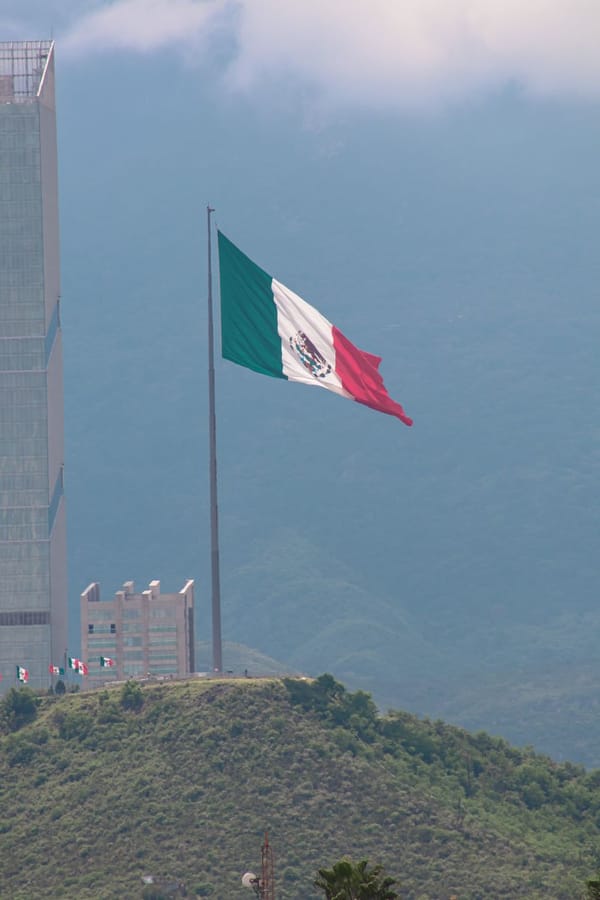
Politics
EU-Mexico Trade Shift 2026: What Nearshoring and Green Tech Mean for Your Business
The relationship between the European Union and Mexico is undergoing a significant transformation as we navigate through 2026. This partnership has evolved from traditional trade agreements into a robust framework focused on sustainable development digital innovation and diploma…
Read More...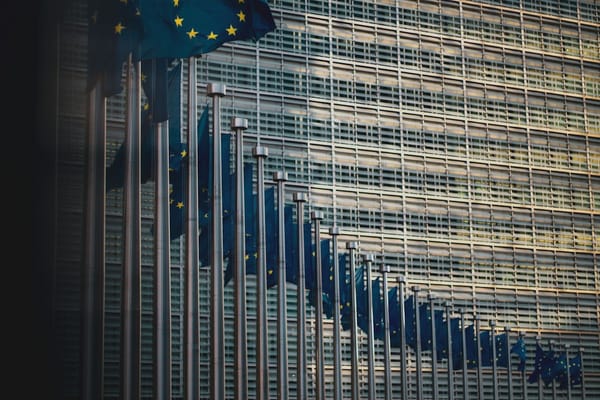
Politics
Germany's 52% State Share: What This Record Means for Your Wallet and Economy
In early October 2026, Germany reached a notable economic milestone. The federal government projected a state share of 52 percent for the current year. This figure marks a new all-time high. It signals a substantial shift in how public expenditure relates to national economic ou…
Read More...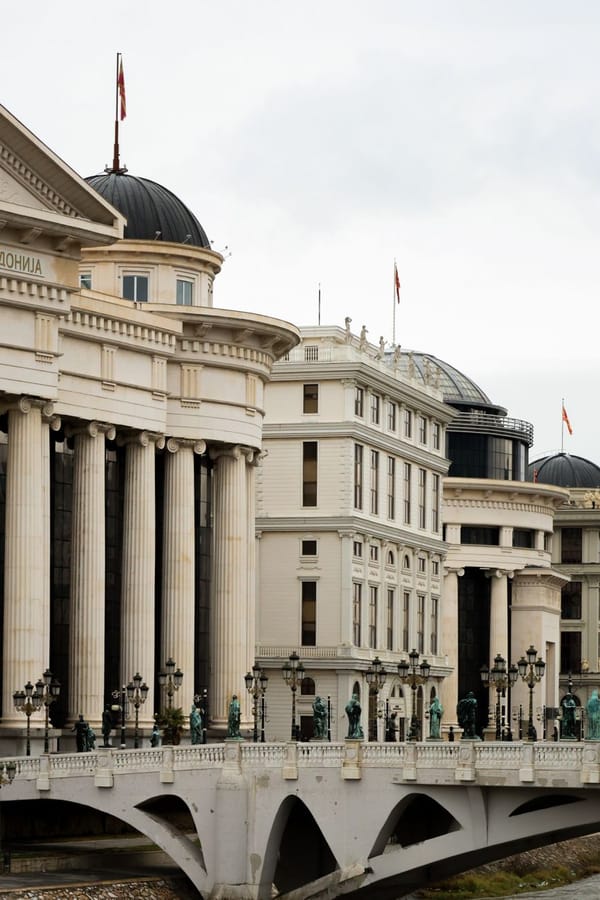
Politics
North Macedonia's EU Path: Security, Economy, and Institutional Readiness
In a significant diplomatic engagement held in Skopje, European leadership reaffirmed its commitment to North Macedonia’s accession to the European Union, highlighting the nation’s pivotal role in regional security and economic stability. The dialogue underscored North Macedonia…
Read More...
Politics
Germany's Subsidy Crisis: Why Taxpayers Are Demanding Fiscal Reform Now
In October 2026, the Bund der Steuerzahler released its annual "Black Book," a detailed report exposing state-funded waste and inefficient subsidy programs across Germany. This publication has sparked a significant conversation about fiscal responsibility, revealing how public f…
Read More...