
10 Enchanting Agritourism Adventures in Québec This Fall: From Cranberry Bogs to Vineyard Harvests
Québec, Canada, MMN Correspondent: What if you could taste the season itself? As autumn paints Québec in shades of amber and gold, the province becomes a living canvas of flavor and tradition. From the cranberry bogs of Centre-du-Québec to the sun-kissed vineyards of the Eastern Townships and the orchard-lined roads of Montérégie, fall here is more than a season. It is an invitation to experience the heartbeat of rural Canadian life through immersive agritourism. With Montréal serving as a vibrant gateway, travelers can easily access these countryside treasures within a one to two hour drive. This makes it the perfect time to explore the region’s rich agricultural heritage.
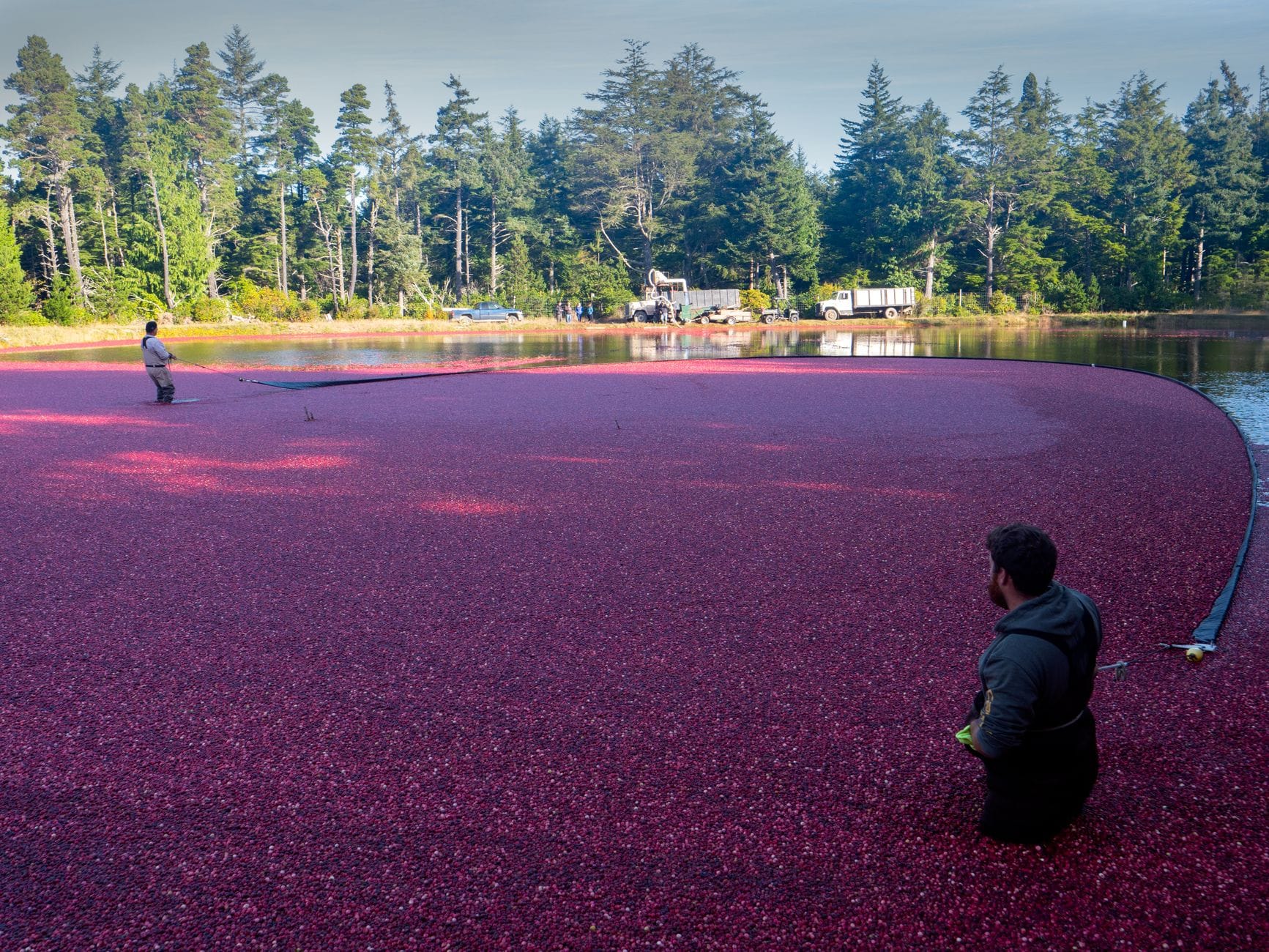
One of the most mesmerizing sights unfolds in late September and October in Centre-du-Québec. Cranberry farmers flood their fields with water, turning the landscape into a sea of floating crimson berries. This seasonal spectacle, known as the cranberry harvest, draws visitors from across North America who come to witness this natural wonder. The Cranberry Interpretation Centre, open from October 1 to 18, offers guided tours that reveal the history, cultivation techniques, and cultural significance of this small but mighty fruit. Visitors enjoy wagon rides through the misty bogs, interactive exhibits on sustainable farming practices, and tastings of fresh cranberry juice, sauces, and baked goods. The event not only celebrates the harvest but also promotes environmental stewardship, as modern cranberry farming in Québec emphasizes water conservation and ecosystem preservation.
Further east, the Brome-Missisquoi Wine Route in the Eastern Townships becomes a haven for wine lovers during the autumn months. Stretching over 160 kilometers, this scenic route winds through rolling hills and picturesque farmland, connecting 24 boutique wineries that specialize in cool-climate varietals such as Pinot Noir, Chardonnay, and Riesling. As grape harvest season, known locally as vendange, peaks in September and October, many estates host special events including harvest dinners, barrel tastings, and wine pairing experiences featuring farm to table cuisine. Vignoble de l’Orpailleur and Le Ruisseau stand out for their intimate dining settings, where guests dine beneath vines or beside rustic stone walls, savoring dishes crafted exclusively from regional ingredients. These wineries are part of a growing movement toward terroir driven viticulture in Québec, where microclimates and soil composition play a crucial role in shaping each bottle’s character. Recent data shows that Québec’s wine production has increased by over 30% in the past five years, reflecting both rising domestic demand and international recognition.
Meanwhile, in Montérégie, apple season ignites a celebration of crisp flavors and rural charm along the Cider Route. Just 30 minutes from Montréal, this 140 kilometer journey takes travelers through lush orchards, historic farms, and family run cideries. At Chemin des Sept, visitors can pick their own apples from ancient wild orchards, participate in pressing demonstrations, and sample a wide range of ciders from dry and tart to sweet and spiced. Cidrerie du Miont features a unique museum dedicated to 19th century cider making methods, showcasing hand carved wooden presses and vintage fermentation barrels. For panoramic views of Mount Saint-Grégoire and thousands of apple trees in full bloom, Domaine Inselberg offers a serene retreat where guests can stay overnight in rustic cabins or enjoy a gourmet cider tasting under the stars. The region’s cider culture is deeply rooted in French-Canadian traditions, with many producers using heirloom apple varieties like McIntosh, Cortland, and Spartan to create complex, artisanal brews.
Beyond the fields and vineyards, Québec’s agritourism scene thrives on authenticity and connection. Many farms now offer immersive stays, cooking classes, and seasonal workshops that teach visitors how to make cheese, preserve fruits, or craft herbal infusions. These experiences appeal to food enthusiasts, families, and eco-conscious travelers seeking meaningful engagement with local communities. Accommodations in Old Montréal, such as the Place d’Armes Hotel, blend historic architecture with modern luxury, providing a refined base for exploring the surrounding countryside. Alternatively, Le Germain Hotel offers a retro chic vibe with mid-century design elements and a French brasserie style menu, ideal for travelers looking to combine urban comfort with rural adventure.
Québec’s agricultural economy plays a significant role in its regional identity. According to Statistics Canada, agriculture contributes approximately $15 billion annually to the provincial GDP, with over 27,000 farms operating across the province. The rise of agritourism has helped diversify income streams for farmers while promoting sustainable land use and rural development. In recent years, government initiatives have supported infrastructure improvements, digital marketing campaigns, and training programs for farm operators to enhance visitor experiences.
For those planning a fall getaway, the ideal time to visit is between late September and early November, when temperatures remain mild, foliage reaches peak brilliance, and harvest festivals are in full swing. Whether you are drawn to the sensory delights of a cranberry bog, the elegance of a wine tasting terrace, or the rustic joy of apple picking, Québec’s autumn agritourism offerings deliver unforgettable memories. With accessible transportation options, diverse accommodations, and a deep rooted commitment to sustainability, the province stands as a premier destination for nature inspired travel.
This season, let the rhythm of the harvest guide your journey through Québec’s most enchanting countryside. Experience the taste of tradition, the beauty of nature, and the warmth of community all under the golden glow of autumn’s final light.
Related in Global Trend
Global Trend
Egypt’s 2026 Digital Visa: How a QR Code Will Cut Airport Queues & Change Your Travel Plans
Imagine stepping off a long haul flight, stretching your legs, and instead of joining a snaking queue for a paper visa sticker, you simply pull out your phone. A single QR code. A quick scan. And you’re through. That’s the reality Egypt is rolling out on August 1, 2026, at Cairo…
Read More...
Global Trend
185 Meters Above Rotterdam: What Awaits Inside the Reimagined Euromast?
What happens when a six decade old icon decides to stop being just a lookout point and transforms into something far more immersive? The answer is now standing 185 meters above Rotterdam, and it might just change how you think about city landmarks. Magnicity, a global name in ur…
Read More...
Global Trend
7 Reasons Why the British Virgin Islands’ 2026 Unrushed Season Is Your Best Bet for Slow Travel, Big Savings & Pure Serenity
What if the best time to visit paradise wasn’t when everyone else does? The British Virgin Islands (BVI) is flipping the script on traditional travel calendars with its 2026 Unrushed Season, a thoughtfully crafted window from July through early November that invites you to trade…
Read More...
Global Trend
Want to Experience the Florida Keys Without the Crowds? Here’s How August Through October Delivers More Value and Island Magic
Picture this: you’re driving the Overseas Highway, windows down, salt air mixing with the scent of tropical blooms. The road stretches over turquoise water, and each island you pass feels like a new world waiting to be discovered. But here’s the thing most travelers don’t realiz…
Read More...
Global Trend
British Airways Will Fly Daily from London to Baltimore in 2026. Here’s Why Maryland Is Your Next Winter Escape.
Picture this: you board a plane at London Heathrow, settle into your seat, and just under eight hours later you step off into a winter wonderland that most British travelers have never considered. That’s exactly what British Airways is betting on with its announcement of daily n…
Read More...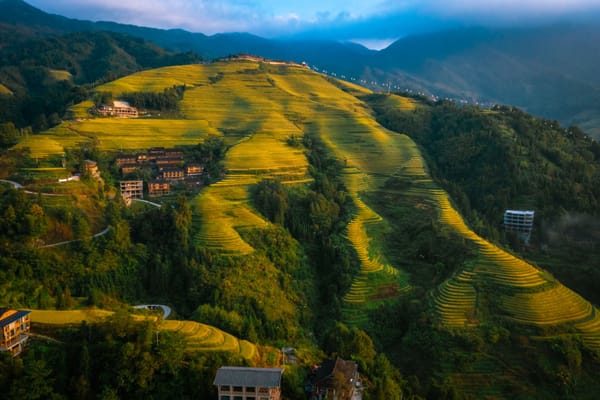
Global Trend
Why Travelers Are Trading Sightseeing for Rice Terraces and Long Hair Villages in Rural China
What if the most unforgettable travel experience wasn’t a famous landmark, but a conversation with a farmer who has spent decades coaxing life from a mountainside? In Guilin, that’s exactly what’s happening. The region’s iconic karst peaks and winding Li River have drawn visitor…
Read More...
Global Trend
What Happens When the EPO Goes Fully Digital in 2027? Here’s What Patent Filers Need to Know
Imagine a world where patent applications never touch paper. Where every step from filing to grant happens in a secure, instant, and traceable digital environment. That world arrives on 1 April 2027, when the European Patent Office (EPO) completes its decade long digital transfo…
Read More...
Global Trend
60 Nations Hit With New US Tariffs: What This Means for Your Wallet and Global Trade
The United States has just turned up the heat on global trade. In a move that touches nearly every corner of the import market, Washington has slapped fresh tariffs on roughly 60 of its largest trading partners. We're talking about China, the European Union, Canada, Japan, India…
Read More...
Global Trend
Why Travelers Are Flocking to Taoyuan: K-Pop Star Ambassador, 3 Curated Routes, and 2026 Festivals You Can’t Miss
What if your first stop in Taiwan turned into the highlight of your entire trip? That’s exactly what Taoyuan is betting on. As the island’s busiest international gateway, this city is stepping into the spotlight with a fresh global campaign that’s turning heads from Seoul to Sin…
Read More...
Global Trend
What Triggers the 'Upstream Connect Error'? 5 Critical Factors That Break Web Performance
Imagine this: you click a link, and the page hangs. Then it fails. Behind that simple moment of frustration, a silent breakdown just occurred in the digital infrastructure connecting you to the service. One of the most common culprits? The 'upstream connect error or disconnect/r…
Read More...