
Egypt’s 2026 Digital Visa: How a QR Code Will Cut Airport Queues & Change Your Travel Plans
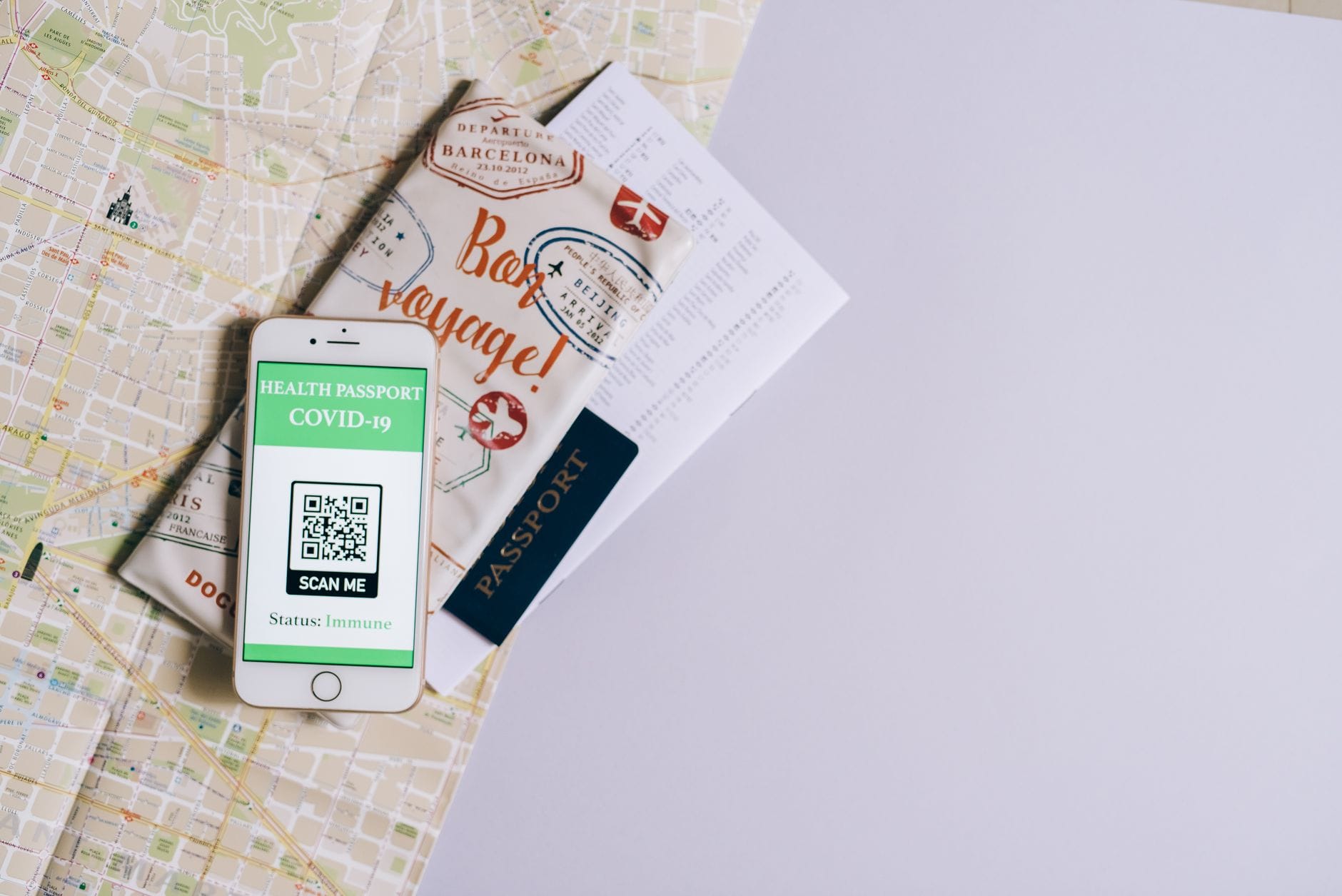
Cairo International Airport, MMN Correspondent: Imagine stepping off a long haul flight, stretching your legs, and instead of joining a snaking queue for a paper visa sticker, you simply pull out your phone. A single QR code. A quick scan. And you’re through. That’s the reality Egypt is rolling out on August 1, 2026, at Cairo International Airport. The country is replacing those old paper visa stickers with a digital QR code system, and it’s designed to change how you enter the country.
This isn’t just a tech upgrade. It’s part of a bigger push to make Egypt a smarter, faster destination for the nearly 12 million international visitors expected in 2026. The pilot phase kicks off at all arrival terminals in Cairo, running alongside the current paper process so nothing feels rushed or broken. Once the kinks are ironed out, the plan is to phase out physical stickers entirely across every Egyptian airport.
So how do you get your hands on one of these digital visas? You’ve got three options. First, an official online portal goes live 48 hours before the pilot starts. Second, there’s a dedicated mobile app for both iOS and Android. Third, if you prefer to handle things on the ground, self service kiosks inside Cairo’s arrival halls let you generate your QR code instantly after landing. You could even do it mid flight if your airline supports it. Each QR code stays valid for 48 hours from the moment it’s issued, giving you plenty of breathing room.
At immigration, officers scan your passport and the QR code with handheld devices or automated gates. The whole thing is built on encrypted digital authentication, which means your data stays private and fraud is kept to a minimum. The goal is speed and accuracy, less human error, shorter lines, and a smoother start to your trip.
What does it cost? The total comes to USD 36. That breaks down to the standard USD 30 visa fee plus a USD 6 service charge for using the digital platform. It’s a small premium for the convenience of skipping the paper chase and getting through faster. The government sees this as an investment in keeping the system running smoothly and expanding it over time.
This move didn’t happen overnight. Egypt’s Ministry of Tourism & Antiquities, the General Authority for Civil Aviation, and tech partners specializing in digital identity have been working on this for years. Tourism already brought in over $15 billion to the economy in 2023, and with passenger numbers climbing, the old system just couldn’t keep up. The digital visa is a direct response to that growth.
And Cairo is just the beginning. The government has committed to rolling out the same system at Sharm El Sheikh International, Hurghada International, Luxor International, and Alexandria International Airport. Timelines for those airports will be announced in advance, with coordination from airlines, tour operators, and online travel agencies to make sure everyone is ready.
There’s an environmental angle too. By cutting down on paper visas, Egypt reduces plastic waste, ink usage, and the logistics of shipping physical documents. The digital platform also allows real time tracking of applications, better data for tourism forecasting, and stronger national security through improved biometric integration.
For travelers, the benefits are straightforward. No more waiting in long queues for a paper visa. No risk of losing or damaging a document. No last minute scrambling. Just a QR code stored on your phone or printed out, accessible anytime during its 48 hour window. Business travelers, families, and solo adventurers all get a more predictable, less stressful entry experience.
International airlines and travel agencies are already updating their systems. Booking platforms like Expedia, Booking.com, and GetYourGuide are integrating the digital visa option into their checkout flows, so you can generate your QR code right when you book your trip. That means one less thing to worry about before you fly.
Globally, Egypt joins a growing list of countries adopting digital visa solutions. India, Georgia, and Rwanda have all seen measurable improvements in traveler satisfaction and border efficiency after similar rollouts. What sets Egypt apart is the comprehensive integration with airport infrastructure, multilingual support, and a strong government backed rollout plan.
Looking ahead, this pilot could pave the way for even more innovations. Think biometric facial recognition at gates, AI powered customs screening, or dynamic visa durations based on your travel patterns. These aren’t far off possibilities. They’re the next logical steps for a country that wants to stay ahead of the curve.
At its core, Egypt’s Digital Visa on Arrival System is about making travel simpler and smarter. For tourists, it means smoother arrivals and fewer delays. For Egypt, it means stronger economic growth and a reputation as a forward thinking destination. With the pilot starting in less than a month, now is the time to get familiar with the system. Download the app, visit the official portal, or ask your travel agent. A little preparation goes a long way toward a seamless entry into a country rich with ancient wonders and vibrant culture.
Related in Global Trend

Global Trend
185 Meters Above Rotterdam: What Awaits Inside the Reimagined Euromast?
What happens when a six decade old icon decides to stop being just a lookout point and transforms into something far more immersive? The answer is now standing 185 meters above Rotterdam, and it might just change how you think about city landmarks. Magnicity, a global name in ur…
Read More...
Global Trend
10 Enchanting Agritourism Adventures in Québec This Fall: From Cranberry Bogs to Vineyard Harvests
What if you could taste the season itself? As autumn paints Québec in shades of amber and gold, the province becomes a living canvas of flavor and tradition. From the cranberry bogs of Centre-du-Québec to the sun-kissed vineyards of the Eastern Townships and the orchard-lined ro…
Read More...
Global Trend
7 Reasons Why the British Virgin Islands’ 2026 Unrushed Season Is Your Best Bet for Slow Travel, Big Savings & Pure Serenity
What if the best time to visit paradise wasn’t when everyone else does? The British Virgin Islands (BVI) is flipping the script on traditional travel calendars with its 2026 Unrushed Season, a thoughtfully crafted window from July through early November that invites you to trade…
Read More...
Global Trend
Want to Experience the Florida Keys Without the Crowds? Here’s How August Through October Delivers More Value and Island Magic
Picture this: you’re driving the Overseas Highway, windows down, salt air mixing with the scent of tropical blooms. The road stretches over turquoise water, and each island you pass feels like a new world waiting to be discovered. But here’s the thing most travelers don’t realiz…
Read More...
Global Trend
British Airways Will Fly Daily from London to Baltimore in 2026. Here’s Why Maryland Is Your Next Winter Escape.
Picture this: you board a plane at London Heathrow, settle into your seat, and just under eight hours later you step off into a winter wonderland that most British travelers have never considered. That’s exactly what British Airways is betting on with its announcement of daily n…
Read More...
Global Trend
Why Travelers Are Trading Sightseeing for Rice Terraces and Long Hair Villages in Rural China
What if the most unforgettable travel experience wasn’t a famous landmark, but a conversation with a farmer who has spent decades coaxing life from a mountainside? In Guilin, that’s exactly what’s happening. The region’s iconic karst peaks and winding Li River have drawn visitor…
Read More...
Global Trend
What Happens When the EPO Goes Fully Digital in 2027? Here’s What Patent Filers Need to Know
Imagine a world where patent applications never touch paper. Where every step from filing to grant happens in a secure, instant, and traceable digital environment. That world arrives on 1 April 2027, when the European Patent Office (EPO) completes its decade long digital transfo…
Read More...
Global Trend
60 Nations Hit With New US Tariffs: What This Means for Your Wallet and Global Trade
The United States has just turned up the heat on global trade. In a move that touches nearly every corner of the import market, Washington has slapped fresh tariffs on roughly 60 of its largest trading partners. We're talking about China, the European Union, Canada, Japan, India…
Read More...
Global Trend
Why Travelers Are Flocking to Taoyuan: K-Pop Star Ambassador, 3 Curated Routes, and 2026 Festivals You Can’t Miss
What if your first stop in Taiwan turned into the highlight of your entire trip? That’s exactly what Taoyuan is betting on. As the island’s busiest international gateway, this city is stepping into the spotlight with a fresh global campaign that’s turning heads from Seoul to Sin…
Read More...
Global Trend
What Triggers the 'Upstream Connect Error'? 5 Critical Factors That Break Web Performance
Imagine this: you click a link, and the page hangs. Then it fails. Behind that simple moment of frustration, a silent breakdown just occurred in the digital infrastructure connecting you to the service. One of the most common culprits? The 'upstream connect error or disconnect/r…
Read More...