
Why Travelers Are Trading Sightseeing for Rice Terraces and Long Hair Villages in Rural China
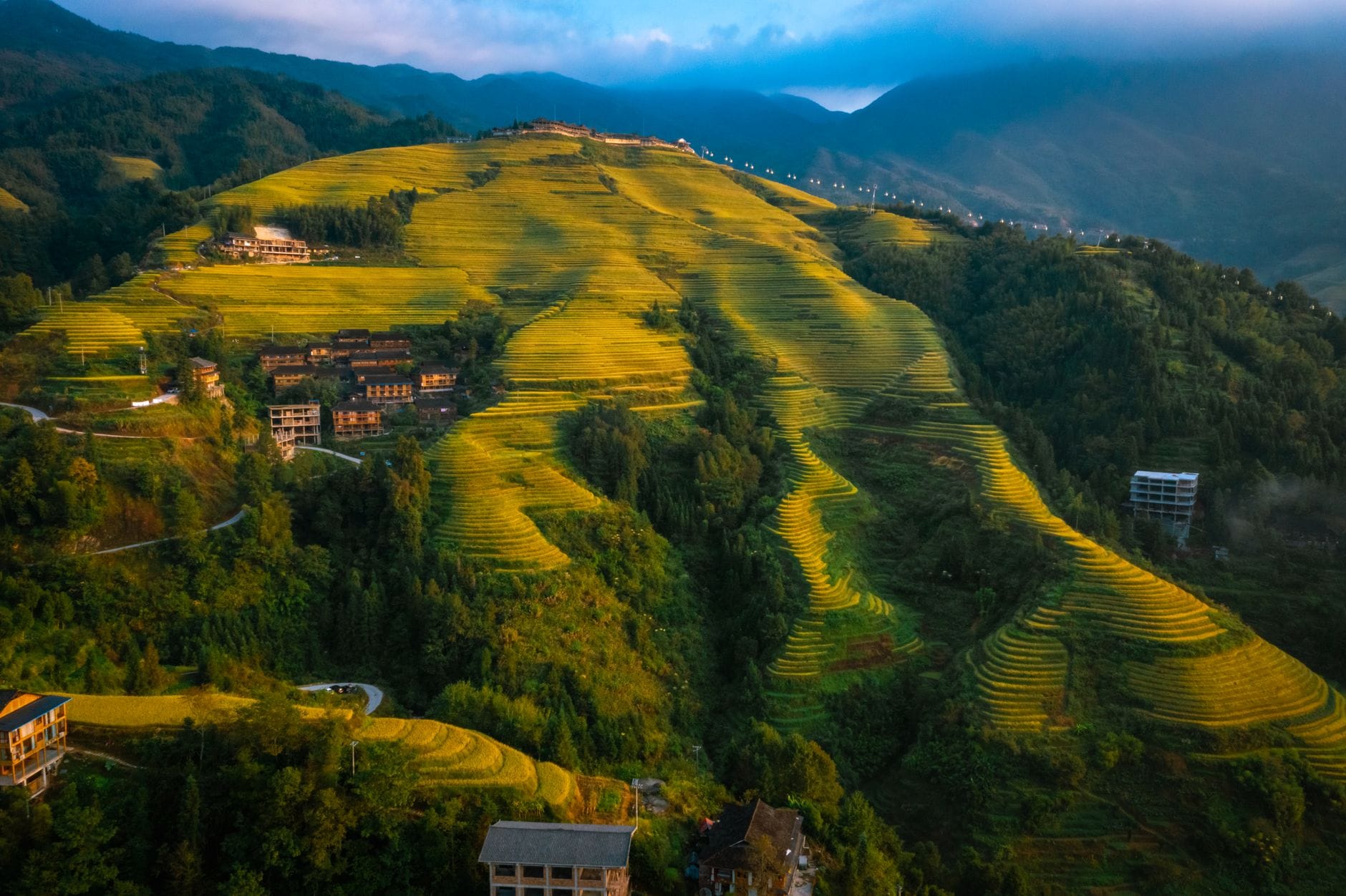
Longsheng County, Guangxi Zhuang Autonomous Region, MMN Correspondent: What if the most unforgettable travel experience wasn’t a famous landmark, but a conversation with a farmer who has spent decades coaxing life from a mountainside? In Guilin, that’s exactly what’s happening. The region’s iconic karst peaks and winding Li River have drawn visitors for decades. But now, something quieter and more profound is taking shape. Rural Guilin is becoming a place where travelers don’t just look at the scenery. They step into it. They learn from it. They become part of it.
This shift mirrors a global change in how people want to travel. The old model of snapping photos from a bus and moving on is fading. Today’s visitors want to feel the soil, taste food grown in ancient fields, and understand the rhythms of a life that has been sustained for centuries. Guilin is leading this movement in China, offering experiences that weave together nature, culture, and human resilience in ways that feel both ancient and urgently relevant.
Two places stand at the center of this transformation: Longsheng County and Yangshuo. Once overlooked, they are now magnets for travelers seeking depth over distance. The journey often begins in Longsheng, home to the Longji Rice Terraces. These are not just beautiful. They are a thousand-year-old agricultural system carved into steep slopes by the Yao and Zhuang ethnic groups. Every curve of the terrace tells a story of water management, seasonal timing, and knowledge passed from one generation to the next.
Liao Yanmei, a local farmer, puts it simply. “They mean everything to us. They’re our life.” She is part of a growing movement among younger villagers to restore eroded sections of the terraces, blending ancestral wisdom with modern sustainability. Eco-tourism initiatives support this work, providing income without damaging the land. It’s a delicate balance, and it’s working.
One of the most powerful moments of connection happens during the Shuyang Festival, which marks the start of the planting season. Visitors from around the world join villagers in seedling-throwing ceremonies, wearing traditional clothing and walking through terraces lit by handcrafted lanterns. Eliza Arce, a traveler from the Philippines, found herself moved to tears. “They’re in the northern part of the country,” she said, thinking of the Banaue Rice Terraces back home. “They were also carved into the mountains by local communities. I was amazed by how closely our rice terrace cultures mirror each other. It made me realize we share deeper roots. And in that moment, I truly felt at home.”
That feeling of recognition is not accidental. It points to a larger truth: cultural exchange thrives when it is grounded in shared history and environmental adaptation. The parallels between Philippine and Chinese highland farming traditions reveal a universal story of people shaping land to survive and thrive.
Further into the Longji region lies Huangluo Yao Village, known as the “Village of Long Hair.” Here, Red Yao women maintain hair that can reach over six feet in length, using a fermented rice water formula passed down through mothers and grandmothers. Cultural ambassador Haili explains that long hair symbolizes longevity, prosperity, and spiritual well-being. “We believe that healthy hair reflects a healthy body, bringing both long life and good fortune,” she says.
This practice is more than a beauty ritual. It reflects deep ecological knowledge. The use of locally sourced rice water and herbs like hibiscus and chrysanthemum demonstrates a holistic approach to wellness that predates modern cosmetics. It is a daily affirmation of cultural pride and environmental harmony.
Equally remarkable is the craftsmanship behind Red Yao traditional garments. Master artisan Pan Jifeng spends up to a full year creating a single outfit, combining intricate weaving, batik dyeing, natural pigments, and embroidery. Each pattern tells a story. Mountain ridges, river flows, mythical creatures, and ancestral spirits are woven into the fabric. These textiles are not fashion statements. They are living archives of memory, belief, and place.
In Yangshuo, the landscape becomes a dynamic playground for adventure. Bamboo raft rides along the Li River offer serene views of towering limestone peaks. Cycling through bamboo forests and hiking among karst formations allow travelers to move through the scenery rather than merely observe it. Cliffside trekking routes, rock climbing spots, and electric bike trails cater to outdoor enthusiasts seeking adrenaline and immersion alike.
What sets Yangshuo apart is how it balances modern amenities with authentic village life. Eco-lodges, bilingual guides, and digital booking platforms are carefully integrated with efforts to maintain local traditions. The result is a destination where travelers can enjoy comfort without losing touch with the rhythm of rural existence.
This new model of tourism in Guilin is not accidental. It is the outcome of deliberate policy shifts, grassroots activism, and increasing international interest. Local governments have invested in rural connectivity, training programs for homestay hosts, and cultural preservation grants. International media coverage, including documentaries like CGTN’s Village Voyage, has amplified visibility, attracting culturally curious travelers who value depth over convenience.
Data from China’s Ministry of Culture and Tourism shows a 37% increase in domestic and inbound tourism to Guangxi’s rural areas between 2020 and 2024, with a significant rise in stay-at-home experiences, farm-to-table dining, and craft workshops. This growth aligns with China’s national strategy to revitalize rural economies through tourism and cultural heritage.
In essence, Guilin is no longer just a destination. It is a living experiment in sustainable coexistence. The mountains speak through terraced fields. The rivers carry stories on their currents. The villages continue to evolve by honoring their past. For every traveler who walks a path carved by ancestors, tastes food grown in ancient soil, or learns a song sung for generations, there is a deeper understanding: rural China is not frozen in time. It is alive, evolving, and inviting.
As the world seeks meaning beyond the surface, Guilin offers a blueprint. A reminder that true travel is not about seeing more, but feeling more. It is about becoming part of a story written in stone, water, and human hands.
Related in Global Trend

Global Trend
Egypt’s 2026 Digital Visa: How a QR Code Will Cut Airport Queues & Change Your Travel Plans
Imagine stepping off a long haul flight, stretching your legs, and instead of joining a snaking queue for a paper visa sticker, you simply pull out your phone. A single QR code. A quick scan. And you’re through. That’s the reality Egypt is rolling out on August 1, 2026, at Cairo…
Read More...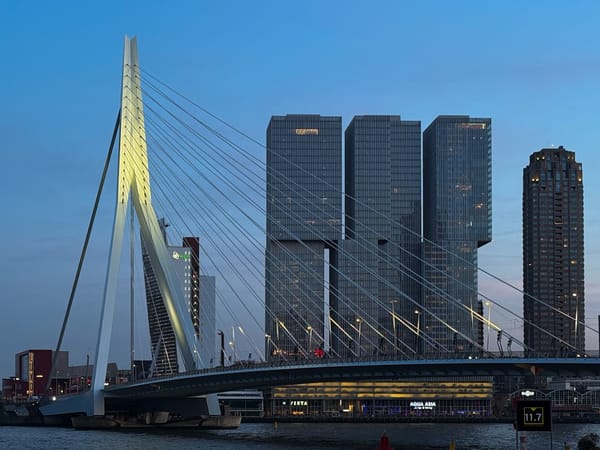
Global Trend
185 Meters Above Rotterdam: What Awaits Inside the Reimagined Euromast?
What happens when a six decade old icon decides to stop being just a lookout point and transforms into something far more immersive? The answer is now standing 185 meters above Rotterdam, and it might just change how you think about city landmarks. Magnicity, a global name in ur…
Read More...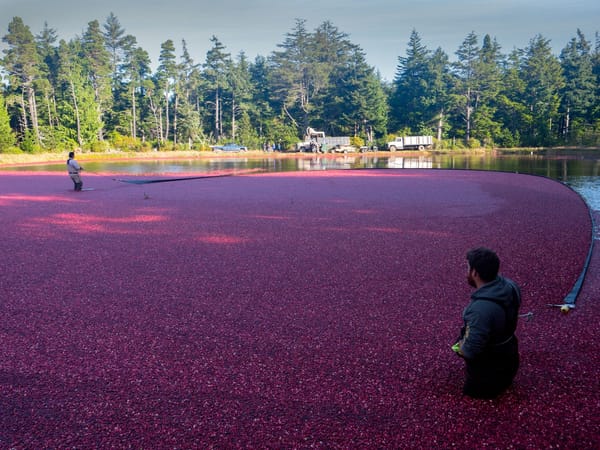
Global Trend
10 Enchanting Agritourism Adventures in Québec This Fall: From Cranberry Bogs to Vineyard Harvests
What if you could taste the season itself? As autumn paints Québec in shades of amber and gold, the province becomes a living canvas of flavor and tradition. From the cranberry bogs of Centre-du-Québec to the sun-kissed vineyards of the Eastern Townships and the orchard-lined ro…
Read More...
Global Trend
7 Reasons Why the British Virgin Islands’ 2026 Unrushed Season Is Your Best Bet for Slow Travel, Big Savings & Pure Serenity
What if the best time to visit paradise wasn’t when everyone else does? The British Virgin Islands (BVI) is flipping the script on traditional travel calendars with its 2026 Unrushed Season, a thoughtfully crafted window from July through early November that invites you to trade…
Read More...
Global Trend
Want to Experience the Florida Keys Without the Crowds? Here’s How August Through October Delivers More Value and Island Magic
Picture this: you’re driving the Overseas Highway, windows down, salt air mixing with the scent of tropical blooms. The road stretches over turquoise water, and each island you pass feels like a new world waiting to be discovered. But here’s the thing most travelers don’t realiz…
Read More...
Global Trend
British Airways Will Fly Daily from London to Baltimore in 2026. Here’s Why Maryland Is Your Next Winter Escape.
Picture this: you board a plane at London Heathrow, settle into your seat, and just under eight hours later you step off into a winter wonderland that most British travelers have never considered. That’s exactly what British Airways is betting on with its announcement of daily n…
Read More...
Global Trend
What Happens When the EPO Goes Fully Digital in 2027? Here’s What Patent Filers Need to Know
Imagine a world where patent applications never touch paper. Where every step from filing to grant happens in a secure, instant, and traceable digital environment. That world arrives on 1 April 2027, when the European Patent Office (EPO) completes its decade long digital transfo…
Read More...
Global Trend
60 Nations Hit With New US Tariffs: What This Means for Your Wallet and Global Trade
The United States has just turned up the heat on global trade. In a move that touches nearly every corner of the import market, Washington has slapped fresh tariffs on roughly 60 of its largest trading partners. We're talking about China, the European Union, Canada, Japan, India…
Read More...
Global Trend
Why Travelers Are Flocking to Taoyuan: K-Pop Star Ambassador, 3 Curated Routes, and 2026 Festivals You Can’t Miss
What if your first stop in Taiwan turned into the highlight of your entire trip? That’s exactly what Taoyuan is betting on. As the island’s busiest international gateway, this city is stepping into the spotlight with a fresh global campaign that’s turning heads from Seoul to Sin…
Read More...
Global Trend
What Triggers the 'Upstream Connect Error'? 5 Critical Factors That Break Web Performance
Imagine this: you click a link, and the page hangs. Then it fails. Behind that simple moment of frustration, a silent breakdown just occurred in the digital infrastructure connecting you to the service. One of the most common culprits? The 'upstream connect error or disconnect/r…
Read More...