
20 Years of Nordic Innovation: How Dagmar’s Resort 2027 Collection Redefines Scandinavian Glamour for a New Era

Stockholm, Sweden, MMN Correspondent: It’s June 2026, and inside a repurposed glass conservatory near the Royal Palace, something rare is happening. The air hums with anticipation. Models walk barefoot across polished stone, their movements synced to a score that blends classical strings with digital synths. This isn’t just another fashion show. It’s a 20th birthday party for a brand that started as a small boutique label and has quietly become one of Scandinavia’s most enduring voices.
The House of Dagmar, now simply called Dagmar after a subtle rebranding this year, just unveiled its Resort 2027 collection. And if you think you know Scandinavian fashion—clean lines, muted tones, understated elegance—think again. This collection is a conversation between heritage and futurism, between the wool of Swedish sheep and the shimmer of bio-based leather. It’s glamour, but not the kind you’d expect. It’s glamour as resilience.
Let’s talk about the woman behind the transformation. Linnea Hjort, the newly appointed design director, previously led Raey, Matches’ acclaimed in-house label. Her fingerprints are all over this collection. She’s taken the brand’s DNA—quiet luxury with a whisper of drama—and turned up the volume. Not with noise, but with precision. Think architectural silhouettes. Think fabrics that catch light like Arctic ice. Think a tailored ivory wool coat with asymmetrical draping, layered over a black turtleneck dress embedded with micro-sequins that flicker like distant stars. That’s not just clothing. That’s storytelling.
What makes this collection particularly fascinating is how it balances two forces that often feel at odds: tradition and progress. The color palette leans into muted earth tones—midnight navy, slate gray, warm sand—but then jolts you with bursts of cerulean, magenta, and molten gold. The accessories reinforce this duality: chunky geometric earrings made from upcycled brass, handbags shaped like folded origami, and heelless platforms designed for comfort without sacrificing style. It’s a collection that asks: why should elegance come at the cost of ease?
But here’s where it gets really interesting. Dagmar introduced a limited-edition capsule called ‘Dagmar Archive.’ These are reinterpretations of iconic pieces from the brand’s past, but they’re not just nostalgic reproductions. Each piece was digitally scanned, reconstructed using AI-driven pattern-making tools, and produced in small batches using on-demand manufacturing. This approach reduces waste and allows fans to own a piece of history with authenticity. It’s a clever way to honor the past while embracing the future.
Sustainability isn’t just a buzzword here. It’s embedded in the fabric—literally. The collection uses organic merino wool, TENCEL™ lyocell, handwoven linen, bio-based leather alternatives, and digitally printed stretch knits. According to the 2025 Global Fashion Sustainability Report, 68% of luxury consumers now prioritize eco-conscious brands. Dagmar’s material strategy isn’t just ethical; it’s commercially astute. The brand has achieved B Corp certification and operates a closed-loop dyeing system that recycles 98% of water used in textile processing. These efforts align with Sweden’s 2030 Climate Act, which mandates carbon neutrality for all major industries.
The venue itself became part of the narrative. The glass conservatory was transformed into a living gallery of mirrors, suspended crystals, and ambient lighting. Models walked barefoot, their movements synchronized with a score composed by Swedish electronic artist Elias Söderberg. The atmosphere evoked a dreamlike state—somewhere between a Nordic winter forest and a futuristic cityscape. It was intimate, opulent, and deeply intentional.
Looking ahead, Dagmar plans to expand its presence in Asia with pop-up events in Tokyo, Seoul, and Shanghai. Digital engagement remains a priority. The brand launched an augmented reality app that lets users virtually try on garments from the Resort 2027 collection using smartphone cameras. This enhances accessibility and inclusivity, making high fashion feel less distant.
As the final model stepped off the runway, bathed in golden light and silence, one thing was clear: the legacy of House of Dagmar is not ending. It’s evolving. And the world is watching.
Related in Fashion

Fashion
Why Your Next Wardrobe Could Be Made of Mushrooms: Inside Ambush’s Spring 2027 Collection
What happens when a Tokyo fashion house decides to stop chasing global trends and instead listens to the forest? You get Ambush’s Spring 2027 Ready to Wear collection, unveiled during Paris Fashion Week. This is not just a new line of clothes. It is a quiet rebellion against the…
Read More...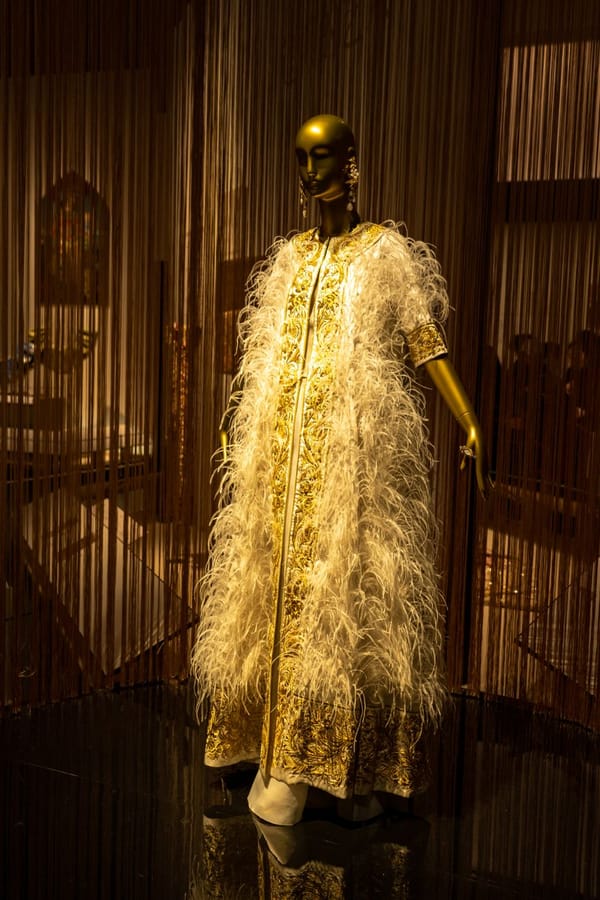
Fashion
What Maria Grazia Chiuri’s Fendi Debut in Rome Means for the Future of Haute Couture
On a warm July evening in Rome, something quietly extraordinary happened inside the Galleria Nazionale d’Arte Moderne e Contemporanea. Maria Grazia Chiuri, fresh from a decade at Dior in Paris, returned to her hometown to present her first haute couture collection for Fendi. The…
Read More...
Fashion
What Happens When 18th Century Opulence Meets AI Couture? Jean Paul Gaultier’s Fall 2026 Collection Has the Answer
Imagine stepping into a dream where powdered wigs and corsets collide with laser scans and biomechanical forms. That’s exactly what happened when Jean Paul Gaultier unveiled its Fall 2026 haute couture collection during Paris Fashion Week. The show marked the debut of designer D…
Read More...
Fashion
20 Years of Masks: How Ashi Studio’s Fall 2026 Couture Turned Paris Fashion Week Into a Surrealist Dreamscape
What happens when a fashion house celebrates two decades not with a retrospective, but with a full-blown theatrical meditation on identity, disguise, and the art of concealment? Ashi Studio answered that question on the Fall 2026 runway, and the answer was nothing short of mesme…
Read More...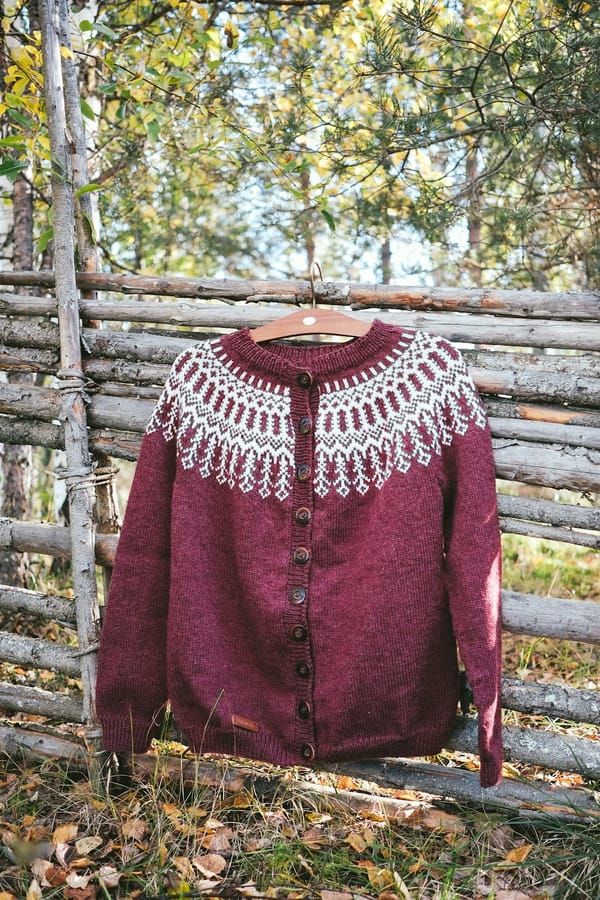
Fashion
How Magda Butrym’s 2027 Resort Collection Turns a Cult Film Into Wearable Art (And Why NYFW Is Next)
What happens when a designer takes a cult Polish psychological thriller and turns it into a wardrobe you can actually wear? Magda Butrym’s 2027 Resort collection offers a compelling answer. Titled ‘Szamanka,’ after Andrzej Żuławski’s 1996 film about power, desire, and identity,…
Read More...
Fashion
7 Ways Berlin Designer Mario Kleine Is Redefining Menswear with History and Emotion in Spring 2027
What happens when a designer stops chasing the next big thing and starts listening to the whispers of the past? Mario Kleine, the mind behind Berlin based label Marke, just answered that question with a collection that feels less like fashion and more like a conversation across…
Read More...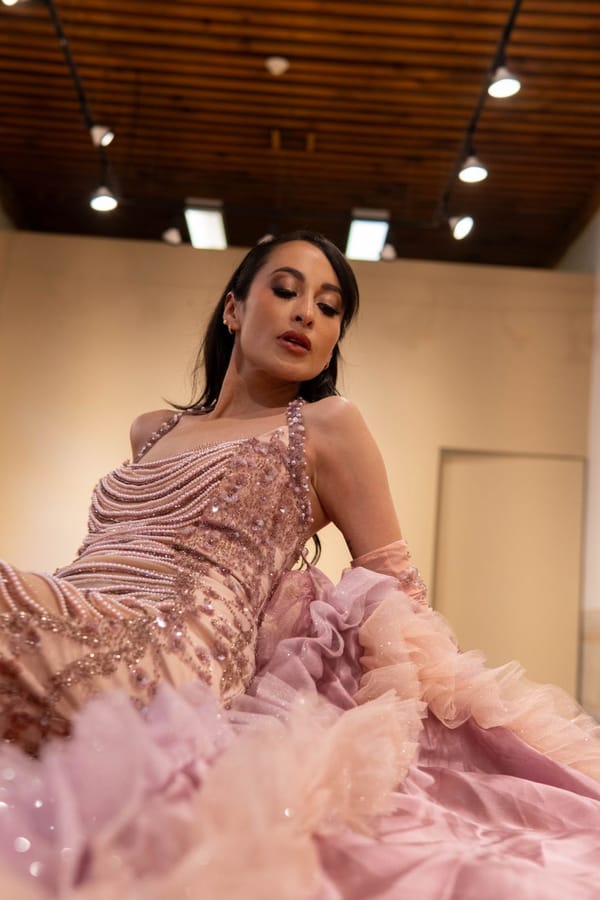
Fashion
7 Reasons Gigi Hadid’s Salmon Pink Wiederhoeft Dress and Soft Serve Hair Are the 2026 Wedding Trend You Need to Copy
Picture this: a candlelit seaside soirée, the air thick with romance, and every guest dressed like a character from a dream. That was the scene at Taylor Swift and Travis Kelce’s 2026 wedding, an event that didn’t just celebrate love—it launched a new era in fashion. Among the a…
Read More...
Fashion
Inside Taylor Swift and Travis Kelce’s Madison Square Garden Wedding: Music, Fashion, and Surprises You Need to Know
Imagine the world’s most famous pop star and an NFL superstar saying “I do” inside a legendary arena that has hosted everyone from Elvis to the Knicks. That’s exactly what happened on July 3, 2026, when Taylor Swift and Travis Kelce turned Madison Square Garden into their privat…
Read More...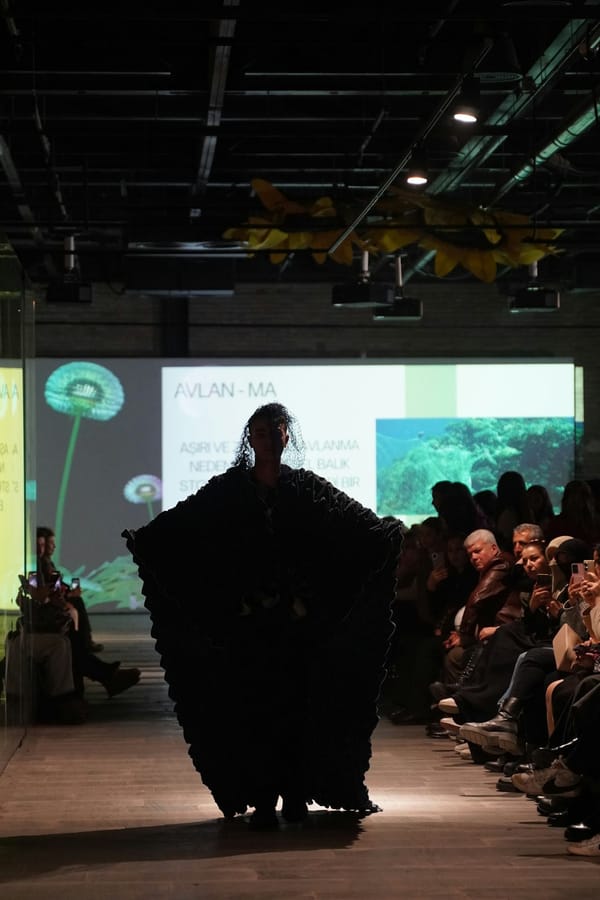
Fashion
Why Fashion Insiders Are Calling Anna October’s Resort 2027 Collection a Love Letter to Paris (And You’ll Want Every Piece)
In July 2026, the fashion world’s gaze settled on Paris for reasons beyond its famed boulevards and iconic landmarks. Anna October presented her Resort 2027 collection, titled ‘Café Pleasure,’ at an intimate event that wove together architectural inspiration, historical nods, an…
Read More...
Fashion
7 Ways Mykonos Transformed Duckie Brown’s Spring 2027 Menswear Into a Mediterranean Dream
What happens when two Brooklyn designers trade the roar of subway trains for the whisper of Aegean waves? Daniel Silver and Steven Cox, the minds behind Duckie Brown, found out this spring. They spent months on Mykonos, not as tourists but as students of the island’s quiet rhyth…
Read More...